





 Portuguese
  English
  Spanish
  2 min of reading
  0 comments


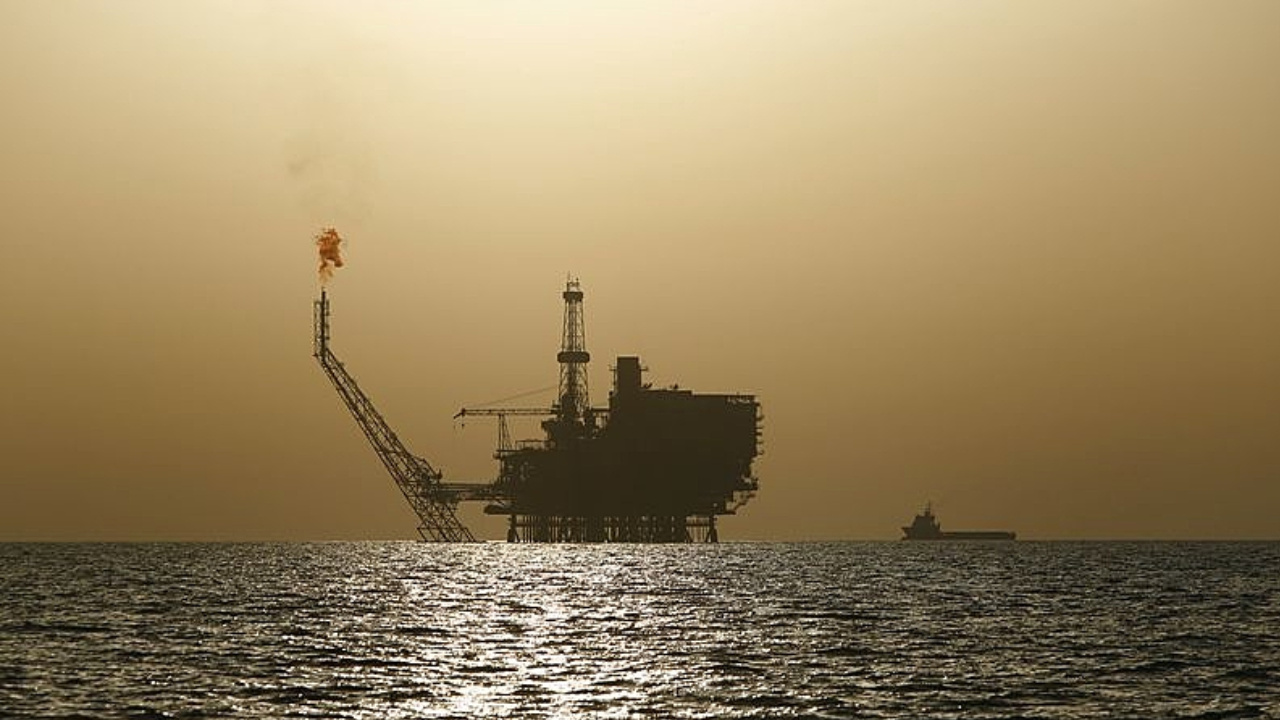
OPEC Points to Reduction in Brazilian Oil Production in August but Maintains Optimistic Projections for 2025 and 2026, Highlighting Brazil Among the Largest Contributors Outside the Cartel to Global Liquid Fuels Supply Growth.
The Organization of the Petroleum Exporting Countries (OPEC) reported that Brazil’s total liquid fuels production recorded a drop of 68 thousand barrels per day (bpd), totaling 4.7 million bpd. This result takes the country away from the record set in July, when production reached 4.8 million bpd.
According to the monthly report released by the cartel, this reduction was a direct reflection of the decrease in national oil production, which also fell by the same proportion—68 thousand bpd—reaching 3.9 million bpd during the same period.
Despite the temporary contraction, OPEC kept its projections for Brazil’s performance unchanged for both this year and next, reinforcing confidence in the stability of the Brazilian energy sector.
-
Petrobras evaluates suspension of sales to distributors and considers canceling the cooking gas auction following guidelines from the Federal Government.
-
Lula reveals a masterstroke by Petrobras to undo a deal made by Bolsonaro, which involves the return of an important refinery that currently produces less than half of what was expected and makes Brazil dependent on international diesel.

-
A study confirms that the natural gas sector will reduce greenhouse gas emissions in Brazil by 0.5% and accelerate the energy transition by 2026.

-
Petrobras implements a severe adjustment and confirms a 55% increase in the price of aviation kerosene with a proposal for installment payments for the companies.


Optimistic OPEC Projections for 2025 and 2026
According to the cartel’s estimates, Brazil will continue to be one of the key players in the global expansion of liquid fuels production. In 2025, the expectation is for a growth of 230 thousand barrels per day, reaching an average of 4.4 million bpd. In 2026, the forecast is for further growth, with an increase of 160 thousand bpd, totaling 4.5 million bpd.
These numbers keep Brazil on the list of the four main countries outside OPEC that are expected to drive global supply, alongside the United States, Canada, and Argentina.
Brazilian Economic Outlook Remains Stable in OPEC Projections
In addition to forecasts about oil, OPEC also maintained its estimates for the growth of Brazil’s Gross Domestic Product (GDP). The report projects an expansion of 2.3% in 2025 and 2.5% in 2026, indicating a moderate but stable pace.
However, the cartel warns of slowdown risks associated with increased tariffs imposed by the President of the United States, Donald Trump, as well as the fiscal challenges faced by the Brazilian government.
Another point of concern is inflation, which is expected to remain around 5% in 2025, according to the document. Based on the September minutes from the Central Bank of Brazil, OPEC expects the Selic rate to be maintained at least until the end of the first half of 2026, reflecting a cautious stance in monetary policy.









Seja o primeiro a reagir!