





 Portuguese
  English
  Spanish
  5 min of reading
  0 comments


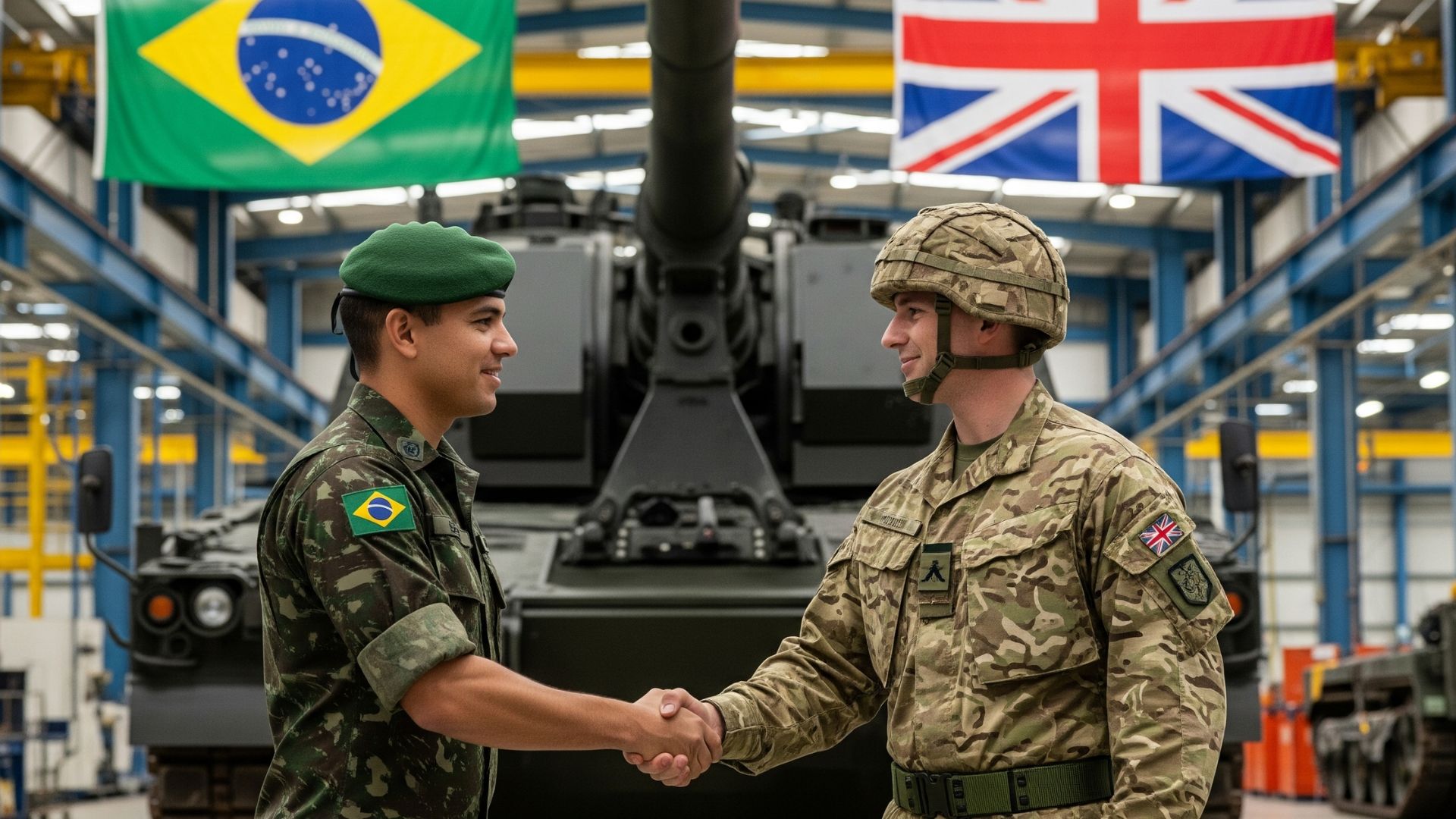
Agreement Between the Brazilian Army and the United Kingdom Enables Local Production of L119 Howitzers, Strengthening the National Industry and Expanding Strategic Capacity in Modern Artilleries
On Thursday (11), the Brazilian Army formalized a strategic partnership with the United Kingdom for the production of L119 artillery on national territory. The agreement was signed during the international fair DSEI (Defense and Security Equipment International), held in London, and represents a significant advance in Brazil’s defense capability, as well as boosting the national arms industry.
The initiative foresees the joint manufacturing of L119 howitzers at the Sao Paulo War Arsenal, with technical support from BAE Systems, one of the largest British companies in the defense sector. The measure strengthens Brazil’s military autonomy and paves the way for future international collaborations.
National Production of L119 Howitzers: Modernization of the Brazilian Army
The main objective of the agreement is to enable the production of L119 howitzers, 105 mm caliber artillery that stand out for their light weight, mobility, and precision. Unlike traditional models, the L119 can be transported by common trucks and helicopters, making them ideal for operations in varied and difficult terrains.
-
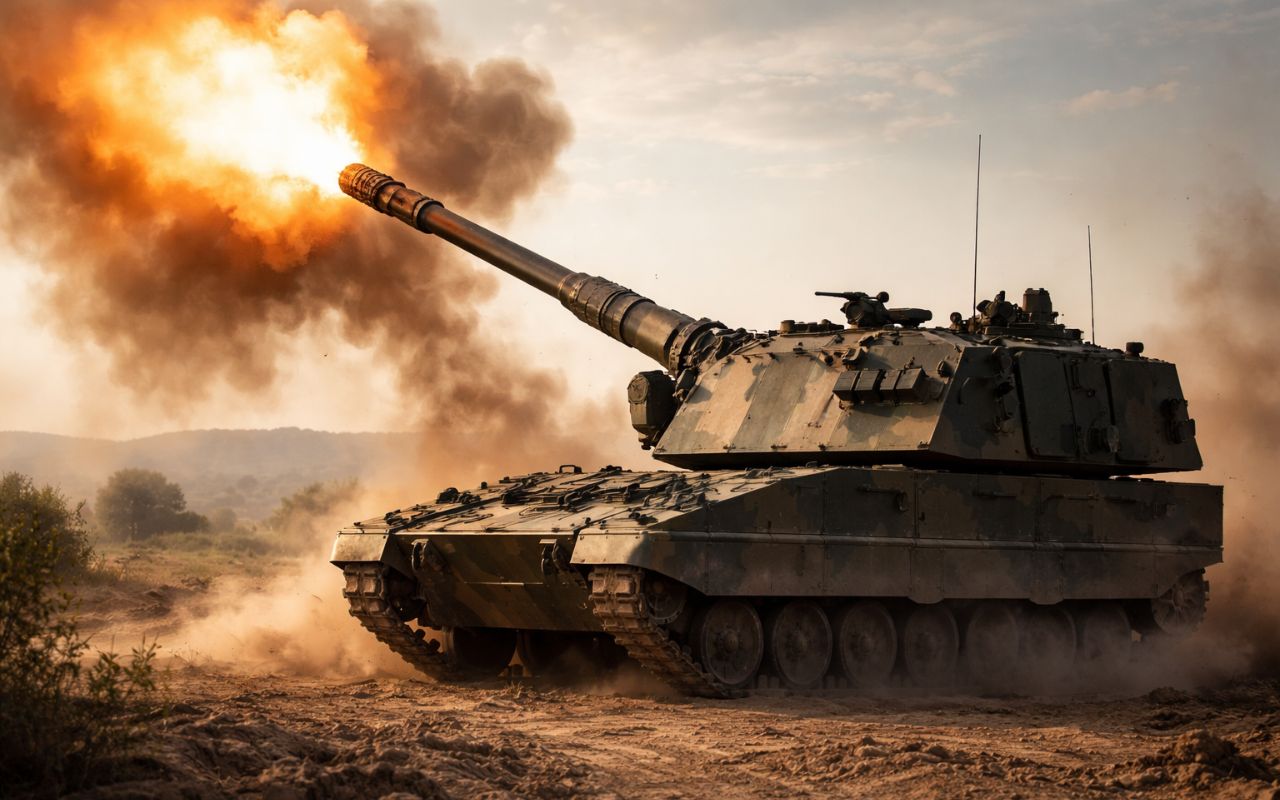
The German “steel monster” weighing 55 tons fires up to 10 projectiles per minute at over 40 km and avoids counterattacks on the battlefield by moving quickly to escape enemy attacks; meet the Panzerhaubitze 2000.
-
USS Gerald R. Ford, the largest aircraft carrier in the world, returns to sea after a fire in the laundry in the Red Sea; repaired in Crete, it resumes missions of Operation Epic Fury against Iran.

-
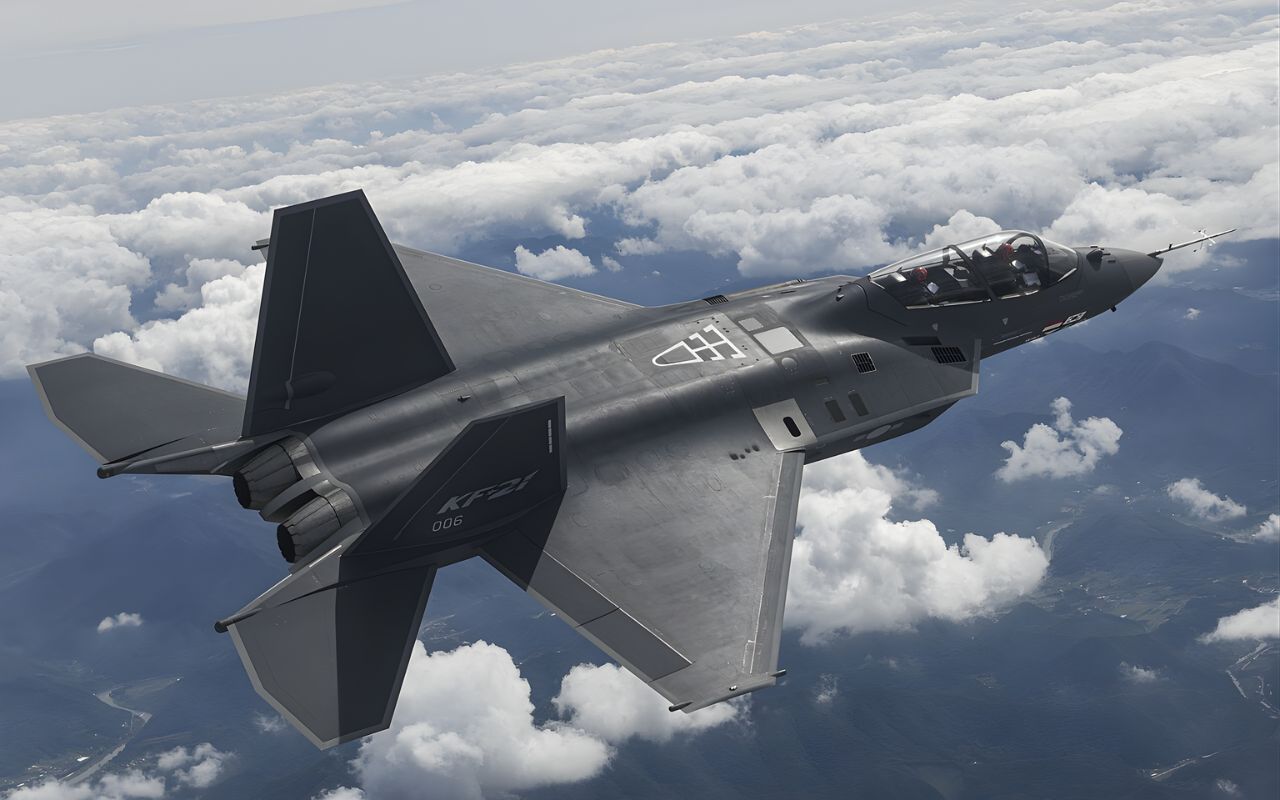
Military power: South Korea’s new KF-21 fighter jet will be a key component in replacing the aging aircraft of the air force, placing the country on the map of air military powers.
-
With 310 meters, 80 thousand tons, and capable of operating for 45 years, the new nuclear aircraft carrier France Libre will be the largest in France and will enter service in 2038.


These howitzers are already used in modern conflicts, such as the war in Ukraine, and have similar versions in use by the United States Army. The adoption of this model by the Brazilian Army represents a technological and operational leap, aligned with global defense trends.
Manufacturing will take place at the Sao Paulo War Arsenal, a military industrial unit capable of absorbing technology transfer and ensuring production at scale. The project also foresees training of local manpower and development of national suppliers.
United Kingdom and BAE Systems: Technology Transfer and Strategic Cooperation
BAE Systems, the original manufacturer of the L119 howitzers, will be responsible for providing technical support, training, and technology transfer to Brazil. The British company is globally recognized for its work in land, naval, and air defense projects, and its participation ensures the quality and reliability of the produced equipment.
The United Kingdom, in turn, reinforces its position as a strategic partner of Brazil in the defense sector. The signing of the agreement demonstrates mutual confidence and opens up space for new bilateral initiatives, such as knowledge exchange, joint system development, and cooperation in cybersecurity.
Brazilian Participation in DSEI 2025 and Strengthening the National Industry
The signing of the agreement took place during DSEI 2025, one of the largest defense and security fairs in the world, held in London. The event featured representatives from the Ministry of Defense, the Armed Forces, and Brazilian private companies. Brazil had an exclusive pavilion, the “Brazil Space,” coordinated by the Brazilian Association of Defense and Security Material Industries (ABIMDE), with the participation of 11 national companies.
This presence reinforces Brazil’s interest in enhancing its international visibility in the defense and security sector, as well as fostering strategic partnerships with countries like the United Kingdom. The initiative also contributes to the internationalization of the Brazilian defense industry, promoting innovation, competitiveness, and the creation of skilled jobs.
Benefits of National Production of L119 Artilleries for Brazil
The production of L119 howitzers on national territory brings a series of benefits to Brazil, both in military and economic and technological fields. Among the main positive impacts, the following stand out:
- Strengthening the Brazilian defense industry: with technology transfer and technical training, the country will be able to develop local expertise, reduce external dependence, and stimulate the national production chain.
- Generation of skilled jobs: the production of equipment will require specialized labor, which drives the training of professionals and the appreciation of the industrial sector.
- Reduction of logistical costs: by manufacturing the howitzers locally, Brazil reduces expenses with importation, transportation, and maintenance, in addition to ensuring greater agility in the replacement of parts and components.
- Operational autonomy: direct control over production allows the Brazilian Army to adapt equipment to its specific needs, increasing efficiency in the field.


Technical Data of the L119 Howitzers and Their Tactical Relevance
The L119 howitzers are recognized for their versatility and performance in military operations. Below are some technical data that highlight their importance:
- Caliber: 105 mm
- Weight: approximately 2,100 kg
- Effective Range: up to 11,400 meters with standard ammunition; up to 17,000 meters with special ammunition
- Rate of Fire: up to 6 rounds per minute in rapid mode; 2 rounds per minute in sustained mode
- Mobility: transport by light vehicles and helicopters
More than 30 countries use variants of the L119, including United States, United Kingdom, Australia, and New Zealand. Its adoption by the Brazilian Army reinforces the modernization of the Armed Forces and the response capacity in diverse scenarios.
Geopolitical Impacts of the Partnership Between the Brazilian Army and the United Kingdom
The partnership between the Brazilian Army and the United Kingdom signals an intensification of bilateral relations in the defense field. This proximity may open up room for new agreements in areas like technology, intelligence, military training, and cybersecurity.
Additionally, Brazil positions itself as a relevant actor in the international defense scene, capable of establishing partnerships with consolidated military powers. The national production of L119 howitzers may also generate export opportunities to countries in Latin America and Africa, expanding Brazil’s regional influence.
Another relevant point is Brazil’s alignment with international defense standards, which facilitates interoperability with allied forces in joint missions and peace operations.
Expansion of Military Cooperation: Second Agreement with the United Kingdom in a Week
In addition to the partnership with the Brazilian Army, the Brazilian Navy also signed, on September 10, 2025, a contract for the acquisition of a warship from the British Royal Navy. These two consecutive agreements demonstrate a significant rapprochement between the two countries in the defense field, with potential for future developments in other strategic areas.
The expansion of military cooperation between Brazil and the United Kingdom strengthens Brazil’s geopolitical position and contributes to the construction of a more integrated, modern, and efficient defense policy.
Brazilian Army: Paths Opened for Innovation and International Protagonism
The agreement signed between the Brazilian Army and the United Kingdom for the production of L119 artillery represents a milestone in the history of national defense. By investing in cutting-edge technology, strengthening its local industry, and tightening ties with international partners, Brazil takes a decisive step towards modernizing its Armed Forces.
The manufacturing of the howitzers on national territory not only enhances the operational capacity of the Brazilian Army, but also positions the country as a strategic player in the global defense landscape. With economic, technological, and diplomatic benefits, this partnership promises to generate lasting positive impacts for Brazil.
For the reader attentive to geopolitical transformations and the strengthening of national sovereignty, this agreement is more than news: it is a clear signal that Brazil is preparing for the challenges of the 21st century with intelligence, strategy, and vision for the future.








-

Uma pessoa reagiu a isso.