





 Portuguese
  English
  Spanish
  3 min of reading
  0 comments


Brazil Reinforces Its Global Leadership by Integrating Green Iron into Decarbonization Strategies and International Partnerships, Expanding Opportunities in the Low-Carbon Industrial Transition
The presence of green iron at the center of global discussions on decarbonization has increased interest in Brazil’s role in this new cycle of the mineral economy, according to a report published.
During the meeting held on November 14 at COP30 in Belém (PA), the Ministry of Mines and Energy (MME) demonstrated that the country has rare conditions to build trade corridors capable of serving markets seeking to reduce emissions and increase competitiveness.
By bringing together Brazilian and European representatives, the debate presented paths for more balanced cooperation that connects to industrial demands.
-
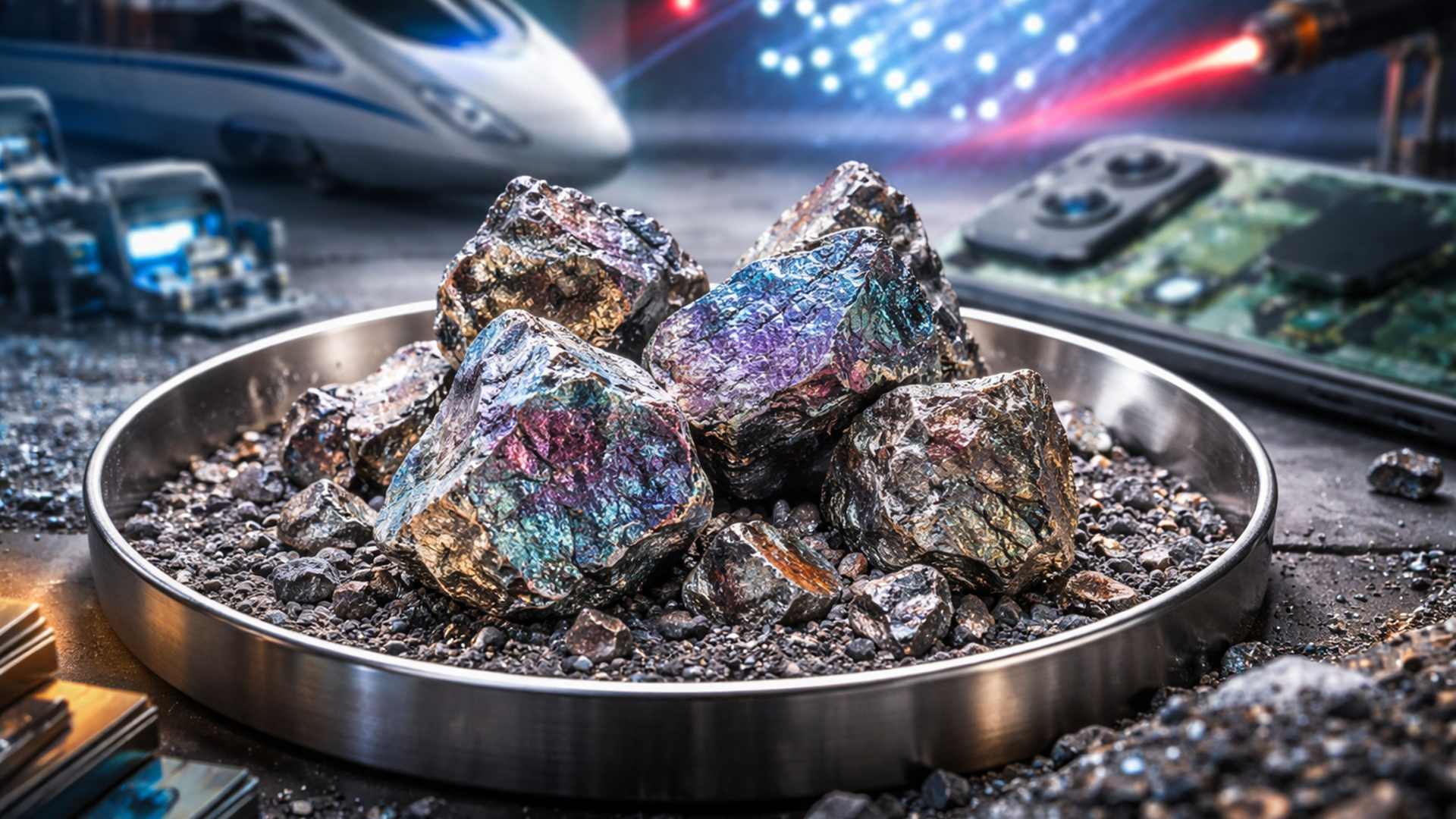
Rare earths are in everything, from cell phones to bullet trains, and what almost no one realizes is why they have become the target of such a delicate global war.
-
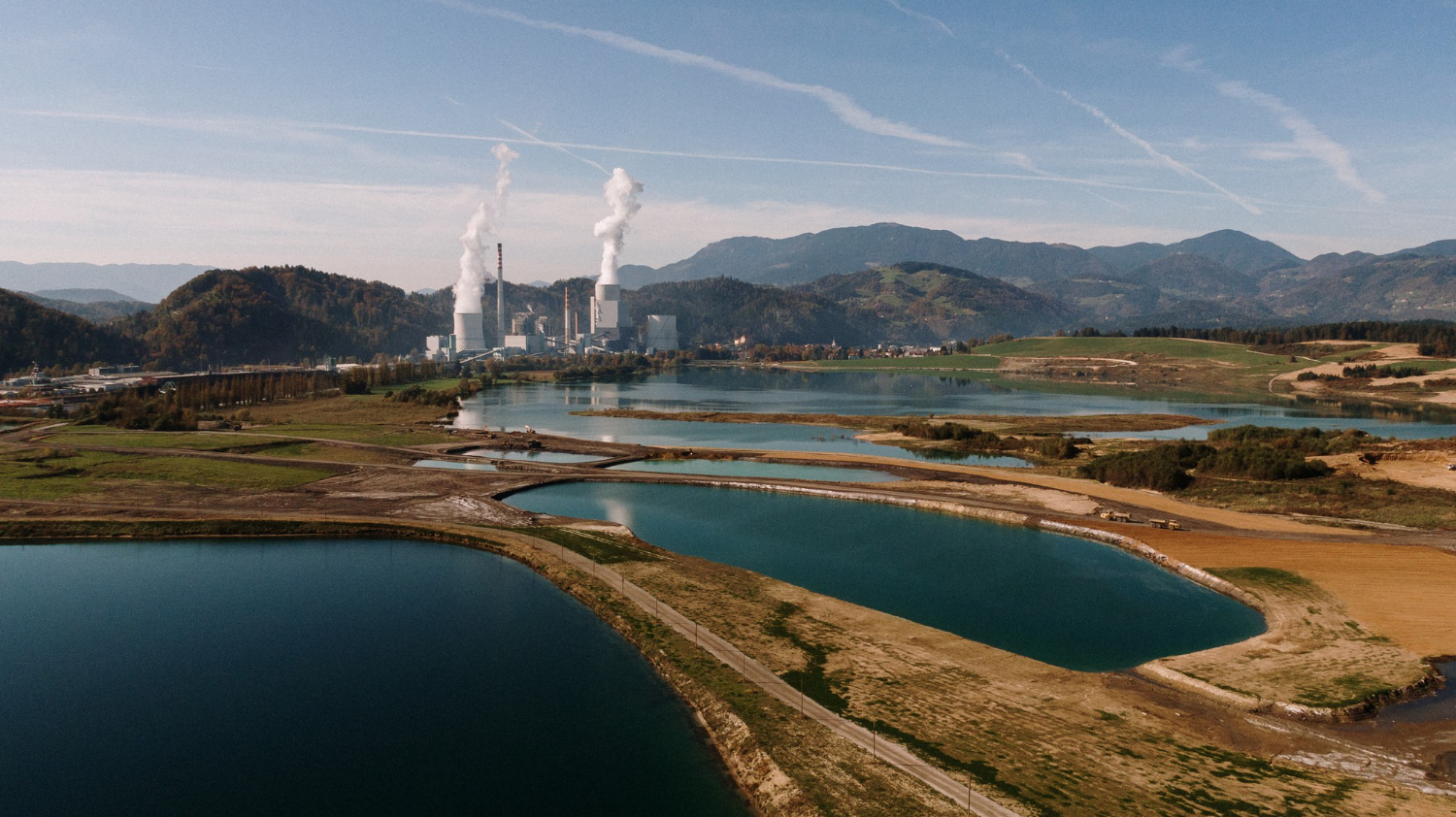
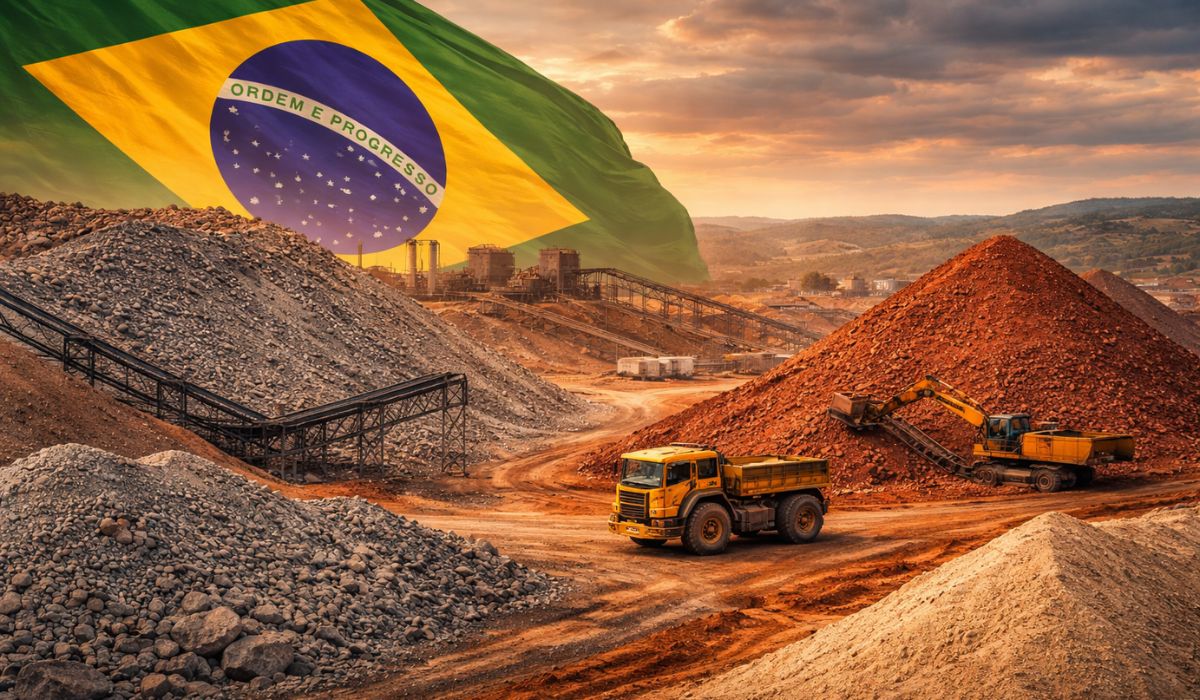
Brazil extracts 26.3 million tons of ore from what was previously treated as waste, transforming residues into wealth, producing over 3 million tons of sand, and demonstrating how national mining is relearning to generate value.
-
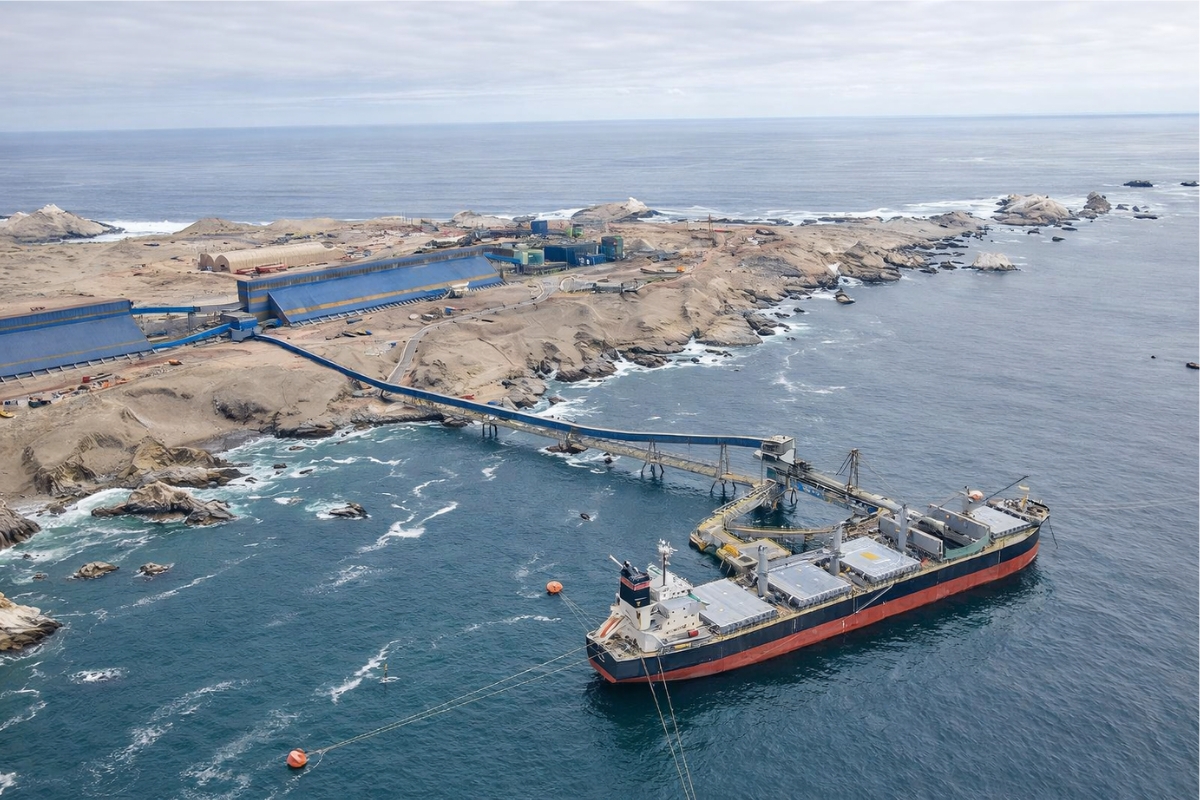
A $3.5 billion megaproject in Latin America pumps desalinated seawater at 1,050 liters per second over 194 km to keep a copper supermine in the Andes operational for another 20 years.
-
A hidden mine in the Andes valued at nearly R$ 1 trillion is starting to attract global attention, containing copper, gold, and silver, and raises an intriguing question: why do Argentina and Chile need to act together to exploit this gigantic wealth?

The agenda also brought reflections on energy security, demand predictability, and risk reduction instruments for large-scale projects.
These elements were highlighted as essential to ensure that the industrial transition occurs in a just, stable manner and aligned with international climate policies.
International Sustainable Trade Corridors
The open dialogue about green iron at COP30 highlighted that the creation of international corridors dedicated to the trade of decarbonized metal could accelerate the integration between industrial and environmental policies.
In this context, Minister Alexandre Silveira emphasized that Brazil is already addressing the topic in initiatives such as the National Mining Plan 2050, the National Hydrogen Policy, and the Ecological Transformation Plan.
The meeting also highlighted European interest in forming forward markets and using long-term contracts, guarantees, and concessional financing as instruments to mitigate risks.
The predictability of these mechanisms was pointed out as decisive for increasing confidence in new ventures and strengthening production chains that depend on emission reductions.
The debate showed that building these arrangements opens up space for increased investments and the creation of more stable trade flows.
Low-Carbon Industrial Transition with Green Iron
The technical discussion presented reinforced that the use of green iron in steelmaking represents a profound change in industrial processes.
Unlike the traditional method, the metal produced using renewable energy, such as hydrogen, eliminates emissions associated with the coal used in the conventional route.
By integrating this model into national policies, the country increases its capacity to offer a competitive product in an increasingly demanding global scenario.
Moreover, studies shared during the meeting show that by complementing its internal production with materials from regions with abundant renewable energy, such as Brazil, the European Union reduces costs and strengthens its energy security.
Technological cooperation was another point highlighted as essential for the development of new equipment, processes, and professional qualification opportunities.
Renewable Hydrogen Production in Brazil-EU Technological Partnerships
The articulation between Global South countries and large consumer markets was presented as one of the pillars for balanced partnerships.
At the meeting, Brazilian institutions detailed how the integration of renewable energy, mineral production, and hydrogen can generate new layers of added value to exports.
The European Union expressed interest in increasing investments, especially in solutions aimed at industrial decarbonization.
The MME noted that transforming Brazil’s energy potential into a stable supply of decarbonized materials is a historic opportunity to reposition the country.
This action enhances the relevance of the mineral sector in the global scenario and brings the country closer to productive chains seeking predictability and competitiveness.
In an environment of increasing demands, the consolidation of this agenda is essential to connect Brazil to international markets.
The formation of a clean energy mineral market, supported by cooperation, predictability, and innovation, reinforces the strategic moment experienced by the sector, which finds in green iron a decisive vector for its global expansion.




Seja o primeiro a reagir!