





 Portuguese
  English
  Spanish
  3 min of reading
  83 comments


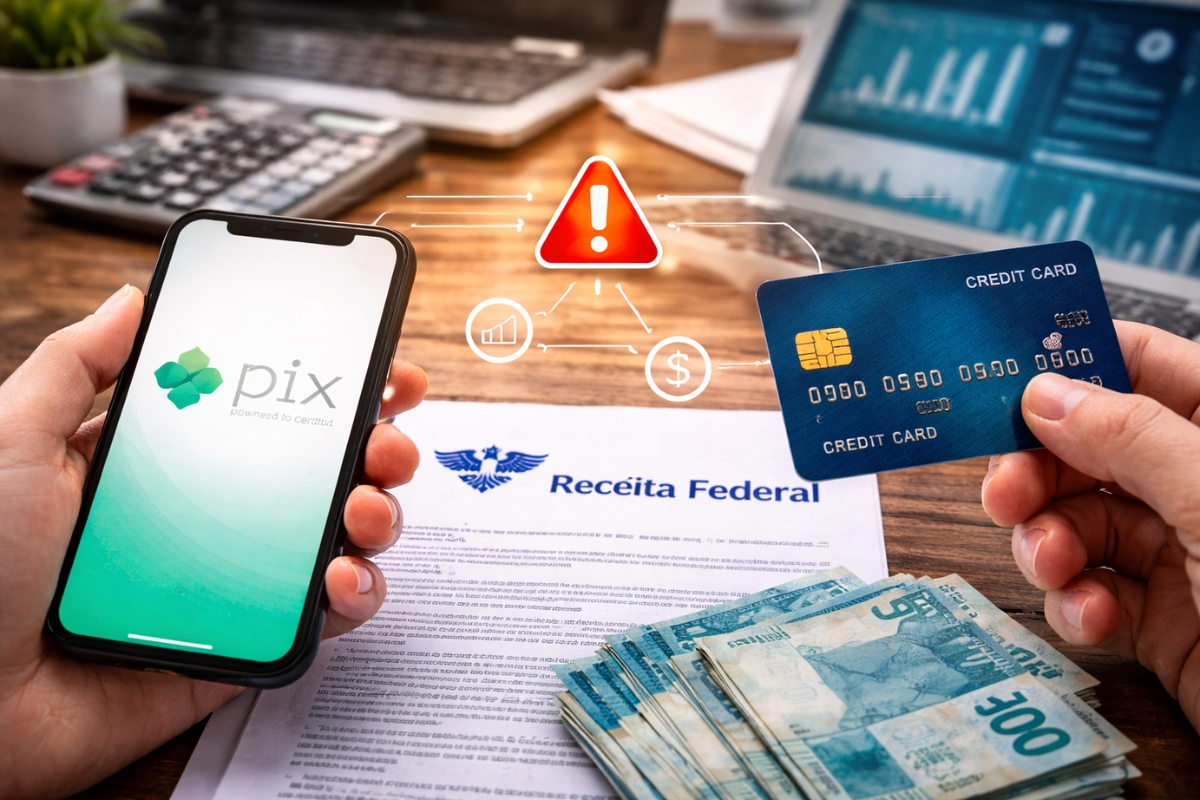


New Control Model Expands The Reach Of Inspection And Can Reveal Undeclared Income
The advancement of Pix has transformed the way money circulates in Brazil, but it has also expanded the view of the Internal Revenue Service. The agency has started to integrate information from instant transfers with credit card data, reinforcing control over financial transactions.
The measure draws attention because it affects both individuals and small businesses that use Pix as their main payment method. Frequent transactions, high values, or those inconsistent with declared income come under scrutiny.
The practical impact is direct: operations that were previously invisible are now analyzed and may result in tax collection, fines, and interest.
-
The institute that trained the greatest aerospace engineers in Brazil has just opened its first campus outside São Paulo after 75 years: ITA Ceará will have R$ 445 million, new courses in energy and systems, and classes are expected to start in 2027.

-
Luciano Hang, owner of Havan, goes to Juiz de Fora after the tragedy in February, brings R$ 1 million, hands out R$ 2,000 cards, and donates up to R$ 15,000 to victims in the region.

-
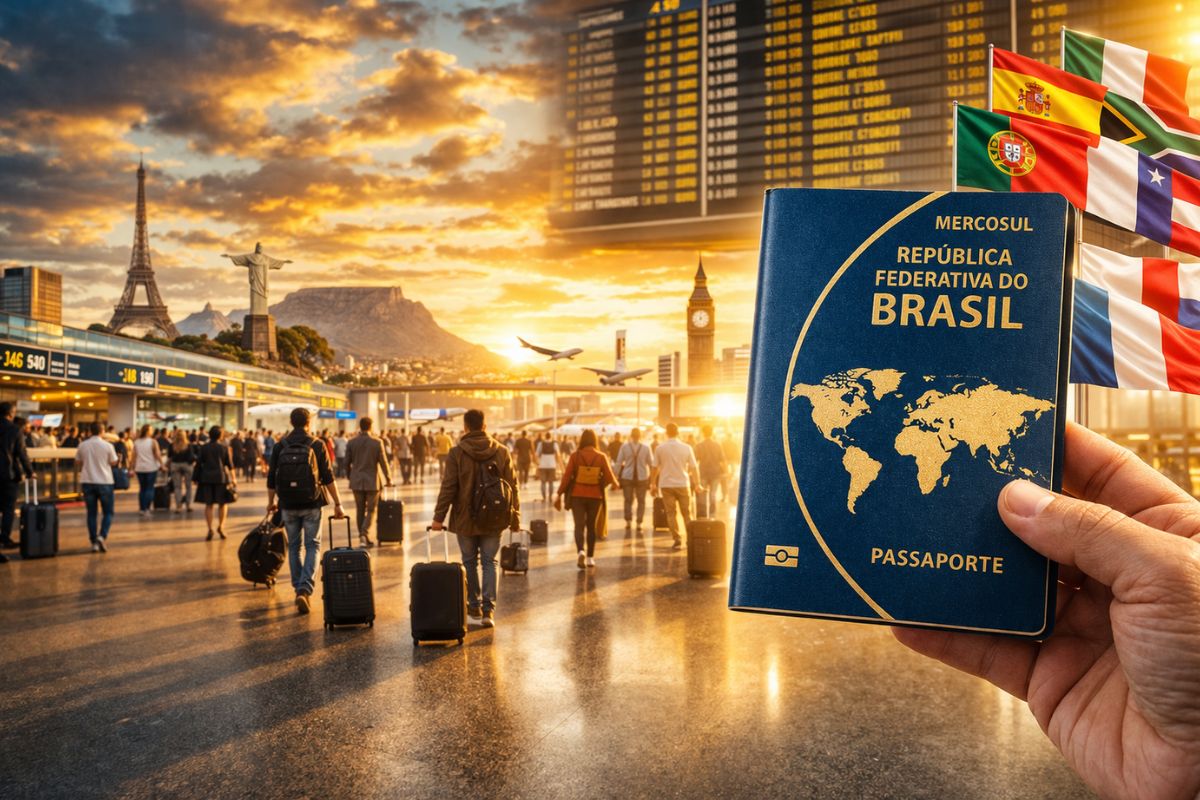
The Brazilian passport allows legal residence in dozens of countries without the need for a prior visa, and most Brazilians are unaware that they can apply for residency directly upon arriving in nations in South America, Africa, and even Europe.
-
Petrobras sends a message to Brazilian truck drivers after fuel collapse and reveals plan to have 100% domestic diesel.


What Happened And Why It Called Attention
Pix quickly became popular and turned into a central tool for payments, sales, and informal transfers. Consequently, the volume of resources outside the traditional system of invoices and cards has increased.
The integration of data allows for the identification of financial transaction patterns with much more precision. Transfers via Pix are now analyzed in conjunction with credit card spending and other banking information.
This cross-checking enhances the ability to detect undeclared income, even when it does not pass through formal business accounts.
How Data Cross-Referencing Works In Practice
Financial institutions periodically send consolidated information to the tax authority. This data does not show each individual payment, but reveals transaction volume, frequency, and compatibility with reported income.
When the system identifies significant discrepancies, the taxpayer may be called to explain the origin of the amounts.
The logic is simple: if the spending and receiving patterns do not match what has been declared, an alert is triggered.
What Changes For Those Who Frequently Use Pix
Those receiving occasional amounts, such as transfers between family members, tend to be unaffected. The focus is on recurring transactions and income profiles.
Self-employed professionals, service providers, and small merchants who receive payments via Pix need to be particularly careful. Received amounts characterize income and fall under the scope of taxation.
Ignoring this reality increases the risk of falling into the fine mesh or facing retroactive charges.
Points Of Attention And Common Questions
Many believe that Pix is invisible to the tax authority, which is not true. The tool is traceable within the financial system.
Another common mistake is to confuse personal accounts with economic activity. Using a CPF to receive amounts routinely does not eliminate the tax obligation.
Organizing records and correctly declaring income reduces risks and avoids future problems.
What May Happen From Now On
The trend is towards increasingly integrated and automated oversight. Data cross-referencing reduces room for omission and informality.
Taxpayers who anticipate, regularize their income, and maintain consistency between income and financial transactions face fewer risks.
The central point is clear: Pix is not invisible, and the cross-referencing with credit card data strengthens the power of inspection.
Those who understand the change and adapt avoid penalties and unpleasant surprises in the future.










Ainda tem gente que defende o PT. Desde mil novecentos e vots que o Brasil é corrompido pelo PT e ninguém fazia nada. Agora, só Jesus na causa.
Por isso que todo mundo está fazendo transações e negociando utilizando outros meios para esse governo lixo desgraçado não roubar.
Todo mundo não, só os lavadores de dinheiro, sonegadores, membros dos crimes organizados e os crimosos.
É desagradável saber que a turma de incompetentes (bolsomimions) com base na desinformação tentam afetar o PT! É como se eles fossem a solução para alguma coisa.
O mais triste e saber que existe pessoas igual a voce que defende um governo **** como esse ,e ainda acham que esse desgoverno e certo . Afinal.
Volta logo Jesus.
Os lavadores de dinheiro, sonegadores, criminosos e exploradores, ficam todos nervosinhos com medo de serem pegos nos seus crimes, por isso só usam dinheiro vivo, a turma do é toda assim, haja **** para esses creiminosos.