





 Portuguese
  English
  Spanish
  5 min of reading
  4 comments


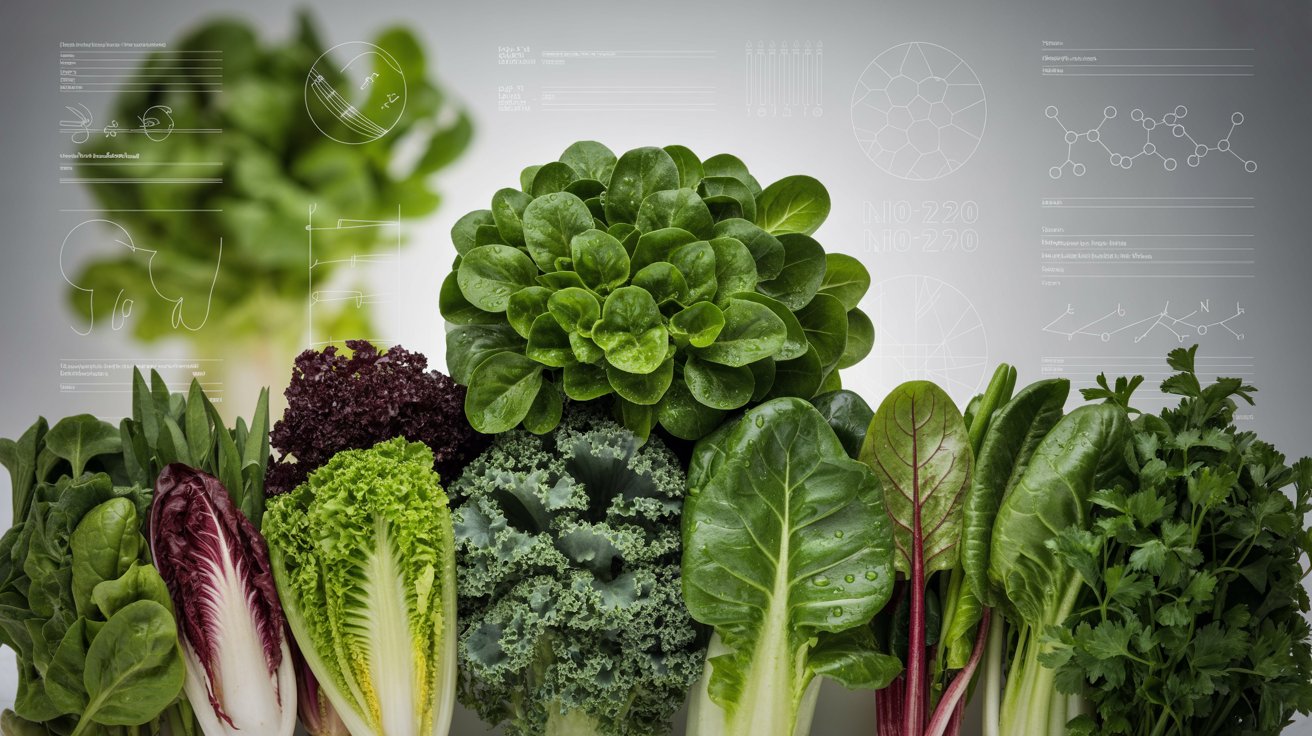


International Study Places Watercress at the Top of the List of Most Nutritious Foods, Highlighting the Relevance of the Vegetable in Brazil and Revealing Details About Its Nutritional Density and Importance for Healthy Eating.
The watercress, a widely cultivated vegetable in Brazil, appears at the top of an international ranking that evaluated the nutritional density of fruits and vegetables and named it the healthiest food on the planet.
The classification was carried out by researchers from William Paterson University in New Jersey, USA, based on a comparative analysis of essential nutrients for human health.
Nutritional Evaluation of Watercress
The study initially considered 47 fruits and vegetables, but only 41 met the criteria to be included as foods capable of providing at least 10% of the daily recommended intake of 17 nutrients in a 100 kcal serving.
-
The rise in oil prices in the Middle East is already affecting Brazilian sugar: mills in the Central-South are seeing their margins shrink just as ethanol gains strength.

-
Rain gains strength in April, potentially exceeding 150 mm, placing the North, Northeast, and the coasts of the South and Southeast at the center of the heaviest forecast of the week.

-
A fish that survives out of water, crawls on land until it finds another river, and whose female lays 80,000 eggs at once is infesting rivers and lakes in Brazil, and no one can stop this invasion.

-
WEG took its technology to Spain to create a solar irrigation system that operates independently without needing an electrical grid, and now farmers control everything remotely via their mobile phones.


Among the evaluated vegetables, watercress stood out with the highest nutritional density score, achieving first place.
The researchers calculated a nutritional score for each food, considering components such as fiber, protein, vitamins A, C, E, K, and the B complex, as well as minerals like calcium, iron, potassium, zinc, and folate.
The final score reflected how much of that food, in relation to calories, provided those nutrients deemed crucial for reducing the risk of chronic diseases.
In this scenario, watercress surpassed other dark leafy greens traditionally associated with healthy eating.
Behind the Scenes of the Study
The investigation was conducted by sociologist Jennifer Di Noia from William Paterson University and was originally published in 2014, but continues to be cited in reports and reviews on healthy eating.

The work gained attention for proposing an objective way to compare fresh foods, going beyond the generic idea that green foods are good for health.
To reach the results, the team selected fruits and vegetables commonly consumed by the general public.
It then mapped the amount of 17 key nutrients present in each item and adjusted those values for caloric density.
The goal was not to point out a superfood but to highlight which options concentrated, per calorie, the most nutrients associated with the prevention of cardiovascular diseases, metabolic issues, and vitamin deficiencies.
Within this methodology, watercress received the highest score.
Following it were vegetables like Chinese lettuce, Swiss chard, beet greens, spinach, chicory, common lettuce, parsley, romaine lettuce, and kale.
These greens are characterized by being low in calories and rich in vitamins, minerals, and bioactive compounds.
Brazilian Watercress and Its Production
While the study was conducted in the United States, the watercress found on Brazilian tables has a strong connection to family farming and specific regions of the country.
In São Paulo, the municipality of Biritiba Mirim is recognized as one of the main production hubs for the vegetable and has already received the title of Brazilian Capital of Watercress.
Agricultural activity is a pillar of the local economy and is part of the municipality’s identity.
Small and medium producers cultivate watercress in areas close to watercourses, taking advantage of the climate and soil conditions that favor its development.
This production helps keep the food present in markets, grocery stores, and supermarkets, often at accessible prices.

Besides its economic relevance, watercress is present in traditional Brazilian culinary preparations, such as broths and sautéed dishes.
The slightly spicy flavor and delicate texture make it used both raw and in hot recipes.
What Makes Watercress a Nutritious Food
From a nutritional standpoint, watercress contains a combination of vitamins and minerals that makes it strategic for health.
The vegetable is a significant source of vitamins A and C, associated with immune system function, and vitamin K, essential for blood clotting and bone health.
It also provides significant amounts of calcium, iron, and other minerals.
Another favorable point is its low caloric value.
As the study analyzed nutrients per calorie, foods that concentrate many micronutrients without adding extra energy tend to rise in the ranking.
This is indeed the case for watercress and other dark leafy greens. It’s worth remembering that no single food guarantees a balanced diet.
The study reinforces that the list of vegetables should be seen as a guide for assembling varied dishes throughout the week.
Thus, watercress joins other options like spinach, Swiss chard, kale, and romaine lettuce.
Best Ranked Foods


Although watercress occupies the first position, the ranking shows other vegetables with high nutritional density.
The Chinese lettuce follows closely behind. Then come Swiss chard and beet greens.
The spinach ranks fifth. Following it are chicory, different types of lettuce, parsley, and kale.
In practice, this means a simple salad with a mix of greens can pack a large portion of the nutrients prioritized by the research.
The study also emphasizes the importance of varying colors and types of vegetables on the plate.
Watercress in Everyday Life
Incorporating watercress into your diet doesn’t require elaborate preparations. The leaves can be added raw to salads, mixed with other milder tasting vegetables.
In sandwiches, they can replace or complement other leafy greens. In hot dishes, they are usually incorporated at the end of cooking to preserve heat-sensitive nutrients.
At the same time, there is growing public interest in research comparing the nutritional value of typical Brazilian foods.
Titles highlighting national products help bridge the gap between readers and the science of nutrition, although experts warn that no food should be treated as a single solution for a healthy diet.
In this context, knowing that watercress tops an international list of healthy foods changes how you view that simple green leaf in your everyday meal?









Como agrião diariamente. Tenho herpes e comendo agrião, o herpes não aparece! Meu colesterol deu super normal!
Como cru.
Recomendo também!
Adoro agrião, faz parte da minha alimentação há muitos anos, aqui não pode faltar
Uma vez na minha adolescência fui parar no hospital com um cálculo renal que se deslocou e deu uma colica terrivel, o motivo?Comi agrião demais, e depois soube que ele derruba pedra nos rins, mas tem que ser com moderação se nao vai parar no hospital mesmo.😁