





 Portuguese
  English
  Spanish
  5 min of reading
  1 comment





Masonry Technique Organizes Plumb at the Start and Creates Continuous Visual References to Speed Up Execution Without Compromising Alignment, Using a Rule with Mortar and a Taut Line as Fixed Guides Along the Wall.
In masonry work, the rhythm often slows down when the bricklayer repeatedly interrupts to check the plumb and alignment of each piece. These breaks, although necessary, disrupt the flow of work and increase the total execution time.
In the videos published on the Wesley Construção channel, bricklayer Wesley presents a different way to organize this check. The proposal is to adjust the plumb with maximum care right at the beginning and, from that point, work with fixed references that replace constant measuring brick by brick.
The method does not eliminate the plumb from the process, but concentrates its use at decisive moments. This aims for a more continuous execution, with fewer corrections along the way, especially in walls and columns where slight deviations tend to repeat and appear in the final finish.
-
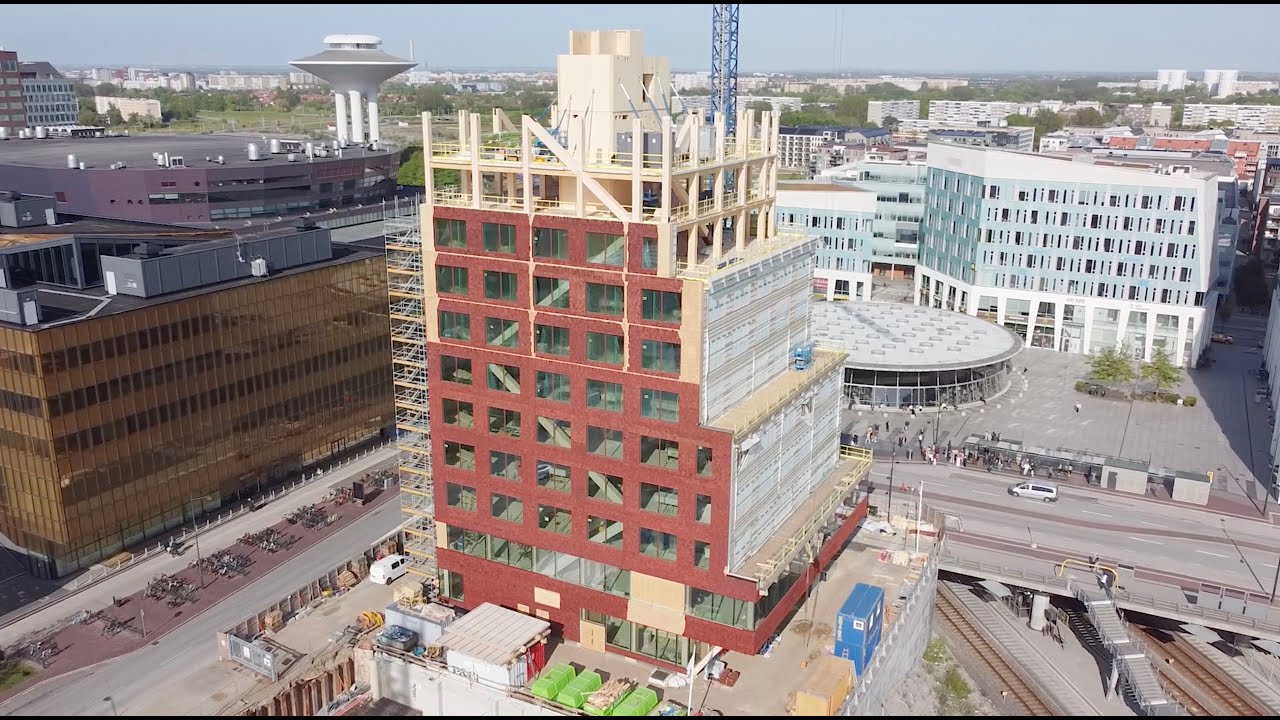
In Sweden, a 51-meter tower was built almost entirely of wood, without a concrete structural core and with solar panels integrated into the facade, using CLT and laminated beams to challenge the dominance of steel and concrete in modern buildings.
-
The section of Serra da Rocinha on BR-285 is now open in Timbé do Sul: 50 m tensioned curtains and top-down technique stabilize the slope, with a stairway duct controlling the water.

-
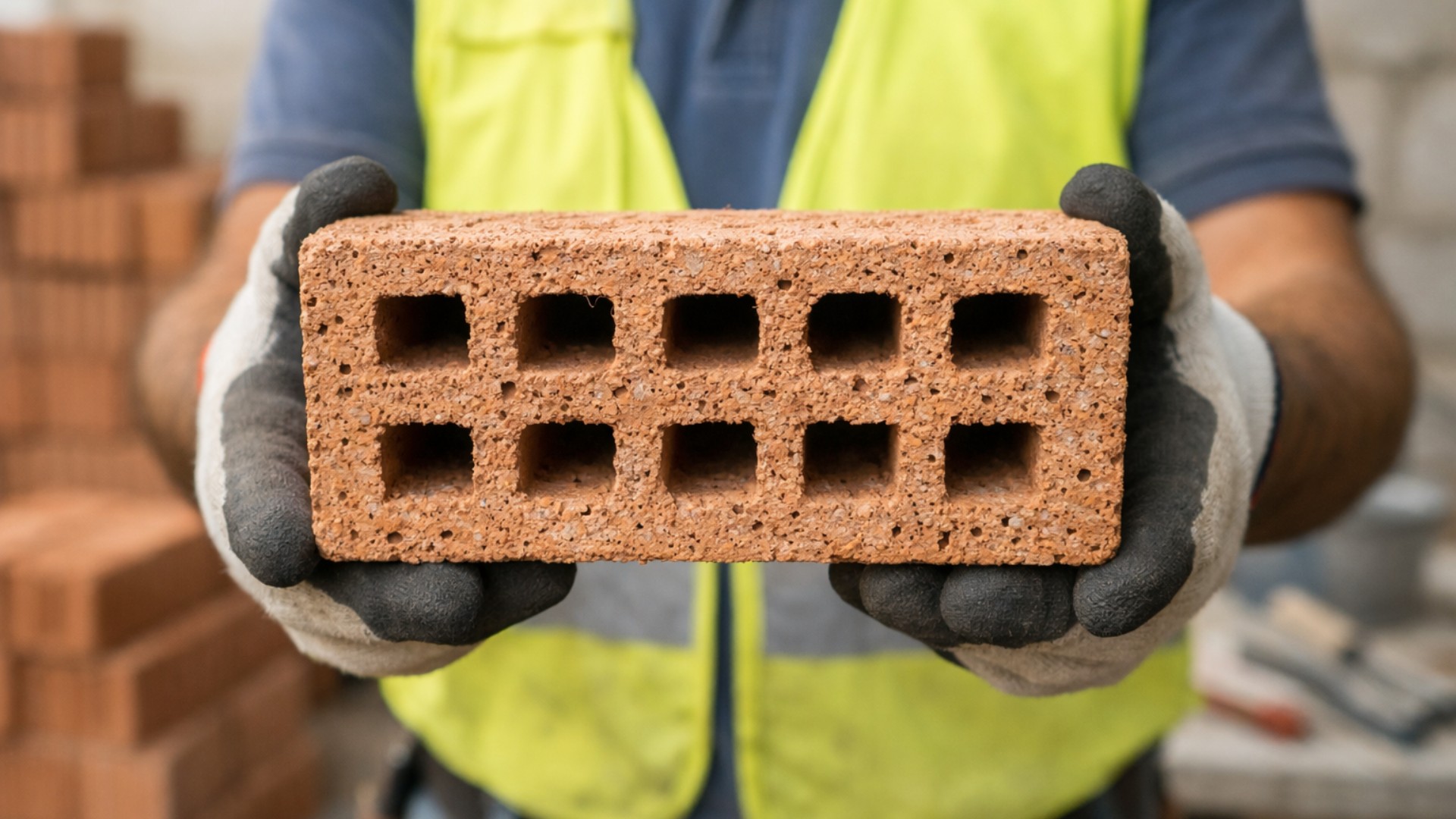
Scientists use sawdust mixed with clay to create a lighter brick, promising efficient thermal insulation and impressing by transforming waste into a solution for construction.
-
With a DNA shape, this bridge in Singapore draws attention in modern architecture and surprises tourists by transforming a simple crossing into an unforgettable visual experience in the urban heart.


Plumb Organization at the Start of Masonry
The logic presented by Wesley is based on a straightforward principle: if the first course is level, square, and properly aligned, it can serve as a reliable base for the entire wall. For this reason, the beginning of the work receives maximum attention.
The first brick needs to be positioned precisely, as any mistake at this stage tends to multiply as the masonry rises. From this point on, instead of repeating the check with each new block, the method relies on fixed guides repositioned throughout the work.
In practice, this creates a visual reference path. The bricklayer compares each brick with a taut line and with a face already plumbed by the rule, avoiding the constant use of measuring tools that typically consume time and break the rhythm of execution.
Even so, the initial adjustment is not treated as a detail. The idea reinforced in the videos is clear: agility only comes after the initial adjustment. If the beginning is out of position, the speed only accelerates the spread of the error.


Using the Rule with Mortar as a Vertical Guide
After correctly positioning the start of the wall, Wesley leans a straight rule, usually made of aluminum or wood, against the masonry. This rule is leveled with the plumb only once and, from then on, serves as a “fixed plumb”.
The central point of the technique lies in how to keep this rule stable. In the examples presented, he applies mortar directly to the rule, creating immediate adhesion and transforming the piece into a solid reference for the face of the masonry during the laying process.
Each brick placed against this guide tends to reproduce the same plane, reducing the risk of the wall “bulging” or showing lateral openings. Thus, the rule becomes more than just a temporary support and begins to guide the entire execution of that section.
Another highlighted aspect is the control of the mortar’s consistency. It needs to allow for adhesion without sliding and without drying too quickly. In specific situations, such as columns, the method includes the use of thin-layer AC3, favoring adhesion and preventing the brick from sliding when touching the rule.
Taut Line Defines the Alignment of the Courses
While the rule ensures verticality, the taut line serves as a horizontal reference. Wesley positions guide bricks at the ends of the wall and stretches a tightly pulled line between these points, defining the plane that each course should follow.
During the laying process, the checking becomes visual. The bricklayer brings the brick close to the line without the need for constant measurements, which speeds up the process and reduces unnecessary interruptions.
As the wall rises, the line is repositioned for new courses, maintaining the alignment standard across the entire surface. This system facilitates the identification of deviations during the laying process, before the error compromises the finish.
For beginners, the gain is especially educational. The alignment ceases to be just a number on the plumb and becomes a clear visual reference, noticeable at the moment of execution.
Gaining Rhythm, Standardization, and Repeatability
In the videos, the time gain appears as a direct consequence of a more continuous workflow. By reducing the pauses for repetitive measurements, the bricklayer manages to lay more pieces in sequence and maintain a steady rhythm, especially in long and repetitive sections.
The technique also contributes to the standardization of surfaces. A well-positioned rule tends to reproduce the same plane along the wall, while the taut line reduces variations between the bricks in the same course.
Together, these elements function as execution rails. The bricklayer begins to follow fixed visual references instead of reconstructing them for every piece, which fosters the method’s repeatability.
In learning, this visual aspect stands out. Instead of interpreting small variations in the plumb, the beginner directly compares the brick with the line and the rule. However, the method requires discipline, as the reference must be correct to fulfill its role.
Essential Precautions to Avoid Propagating Errors
The same logic that accelerates execution can compromise quality if basic precautions fail. As the rule acts as a fixed guide, any deviation tends to be repeated throughout the wall, making the initial check with the plumb indispensable.
Additionally, spot checks throughout the work remain necessary, especially when changing sections, gaining height, or navigating openings. These moments require extra attention to avoid accumulated deviations.
The mortar also needs to be under control. If it is too dry, it loses adhesion, and the rule may shift; if it is too wet, it increases the risk of sliding and instability. In the case of the line, constant tension is crucial, as a loose line becomes a false reference.
Another recurring point is the start of the work. As the method relies on the first adjustment, level, square, and alignment must be correct from the beginning. If there is haste at this stage, the technique does not compensate for the error; it only speeds up arriving at an unaligned result.
In the daily routine of the construction site, reducing brick-by-brick measurements relies less on tricks and more on operational consistency. With a firm reference, well-tensioned line, and checks at the right moments, execution gains rhythm without losing control. When measurement stops interrupting work and begins to visually guide each setting, how does this change the practical experience for those building a wall?









Ja fiz assim ajuda bastante mais eu quando chego no último tijolo arranco para acenta com a massa certinha e não coloca tijolo piqueno no meio e a massa não fica boa