





 Portuguese
  English
  Spanish
  6 min of reading
  0 comments



Brazil Seeks to Be a Global Reference in the Energy Transition, Showcasing Its Role as a Global Example in Clean Energy
The Brazil is preparing to host COP30, an international conference on climate change. Therefore, it aims to show the world that it is a global example in clean energy.
This commitment, highlighted by President Luiz Inácio Lula da Silva, reflects decades of efforts and, consequently, consolidates a sustainable energy matrix, balancing economic development and environmental protection.
Historically, the country has always maintained a strong relationship with natural resources and energy. Since the 1970s, Brazil has initiated pioneering programs for the use of renewable sources, such as ethanol derived from sugarcane.
-
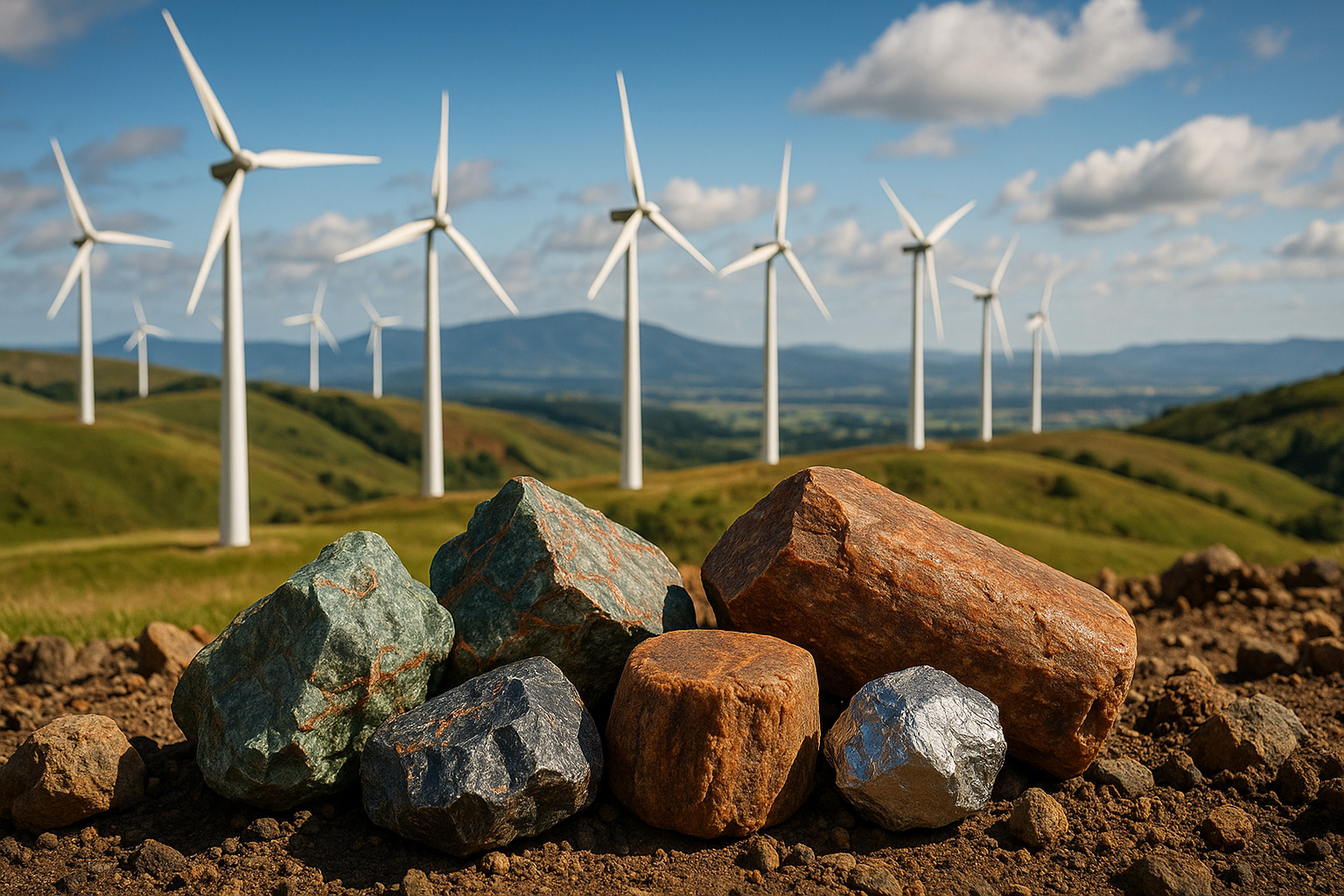
The Brazilian state accelerates industrial competitiveness with a focus on the extraction of strategic minerals to boost the energy transition in Goiás.
-
A Canadian retiree creates a hydroelectric system on a real river, generating energy continuously throughout the day and demonstrating how the power of water can supply a house with stability even in a simple structure.

-
Petrobras reaffirms its commitment to the market and ensures that it will carry out the energy transition safely to maintain national sovereignty.

-
Researchers discover a possible hydrogen deposit of up to 46 million tons beneath an ancient coal basin, and the volume could exceed half of the entire global production.

This measure emerged in response to the oil crisis. Thus, this strategy marked the beginning of a trajectory that places the country in the spotlight in the international clean energy scenario.
Ethanol, present in Brazilian gasoline in significant proportions, symbolizes how consistent policies transform challenges into opportunities for sustainability.
Moreover, over the past decades, Brazil has also developed large-scale hydropower generation projects, becoming a global reference.
The construction of plants, such as Itaipu, satisfied internal demand and, at the same time, demonstrated the country’s ability to combine energy planning and environmental responsibility.
Thus, this historical experience reinforces Brazil’s credibility as a nation capable of offering innovative and sustainable solutions.
Currently, Brazil maintains approximately 87% of its electric matrix from renewable sources, including hydropower, wind, and solar energy.
This predominance of clean energy reduces greenhouse gas emissions and reinforces the country’s image as a global reference in environmental policies.
Thus, Lula emphasizes that this leadership is not limited to numbers but also manifests in practice, showing that the country can reconcile economic growth with environmental responsibility.
Leadership by Example at COP30
Consequently, Brazil’s participation in COP30 will highlight this narrative of leadership by example.
The country wants to show the world that the energy transition is not just rhetoric but concrete action. Incentive programs for biofuel production, investments in solar and wind energy, and the preservation of tropical forests consolidate this trajectory.
Therefore, for the president, these measures show that it is possible to advance in development without compromising environmental balance.
However, Lula also recognizes the complexity of the energy transition. Brazil still depends on fossil fuels. Oil exploration plays a strategic role in the national economy.
However, Petrobras, the main company in the sector, has been seeking to adapt to this new reality. It plans to gradually transform from a fossil fuel explorer to an energy company focused on sustainability.
Thus, the country uses the resources generated by oil to finance and accelerate the transition to clean sources.
This approach reflects, therefore, a pragmatic understanding of the global energy reality. While we can imagine a future completely free of fossil fuels, global demand still relies on these sources.
In this context, Brazil proves that it is possible to reconcile responsible exploration and environmental protection. Additionally, the authorization granted by Ibama for research in the equatorial margin demonstrates how oil exploration and production can occur safely and with respect for the environment.
Petrobras leverages its technical expertise in deep waters.
Furthermore, the research and development projects in oil exploration apply techniques that minimize environmental impacts and prioritize the safety of marine ecosystems.
In this way, this experience shows that the energy transition does not require an immediate total abandonment of fossil resources, but rather their strategic and responsible use, aligning economy, technology, and the environment.
Forest Protection and Sustainable Development
In addition to the energy matrix, forest protection is also central to the country’s strategy.
The Amazon, globally recognized as one of the largest biodiversity and carbon reservoirs on the planet, plays a crucial role in the fight against climate change.
Therefore, preservation and sustainable management policies ensure that Brazil continues to be a global example in clean energy, showing that economic development and environmental protection go hand in hand.
Historically, the relationship between economy and environment has always required balance. In the past, economic development in various regions of the world harmed the environment.
On the other hand, Brazil, by prioritizing renewable energies and preservation policies, proves that it is possible to write a different story.
Moreover, the experience gained over decades of using biofuels, hydropower, and more recently, solar and wind energy, consolidates the country as a model for responsible energy transition.
Another relevant point is technological innovation. Research and development of more efficient and sustainable energy solutions maintain Brazil’s leadership.
Thus, investment in self-generation of wind energy, advanced biofuels, and new solar energy technologies allows the country to continue advancing, even in the face of global challenges.
Therefore, the capacity to innovate and adapt to the needs of a constantly changing world makes Brazil a global example in clean energy.
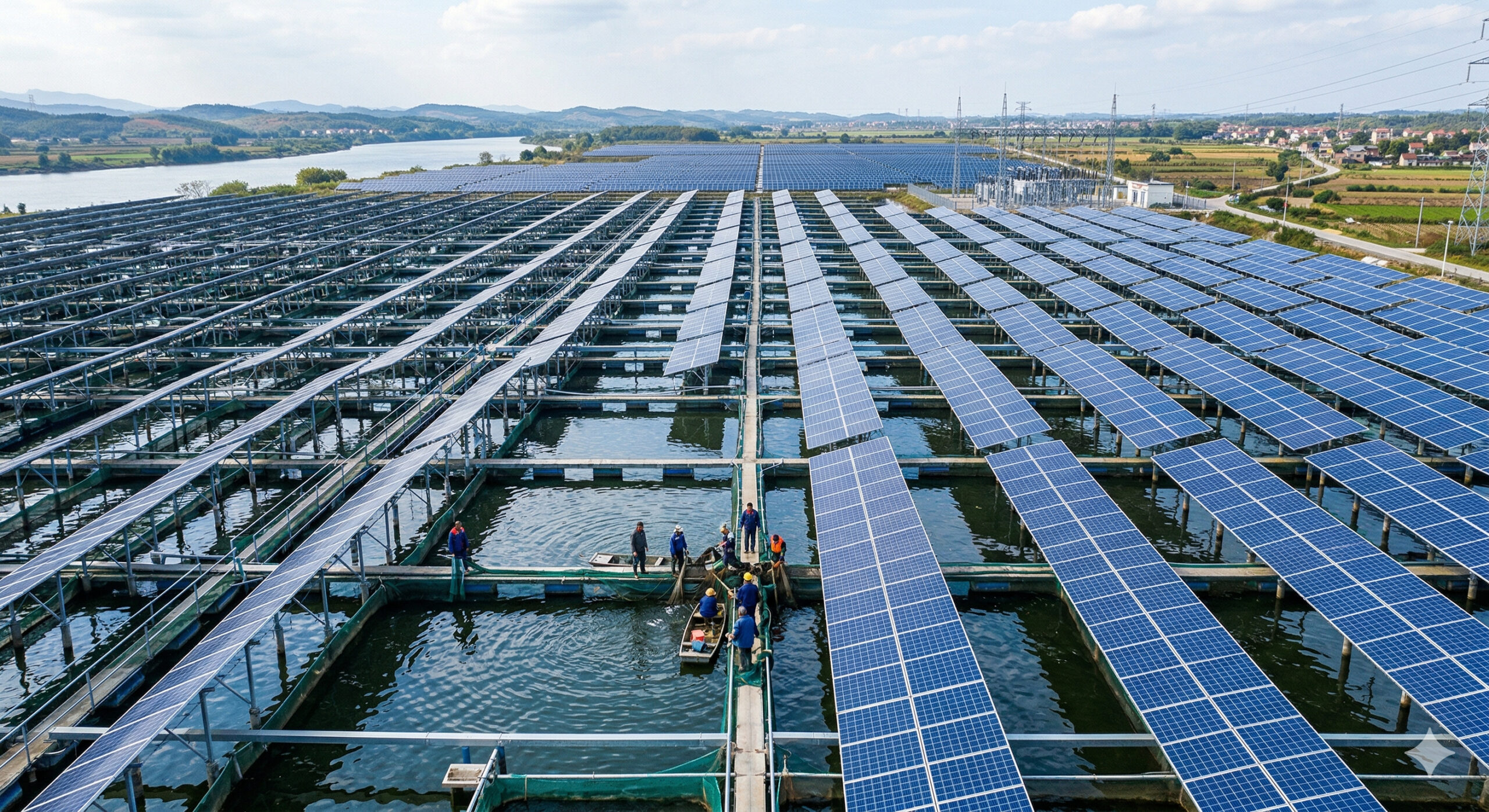
Furthermore, the expansion of solar energy in homes, industries, and urban areas strengthens energy inclusion.
Consequently, by democratizing access to clean energy, Brazil strengthens its renewable matrix. It creates economic opportunities in different sectors, generates jobs, promotes regional development, and reduces dependence on imported fossil fuels.
Social and Economic Impacts of the Energy Transition
COP30 is, therefore, more than just a conference: it is an opportunity for Brazil to consolidate its international reputation, share successful experiences, and set new goals for the future.
The leadership by example advocated by the president shows that the country not only wants to fulfill global commitments. It also seeks to inspire other nations to adopt sustainable and responsible practices.
Additionally, the energy transition brings direct benefits to the Brazilian population. The greater participation of renewable sources in the electric matrix reduces energy costs and increases the stability of the system.
Moreover, incentive programs for ethanol and biodiesel production strengthen the rural economy, generating jobs and income while reducing dependence on imported fossil fuels.
In this way, this social impact reinforces the idea that sustainability and economic development go hand in hand.
The concept of global example in clean energy also appears in governance and transparency policies.
Thus, responsible management of natural resources, rigorous environmental oversight, and the constant pursuit of energy efficiency consolidate Brazil’s credibility on the international stage.
In this way, this combination of practical action, technological innovation, and social responsibility places the country in a position of leadership in the global energy transition.
Moreover, education and environmental awareness play a crucial role.
Training programs in renewable energies and environmental education projects ensure that the next generations understand the importance of sustainability, strengthening the message that Brazil is a global example in clean energy.
Brazil as an International Reference
In summary, Brazil arrives at COP30 with a historical trajectory of pioneering in renewable energies and environmental protection.
Therefore, the message is clear: the country not only fulfills environmental commitments but leads by example, showing that it is possible to grow economically while preserving the environment.
Thus, the commitment to innovation, responsible use of natural resources, and forest protection reinforces Brazil as a true global example in clean energy, capable of inspiring other nations to follow a path of sustainable development.






Seja o primeiro a reagir!