





 Portuguese
  English
  Spanish
  4 min of reading
  0 comments


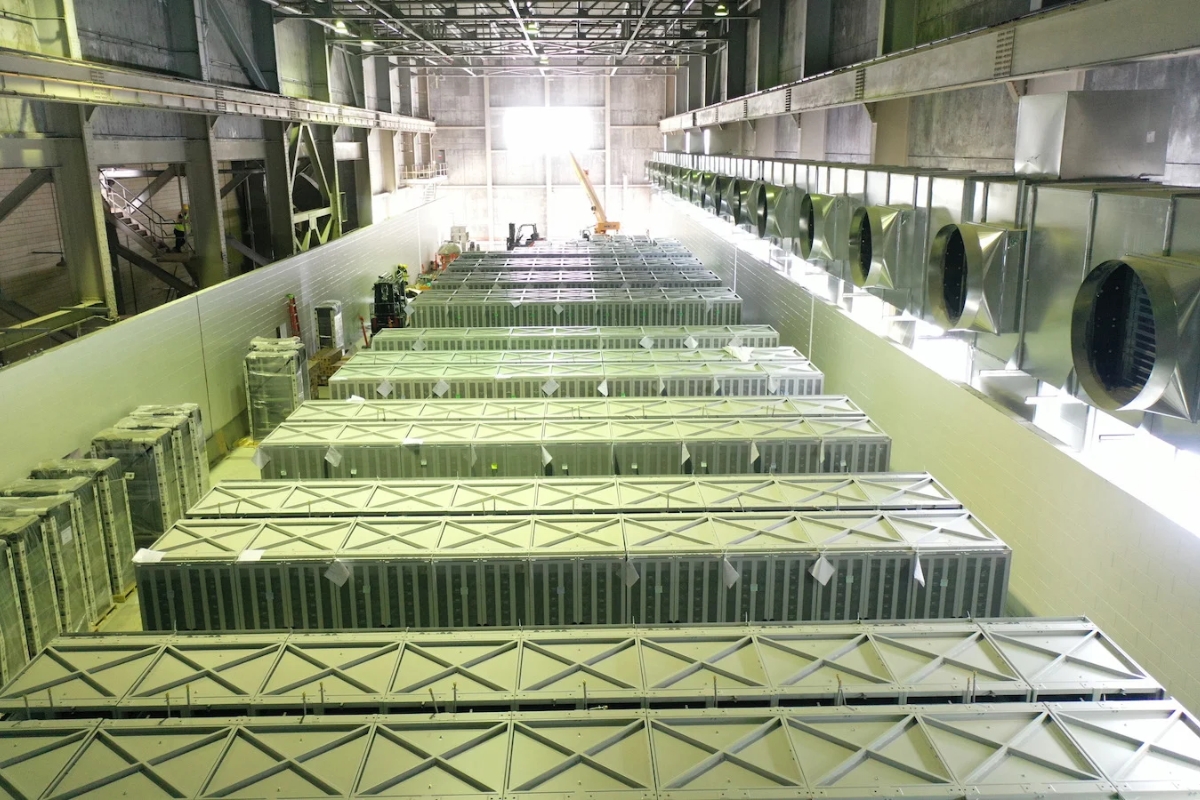
Installed In Moss Landing, In Monterey County, The 3,000 MWh System Stores Energy And Returns It To The Grid At Night Peak, When Solar Drops
California has put into operation one of the largest energy storage facilities on the planet. The Moss Landing Energy Storage Facility has reached a capacity of 750 MW and 3,000 MWh, which is equivalent to 3 GWh of stored energy.
The complex is located in Moss Landing, in Monterey County, near the Moss Landing Power Plant, and has been operating as an energy grid reinforcement during critical moments. The most visible use occurs at the end of the day when solar generation declines rapidly and demand remains high.
In 2024, battery discharge during the tightest hours of the system gained prominence in the state’s operation, precisely because it sustains the nighttime peak and reduces pressure on the grid.
-
Elon Musk focused on Brazil and lowered the price of Starlink, his internet service, but the question remains: is it worth it? An expert provides a detailed analysis of the internet that promises to connect any part of Brazil.

-
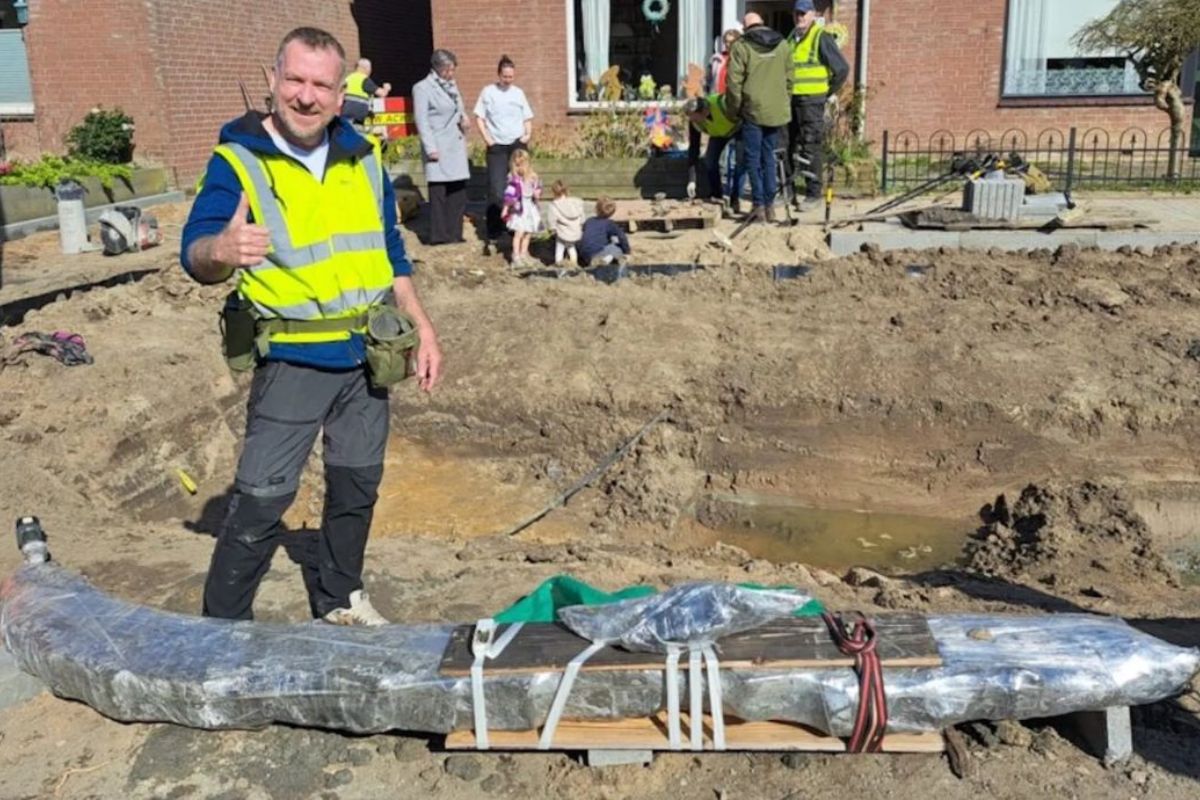
Workers were performing maintenance on the sewage system when they found a 3.2-meter beam that may be part of a 1,300-year-old Viking ship buried under the pipes since the medieval period in Europe.
-
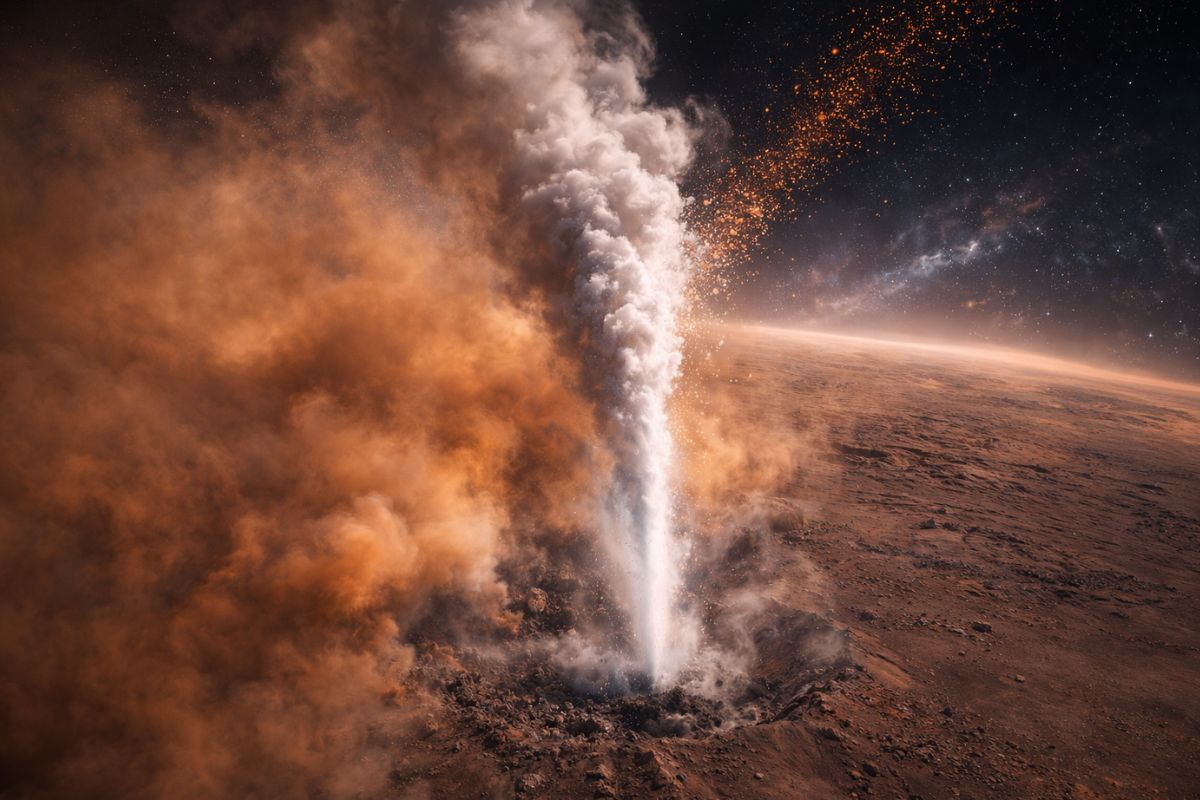
Scientists caught a water vapor explosion on Mars exactly when it shouldn’t have happened: an unexpected dust storm launched the water to an altitude of 80 kilometers and accelerated the escape of hydrogen into space by 2.5 times.
-
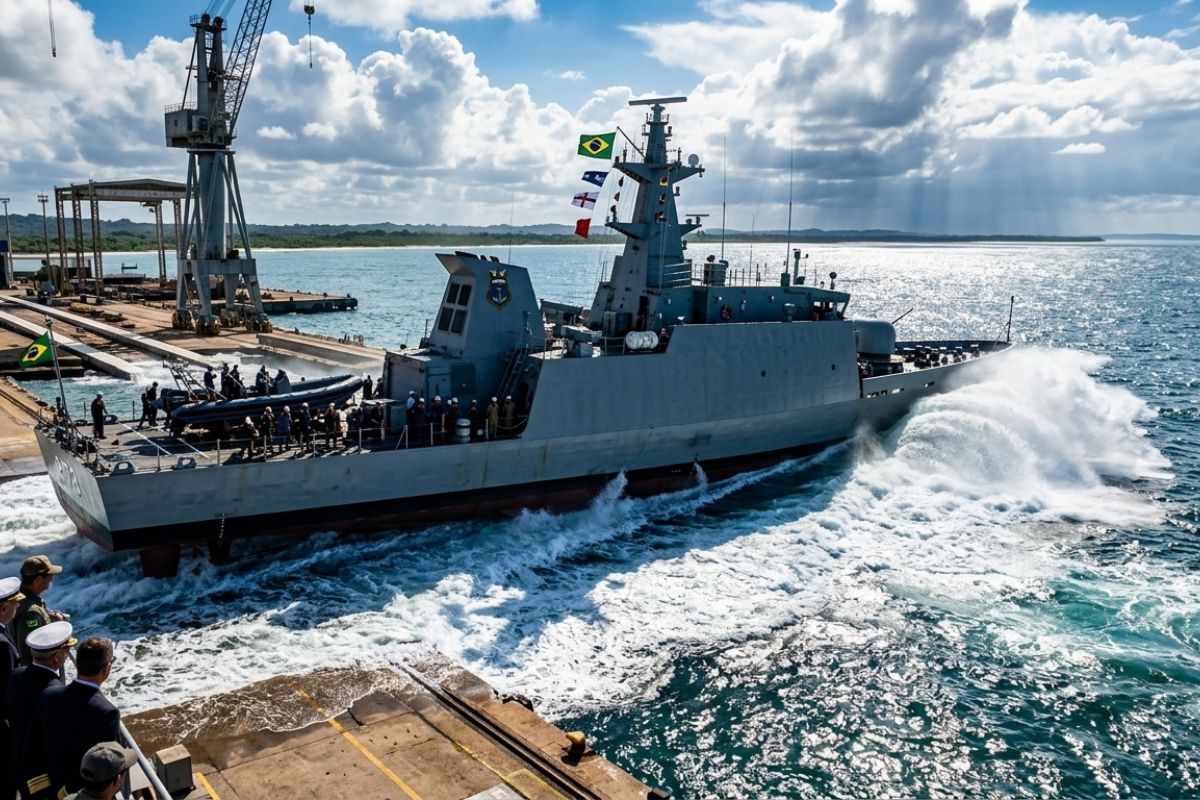
The Brazilian Navy launched the NPa Mangaratiba (P-73) on April 27: a 54.2 m Macaé-class patrol vessel, with 43 crew members, 6 days of autonomy, and a range of 4,000 km to monitor the entire Blue Amazon.

What Is The Moss Landing Energy Storage Facility And Where Is It Located
The facility is known as the Moss Landing Energy Storage Facility and is owned by Vistra. The site is part of the Moss Landing Power Plant complex, a strategic point on the California coast, in the Monterey Bay area.
The scale is noteworthy because it is not just a backup battery. The system was designed to store energy in large volumes and return it to the grid when consumption tightens, particularly at night.
The total capacity of 750 MW and 3,000 MWh was achieved with an expansion completed in 2023, when the final phase added 350 MW and 1,400 MWh.
How The Numbers 750 MW And 3,000 MWh Change The Game In Practice

Power and energy are two different keys. 750 MW indicates the force with which the battery can deliver electricity at that moment. 3,000 MWh shows how long the delivery can be sustained before the supply runs out.
This combination allows acting as a buffer during peak stress hours. The battery engages quickly, sustains the supply, and helps bridge the gap when solar drops, but residential and commercial consumption remains strong.
The practical effect is to hold the nighttime peak with already stored energy, reducing the need for emergency responses. This enhances system stability and decreases the risk of outages when the grid operates at its limit.
Who Operates, How It Was Built, And What Is Known About The Technology Used
The operation of the system is managed by Vistra, a Texas-based company that controls a significant part of the Moss Landing complex. The installation went through phases, leveraging existing structures on-site and expanding capacity until reaching 750 MW and 3,000 MWh.
There is a record of using cells and supply associated with LG Energy Solution in phases of the project, indicating a typical manufacturing chain for large stationary lithium-ion systems.
The site houses more than one storage facility, with neighboring projects operated by other companies, which reinforces the strategic importance of this area for the regional electrical system.
Why The End-Of-Day Peak Became The Main Target For Batteries In California In 2024
The central problem is temporal. Solar generation tends to be high during the day but drops quickly in the late afternoon. Demand, on the other hand, remains high, creating a period of greater stress for the grid.
Large batteries became a direct tool to cross this supply gap. In 2024, discharging during these critical hours gained prominence for sustaining reliability when the grid needs a quick response and continuous energy for longer.
The logic is simple: store energy when there is surplus and release it when the grid tightens. With 3 GWh, the volume elevates the support level, because the system ceases to be complementary and begins to influence daily operations.
Points Of Attention After The Fire On January 16, 2025

The scale also exposed risks. On January 16, 2025, a fire affected part of the facility in Moss Landing, causing evacuations and raising concerns about smoke and operational safety.
The difficulty in combating such cases is often linked to the behavior of lithium-ion batteries during thermal failures, with a risk of propagation within the set. The situation underscored that giant storage requires strict protocols and prepared responses.
After the event, there was federal oversight and environmental supervision actions on-site, along with public updates on the progress of activities.
The Moss Landing Energy Storage Facility demonstrates how grid-scale storage has become a real pillar in California. The combination of 3 GWh, 3,000 MWh, and 750 MW allows for securing the nighttime peak and relieving the most critical part of the day, especially in 2024.
The challenge is to maintain the balance between reliability and safety. The same scale that strengthens the grid increases the need for control, maintenance, and robust protocols, because any incident ceases to be local and begins to affect public perception and the pace of expansion.





-

Uma pessoa reagiu a isso.