





 Portuguese
  English
  Spanish
 4 min of reading
  0 comments


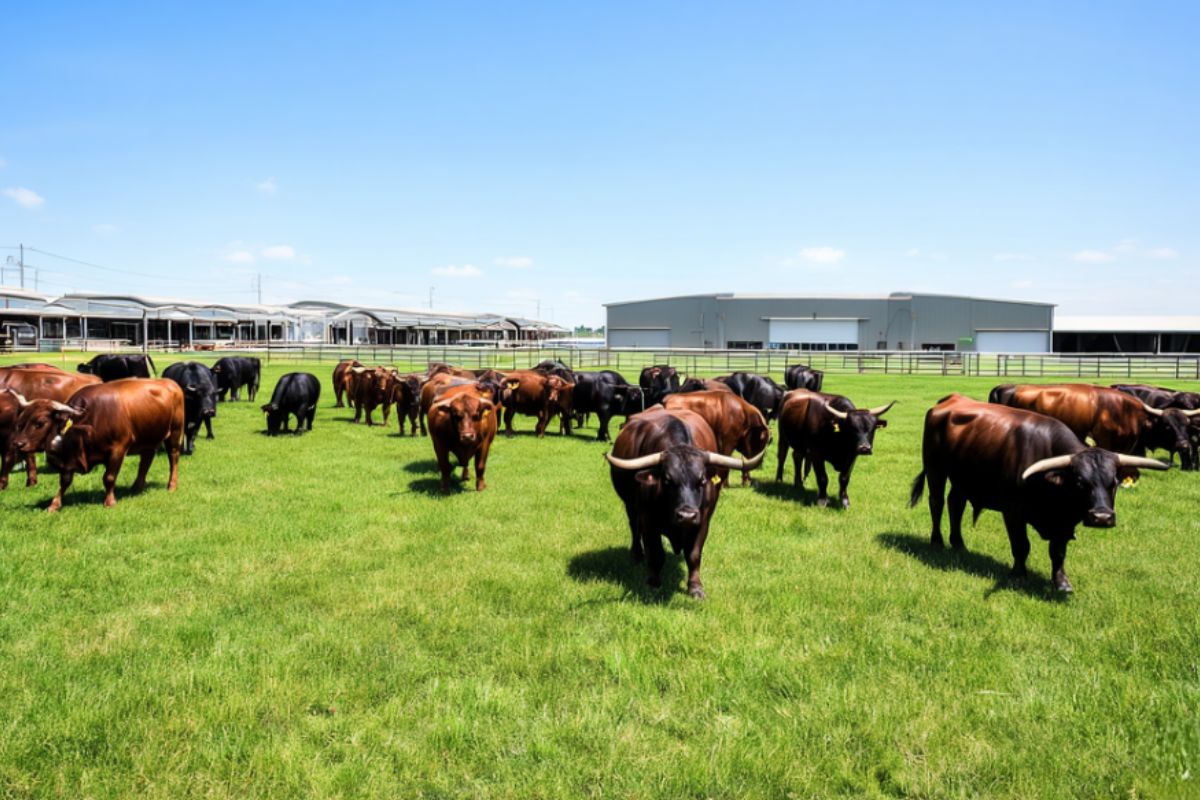
Cattle Slaughter in Brazil Is Expected to Reach 40.8 Million Heads in 2025, According to Datagro. The Increase of Almost 3% Is Driven by Exports, but 2026 Brings a Projection of Decline. Internal Consumption Weakens, and Cattle Farmers Need to Assess Impacts
Cattle slaughter in Brazil is gaining prominence in projections for the coming years and promises to significantly impact livestock and the meat market. According to the consultancy Datagro, 2025 is expected to mark a historic number of slaughtered animals in the country.
This growth primarily comes from international demand, as Brazilian beef continues to be highly sought after abroad. However, the same forecast also brings a warning: the cycle may change soon after, with a decline the following year, according to a report published by the Portal do Agronegócio.
This dynamic shows how the sector operates in waves, where the supply of animals, the pace of exports, and domestic consumption need to be in balance.
-
Airfare prices may rise with increasing fuel costs, and the government is considering urgent measures to avoid a direct impact on the wallets of Brazilians.
-
Chocolate prices soar nearly 15% and become a luxury item for Easter 2026, with increases surpassing inflation and changes in Brazilian consumption habits.

-
The Federal Revenue issues a good alert for Brazilian taxpayers: 60.9% are already using the pre-filled tax return, automatic refunds via Pix reach millions, and the government plans for a fully automated income tax in the coming years.

-
India announces a plan of $3.06 billion to bring aviation to forgotten regions: 100 new airports, $1.07 billion in subsidies, and regional routes guaranteed for 10 years, from 2026 to 2036, away from the centers.

Those who follow the market or simply have an interest in understanding how food reaches the table find a story of highs and lows that deserves attention.
Exports Drive Records
Cattle slaughter in Brazil is expected to exceed 40.8 million heads in 2025. This represents a growth of 2.9% compared to 2024, according to Datagro’s estimates.
This advance does not happen by accident: it is driven by strong exports, which continue at an accelerated pace.
Analyst Guilherme Jank from the consultancy explained that this movement is directly linked to the increased slaughter of females. This detail is important because reducing the number of breeding stock may jeopardize future production.
Nevertheless, international shipments are expected to set records in 2025, reflecting external buyers’ confidence in Brazilian beef.
The projection shows that exports may grow by 7.7% next year compared to 2024. Thus, nearly 37.1% of the beef produced in Brazil is expected to go abroad, compared to 34.6% already anticipated for 2024.
This weight of the external market reinforces Brazil’s role as one of the largest suppliers of animal protein on the planet.
What to Expect in 2026
Despite the encouraging results for 2025, cattle slaughter in Brazil is expected to change direction shortly thereafter. The same Datagro forecasts a contraction of over 9% in 2026, which would bring the total to around 37.1 million heads.
This decline comes after a strong growth phase that had been occurring since 2023.
Between 2023 and 2024, for example, slaughter advanced 16.4%, reaching nearly 39.7 million animals. This escalation indicates that the sector has undergone a period of high activity, but like any cycle, the moment for adjustment arrives.
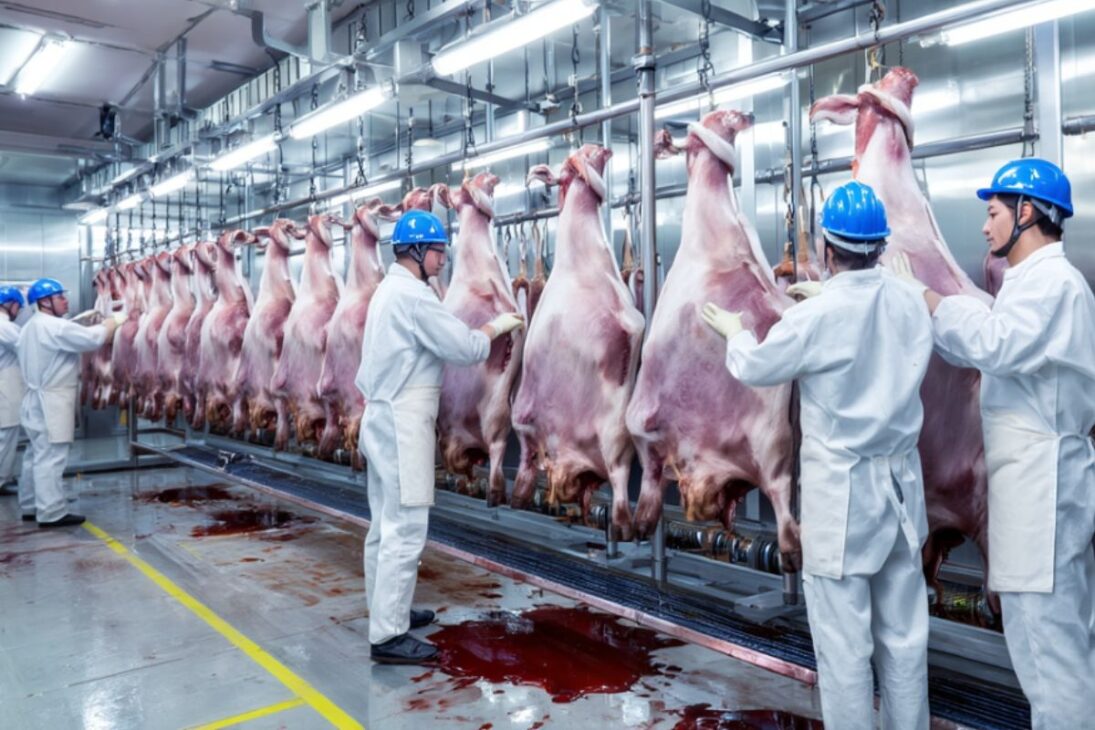
The expected reduction for 2026 is linked to a lower availability of animals, as a consequence of the accelerated use of females the previous year.
This movement is not just a number: it directly affects cattle farmers, who need to prepare to cope with reduced supply in the future. This involves planning, both to maintain production and to ensure sustainability within the cattle activity.
Internal Consumption Declining
Another important point in the forecasts is the behavior of consumption within the country. Even with the records for 2025, cattle slaughter in Brazil is not accompanied by an increase in domestic consumption. On the contrary, the expectation is for a contraction.
According to Datagro, domestic consumption is expected to drop by 3.9% in 2025 compared to 2024. The projection is that the decline will continue in 2026, reaching 9.4%.
This decrease indicates that, while the international market gains strength, the Brazilian market tends to reduce its share of the total produced.
This has direct repercussions. Lower domestic consumption means that a larger portion of production relies on foreign buyers, which can leave the sector more exposed to fluctuations in the global economy and negotiations with importing countries.
Additionally, the decline in consumption may be linked to higher prices, as the supply for the domestic market becomes more limited.
Impacts for Cattle Farmers
The projected numbers show that cattle slaughter in Brazil brings not only opportunities but also challenges for cattle farmers. Strong external demand helps maintain the pace of shipments and can yield good results for those in the sector.
On the other hand, the increase in the slaughter of females may create difficulties later on, with fewer animals available for replenishment.
This combination of factors requires planning. For producers, it means thinking beyond the short term, balancing immediate gains with the need to ensure continuity in production.
For the market, the challenge is to maintain a flow that caters to both exports and domestic consumption, without one side being excessively harmed.
At the same time, Datagro highlights that the movements in the coming years reinforce the importance of Brazilian livestock in the global scenario. Even in light of the expected contraction in 2026, the country maintains a prominent position and continues as one of the major suppliers of beef in the world.








Seja o primeiro a reagir!