





 Portuguese
  English
  Spanish
  4 min of reading
  0 comments


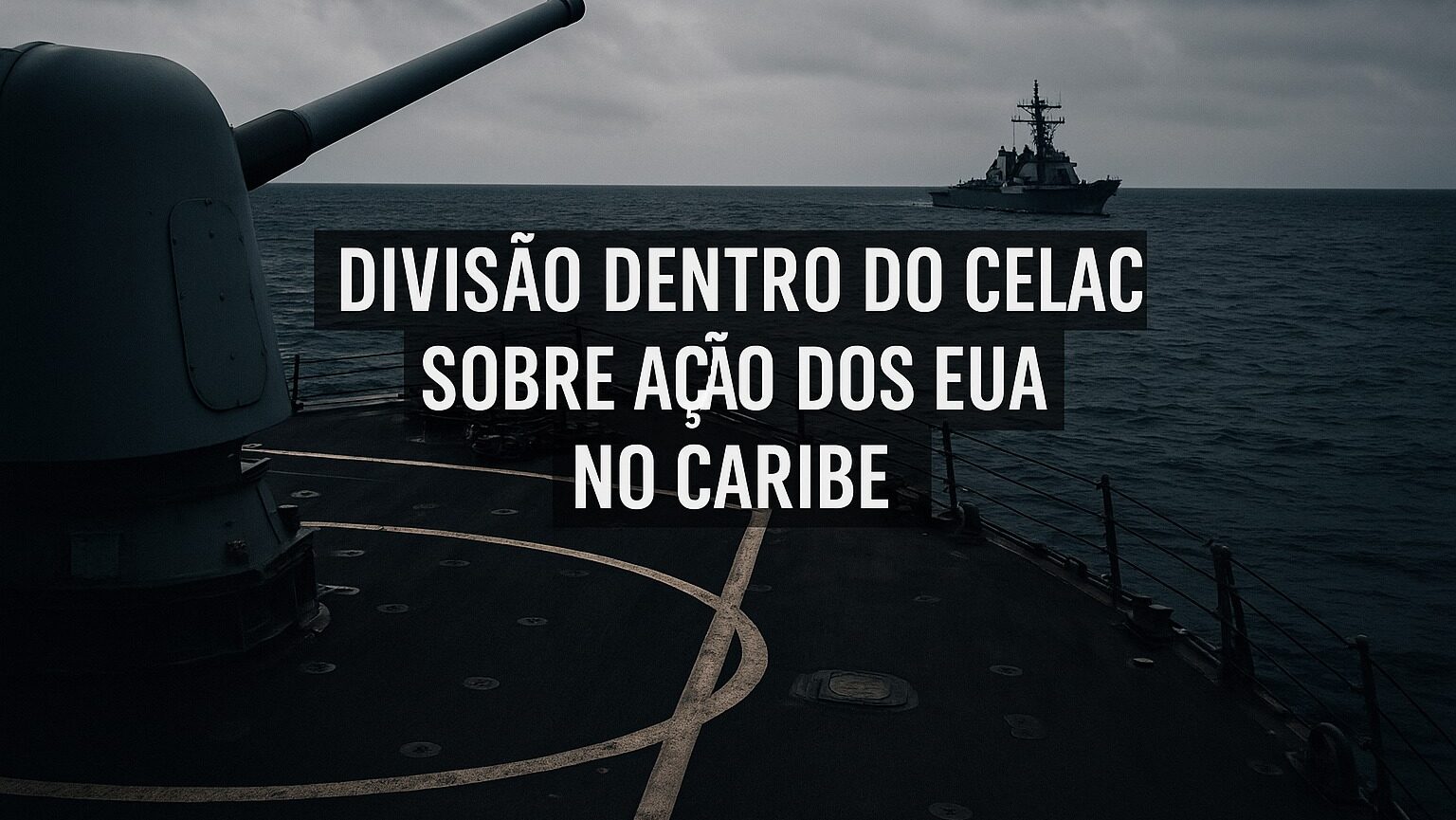
Celac Issues Statement on U.S. Military Movements in the Caribbean, but Divisions Among Latin American Countries Reveal Fragility of Regional Consensus Amid Crisis
The Community of Latin American and Caribbean States (Celac) issued a statement that exposed internal divisions in the region amid increasing military tension between the United States and Venezuela. Most countries, including Brazil, Mexico, and Colombia, expressed “deep concern” about the “extra-regional” military movements in the Caribbean, referring to the deployment of American ships, submarines, and troops to the Venezuelan coast.
Argentina, Ecuador, Peru, and Paraguay refused to sign the statement.
According to the text, Latin America and the Caribbean form a Zone of Peace, a concept based on the abolition of the threat or use of force, peaceful resolution of controversies, and respect for sovereignty and territorial integrity.
-
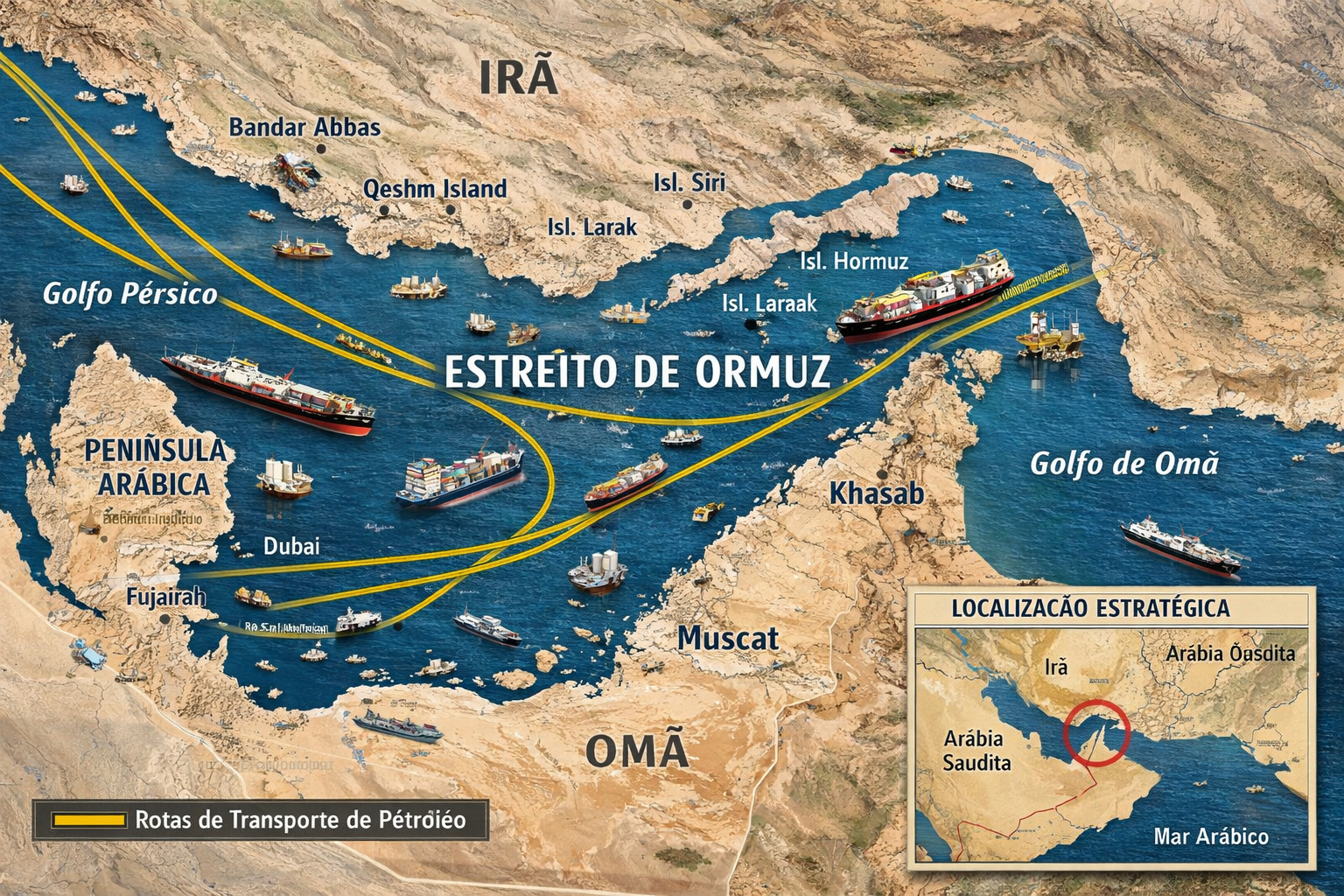
Global summit with over 40 countries pressures Iran for a blockade in the Strait of Hormuz and warns of direct impact on oil, food, and the global economy.
-
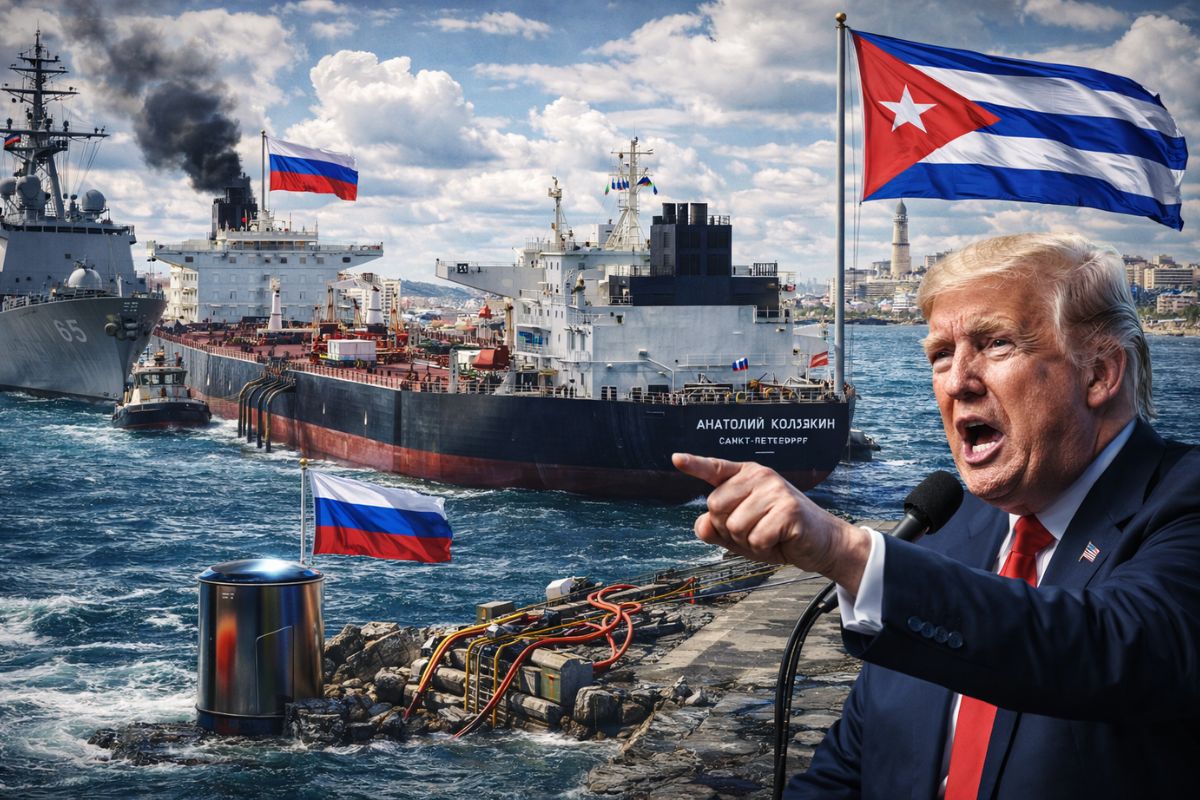
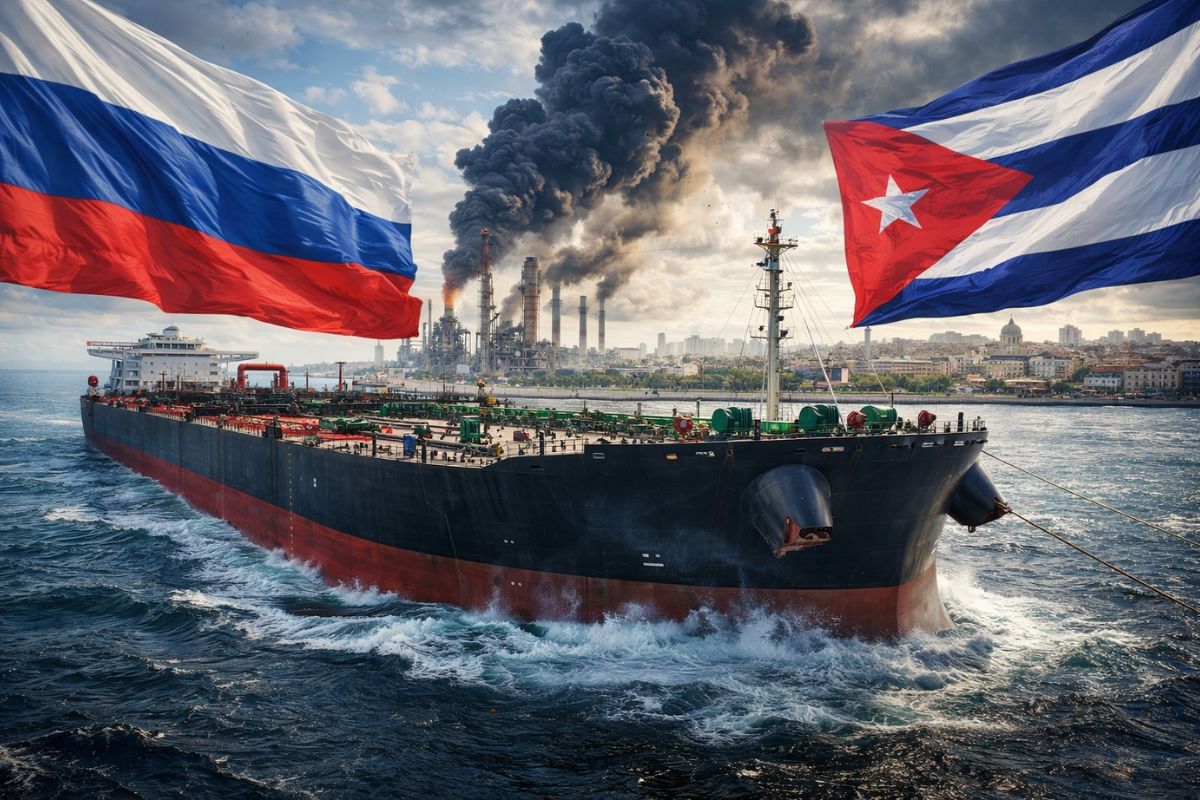
Russia has broken the U.S. maritime blockade to send oil to Cuba and is now loading a second ship while Trump says that “Cuba is next” in a possible military action against the island.
-
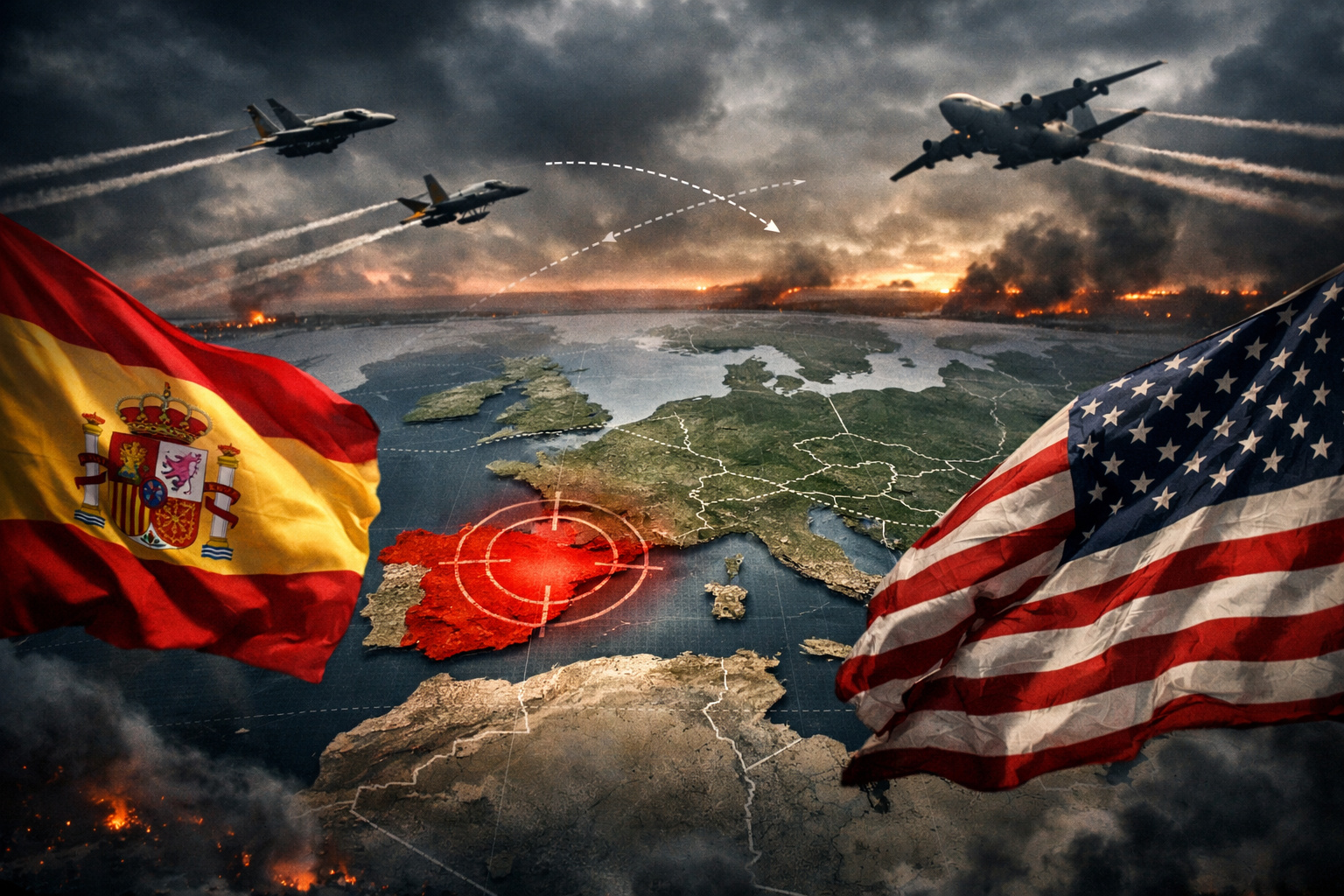
Spain challenges the USA and closes its airspace for operations against Iran, raising global tension and provoking the threat of a trade rupture.
-
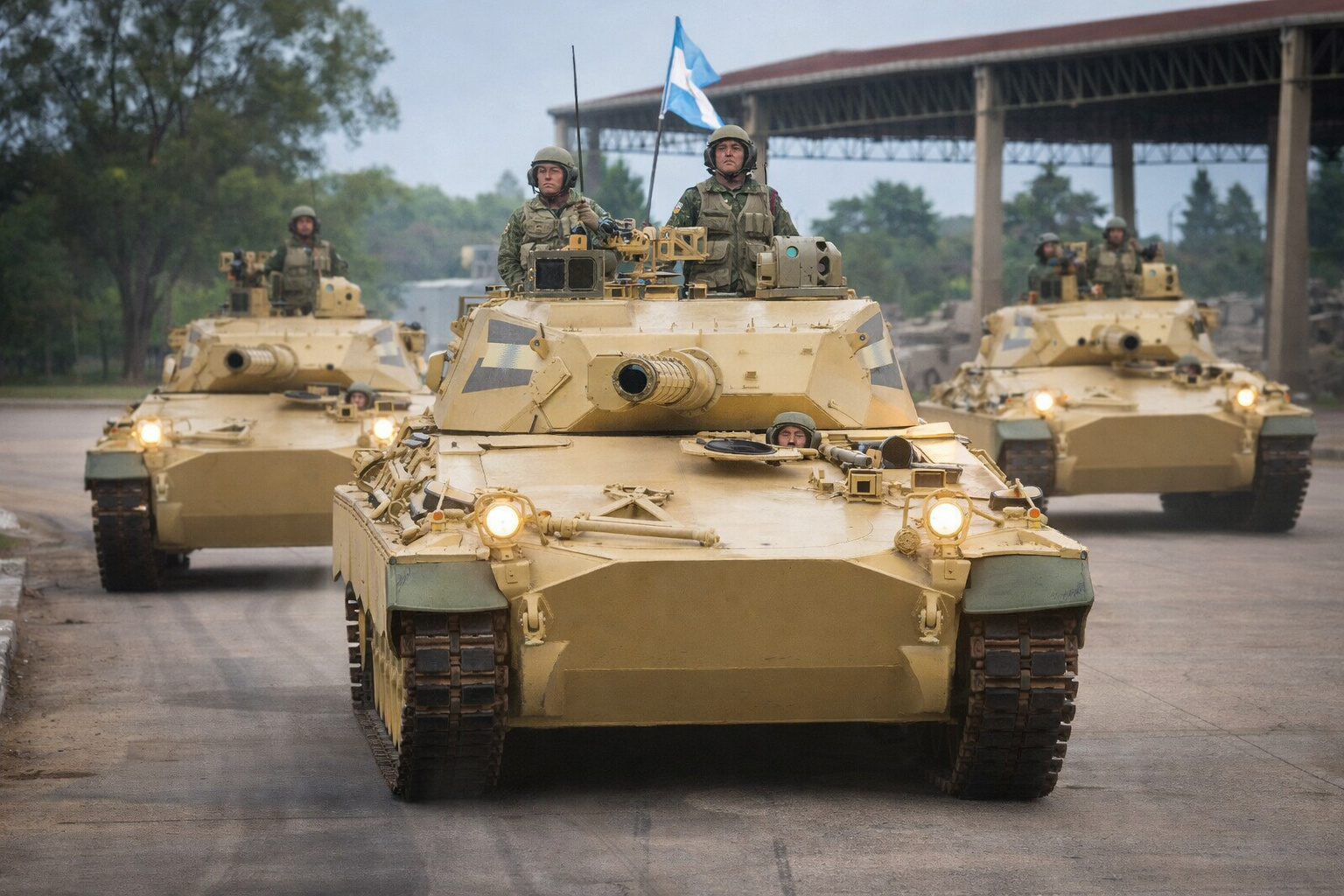
While no other country manufactures tanks in Latin America, Argentina activates the TAM 2C-A2 and raises a curiosity about the technological lag in the region.

“It is recalled that Latin America and the Caribbean were proclaimed as a Zone of Peace, a commitment adopted by all member States and supported by principles such as: the abolition of the threat or use of force, the peaceful resolution of disputes, the promotion of dialogue and multilateralism, and the unrestricted respect for sovereignty and territorial integrity,” the document states.
Who Signed and Who Was Left Out
The statement was signed by countries such as Brazil, Mexico, Colombia, Bolivia, Chile, Suriname, Uruguay, and Venezuela. Honduras, Guatemala, Belize, and Nicaragua also signed, along with Caribbean nations like the Dominican Republic, Cuba, Barbados, Antigua and Barbuda, Grenada, Saint Kitts and Nevis, Saint Lucia, Saint Vincent and the Grenadines, and Dominica.
On the other hand, Argentina, Ecuador, Paraguay, Peru, Costa Rica, El Salvador, Guyana, Jamaica, and Trinidad and Tobago were left out. The President of Colombia, Gustavo Petro, the current leader of Celac, stated that this minority of countries opposed the statement.
Increasing Tension in the Caribbean
The publication occurred amid rising tensions between Washington and Caracas. The Donald Trump administration deployed ships and a submarine to the Venezuelan coast under the pretext of combating drugs. At the same time, it accused Nicolás Maduro of running a drug cartel.
Maduro rejected the accusations, stating that the U.S. only wants to promote a “regime change” in the country, which holds the largest oil reserves in the world.
Experts consulted by Agência Brasil rejected the label of “narco-state” used by the Trump administration.
New Episodes
The Pentagon accused Venezuela of flying military aircraft near an American ship in international waters.
According to the U.S., the maneuver aimed to interfere with “anti-narcoterrorism” operations. Caracas did not comment on the incident.
Subsequently, international agencies reported that the U.S. sent 10 F-35 jets to Puerto Rico. Reuters stated that the objective was to reinforce operations against drug cartels in the Caribbean.
Trump also released a video of an attack on a boat allegedly carrying drugs near Venezuela, which supposedly resulted in 11 deaths.
The Maduro government reacted and accused the U.S. of using artificial intelligence to forge the images.
Internal Mobilization in Venezuela
Meanwhile, the Maduro government initiated the call for civilians to join the Bolivarian Militias. According to Caracas, 8 million people would be part of the auxiliary force of the Army.
Maduro announced the activation of community units throughout the national territory. He explained that each community will have a popular base dedicated to comprehensive defense.
Defense of Regional Peace
In Celac’s statement, the countries that signed emphasized that fighting organized crime should occur through regional cooperation and respect for International Law.
They also reminded that the region is protected by the Tlatelolco Treaty, which prohibits nuclear weapons. The text reinforces that the treaty reflects the peoples’ vocation for peace and the definitive abandonment of this type of armament.
Visit of Marco Rubio
The tensions grew even more with the visit of U.S. Secretary of State Marco Rubio to Mexico and Ecuador.
During the tour, he again criticized Maduro and dismissed a UN report that downplayed Venezuela’s role in the global drug trade.
“I don’t care what the UN says. Maduro has been convicted of drug trafficking in the U.S. and is a fugitive from American justice,” Rubio stated in Ecuador.
The Venezuelan Chancellor, Yván Gil, responded by accusing Rubio of denying evidence and sowing hate. He stated that the country effectively combats drug trafficking.
Gil also mocked the U.S. partnership with Ecuador. According to him, Daniel Noboa, the Ecuadorian president, is the heir to an exporting banana empire associated with cocaine smuggling to the U.S. and Europe.
Cross Accusations
Venezuela has been associating the Noboa family with trafficking due to cocaine seizures in banana shipments.
The Ecuadorian police estimate that 70% of the smuggled drugs leave hidden in this type of export.
For his part, Noboa launched a “hardline” program against crime and supports U.S. naval operations near Venezuela.
The dispute in the Caribbean, therefore, involves not only strategic interests of the U.S. and Venezuela but also exposes internal divisions in Celac, where part of the countries aligned with the defense of Maduro, while another part avoided signing the statement, revealing the fragility of regional consensus.
With information from Agência Brasil.








-

Uma pessoa reagiu a isso.