





 Portuguese
  English
  Spanish
  4 min of reading
  0 comments


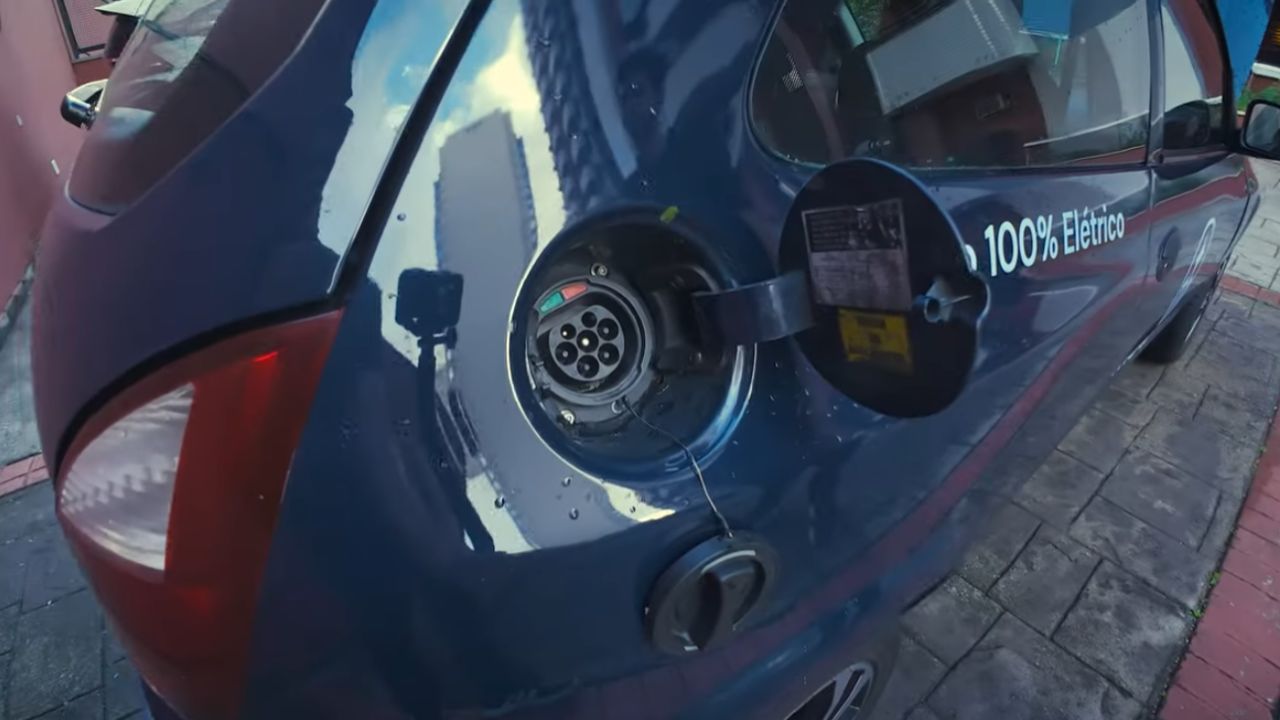
The Celta Becomes 100% Electric in a Retrofit Project That Replaces the Combustion Engine with a 70 hp and 22 kgfm Electric Motor, Uses a 14 kWh Battery, and Aims for Clean Mobility as a Laboratory in Brazil
The Celta Becomes 100% Electric in a retrofit project that stands out for its complete package: a 14 kWh battery, an estimated range of up to 150 km in urban use, and a powertrain that delivers up to 70 hp and 22 kgfm. It is not a factory electric car, but a Celta converted to test technology and prove concept.
The conversion, however, is neither “cheap” nor simple. The project itself acknowledges that the cost can reach around R$ 100 thousand, which brings the retrofit closer to enthusiasts and fleets than to common individual use. Still, the case of the Celta becoming 100% electric helps answer real questions about electrification: what changes when driving, what can be reused, and where the limitations lie.
What it Means in Practice for the Celta to Become 100% Electric

The first change is obvious when the car is started. The procedure still uses a key, but the behavior is typical of an electric: without the characteristic noise of the combustion engine, with immediate throttle response.
-
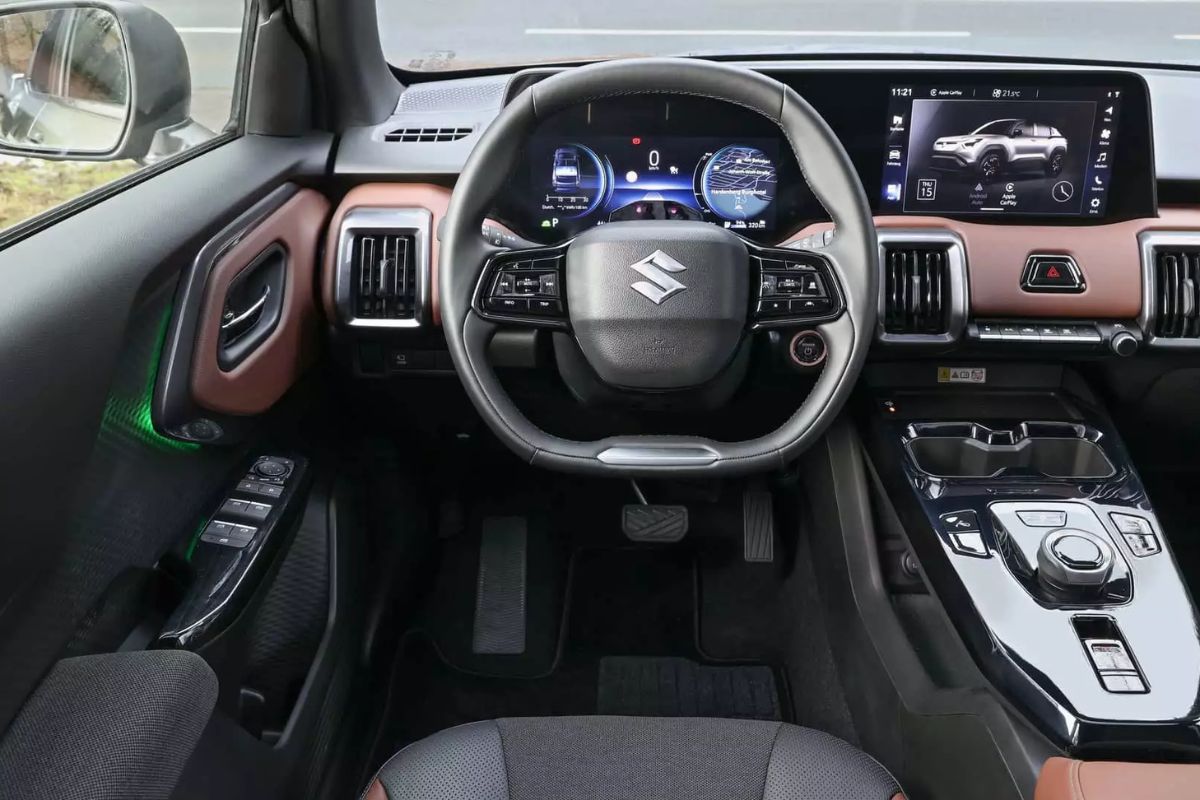
The 2026 electric Vitara arrives in Brazil and proves that Suzuki is not leaving: 4×4 traction, 184 hp, 61 kWh LFP battery, 293 km range, R$ 259,000, and a trunk capacity of 224 L.
-
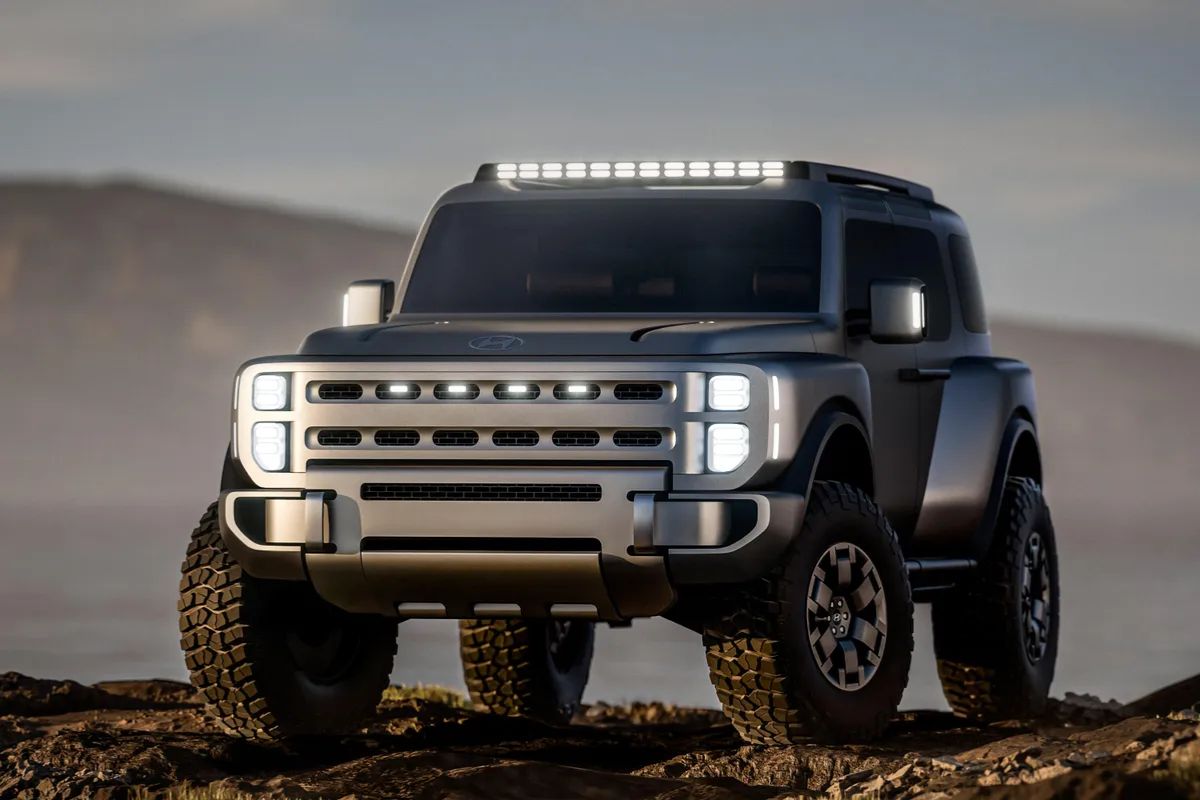
Hyundai has unveiled the Boulder, a square SUV with a body-on-frame design, 37-inch mud tires, and carriage-style doors that seems to be made to take on the Ford Bronco and the Scout Traveller in the United States.
-
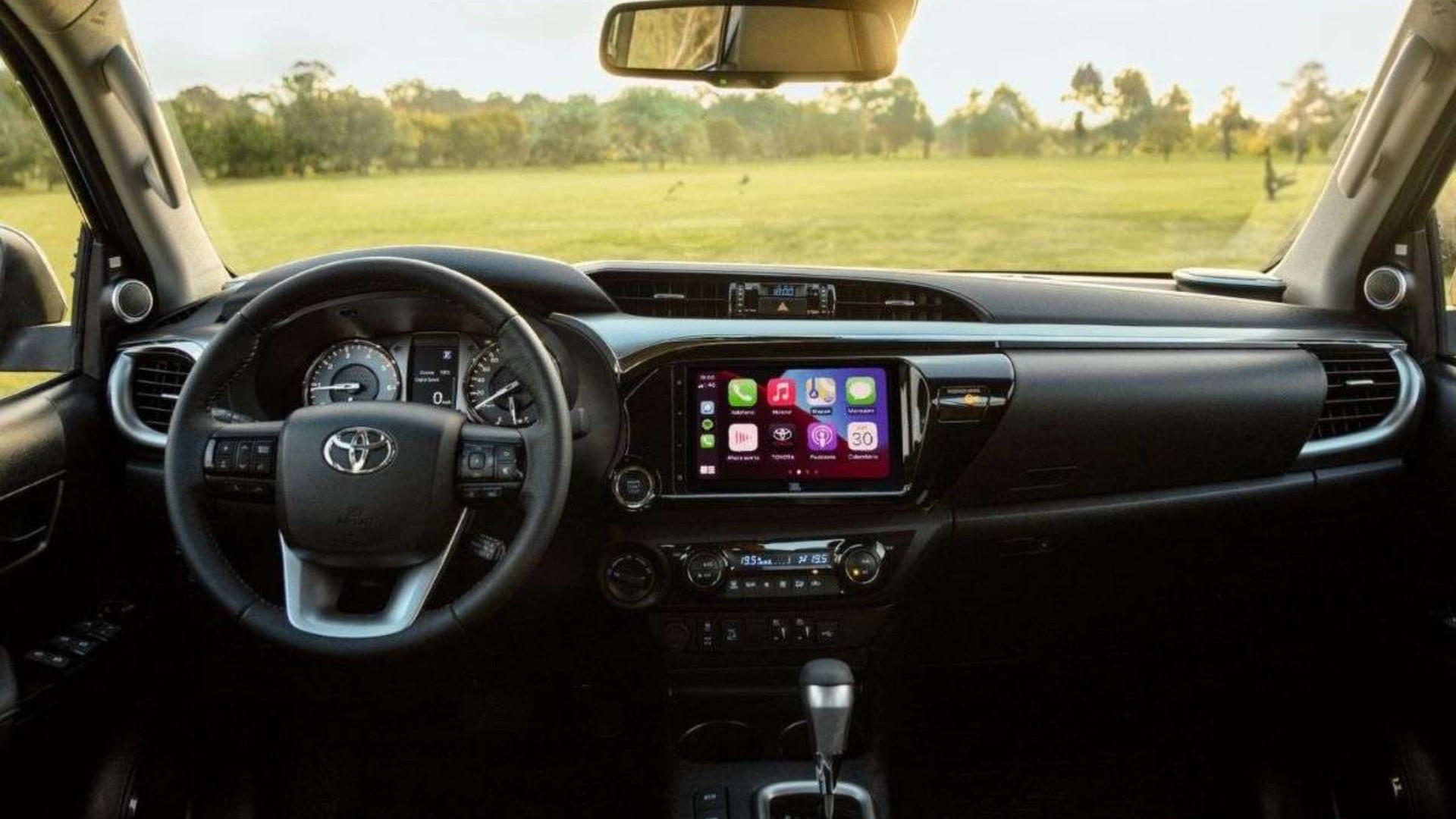
The Toyota Hilux is R$ 75.5 thousand cheaper and bets on the 2.8 turbodiesel engine with up to 204 hp and 50.9 kgfm to catch up with the VW Saveiro, which leads with 4,472 sales.
-
The new Renault Koleos has a screen exclusively for the passenger that is invisible to the driver, heated rear seats, and 29 assistance systems, but its Chinese competitors cost R$ 40,000 less and deliver more power.

The project describes the car as a laboratory. In other words, it exists not only to “drive” but to test different solutions and component evolutions over time, using the same vehicle as a base.
14 kWh Battery and Urban Range of Up to 150 km
The central point of the setup is the battery. The project uses a 14 kWh battery, with six modules that add up to this total capacity, and a range indicated from 120 to 150 km in the city, depending on usage.
The premise presented is pragmatic: in the city, many people do not need huge batteries, as this means carrying weight all the time and increasing the project’s cost. In this context, the Celta becomes 100% electric with a battery considered sufficient for urban routine, focusing on efficiency per kilometer.
Electric Motor, Inverter, and Why There is Extra Space in the Engine Bay


When the hood is opened, the visual difference is one of the largest impacts: there is extra space where the large engine of the traditional Celta used to be. The project explains that it has already tested different kits and configurations, even mentioning a three-phase induction motor as a solution used, in addition to the possibility of more compact technologies in the future, like axial flux motors, which can deliver higher power density with less volume.
In the engine bay, the inverter appears as a key piece. It receives energy from the battery and controls the motor, making the necessary conversion to power the three-phase setup. The mentioned recharging input is in type 2 standard, a common format in chargers and recharging infrastructure.
Adapted Transmission and the Reason: Much Higher Torque Than the Original
An important technical detail of the retrofit is the transmission. The project reports that the transmission is not the original from the Celta. It was replaced with a transmission from a Prisma 1.4, for two main reasons: to support more torque and to adjust the transmission ratio.
The numerical comparison reinforces the decision. The original Celta, according to the project’s report, had much lower torque, while the converted one reaches 22 kgfm. When torque increases this way, the transmission system needs to keep up, or it becomes a bottleneck for reliability and durability.
How it is to Drive a Converted Celta and What Does Not Change

The Celta becomes 100% electric, but not everything automatically transforms into a “modern car”. The project highlights that the steering remains mechanical, so the feeling at the wheel still requires more effort than the electric steering common in many current cars.
On the other hand, driving gains characteristics typical of electric, such as regeneration. The project mentions one pedal drive, where lifting your foot off the accelerator already starts regeneration and returns energy to the battery. It is the kind of feature that changes the driving experience in urban traffic, especially in stop-and-go situations.
How Much it Costs and Who Would Benefit from Such a Retrofit
The key figure defining the conversation is straightforward: the quoted cost for converting “a regular car like this” is around R$ 100 thousand. The project itself frames this as something more suitable for enthusiasts who want to “eternalize” a beloved car than for the average driver.
The discussion of viability takes a different direction when the topic of fleets comes in. The project reports that many people have shown interest, but the customization of each conversion makes it hard to achieve scale. Fleets, by driving more, may have a better economic logic for electrifying service vehicles. It is a usage argument, not a trend argument.
What This Project Teaches About Electrification in Brazil
The Celta becomes 100% electric and serves as an educational example that electrification can happen through paths different from a brand-new car. It shows what is possible to reuse, where engineering needs to reinforce components, and how project decisions, such as choosing 14 kWh instead of larger batteries, affect cost and application.
At the same time, it makes clear that retrofit is not a universal solution. There are costs, there is complexity, and there is a limit to scale, especially when each vehicle requires its own integration, safety, and certification design.
Would you do a retrofit to see your car become 100% electric, even knowing it could cost around R$ 100 thousand, or do you think this only makes sense for fleets and enthusiasts?









Seja o primeiro a reagir!