





 Portuguese
  English
  Spanish
  5 min of reading
  1 comment


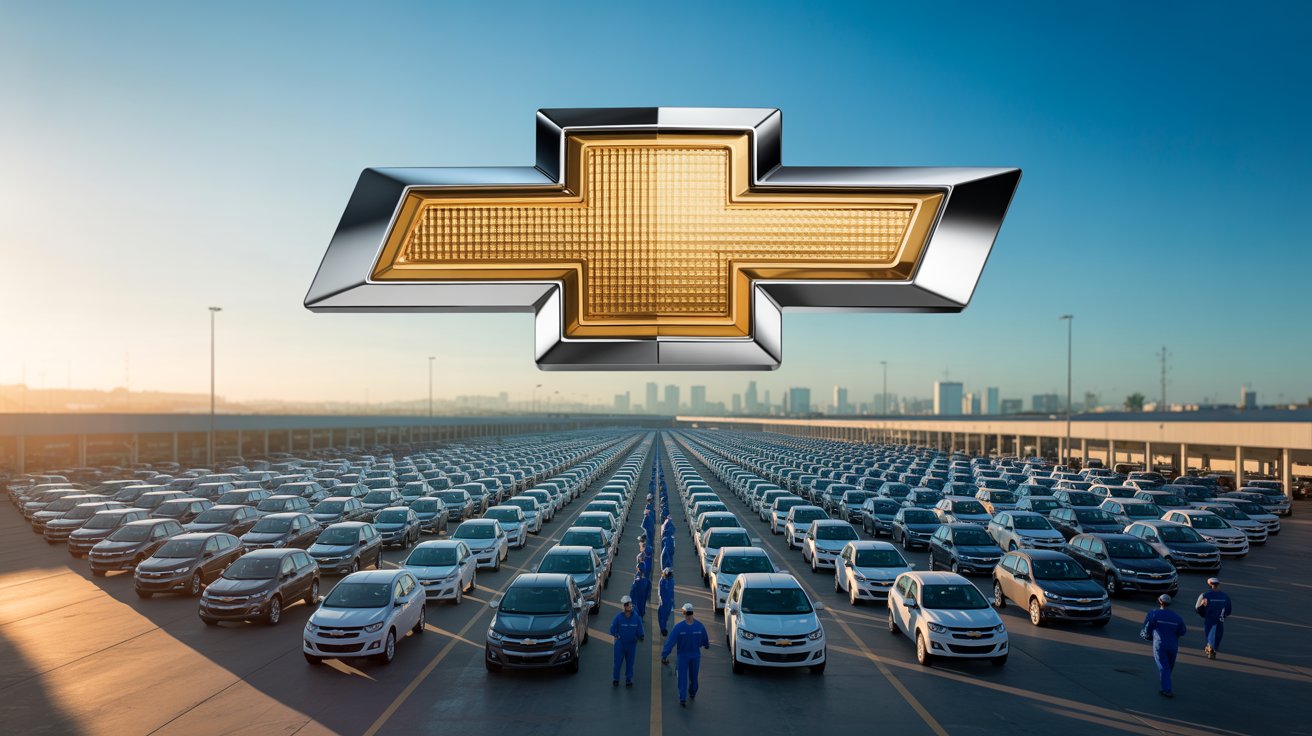

Chevrolet Is About to Launch Its New 100% Electric SUV in Brazil, with an Innovative Design and Impressive Range, Revolutionizing the Market for Sustainable Cars in the Country.
Chevrolet has announced the arrival of its newest 100% electric model in Brazil. The Captiva EV, a mid-sized SUV, promises to win over the Brazilian public with its advanced technology and commitment to sustainability.
The company confirmed that the model will be officially launched by the end of this year and, according to Fabio Rua, Vice President of GM South America, “The Captiva EV is a strategic product within Chevrolet’s global electric line-up.”
Captiva EV: More Than a New Model, A Revolution in the Electric SUV Market
This new electric vehicle from Chevrolet is not just a transitional model for the brand, but an essential part of its strategy to dominate the electric car market in an increasingly competitive landscape.
-
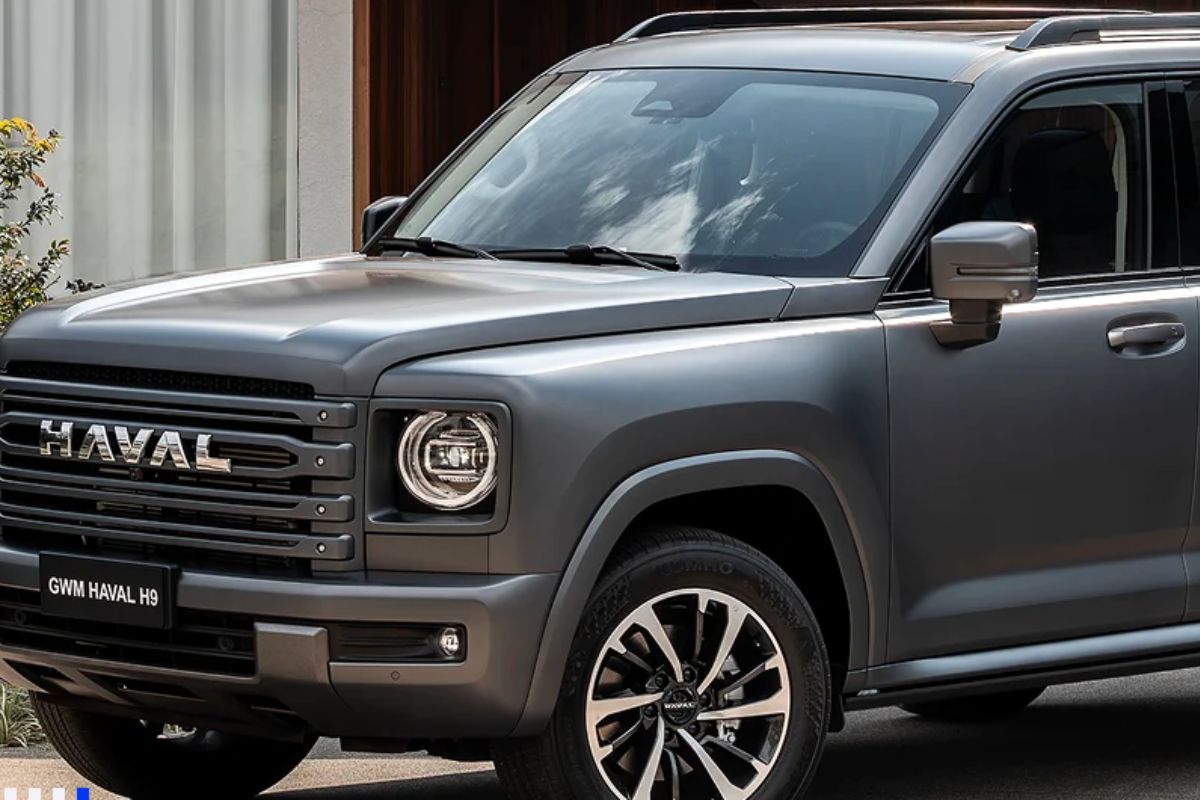
With a price almost R$ 100 thousand lower, the Haval H9 surpasses the SW4 for the first time in March, but Toyota still leads in the accumulated total for 2026; the Chinese SUV bets on technology and premium finishing to compete at the top.
-
6 used cars that cost less than a new Honda CG 160 Titan and still provide trunk space, four seats, and comfort that many new motorcycles cannot offer.
-
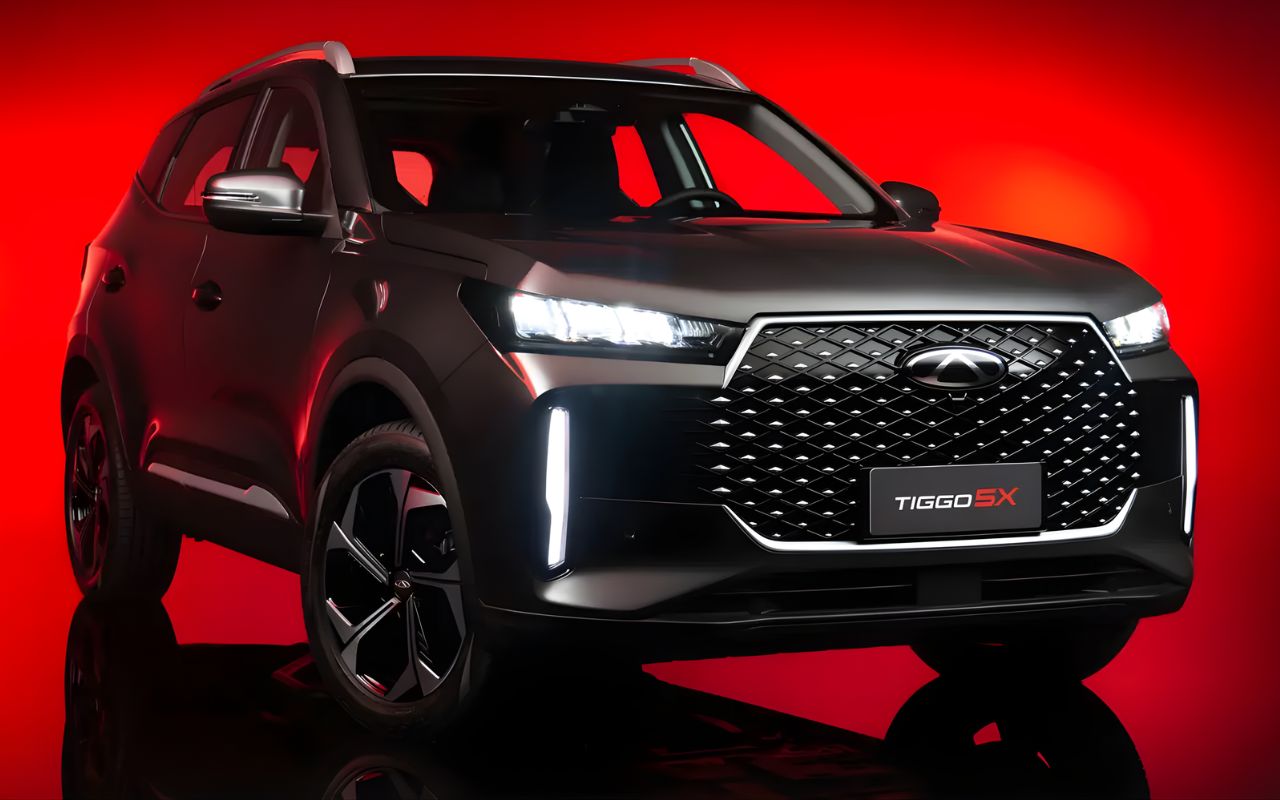
Caoa Chery Tiggo 5X skyrockets in sales in Brazil: a 2,318% increase and waiting lists of up to 4 months to acquire the model.
-
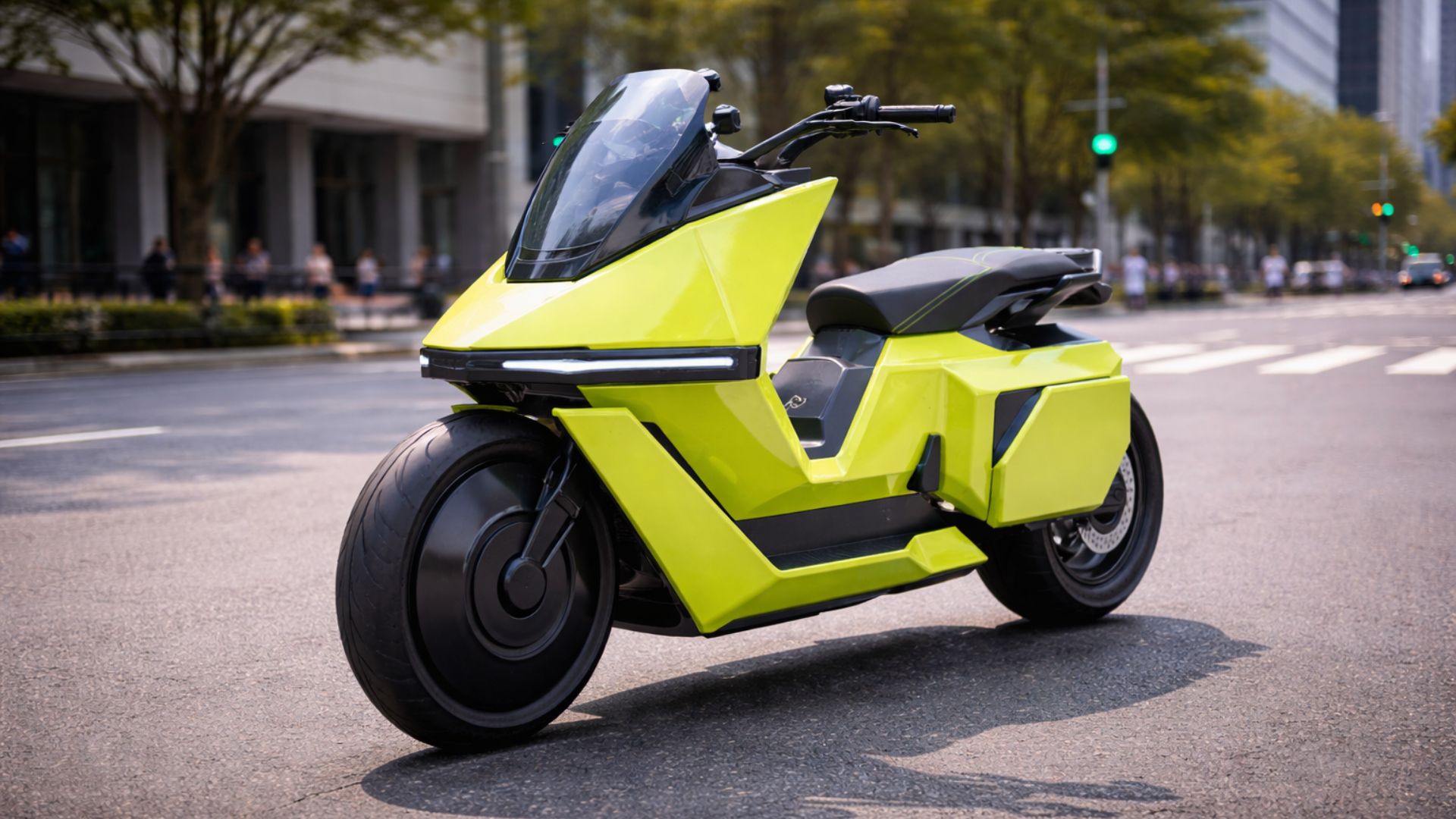
Goodbye falls: Singaporean company Omoway begins production of a motorcycle that doesn’t fall and surprises the market by offering automatic balance technology that reduces accidents and transforms the urban riding experience.

The Captiva EV, developed on the Wuling Starlight S platform, is the result of a partnership between General Motors and the Chinese manufacturer SAIC-Wuling, known for its excellence in innovation in the automotive sector.
The Captiva EV arrives in Brazil at a strategic moment for GM, which seeks to expand its line of electric vehicles in a country where the market for sustainable cars is growing.
The arrival of the model marks another step towards the transition from a global fleet powered by fossil fuels to one focused on cleaner and more efficient technologies.
The 100% electric SUV is already beginning to attract the attention of the public and experts, with its top performance and range superior to many competing models.
Power and Efficiency: What to Expect from the Captiva EV Engine?
The Captiva EV comes equipped with a 150 kW (approximately 204 horsepower) engine that offers a robust and efficient driving experience.
With 31.6 kgfm of torque, the electric SUV promises performance worthy of a mid-sized vehicle, capable of easily adapting to both urban traffic and more challenging roads.
The range is also a strong point of the Captiva EV. With 510 kilometers of range in the Chinese measurement cycle, the model positions itself as an attractive option for drivers looking for vehicles with great range, ideal for longer trips or for those who do not want to worry about frequent recharges.
This range makes the Captiva EV stand out in the Brazilian market, where the lack of charging infrastructure is still a challenge for electric car consumers.
Captiva EV in Brazil: A Global SUV with Local Characteristics
Although the Captiva EV is based on the Wuling Starlight S model, manufactured in China, it has been adapted for the Brazilian market, taking into account the characteristics and preferences of local consumers.
According to information from Chevrolet, the model will undergo final engineering and homologation tests before its official launch.
This includes specific adjustments for the climate and road conditions in Brazil, a fundamental factor to ensure the vehicle’s safety and durability.
Local production will also be an advantage for the model.
GM has a successful history of adapting its models to Brazilian realities, with ongoing investments in factories and technologies that meet the needs of the domestic market.
For the Captiva EV, it is expected that the company will leverage its existing infrastructure to facilitate the distribution and maintenance of the model in the country.
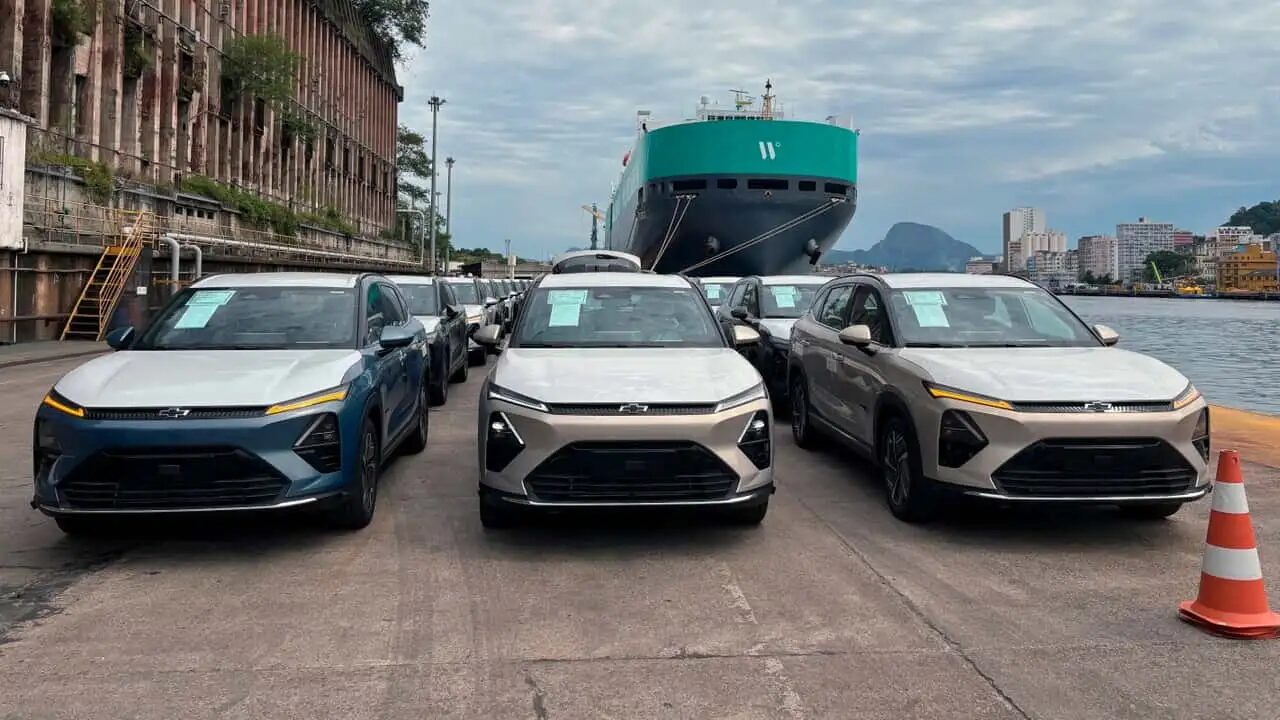
The Evolution of Captiva: From the Past to the Era of Electrics
The name “Captiva” is not new to Brazilians. The model was first launched in the early 2000s and, for years, was one of Chevrolet’s best-selling SUVs in Brazil.
However, its production was halted in 2016 due to fuel efficiency issues, which made it less competitive in the growing SUV market.
Now, with the arrival of the Captiva EV, Chevrolet is repositioning itself, bringing back a familiar name but completely renewed, with a focus on sustainability and innovation.
The electric version of the Captiva, besides being a more modern model, also aligns with the brand’s global objectives to reduce greenhouse gas emissions and provide greener solutions for the future of urban mobility.
Price and Competition: How the Captiva EV Positions Itself in the Brazilian Market?
Although Chevrolet has not yet officially announced the price of the Captiva EV, it is expected that the model will be competitive with other options for electric SUVs already available in Brazil.
The Chevrolet Equinox electric, for example, is already being sold in the country for R$ 419 thousand, a value that places the model in a luxury segment.
The arrival of the Captiva EV should bring a more accessible option for the audience starting to take an interest in electric cars but who are still unable to invest in a more expensive model.
Competition in the electric SUV market in Brazil has been growing rapidly.
Brands like Nissan, Hyundai, and Volvo already have electric models in circulation in the country, and the arrival of new competitors is expected to raise the bar even higher for consumer demands.
The Captiva EV, with its bold design, powerful engine, and 510 km range, has the potential to stand out in this competitive landscape, but Chevrolet will need to work with pricing and marketing strategies to capture a significant share of this emerging market.

The Future of Electric SUVs in Brazil: What Can We Expect?
The arrival of the Captiva EV in Brazil is an important milestone for the Brazilian automotive sector, signaling that electrification is becoming an increasingly present reality.
Brazil, although still beginning its transition to a fleet of electric cars, has great potential to become a promising market for this type of technology.
The charging infrastructure has been expanding, and consumer interest in greener vehicles has been increasing, which could make the future brighter for electric SUVs in the country.
With the arrival of the Captiva EV and other similar models, it is expected that Chevrolet will help accelerate this shift by offering more options to consumers and driving the development of sustainable solutions for urban mobility.
Are you ready to trade your gasoline car for a 100% electric model? What do you think of the options already available in Brazil? Leave your opinion in the comments and join the conversation!






Your blog is a true hidden gem on the internet. Your thoughtful analysis and engaging writing style set you apart from the crowd. Keep up the excellent work!