





 Portuguese
  English
  Spanish
  2 min of reading
  0 comments


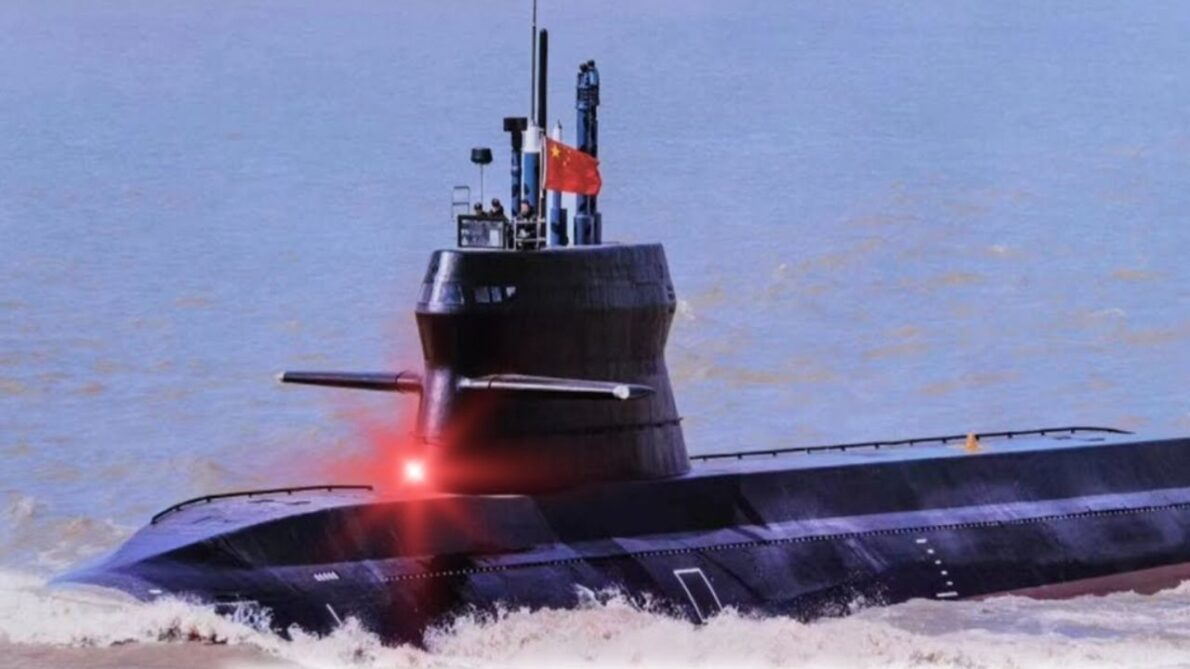
China Is Currently Testing A New Laser Propulsion Technology For Submarines, An Innovation That Could Significantly Increase The Speed And Stealth Of Its Underwater Vessels, Altering The Balance Of Global Naval Power. This Innovative Technology Uses Laser Pulses To Vaporize The Water Around The Submarine, Creating A Cloak Of Bubbles That Drastically Reduces Water Resistance, Allowing For Near-Silent Movement And Previously Unattainable Speeds.
The Chinese Navy Is Currently Testing An Innovative Laser Propulsion Technology For Submarines, According To Exame Magazine, An Advancement That Could Redefine Combat And Stealth Standards In The Underwater Environment. This Development, Described As A Revolution In Naval Technology, Promises To Overcome Long-Standing Challenges Associated With The Use Of Lasers In Underwater Vehicles.
Laser Light Disperses And Is Quickly Absorbed In Water, Which Restricts Its Use To Short Distances. However, Nuclear Submarines, Such As The U.S. Virginia Class, Have Sufficient Energy Capacity To Support High-Power Lasers, A Principle That China Appears To Be Exploring Uniquely.
Laser Propulsion Development Offers China Significant Advantages


Chinese Scientists Claim To Have Overcome Previous Limitations With A System That Allows Submarine Propulsion Using Only 2 MW Of Laser Power To Generate 70,000 Newtons Of Thrust. This Technique, Based On Creating A Cloak Of Bubbles Around The Submarine By Vaporizing Seawater, Results In Supercavitation, Reducing Water Resistance And Allowing For Faster And Quieter Navigation.
-
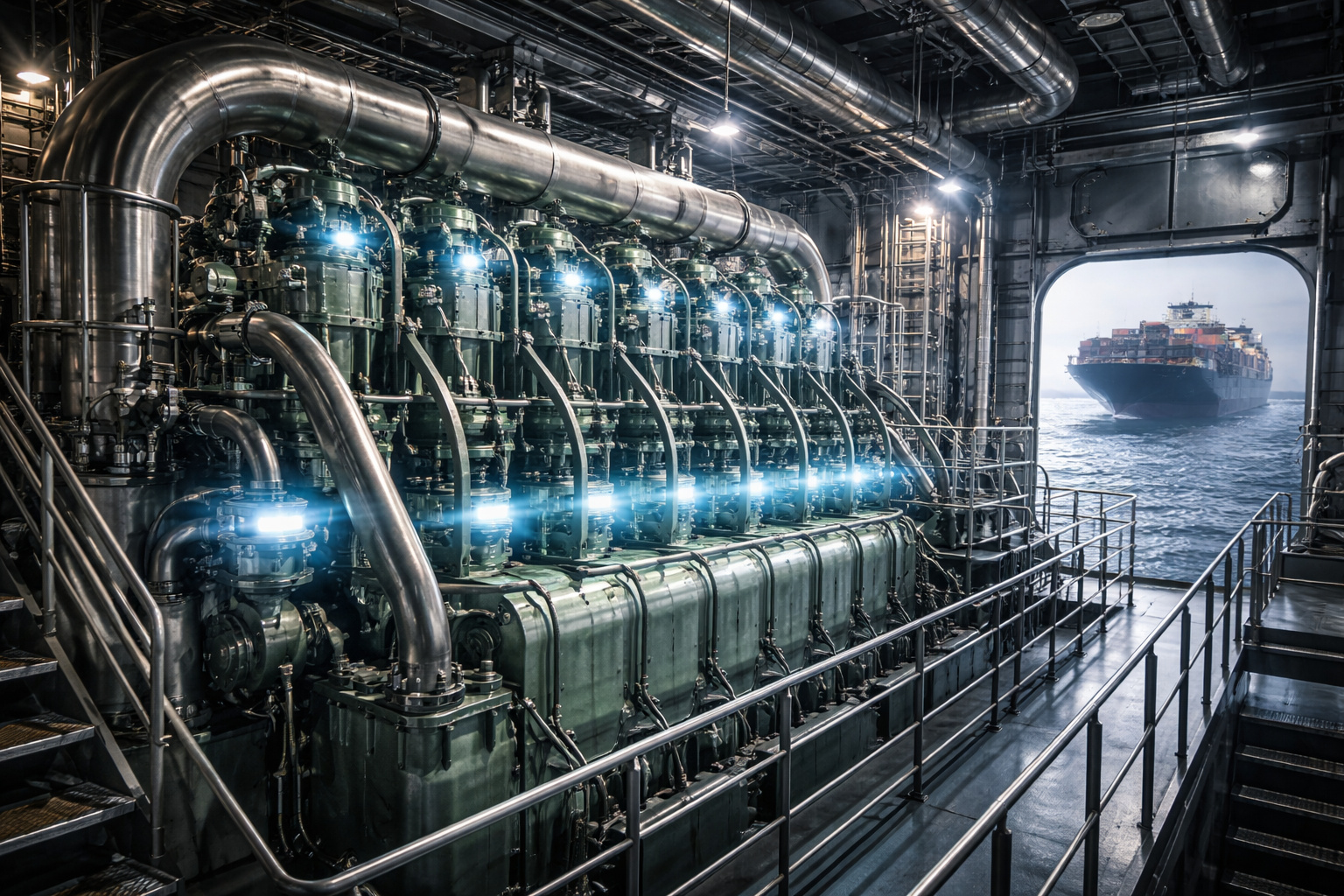
Europe is trying to create an ammonia-powered marine engine without auxiliary fuel, which could unlock the race for giant emission-free ships. The technology aims to eliminate one of the biggest obstacles to clean maritime propulsion.
-
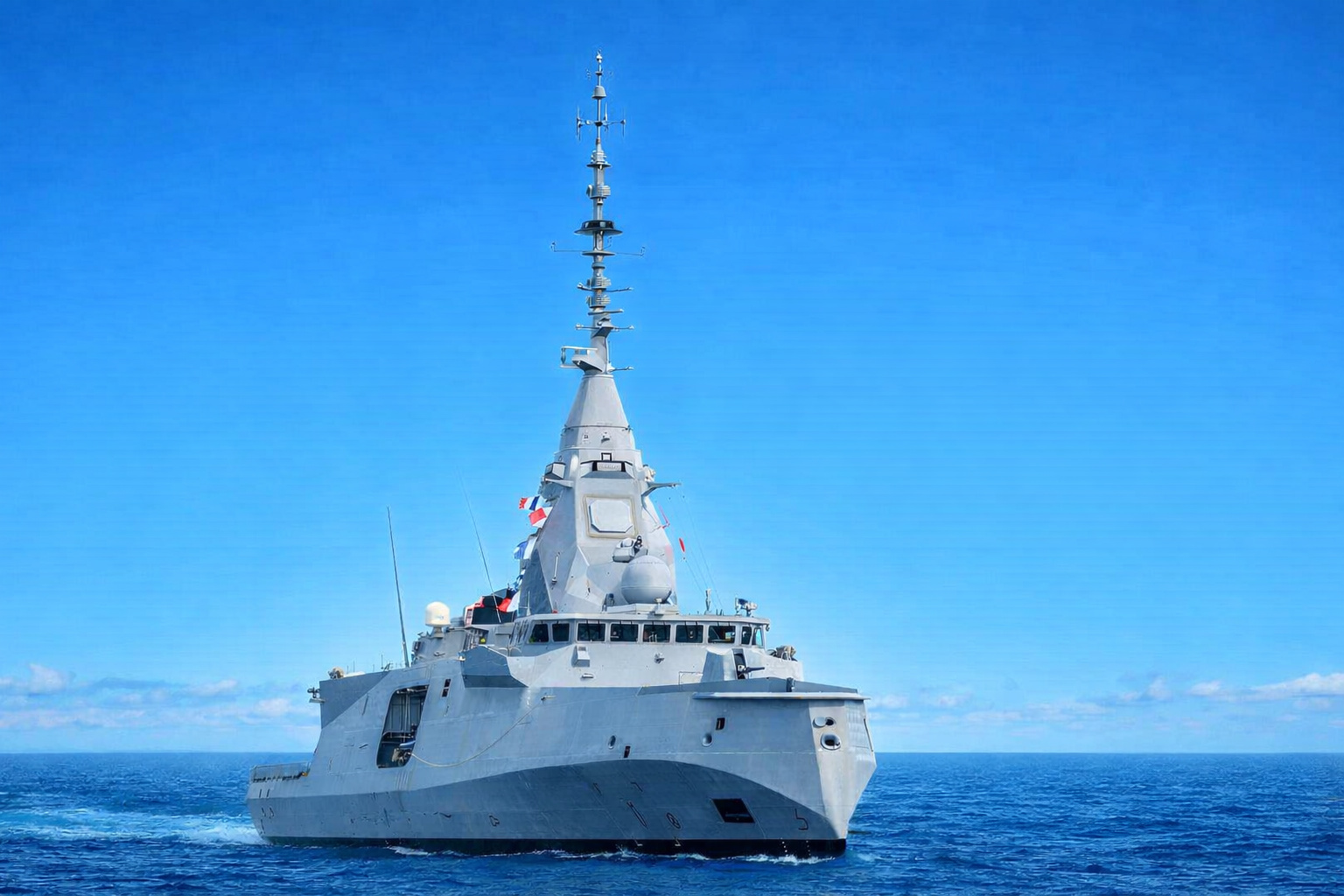
A 4,500-ton frigate with just over 100 crew members, state-of-the-art radar, and cruise missiles is being touted as the new standard of naval warfare in the 21st century.
-
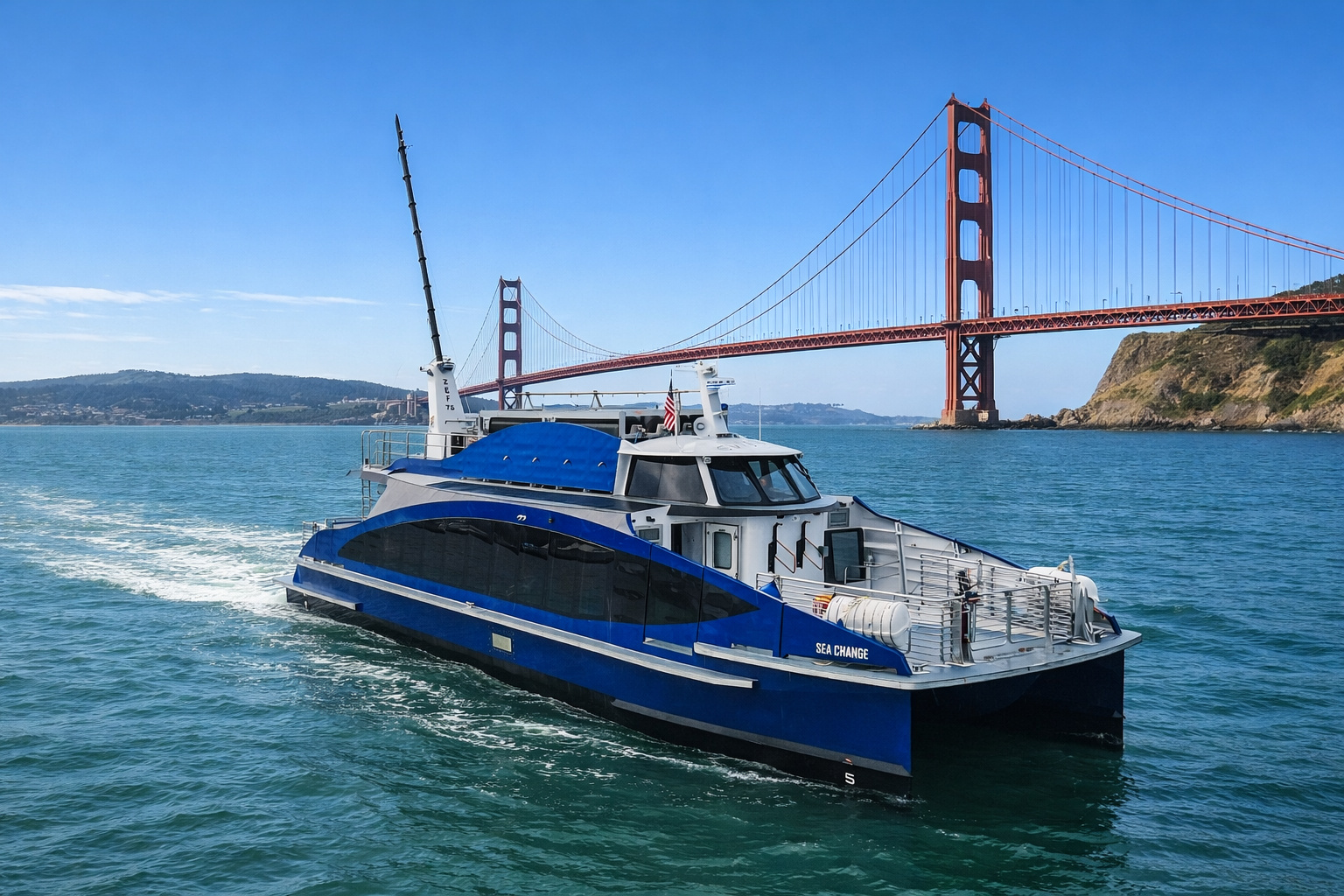
The first commercial hydrogen-powered ferry enters operation in the U.S., eliminates the use of diesel, uses fuel cells to generate clean energy on board, and transforms San Francisco Bay into a landmark of the new era of emission-free navigation.
-
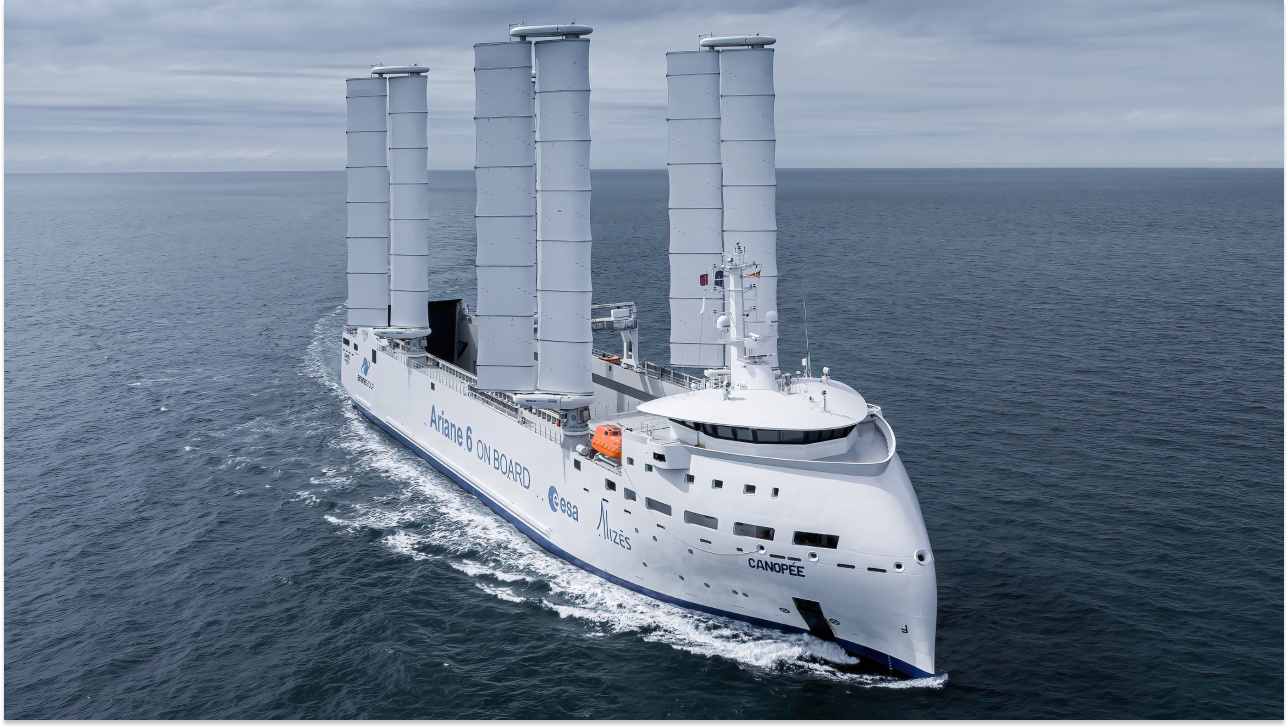
With a length of 121 meters and four rigid sails of 36 meters that automatically rotate to capture the wind, Canopée is the world’s first hybrid industrial cargo ship powered by wind, used to transport rockets and reduce fuel consumption by up to 30% on transoceanic routes.

The Development Of Laser Propulsion Not Only Gives China Significant Advantages In Terms Of Speed And Stealth, But It Also Has The Potential To Shift The Balance Of Global Naval Power. With The Chinese Navy Already Being The Largest In The World In Terms Of Number Of Vessels, This Technology Could Further Solidify Its Strategic Position, Especially In Tense Areas Like The South China Sea.
China Could Usher In A New Era In The Submarine Industry
While Operational Implementation Of This Technology Is Not Expected For Four Years, The Advances Represent A Significant Shift In Global Naval Dynamics. The U.S. Navy, Recognizing The Potential Of This Technology, Is Also Exploring High-Energy Lasers For Use In Its Submarines, Aiming To Maintain Its Competitiveness And Naval Superiority.
This Technological Advancement By China In Laser Submarine Propulsion Highlights The Ongoing Innovation In Military Technology And The Growing Focus On Solutions That Combine Efficacy With Stealth. As These Developments Evolve, They Could Usher In A New Era In The Submarine Industry Where Speed And Secrecy Become Even More Critical.







Seja o primeiro a reagir!