





 Portuguese
  English
  Spanish
  5 min of reading
  0 comments


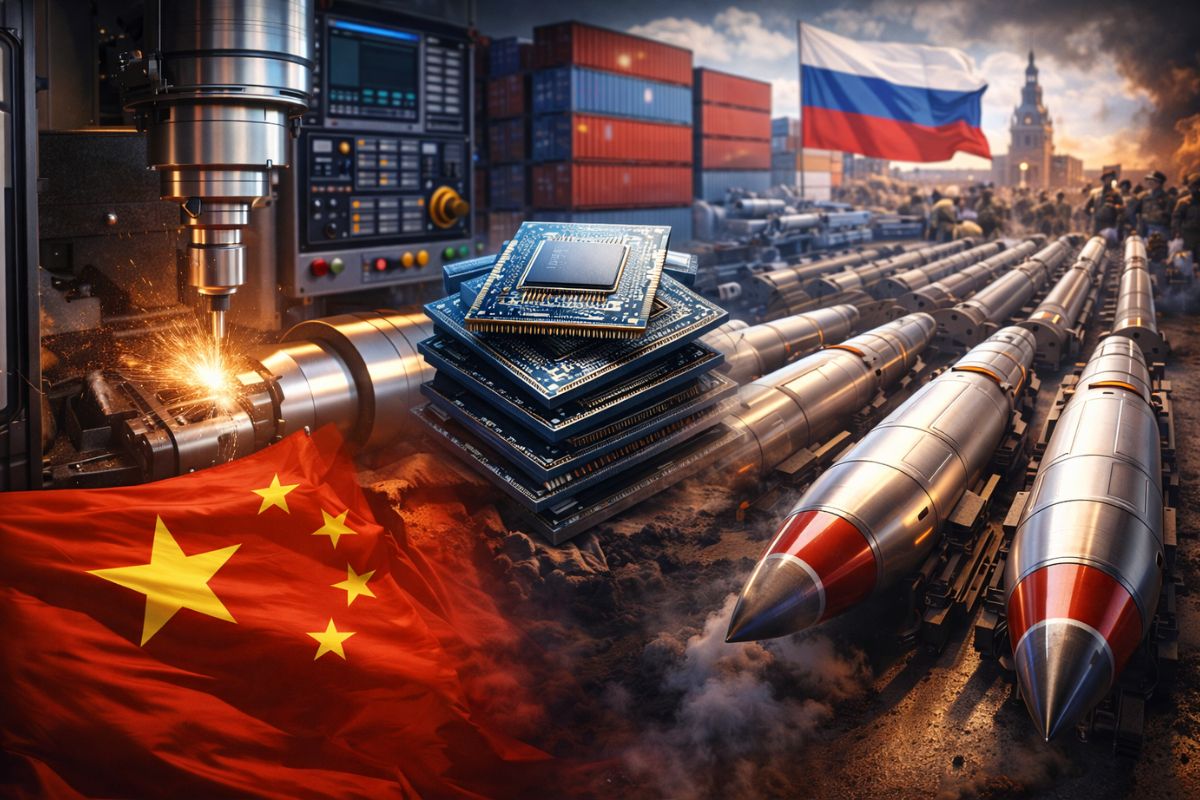
Reports Indicate That CNC Machines And Chips Fuel The Russian Defense Industry, Bring China And Russia Closer, Accelerate The Oreshnik Missile, And Bypass International Sanctions.
Reports cited by international media indicate that CNC machines and chips supplied by China to Russia moved around US$ 10.3 billion in industrial equipment, creating a silent support for the Russian defense industry. Without sending a single ready weapon, Beijing has reportedly provided Moscow with exactly what it needs to circumvent sanctions: manufacturing capacity, machining precision, and advanced electronics.
In this scenario, the mass production of the medium-range ballistic missile Oreshnik, described as nearly impossible to intercept, gains a new context. With the help of imported CNC machines and chips, Russia is said to have accelerated the production of one of the most feared vectors in its arsenal, increasing its deterrent power and putting more pressure on adversaries on the battlefield and at the negotiating table.
How CNC Machines And Chips Enter The Oreshnik Production Line
Understanding this Chinese support requires looking at the beginning of the chain, not at the finished missile. Before an operational Oreshnik exists, there is a factory full of high-precision equipment, capable of transforming metal blocks into warheads, rocket stages, and structural components.
-
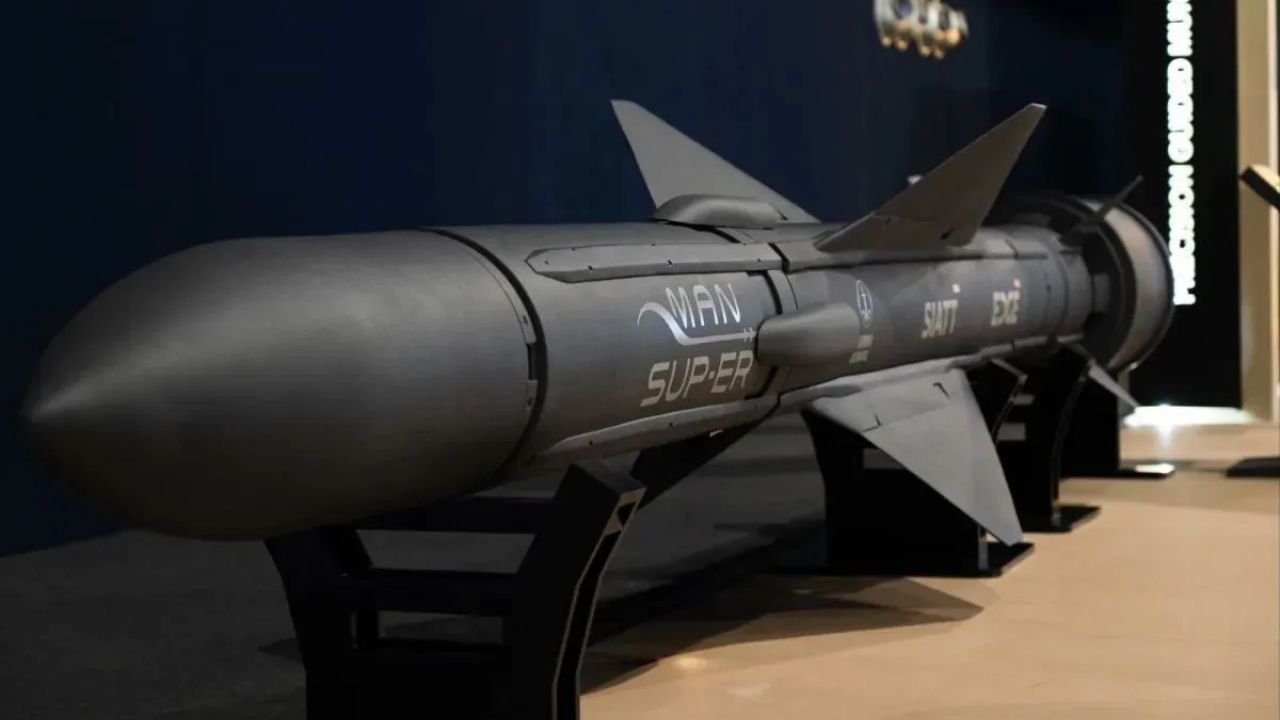
Brazil accelerates the evolution of the MANSUP missile, designing an air-surface version with a range exceeding 200 km, advanced guidance, and precision strike capability against land and naval targets, paving the way for a new generation of national armaments with global potential.
-
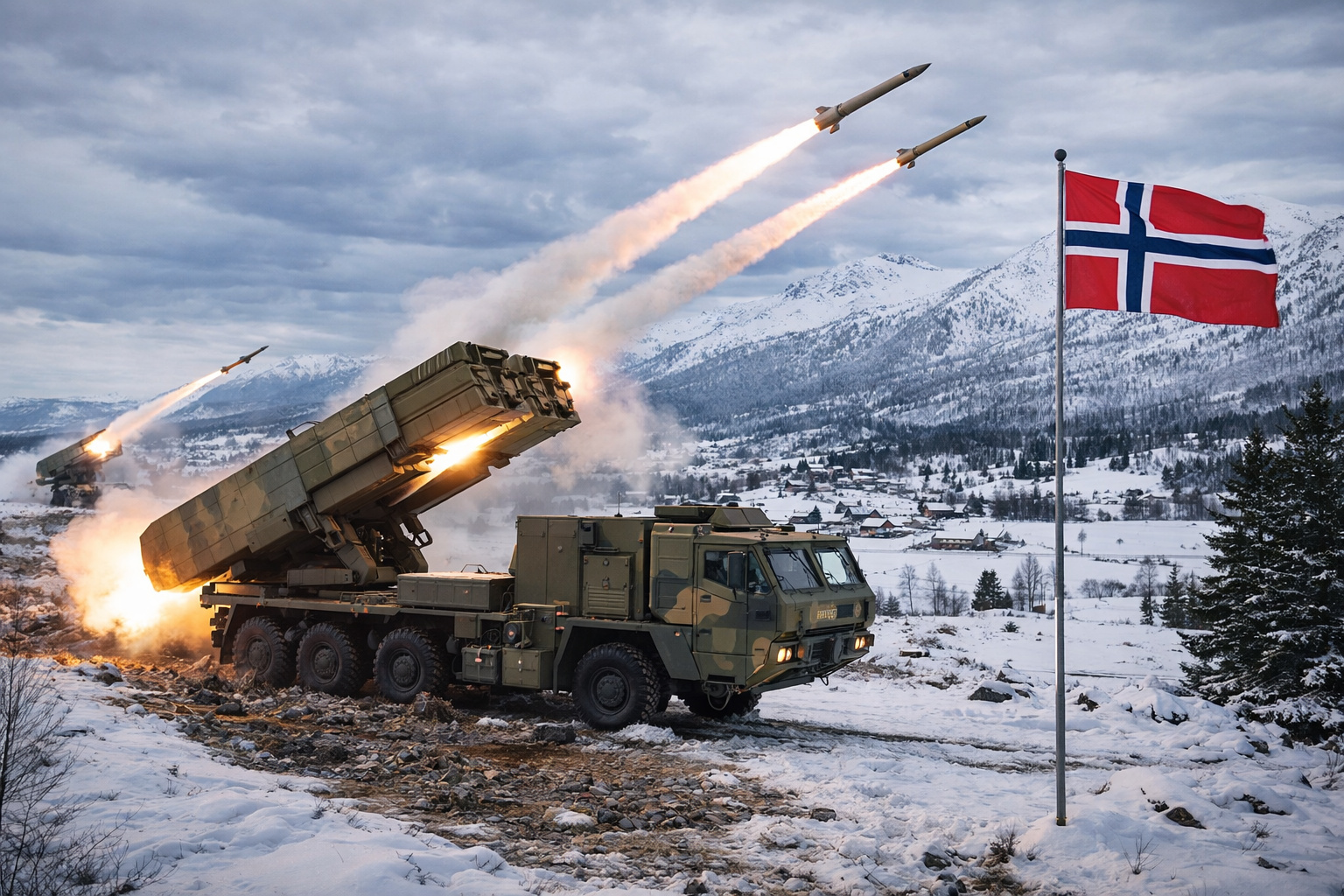
South Korea signs a $922 million deal with Norway, bringing Chunmoo launchers capable of firing guided missiles up to 290 km with an accuracy of 15 meters to Europe and turning the system into a key component of the new global race for precision artillery.
-
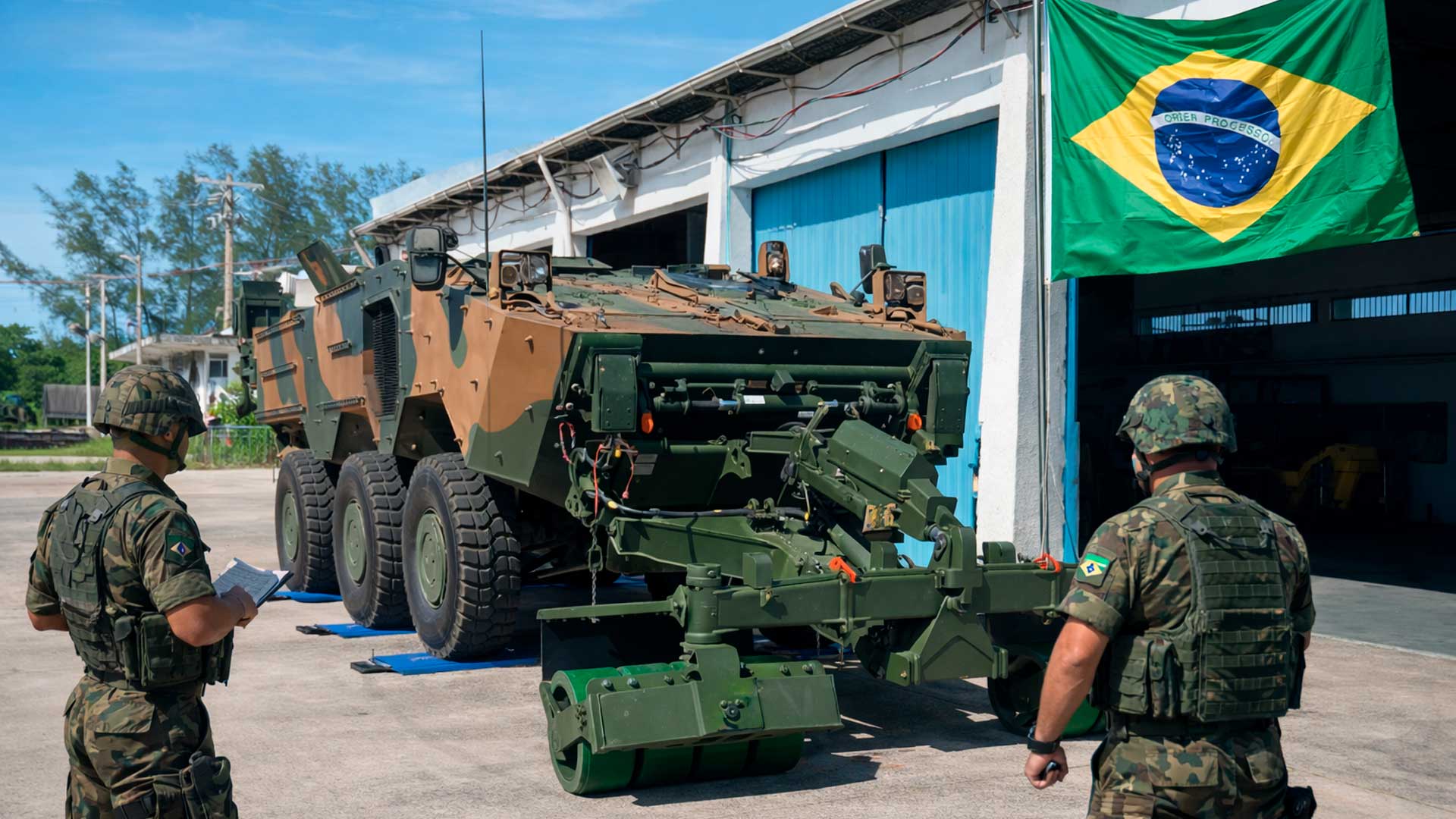
Brazil advances with decisive tests until June, the 6×6 Guarani armored vehicle with engineering equipment enters the most important phase and can enhance the operational capability of the Army.
-
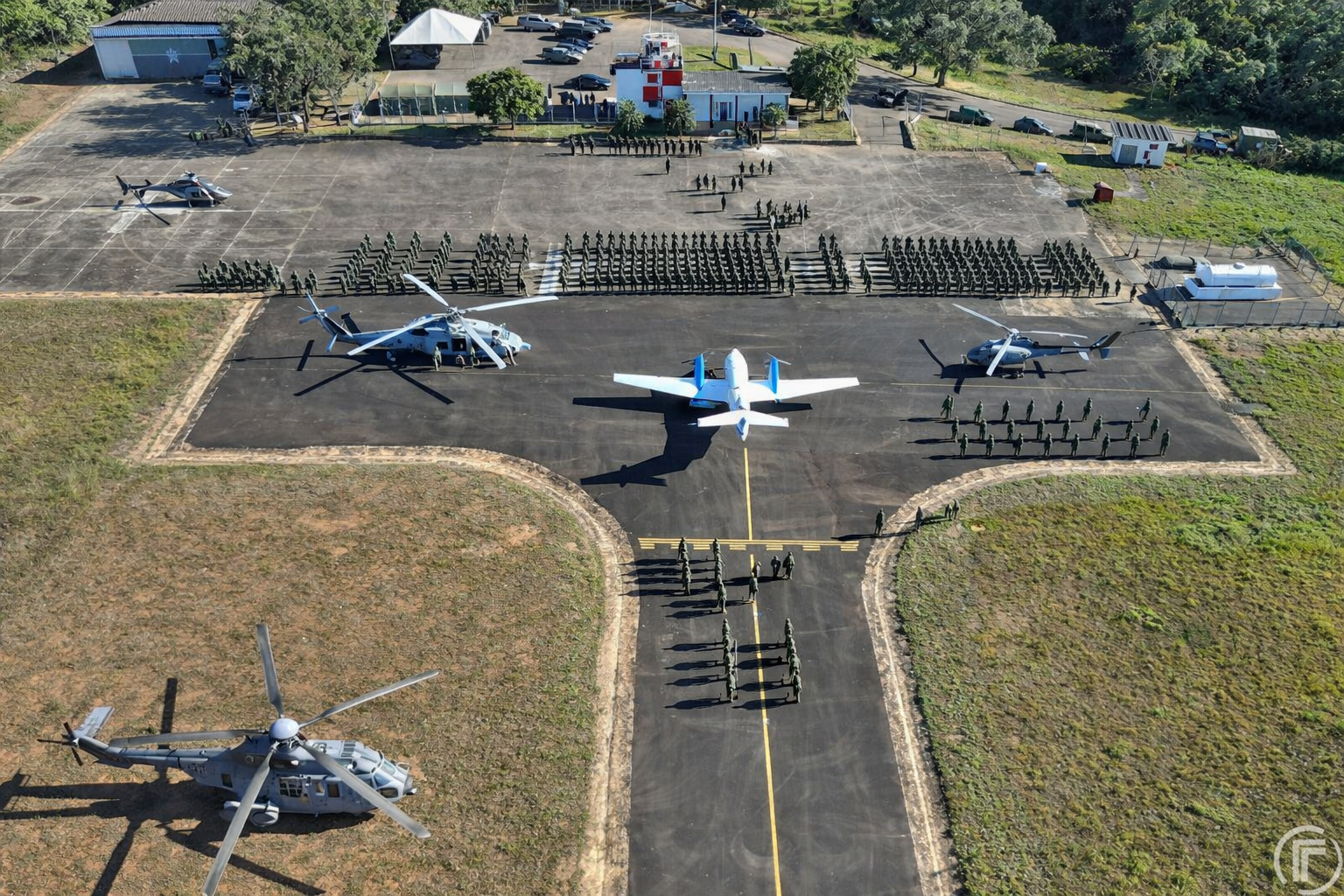
Furnas Airport is handed over to the Navy and becomes a strategic base with complete military operations, attack drones, and international mobilization at Furnas Lake.

According to intelligence reports and defense analyses, Chinese CNC machines and chips would be occupying exactly this critical space.
Instead of supplying finished missiles, China would have provided the infrastructure that enables Russia to produce, domestically, cutting-edge weaponry even under severe sanctions imposed by the United States, European Union, United Kingdom, and Japan.
The Chinese CNC Machine At The Votkinsk Factory
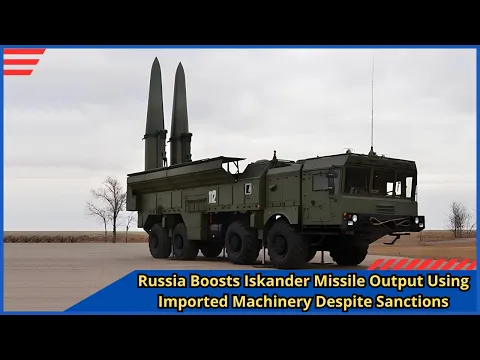

One of the most concrete points of this story emerged far from the limelight. According to Ukrainian military intelligence, a Chinese-origin CNC machine was identified at the state factory in Votkinsk, Russia’s main missile production hub and a direct target of Western restrictions.
CNC machines, or computer numerical control machines, are essential for machining metals with minimal tolerances, something indispensable for:
- missile body structures
- internal parts of the warhead
- fittings, flanges, supports, and components that must operate under high pressure and temperature
Without reliable CNC machines and chips, Russia would struggle to maintain speed, scale, and manufacturing quality, as part of its industrial park still relies on older machinery, which is less precise and slower.
The presence of modern equipment from China helps explain how the country managed to increase the production pace of the Oreshnik even under technological blockade.
The Oreshnik Missile And The Fear Of Those Who Need To Intercept It
Reports cited by defense sources describe the Oreshnik as a hypersonic ballistic missile with medium range, capable of carrying multiple warheads.
In practical terms, this means hitting different targets at great distances within minutes, increasing the difficulty for air defense and missile interception.
The combination of speed, range, and multiple warheads helps explain why the Oreshnik is regarded as one of the most feared weapons in the Russian arsenal today.
In this context, every gain in industrial productivity matters. If Chinese CNC machines and chips allow for more units to be manufactured in less time and with greater standardization, the strategic impact goes far beyond a simple purchase of equipment.
The War That Begins In Factories, Not In Launchers
Before becoming an explosion on a target, the war goes through industrial contracts, supply chains, and assembly lines.
The data collected indicates that China has assumed a central role behind the scenes, acting as the main supplier of industrial infrastructure to Moscow since the start of the conflict in 2022.
Reports indicate that China has already supplied around US$ 3.1 billion just in CNC machines, in addition to large volumes of microchips, memory boards, ball bearings, piezoelectric crystals, and electronic testing equipment. Taken individually, each item may seem harmless.
Together, they form the backbone of an arms industry capable of keeping missiles, radars, drones, and electronic warfare systems coming off the production line.
When it comes to sanctions, the public narrative often focuses on banks and the prohibition of arms sales. But the reality shows that CNC machines and chips are as strategic as a finished missile, because they determine whether a country can replenish its arsenal or not.
Dual-Use Items: Civilian on the Outside, Military on the Inside
A key point to understand why this trade is so sensitive is the “dual-use” nature of these pieces of equipment.
CNC machines and chips are found throughout modern industry, from automobile factories to home appliance production lines, as well as in sectors such as aerospace and medical.
This allows the same components to be used in both civilian and military applications, making control and oversight more difficult.
A batch of microchips can power computers, smart cars, or missile guidance systems. A CNC machine can fabricate parts for tractors or for warheads.
According to assessments cited in press and intelligence investigations, Russia cannot produce many of these items internally in sufficient volume or quality, especially when it comes to the most advanced electronics.
The solution found was to turn to the Chinese industry, which operates on a scale and technological level far superior to Russia’s capabilities.
What Is At Stake When China Supplies CNC Machines And Chips To Russia
If the reports are correct, the flow of CNC machines and chips from China would have allowed Russia to bypass some sanctions, stabilize its military production, and even plan upgrades for the Oreshnik, focused on increasing range, precision, or destructive power.
For Beijing, this maintains an officially distant position from the direct shipment of weapons, but highly relevant in practice. For Moscow, it means access to a technological lifeline.
And for the West, it reinforces the perception that the dispute is not just military, but industrial and technological, fought in catalogs of machines, supply contracts, and export controls.
In the end, history shows that CNC machines and chips can be as decisive as tanks and fighter jets in a prolonged conflict, especially when one side faces financial and technological blockades.
And you, do you think that the supply of CNC machines and chips by China should be treated with the same political and diplomatic weight as a direct shipment of weapons to Russia?








-

-

5 pessoas reagiram a isso.