





 Portuguese
  English
  Spanish
  5 min of reading
  2 comments


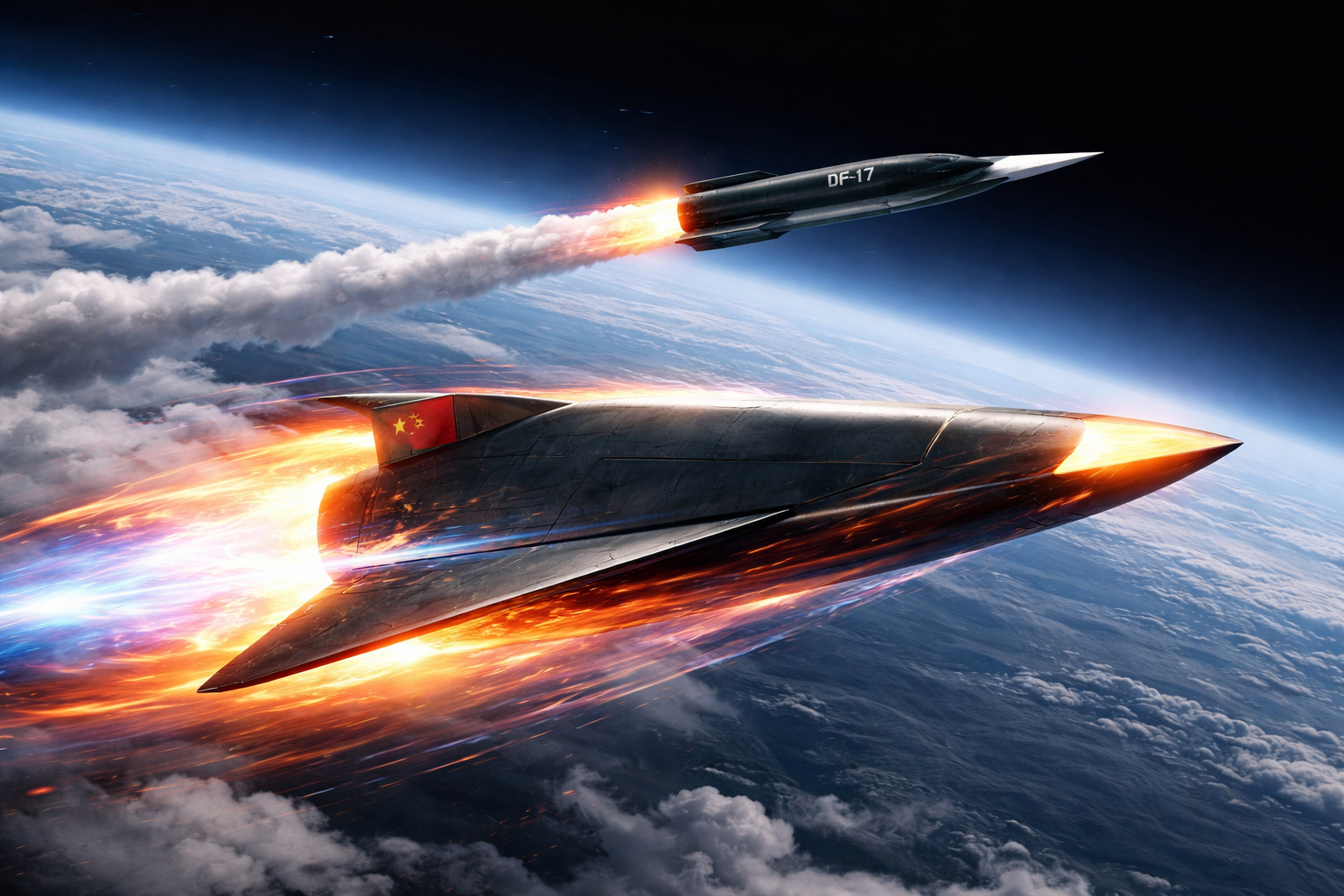


The DF-ZF Is the Chinese Hypersonic Glide Vehicle Integrated with the DF-17, with Speeds Between Mach 5 and 10, a Range of Up to 2,500 km, and Evasive Maneuvers That Challenge Modern Missile Defense Shields.
The DF-ZF, also known in its early stages as WU-14, is the hypersonic glide vehicle developed by China to operate attached to an intermediate-range ballistic missile, the DF-17. Unlike a traditional ballistic missile, which follows a predictable trajectory after launch, the DF-ZF separates from the booster rocket at high altitude and begins gliding within the atmosphere at hypersonic speeds, changing course, altitude, and attack vector along the trajectory.
This conceptual shift is central. The DF-ZF does not rely on a rigid parabolic trajectory. It flies in the upper atmospheric regime, utilizing aerodynamic lift at extreme speeds to remain outside the interception envelope of conventional missile defense systems.
Sustained Hypersonic Speed Between Mach 5 and Mach 10
Technical data released by military sources and independent analyses indicate that the DF-ZF operates at speeds between Mach 5 and Mach 10, which corresponds to somewhere between approximately 6,000 km/h and over 12,000 km/h, depending on altitude and flight profile.
-
The German “steel monster” weighing 55 tons fires up to 10 projectiles per minute at over 40 km and avoids counterattacks on the battlefield by moving quickly to escape enemy attacks; meet the Panzerhaubitze 2000.
-
USS Gerald R. Ford, the largest aircraft carrier in the world, returns to sea after a fire in the laundry in the Red Sea; repaired in Crete, it resumes missions of Operation Epic Fury against Iran.
-
Military power: South Korea’s new KF-21 fighter jet will be a key component in replacing the aging aircraft of the air force, placing the country on the map of air military powers.
-
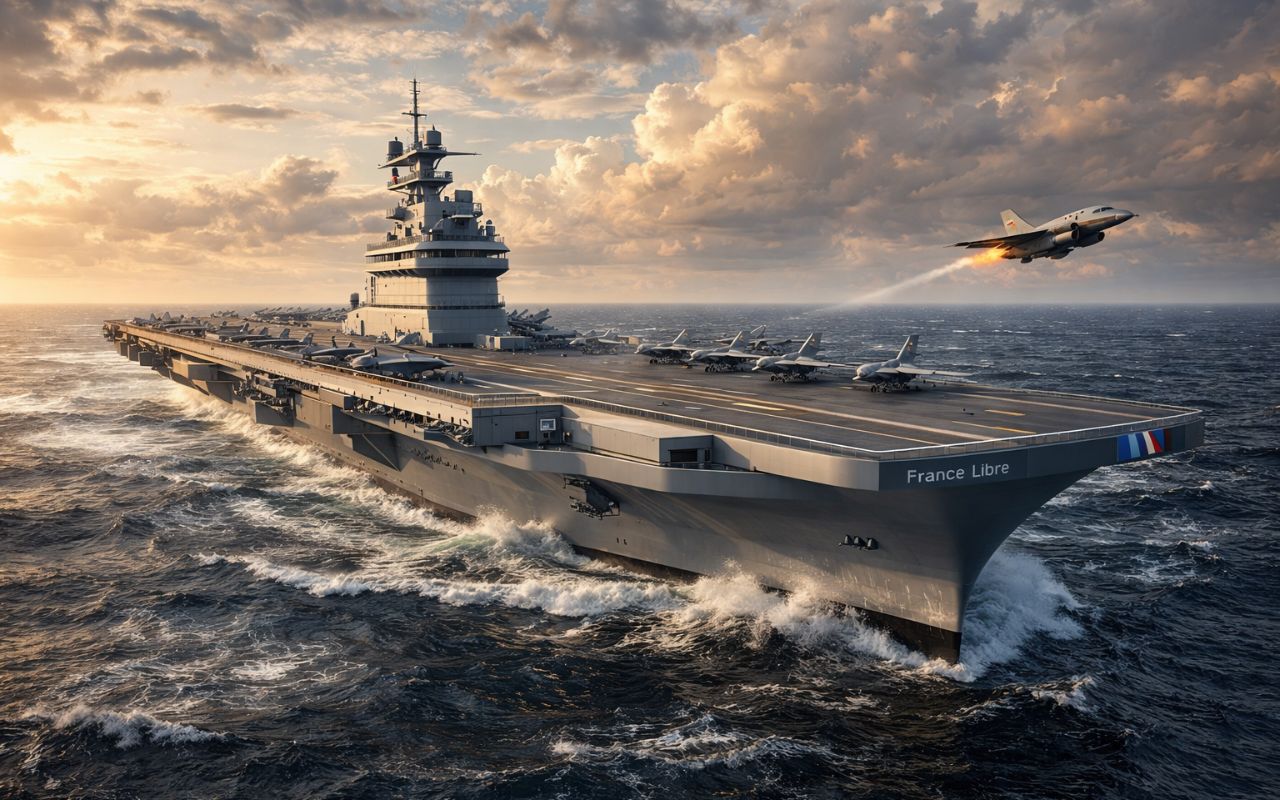
With 310 meters, 80 thousand tons, and capable of operating for 45 years, the new nuclear aircraft carrier France Libre will be the largest in France and will enter service in 2038.

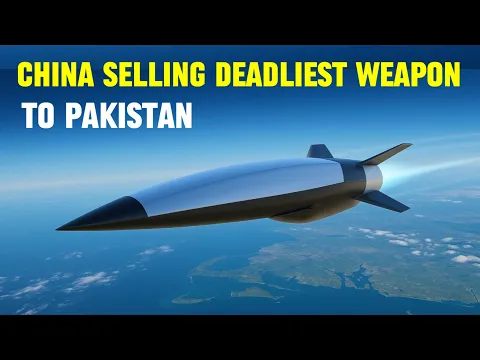

This speed is not just a terminal peak. The distinguishing feature of the DF-ZF is its ability to maintain hypersonic regime for a significant part of the glide phase.
This drastically reduces the reaction time of the target and limits the effectiveness of radars, infrared sensors, and command and control systems designed to handle predictable ballistic threats.
Total Range of Up to 2,500 km with the DF-17 + DF-ZF System
The operational range of the complete system, considering the launch by the DF-17 and the glide phase of the DF-ZF, is estimated between 1,800 km and 2,500 km.
This distance places the system in a regional strategic category, with the ability to strike targets deep within the territory from within Chinese soil without the need for advanced platforms.
The crucial point is that a significant portion of this range occurs during the atmospheric glide phase, not just during the ballistic ascent. This enhances tactical flexibility and allows for multiple attack profiles against different types of targets.
Aerodynamic Maneuvers for Hundreds of Kilometers
Unlike classical ballistic missiles, the DF-ZF does not descend on a predictable line. After separating from the booster rocket, the glide vehicle enters sustained hypersonic flight and performs aerodynamic maneuvers over hundreds of kilometers.
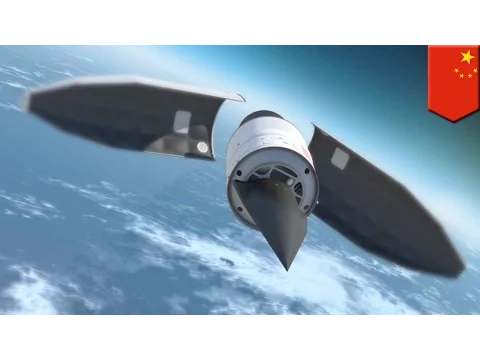
These maneuvers include lateral trajectory variations, altitude adjustments, and changes in the attack angle, all while maintaining extreme speeds. The objective is not just immediate evasion, but a complete break of the mathematical models used by missile defense systems to predict the interception point.
In practice, this means that radars can detect the launch but cannot accurately calculate where and when the DF-ZF will hit the target.
Flight Profile Outside Traditional Ballistic Logic
The DF-ZF operates at an altitude range lower than that of classical ballistic warheads, but higher than most cruise missiles. This “atmospheric limbo” is one of the reasons why the system is so difficult to intercept.
It flies too high for conventional air defenses and too low for missile defense systems designed to engage exo-atmospheric targets. At the same time, its speed undermines solutions based solely on traditional kinetic interceptors.
Direct Integration with the DF-17 Missile
The DF-ZF is not an isolated project. It has been developed from the outset to operate coupled with the DF-17, an intermediate-range ballistic missile specifically designed to launch hypersonic glide vehicles.
This integration ensures operational reliability, repeatability of tests, and rapid incorporation into the Chinese missile force. The DF-17 provides the initial acceleration and ideal launch envelope for the DF-ZF to enter hypersonic regime with maximum efficiency.
Role of the DF-ZF in Chinese Military Doctrine
The DF-ZF fits perfectly within China’s access denial and area denial strategy, known as A2/AD. The system is designed to target high-value assets, such as military bases, command centers, strategic facilities, and, primarily, advanced naval platforms.

By drastically reducing the adversary’s anti-missile defense capacity, the DF-ZF changes the risk calculus for any force operating close to China’s strategic interest zones.
Warhead and Employment Flexibility
Although official details are not disclosed, the DF-ZF is believed to be compatible with both conventional high-precision warheads and nuclear warheads. This ambiguity is part of the deterrent effect of the system.
The possibility of conventional employment allows for precision strikes in limited conflicts, while the nuclear option elevates the DF-ZF to a strategic vector level, integrating it into the core of Chinese deterrence.
Why the DF-ZF Concerns the United States and Allies
The operational introduction of the DF-ZF represents a direct challenge to currently deployed anti-missile systems. Shields based on ballistic predictability, such as exo-atmospheric interceptors and mid-course defenses, lose much of their effectiveness against a maneuverable target in hypersonic mode.
Additionally, the DF-ZF accelerates a global technological race, forcing other powers to invest in next-generation sensors, hypersonic interceptors, and directed energy weapons.
The DF-ZF as a Symbol of the New Hypersonic Race
More than just a missile or an isolated glide vehicle, the DF-ZF symbolizes a structural shift in strategic warfare.
It marks the transition from a world based on predictable trajectories to a scenario dominated by extreme speed, continuous maneuvering, and unpredictability.
By putting into service a system capable of flying at Mach 5–10, covering up to 2,500 km, and maneuvering for hundreds of kilometers within the atmosphere, China solidifies its position as one of the central protagonists of the new hypersonic era, forcing the rest of the world to adapt to a radically different threat environment.








Será que o homem é inteligente mesmo?
Tenho lá minhas dúvidas, fazer armas que pode destruir o planeta. No passado a inteligência humana, tinha um objetivo em prol a sobrevivência, e hoje só trás a morte.
Havia a previsão de a China se tornar a 1ª potência mundial (nuclear, e em PIB), ao meu entender já foi concluída essa etapa, e acredito ser bom p/ manter o equilíbrio global.