





 Portuguese
  English
  Spanish
  3 min of reading
  60 comments


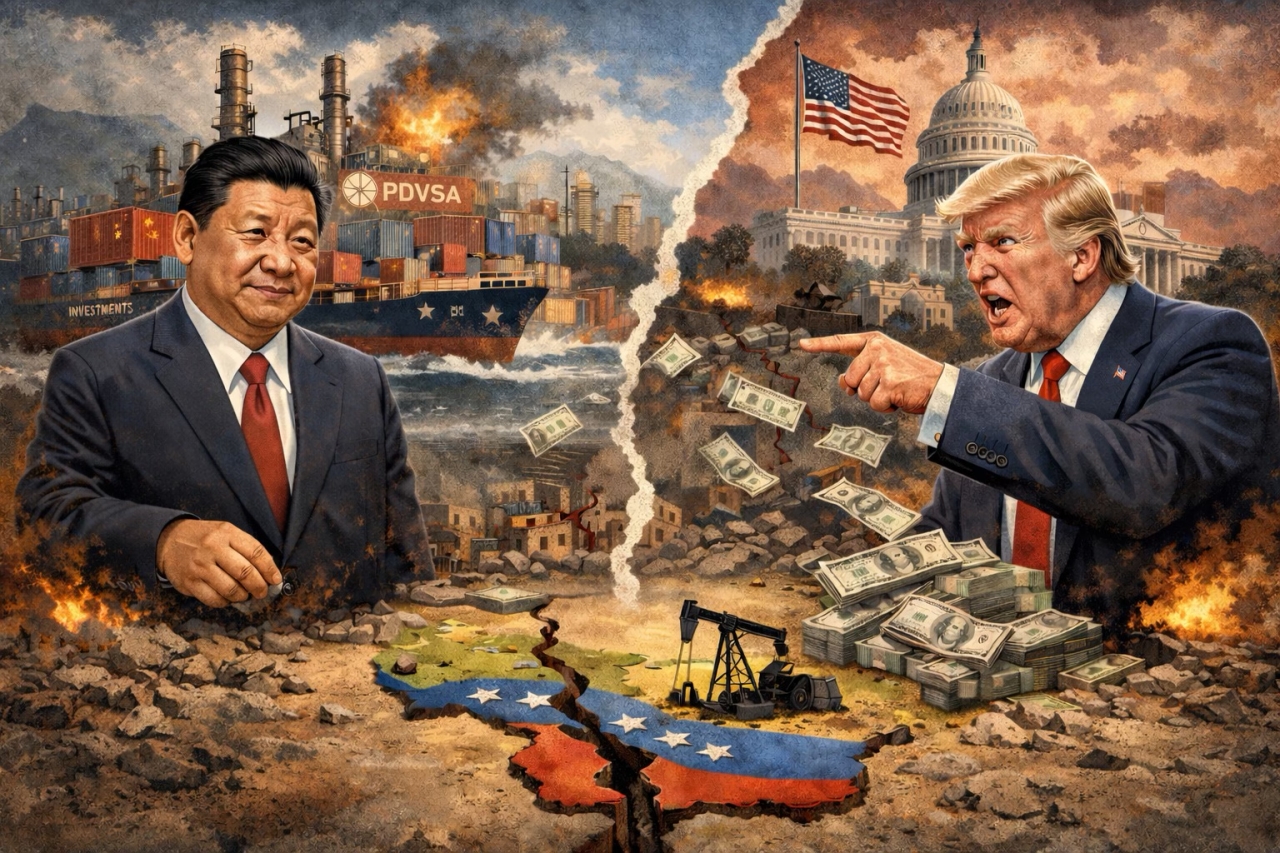


Discover How China Negotiates with the USA and Caracas to Secure Billions of Dollars in Debts. Understand the Impact on Banks and the Future of Oil in Venezuela After Maduro’s Arrest.
The political world turned upside down on January 3, 2026. The capture of Nicolás Maduro not only changed the fate of Caracas, but also triggered a red alert in Beijing. Now, China is racing against time to avoid losses, negotiating directly with the USA to try to save billions of dollars in accumulated debts.
With Chinese banks in shock, control over Venezuela’s oil has become the centerpiece of an international chessboard where no one wants to lose money.
China’s Despair Over Caracas’ Debts: Where Are the Dollars?
Beijing is not playing around. Recently, Chinese authorities launched a diplomatic offensive, building bridges with both the new leadership in Caracas and the government of the USA. The goal is clear: to obtain real guarantees that the loans made over the decades will be honored.
-
He sold his share for R$ 4 thousand, saw the company become a giant worth R$ 19 trillion, and missed the opportunity of a lifetime.

-
Elon Musk’s Starship megafrocket puts $8 billion at risk, raises alarms in the market, and could affect technology, mining, and space internet startups in the coming years.
-
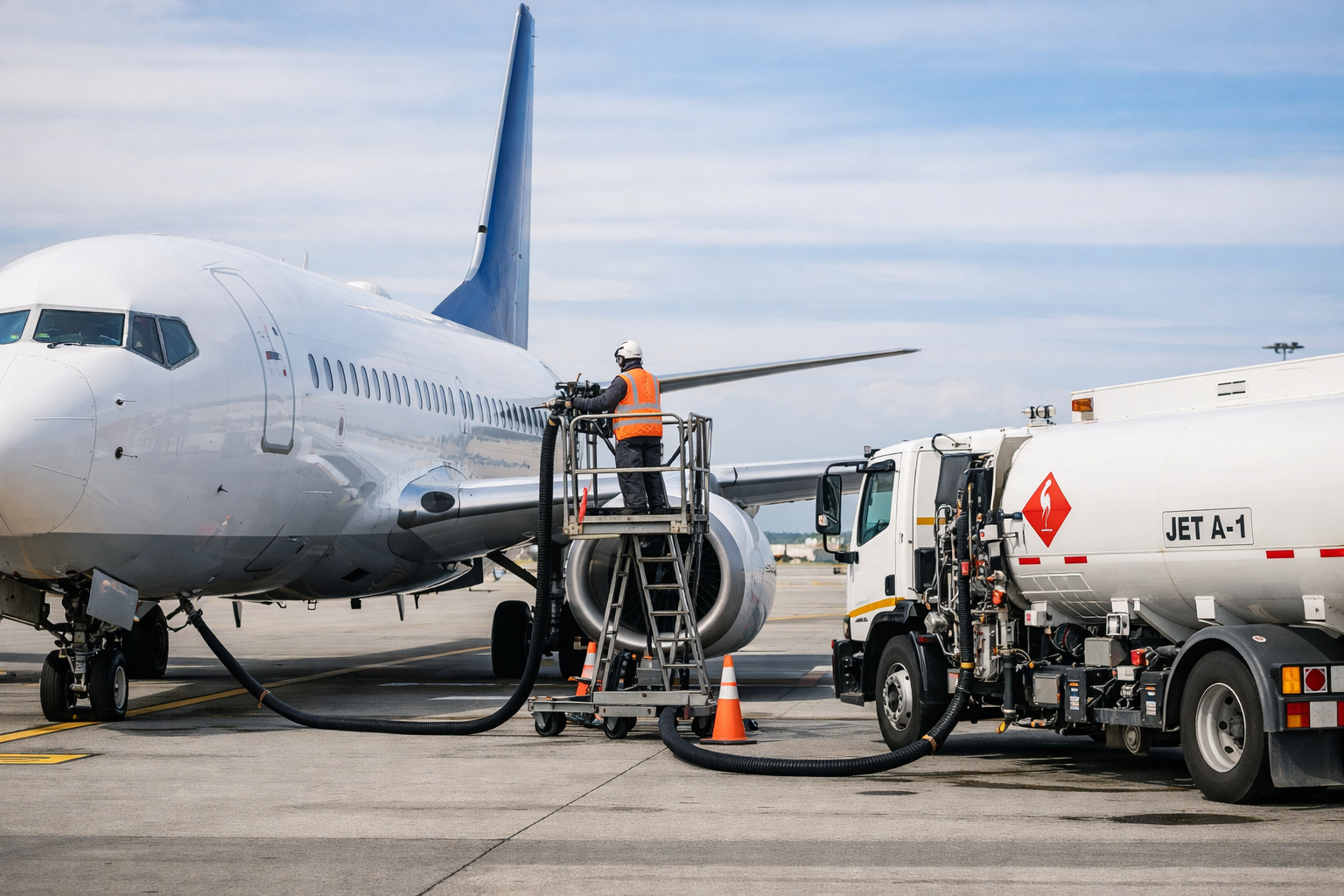
Airfare prices may rise with increasing fuel costs, and the government is considering urgent measures to avoid a direct impact on the wallets of Brazilians.
-
Chocolate prices soar nearly 15% and become a luxury item for Easter 2026, with increases surpassing inflation and changes in Brazilian consumption habits.


According to information gathered by Bloomberg, regulatory bodies in China have already demanded that major state banks open their spreadsheets.
They want to see, in detail, the size of the hole left by the previous administration in Venezuela.
It is estimated that the current debt stands between 10 and 20 billion dollars, an amount that Beijing does not intend to simply forget.
“China wants to ensure that, in any sovereign debt restructuring process, it has a seat at the head of the table”, say experts in financial geopolitics.
Banks and the USA on the Board: The Future of Venezuela’s Oil
The relationship between these countries has always been based on a simple exchange: money for energy. Since 2007, under the leadership of Hugo Chávez, the Asian giant has poured over US$ 60 billion into Venezuelan soil through the program of loans backed by barrels of oil.
However, with the economic collapse and the drop in production from state-run PDVSA, this mechanism has stalled.
Interestingly, the scenario gained a new player. President Donald Trump made a strong statement, inviting China and even Russia to buy Venezuela’s oil that is now under “Washington’s management.”
Trump argued that if the USA had not taken control of the situation, others would. For the Chinese banks, this opening is a relief, but also a pressure to recognize the new political order in Caracas.
What Is Really at Stake Beyond Fuel?
Many believe that China’s presence in Venezuelan territory is solely about crude oil, but the reality is more complex. The Asian country has heavily invested in:
- Advanced surveillance and public control systems.
- Technology for satellite stations on Venezuelan soil.
- Basic infrastructure that, today, lacks urgent maintenance.
Although the Asian giant absorbed 80% of Venezuela’s oil exports in 2025, this volume represents only 4% of what they consume. In other words, China may replace the product, but does not want to give up the dollars they have already invested.
The Challenge of Restructuring and Beijing’s Position
Chinese diplomacy, which has always maintained close ties with the Miraflores Palace, now finds itself in a delicate position. While asking for the release of Maduro and his wife, Cilia Flores — now detained in New York — Beijing needs to be pragmatic. The focus has shifted from ideology to credit survival.
For the financial market, the order of the day is caution. The International Energy Agency (IEA) is closely monitoring how this transition will affect the price of oil, as the stability of Caracas is crucial for regional energy balance.
The accumulated debt is a ghost that haunts Chinese banks since the default of 2017, and the goal now is to prevent the loss from becoming permanent.
And you, what do you think about this movement by China? Do you believe the USA will facilitate the payment of these debts or will Beijing have to bear the loss? Leave your comment below and share this article so we can start this debate!





E o calote venezuelano nos investimentos brasileiros e calote das estratégias e bancos brasileiros, também estará nesse repasse sob tutela dia EUA, para estabilizar a economia de nosso país também? Afinal, a maior reserva do mundo está lá na Venezuela e nisso temos direitos de créditos.
1
Isso nada mais doque as prófecias se cumprindo, todos os países se curvando ou se unirá a uma **** que surge da terra