





 Portuguese
  English
  Spanish
  3 min of reading
  0 comments


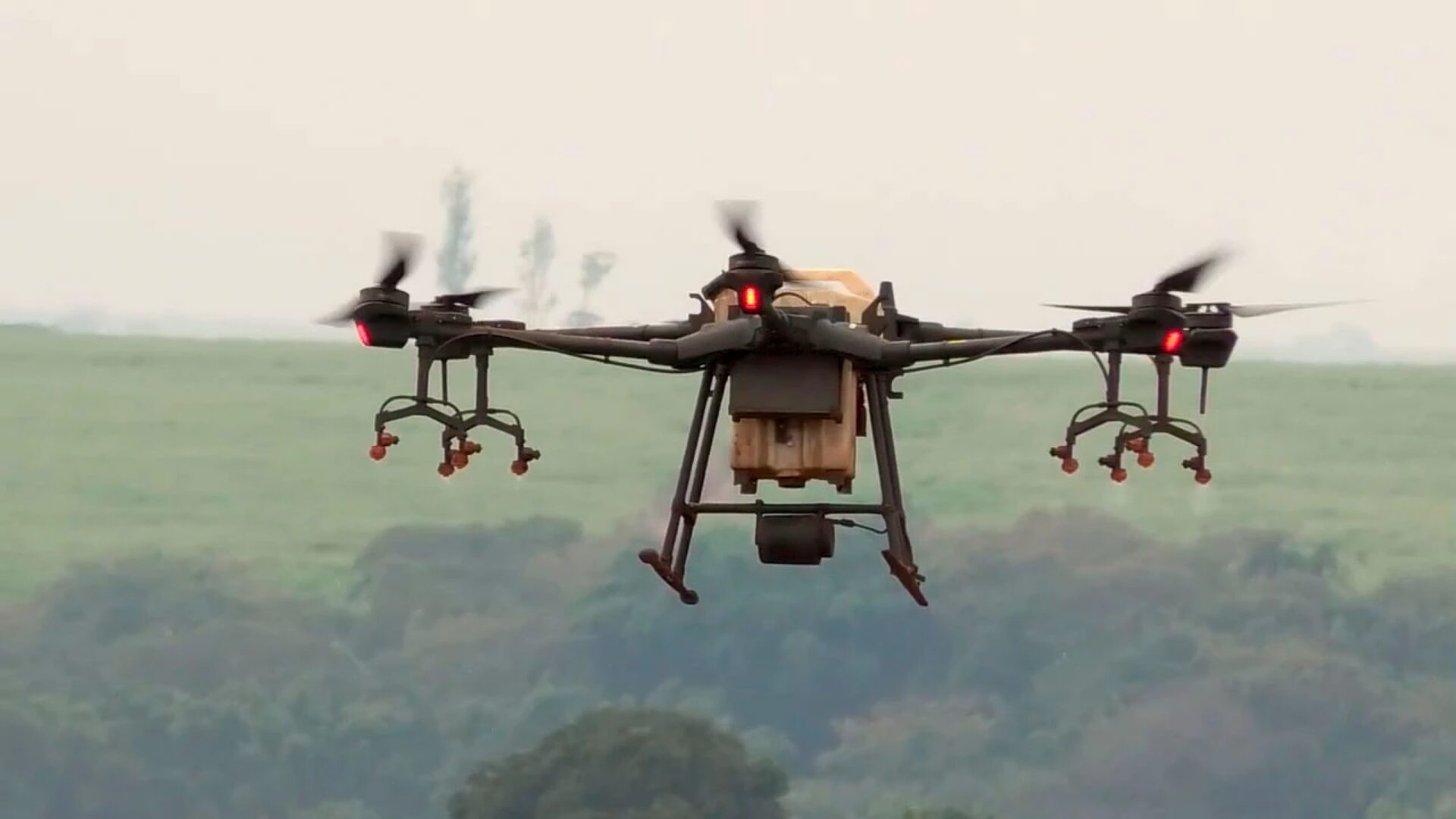
Innovative Experiment Uses Silver Iodide and Drones to Increase Precipitation by 4% in One of the Driest Regions of China
Recently, China conducted a remarkable experiment in climate engineering utilizing drones and silver iodide to induce rain in one of the country’s aridest areas, Xinjiang.
The operation, carried out by the China Meteorological Administration (CMA), resulted in artificial precipitation equivalent to 30 Olympic-sized swimming pools, representing a significant advance in the search for solutions to water scarcity.
Operation Details
The experiment covered over 8,000 km² of area, which is roughly the size of Corsica.
-
The oceans are darkening all over the planet – what is happening?

-
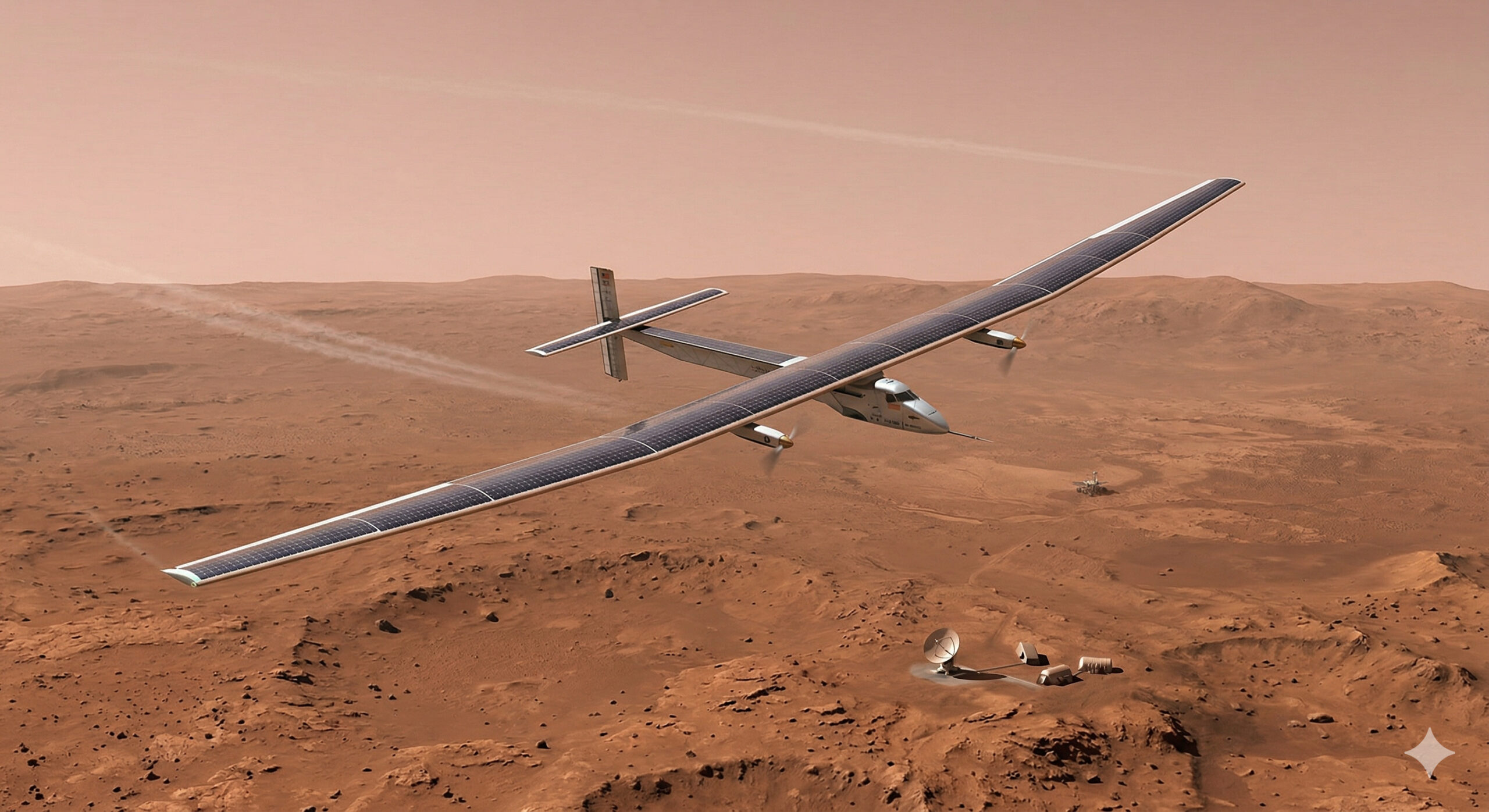
An engineer designs a solar plane to fly on Mars at an altitude of 1,000 meters and a speed of 300 km/h, covering 16,000 kilometers in a Martian year, 900 times the distance traveled by the Ingenuity helicopter in three years on the planet before experiencing a rotor failure, and NASA is already funding the feasibility study.
-
A new phenomenon of contactless magnetic friction intrigues scientists and questions a theory that has been valid since the 17th century.

-
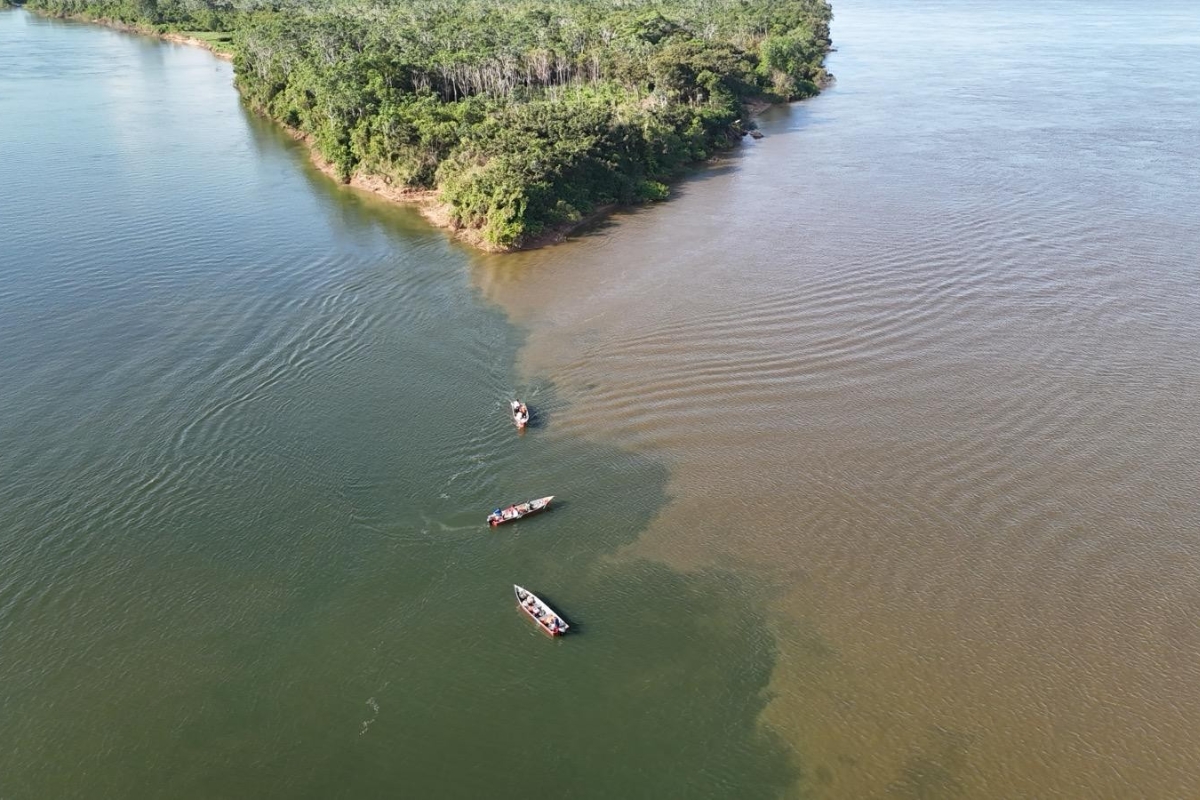
An impressive phenomenon in Northern Brazil causes rivers of different colors to flow side by side, revealing secrets about sediments, currents, and biodiversity.

Using medium-sized drones, the CMA seeded clouds with silver iodide, a substance that has a density six times greater than that of water.
During four flights at an altitude of 5,500 meters, the drones released the compound in smoke form, at a dispersion rate of 0.28 grams per second, using flame bars that contained 125 grams of iodide each.
Impressive Results from China
The results were remarkable, with an increase of over 4% in local precipitation, totaling around 78,200 m³ of additional water.
This increase was corroborated by analyses conducted by supercomputers, droplet spectrometers, and satellite images.
After the seeding, raindrop sizes showed significant growth, increasing from 0.46 mm to 3.22 mm in diameter, as well as a cloud cooling of up to 10°C and a vertical growth of 3 km.
Climate Modification Technologies
Since 2021, the CMA has integrated a sophisticated climate modification system that combines 24 automated ground stations, satellites, and fleets of drones.
This three-dimensional approach allows for large-scale coverage and precision in operations, functioning year-round.
This innovation is vital for regions facing severe droughts and desertification, such as the areas adjacent to the Gobi and Taklamakan deserts, which impact the water supply for 25 million people.
Challenges and Environmental Concerns in China
Despite technological advancements, the experiment in Xinjiang raises questions about the long-term environmental impacts and the actual effectiveness of climate modification interventions.
The practice of cloud seeding has also been applied in other regions of China, such as Guizhou and Sichuan, but scientists still wonder: to what extent can these techniques consistently increase rainfall? What are the possible side effects? And what would be the implications of continuous operations throughout the year?
The Global Race for Climate Solutions
The experiment conducted in China represents a milestone in the global race for artificial climate solutions.
With the simple application of silver iodide, the country demonstrates that it is possible to induce rain in areas where nature can no longer do so.
This innovation could open new possibilities to combat water scarcity and desertification, offering hope to communities facing water challenges.
The use of drones in climate modification not only highlights the potential of technology but also underscores the importance of a careful balance between human intervention and natural processes.
As China advances in this field, the world watches closely, seeking solutions that could be replicated in other regions affected by drought and climate change.
SOURCE: IGNBRASIL








Seja o primeiro a reagir!