





 Portuguese
  English
  Spanish
  5 min of reading
  0 comments


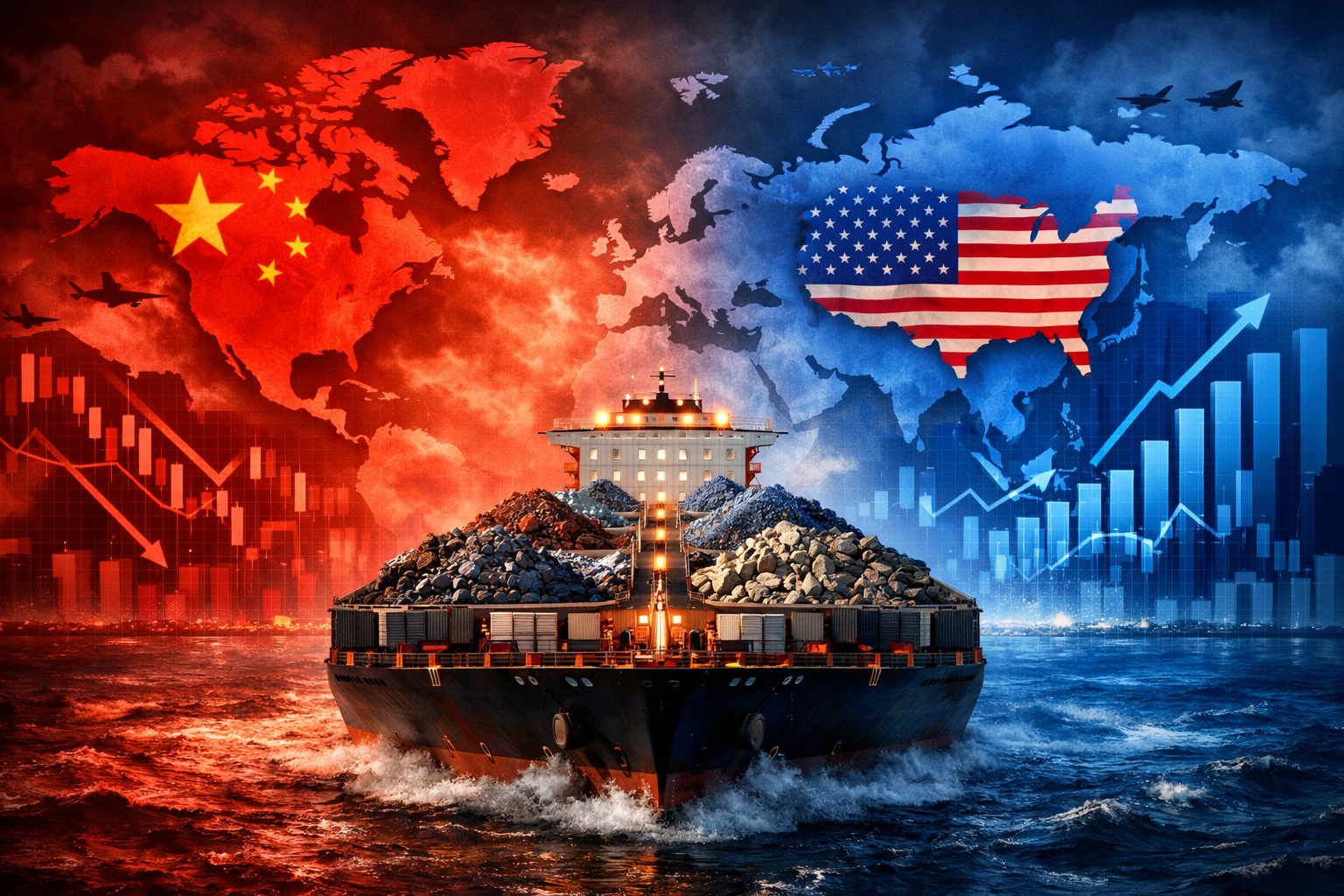
Chinese Restriction on Critical Minerals Raises Tensions Between the Two Largest Powers on the Planet and Redefines Global Trade, National Security, and High-Tech Industry
The dispute between the United States and China has entered an even more sensitive and strategic phase. Now, the center of the clash is not just trade, but rather the control of rare earths, critical minerals that support sectors such as defense, renewable energy, semiconductors, and electric vehicles.
The information was released by “Brasil 247,” based on an analysis by Professor John Mearsheimer, an expert in international relations, in a video titled “China Weaponizes Rare Earths – Washington Strikes Back”. According to the analyst, the decision by Beijing to restrict the export of rare earths represents much more than an economic measure: it is a calculated geopolitical maneuver.
Rare Earths Cease to Be Commodities and Become Instruments of Power
For years, globalization has been defended as a mechanism for economic integration capable of reducing conflicts. However, according to Mearsheimer, this scenario has changed radically. Today, economic interdependence is viewed as strategic vulnerability.
-
USA and China compete for Brazil over resources that could be worth trillions — rare earths put the country at the center of a global dispute

-
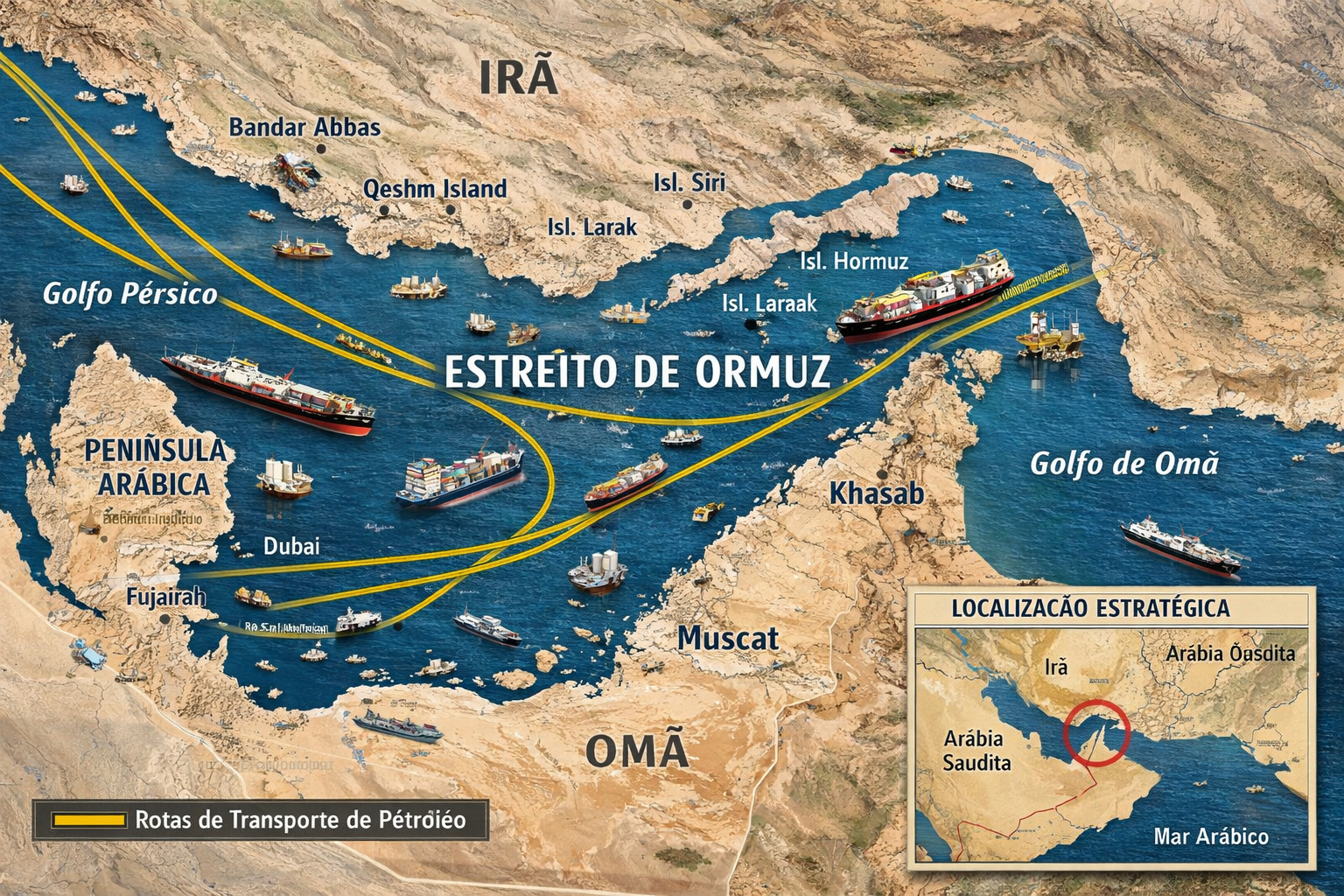
Global summit with over 40 countries pressures Iran for a blockade in the Strait of Hormuz and warns of direct impact on oil, food, and the global economy.
-
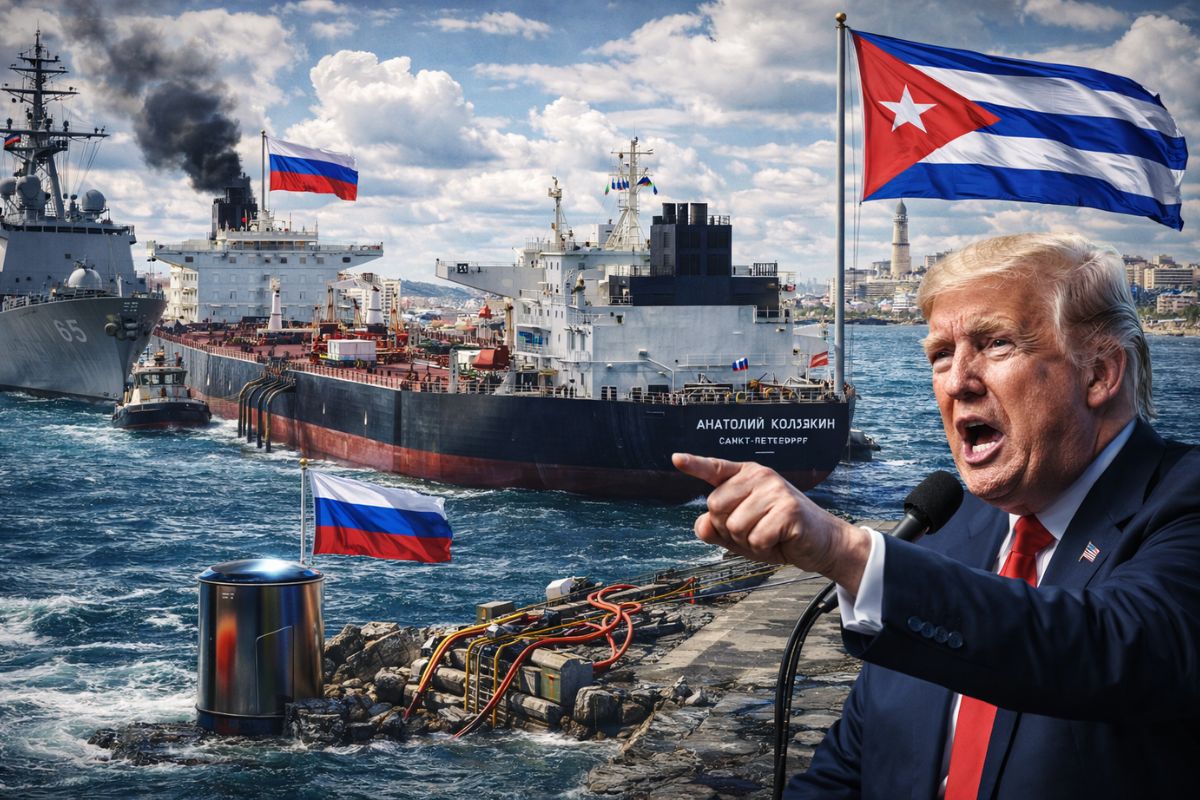
Russia has broken the U.S. maritime blockade to send oil to Cuba and is now loading a second ship while Trump says that “Cuba is next” in a possible military action against the island.
-
Spain challenges the USA and closes its airspace for operations against Iran, raising global tension and provoking the threat of a trade rupture.


China has decided to restrict the export of rare earths—essential elements for advanced technologies and military equipment. By conditioning the sale of these materials on government approval, Beijing has taken direct control over who may or may not access fundamental inputs for technological development.
And this completely alters the global balance.
Rare earths are present in virtually all high-tech products. They are essential in the manufacturing of wind turbines, electric vehicle batteries, defense systems, guided missiles, radars, and semiconductor chips. Therefore, controlling this supply means influencing the future of the global industry.
In this context, Mearsheimer states that “what is at stake is control over the future of high-tech industries.” In other words, the trade dispute has evolved into a strategic confrontation.
Trump Transforms Tariffs Into Economic Weapon

In response to the Chinese decision, Donald Trump reacted aggressively. According to the professor, the then-president described the restrictions as “completely unacceptable” and responded by using trade tariffs as a coercive tool.
However, unlike traditional trade disputes, the goal was not just to balance accounts or correct deficits. Tariffs began to function as a kind of “economic artillery.”
In other words, Washington decided to impose costs on China as a way to pressure Beijing to back down. This stance represents a profound shift in American foreign policy, abandoning the liberal logic of cooperation and adopting a position more aligned with classical realism—where power and coercion define the rules of the game.
Moreover, Trump also used the confrontation as a tool for domestic politics. By hardening the rhetoric against China, he reinforced the narrative of defending American sovereignty among voters. Thus, the geopolitical dispute also gained a domestic dimension.
The Mutual Coercion Trap Between the U.S. and China
On the other hand, the American reaction puts Beijing in a strategic dilemma. If China backs down, it may appear weak before the international community. However, if it intensifies the restrictions, it risks compromising its own model of economic growth.
This scenario creates what Mearsheimer calls the “mutual coercion trap.” Each move by one power generates a response from the other, progressively escalating the tension.
And here lies the central point: neither superpower can demonstrate vulnerability. In great power politics, according to the analyst, appearing weak is practically a fatal mistake.
Consequently, rivalry tends to crystallize. Economic interdependence, which was once seen as a guarantee of stability, is now interpreted as strategic risk.
The Global Impact of the Dispute Over Strategic Minerals
The consequences of the dispute between the United States and China extend beyond the borders of the two countries. In practice, the trade war involving rare earths threatens to disrupt global supply chains and pressure strategic allies.
Japan, South Korea, and European countries heavily depend on these minerals to maintain their technological industries. Therefore, any restriction on supply creates immediate instability in the international market. Additionally, dependence on China, which dominates a large part of the refining and processing chain for these minerals, increases global vulnerability.
At the same time, the United States is trying to accelerate supplier diversification policies and investments in domestic mining. However, building a complete production chain for rare earths requires time, capital, and advanced technological infrastructure.
Meanwhile, the dispute redefines international trade. What was once seen as economic integration is now interpreted as an instrument of national power. Trade has ceased to be merely a means of cooperation and has become a strategic battleground.
According to Mearsheimer, this episode symbolizes the end of the illusion that globalization would bring automatic stability between great powers. On the contrary, the world is moving towards fragmentation into rival economic blocs.
Trade as the Battlefield of the 21st Century
The Chinese restriction on rare earths represents a milestone in the transformation of trade into an instrument of national security. In this way, tariffs, sanctions, and export controls have come to function as mechanisms of economic coercion.
Furthermore, the escalation creates a domino effect in the international system. Global companies face regulatory uncertainties, supply chains become more expensive, and governments start to reassess industrial strategies.
Therefore, the confrontation between China and the United States goes far beyond tariffs. It is a structural dispute for technological hegemony, control of strategic minerals, and global leadership.
In summary, control over rare earths has become a symbol of the new geopolitical era. Whoever controls critical minerals controls the foundation of technological innovation, military industry, and the digital economy.
Do you believe that control over strategic minerals can redefine the global balance of power in the coming years?








Seja o primeiro a reagir!