





 Portuguese
  English
  Spanish
  4 min of reading
  0 comments


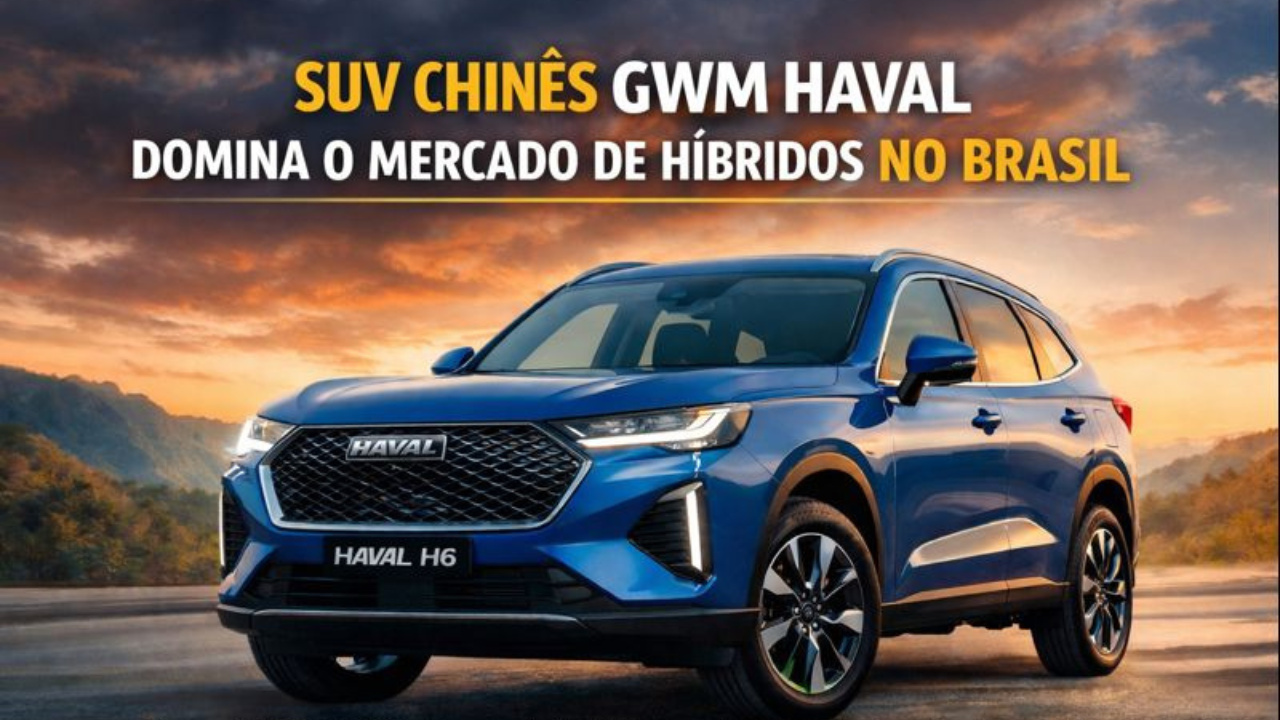
GWM Haval H6 2026 Leads The Hybrid Market In Brazil And Shows Why The Chinese SUV Became A Sales Reference.
The GWM Haval, the main bet of the Chinese automaker in the country, ended 2025 as the protagonist of the Brazilian hybrid market.
The Haval H6 2026 was the most registered hybrid car in Brazil last year, with 28,016 units, according to data from the Brazilian Electric Vehicle Association.
This performance confirms the consolidation of the Chinese SUV in Brazil, driven by energy efficiency, a robust technology package, and competitive positioning.
-
Less than a Tera TSI, up to 710 km of range and charging in 9 minutes: the new BYD Song Ultra expands the Chinese brand’s bet on increasingly faster, more technological, and competitively priced electric SUVs.

-
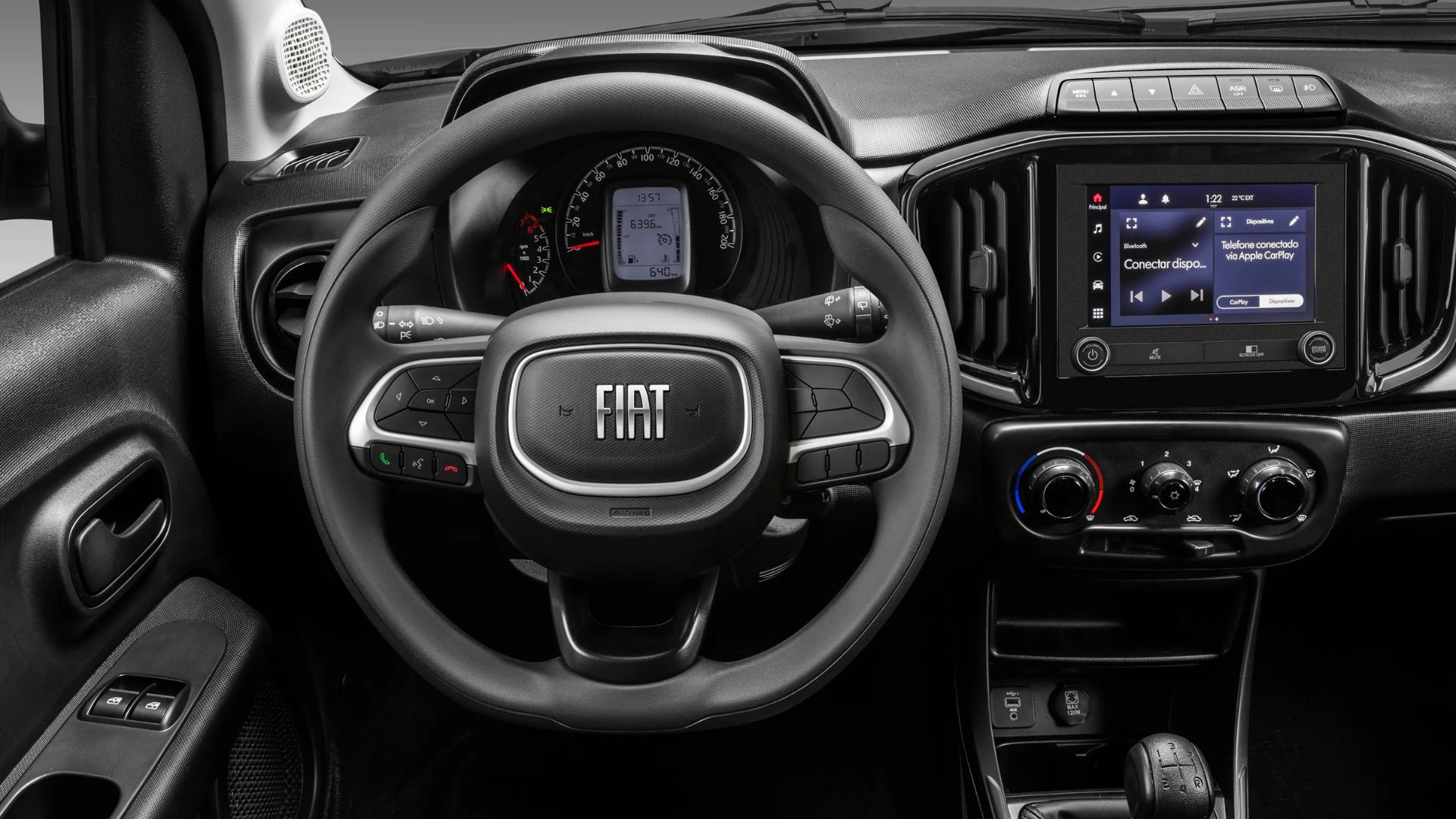
With a 1.0 engine producing 75 hp and costing less than R$ 70,000, Fiat’s car returns to the podium as the cheapest in the country; a temporary promotion for the 2026 Like version reduces the price of the Fiat Mobi.
-
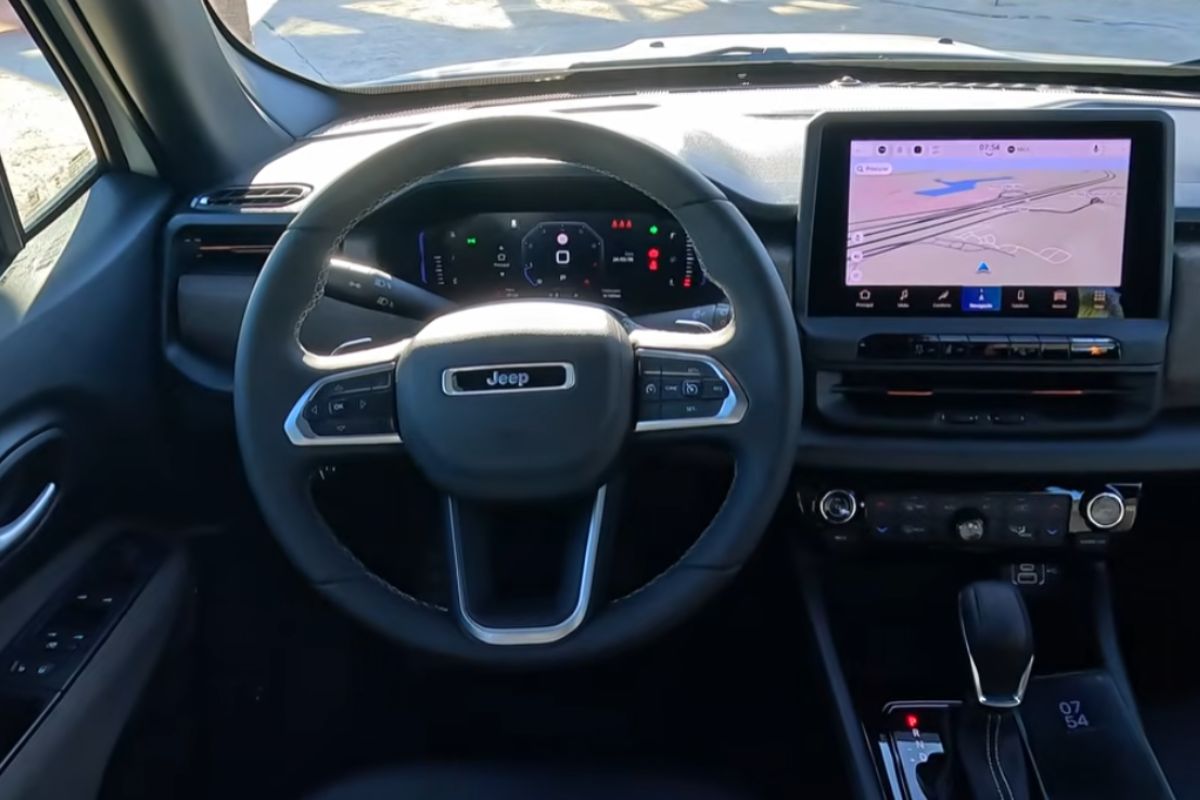
With a mild hybrid system of 48 V, 176 hp and a price of R$ 175,990 in the Sahara version, the new Jeep Renegade changes mostly on the inside, improves slightly in fuel consumption, and remains almost the same car.
-
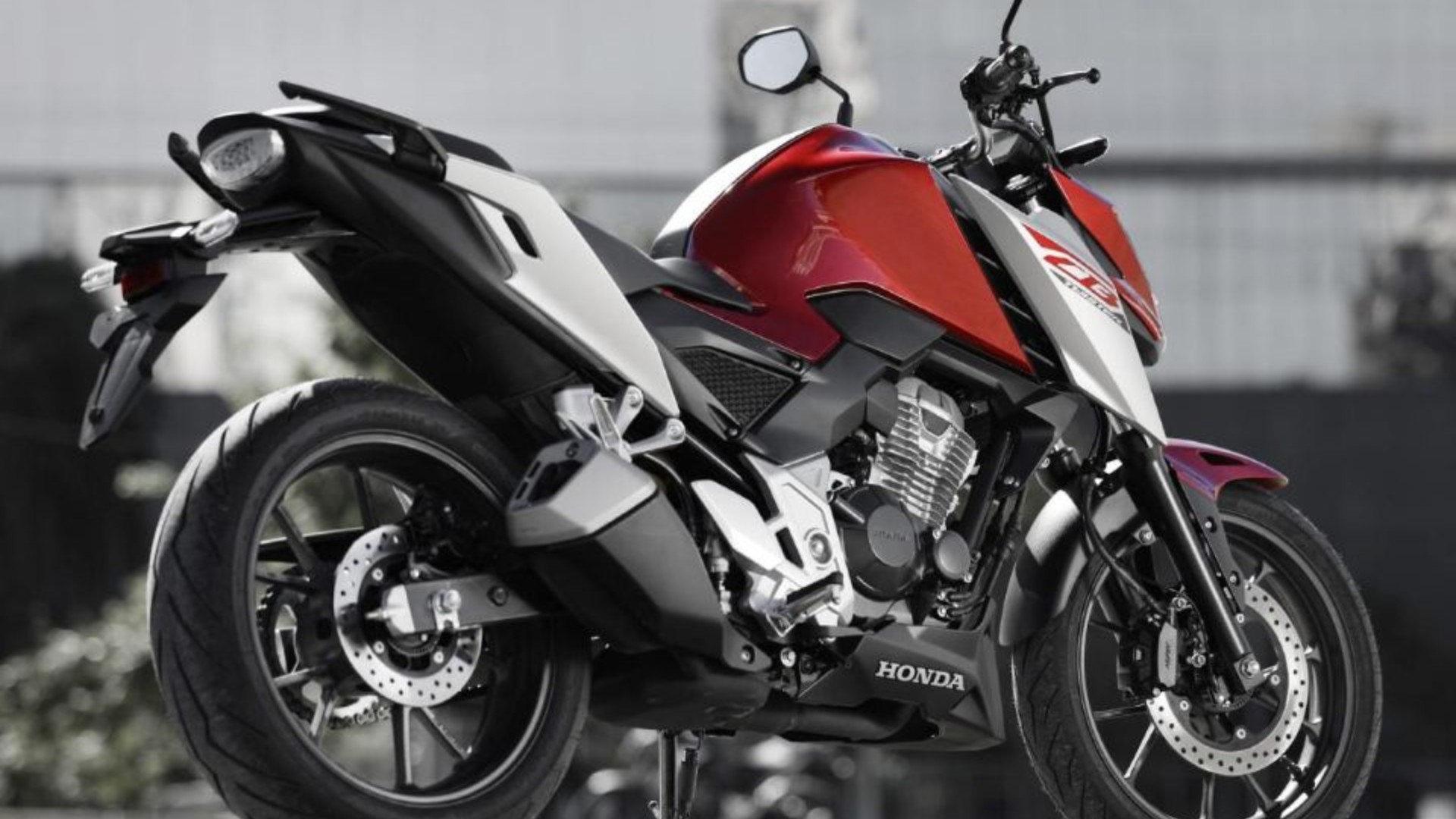
With a 293.5 cm³ engine and a range of up to 400 km with a 14.1-liter tank, the Honda CB 300F Twister 2026 has up to 24.7 hp, an initial price of R$ 25,150, and already exceeds R$ 29,000 in the Fipe Table.

The result was achieved in a scenario of accelerated electrification growth in the country.
Furthermore, the leadership reinforces GWM’s strategy to increase its share in the hybrid segment, targeting consumers looking for fuel economy without sacrificing performance and comfort.
Why GWM Haval Leads The Hybrid Market
The success of GWM Haval is directly linked to the proposal of the full hybrid H6.
The HEV2 version dispenses with external charging, making it easier for Brazilian consumers to adapt to the technology.
Thus, the model combines an internal combustion engine and electric propulsion automatically, optimizing consumption and emissions in urban use.
Meanwhile, the starting price of around R$ 223 thousand positions the SUV as a real alternative against traditional rivals.
In this way, the Chinese SUV in Brazil advances not only due to cost-benefit but also due to the level of equipment offered from the entry-level versions.
Haval H6 2026 Receives Mechanical Improvements And Maintains High Performance
In the Haval H6 2026 line, the mechanical set received important updates.
The 1.5 turbo gasoline engine now incorporates solutions used in the Wey 07, such as water intercooler, variable oil pump, and electronic water pump.
On its own, the engine delivers 150 hp and 24.4 kgfm.
Together with the electric motor, the hybrid system achieves 243 hp of combined power and 55 kgfm of torque.
The two-speed automated transmission and the 1.6 kWh battery complete the package, prioritizing smoothness and efficiency in daily use.
Flex Engine Hasn’t Arrived Yet, But There Is Already A Forecast
Despite the leadership in the hybrid market, the GWM Haval still does not offer a flex engine in the H6.
The automaker confirmed that the ethanol-compatible version is expected to be presented only in the second half of the year, already as the 2027 line.
On the other hand, the absence of the flex system has not hindered sales growth.
On the contrary, the model has benefited from the growing demand for hybrid cars in major urban centers, where reduced consumption is a decisive factor.
Suspension And Brakes Were Recalibrated In The 2026 Line
Another relevant evolution of the Haval H6 2026 is in vehicle dynamics.
The braking system received electronic actuators instead of the previous hydraulic set, improving response in more demanding braking situations.
Additionally, the suspension underwent structural adjustments.
The old bump stops were replaced with firmer components, with less travel, which brought more stability without compromising comfort, especially in urban use.
Updated Visual Reinforces The Identity Of The Chinese SUV In Brazil
The external design has also evolved, albeit in a targeted manner.
The HEV2, PHEV19, and PHEV35 versions received a new front grille and LED signature that descends from the headlights, forming a design reminiscent of a “claw.”
The result is a more modern look aligned with the technological proposal of the GWM Haval.
At the rear, the assembly remains with interconnected taillights by an LED strip.
The GT version, in turn, preserves the previous visual, even already classified as the 2026 line.
Internal Space, Technology, And Comfort Remain Highlights
The 560-liter trunk continues to be one of the model’s differentiators.
The electric tailgate remains standard, reinforcing the family proposal of the Chinese SUV in Brazil.
Inside, one of the main changes addresses recurring criticisms.
The multifunction steering wheel has been redesigned, now with two spokes and a thicker rim. There is also a new cup holder and a more powerful 50W induction charger.
The 14.6-inch multimedia center debuts the Coffee system, with wireless Android Auto and Apple CarPlay.
The customizable layout allows the driver to organize functions like on a smartphone, enhancing the user experience.
GWM Haval Consolidates Its Position In The Brazilian Market
By leading the hybrid market in 2025, the GWM Haval H6 2026 solidifies its position as a reference among electrified SUVs.
The commercial performance indicates that Brazilian consumers have begun to see Chinese SUVs in Brazil as reliable, technological, and competitive options.
Thus, the H6 not only dominates the hybrid segment but also redefines the space of Chinese brands in the national automotive market.
See more at: Video: GWM Haval H6 HEV 2026, What We Liked (Or Not) In 1 Month Of Testing








Seja o primeiro a reagir!