





 Portuguese
  English
  Spanish
  3 min of reading
  0 comments


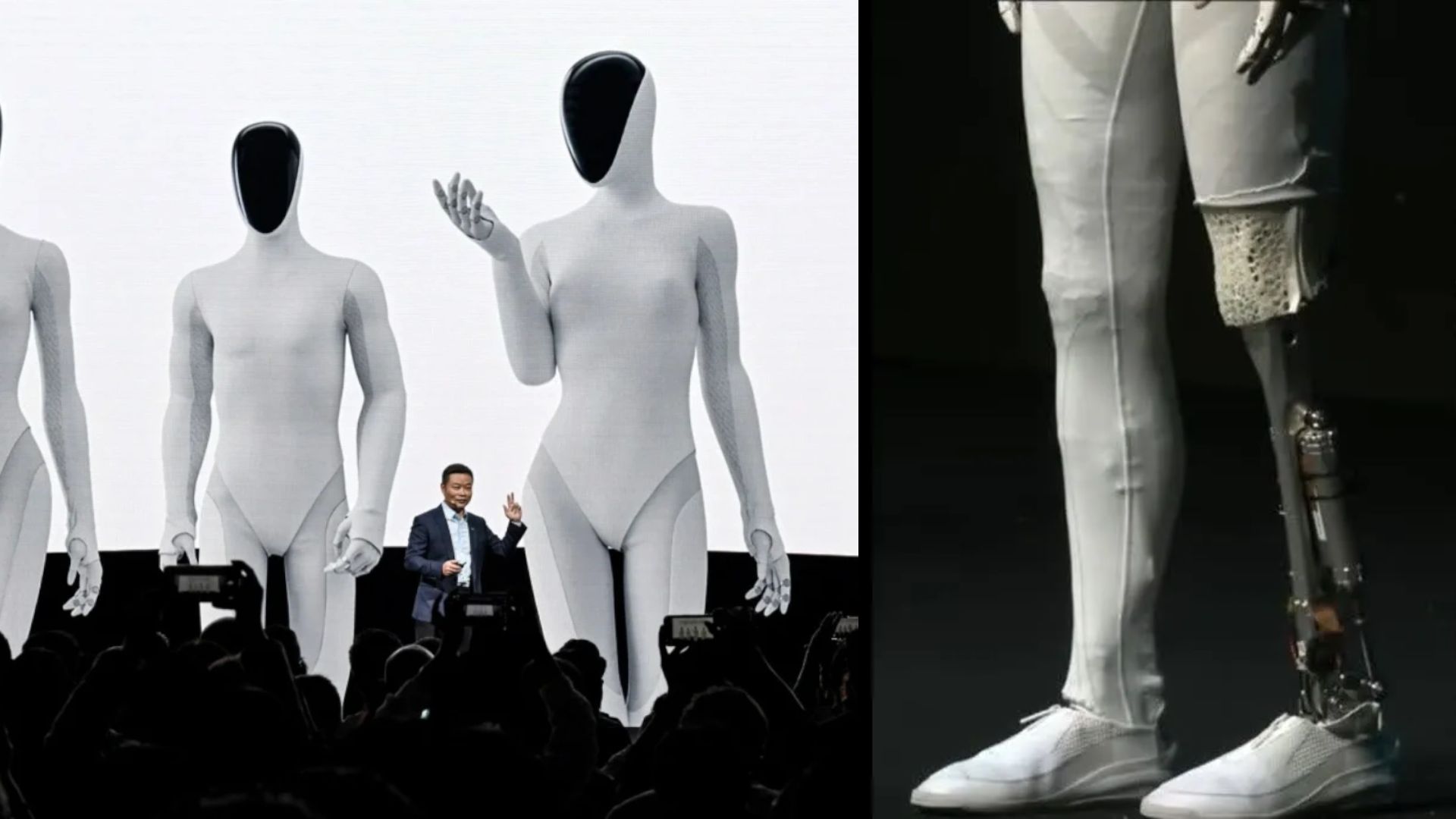
The Revelation of XPeng, Known Worldwide for Its Electric Cars and Innovations in Autonomous Mobility, Rekindled the Debate on the Boundaries Between Humans and Machines by Exposing the Internal Mechanics of the Humanoid Robot Iron, Capable of Disturbingly Accurate Imitation of Human Gestures
XPeng, a Chinese company recognized for revolutionizing the electric vehicle sector, once again drew attention by presenting new images of the humanoid robot Iron. The video, published on the company’s official channels, shows the automaton moving with such naturalness that many viewers doubted it was a real machine.
In light of the suspicions, XPeng decided to prove that Iron was indeed a robot. In a new video, engineers removed parts of the outer shell and revealed the internal components that ensure the impressive realism of the movements. This exposure served to demonstrate the level of sophistication achieved by Chinese robotics and reaffirm the company’s technological dominance in the field of physical intelligence.
The Video That Revealed the Bionic Interior of Iron
In the released video, the robot is seen performing choreographed movements with nearly human-like fluidity. It then shows its structure being partially disassembled, revealing actuators, cables, and servomotors that simulate human muscles and joints. The narration by XPeng’s CEO, He Xiaopeng, explains that Iron has been trained to observe real dancers and learn a choreography in just a few hours, something that previously required weeks of manual adjustments.
-
Scientists have finally discovered where the plastic that disappeared from the oceans went, and the answer is frightening: it fragmented into such tiny particles that they became invisible and now there are 27 million tons of nanoplastic just in the North Atlantic.

-
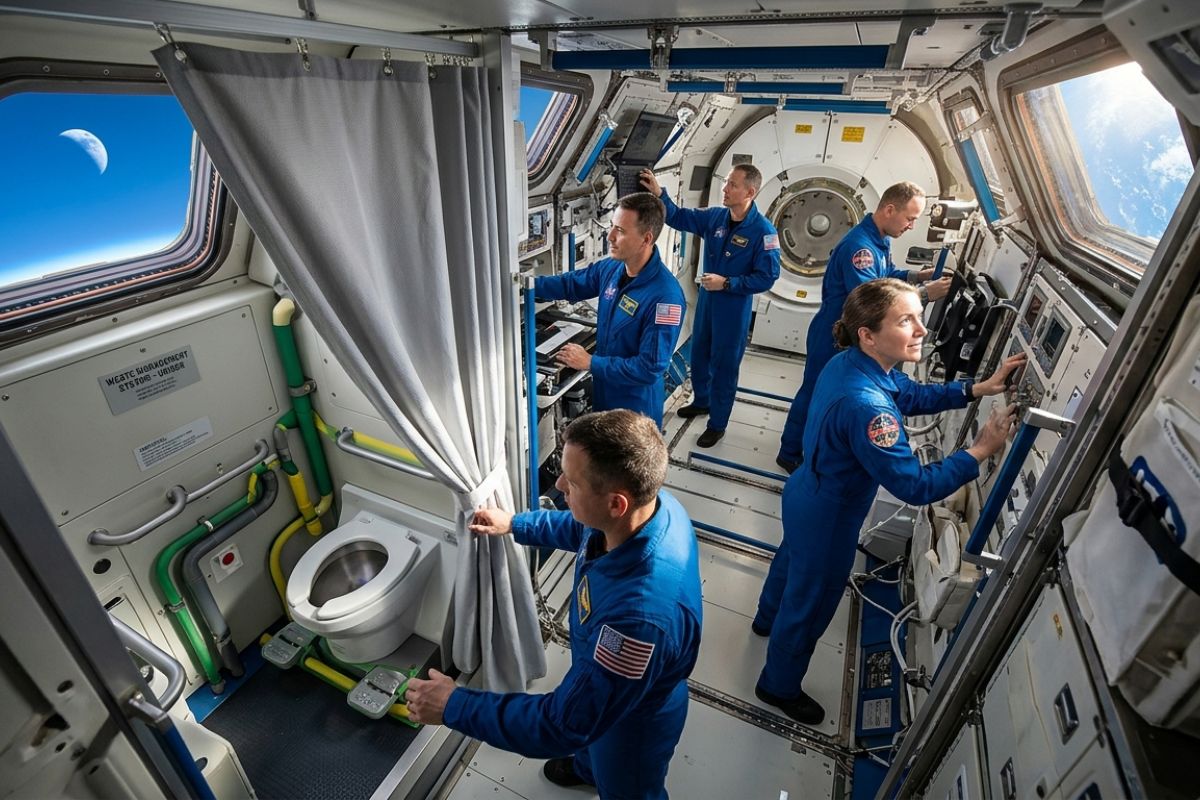
The Artemis II mission will take the Orion capsule back to the vicinity of the Moon with four astronauts, a private bathroom with a curtain, a system adapted for men and women, and a level of comfort that highlights how the Apollo era operated at the rawest limits of space exploration.
-
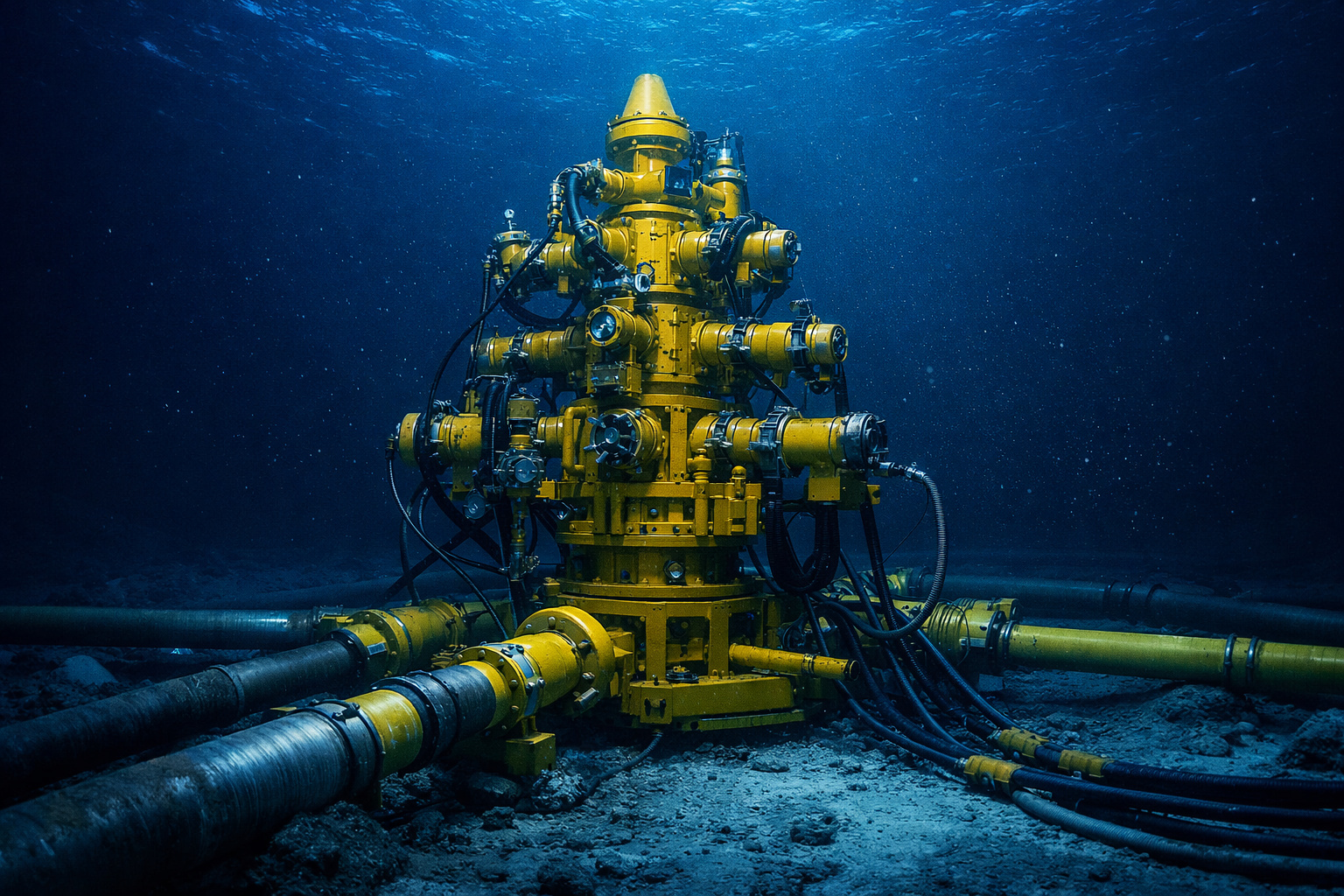
Giant structures on the seabed precisely control oil and reveal how high-tech underwater valves work.
-
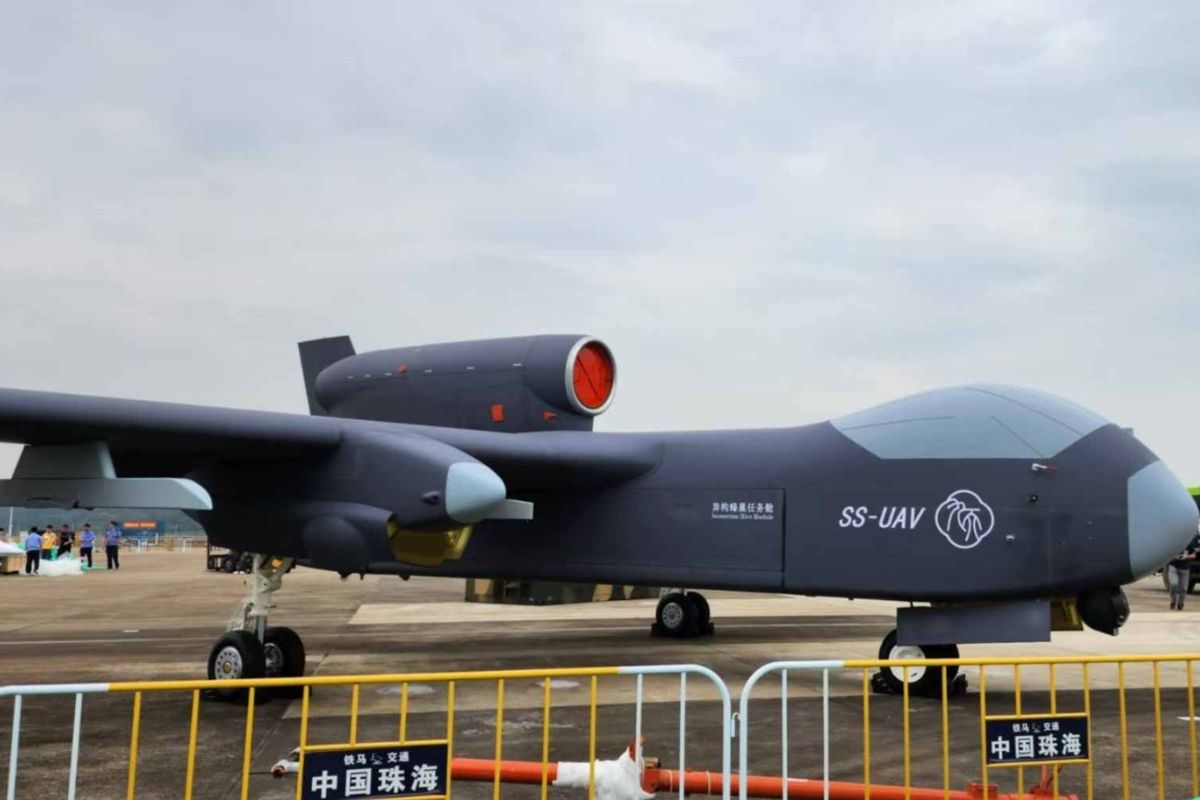
China has just tested a giant drone the size of a fighter jet with a wingspan of 25 meters that carries 6 tons, flies for 12 hours, and the most frightening part: it can launch entire swarms of smaller drones directly from the air.

According to XPeng, the secret to the realism lies in its artificial spine, designed to allow for wide bending of the torso and to maintain balance even without the outer shell. Iron has 82 degrees of freedom and hands with 22 independent joints, which ensures precision and stability in all movements — features that place it among the most advanced humanoids ever built.
This information was disclosed by XPeng during a series of presentations that marked the XPENG AI Day, an annual event held in Guangzhou, where the company highlighted advancements in its intelligent robotics division.
AI Power and Bionic Structure: The Future of XPeng
During XPENG AI Day, XPeng also presented a new version of Iron equipped with three Turing AI chips, achieving 3,000 TOPS of computational capacity. This power enables the robot to interpret visual data in real time, learn movement patterns, and instantly adjust its response.
Another highlight is the use of fully solid-state batteries, deemed by the company to be safer and more durable — a technology that could redefine the future of continuous-use robots. The design follows the concept of “born from within,” recreating artificial muscles, flexible skin, and bionic systems. This approach aims to ensure that Iron performs tasks with the same fluidity as a human, especially in corporate and industrial environments.
XPeng has been consolidating its strategy of integration between robotics, autonomous vehicles, and aerial mobility, investing in its own infrastructure for data processing and training of physical AI models. The stated goal is to place humanoids like Iron into commercial use by 2026, initially in service and industrial inspection environments, with Baosteel being one of the first confirmed partners for the tests.
A Response to Doubt and a Step Toward the Future
By publicly dismantling Iron, XPeng not only responded to criticisms regarding the robot’s realism but also reinforced its leadership role in the sector. The exposure of the internal components revealed the care taken with every detail of the engineering — a combination of precision mechanics, learning software, and human body-inspired design.
This demonstration also served as a symbolic milestone: the boundary between man and machine is becoming increasingly thin. Iron represents not only a technical advancement but a harbinger of what large-scale interactions between humans and robots may look like.
According to an article published by XPeng and reproduced in international media, the company’s plan is to expand its line of humanoids and, in the long term, integrate physical artificial intelligence into its other areas of operation, including cars and autonomous aircraft.










-

-

-

7 pessoas reagiram a isso.