





 Portuguese
  English
  Spanish
  4 min of reading
  0 comments


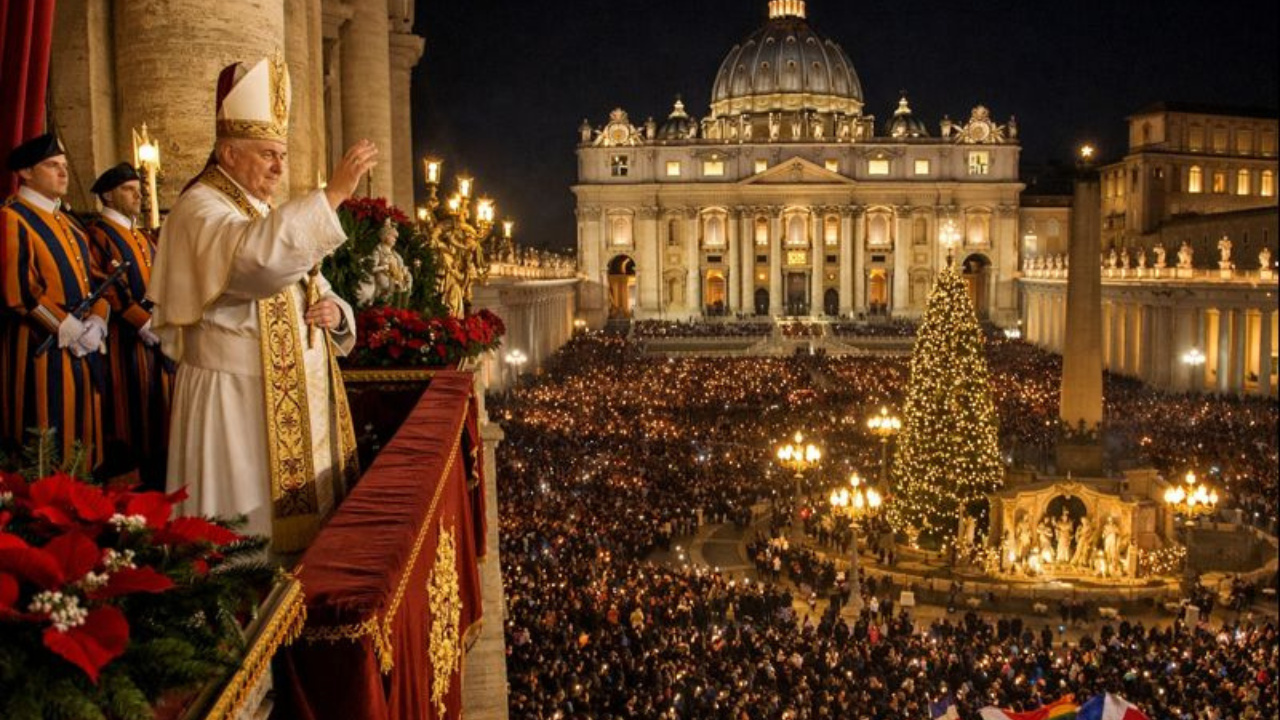
Pope Leo XIV Uses Christmas in Vatican and the Urbi et Orbi Message to Denounce War in Gaza and Other International Conflicts.
During Christmas at the Vatican, celebrated on this Thursday (25), Pope Leo XIV delivered one of the most compelling speeches of his pontificate.
While lamenting the effects of the war in Gaza and other international conflicts, he highlighted the suffering of civilian populations in different regions of the world.
The announcement took place at St. Peter’s Basilica in Vatican City.
-
USA and China compete for Brazil over resources that could be worth trillions — rare earths put the country at the center of a global dispute

-
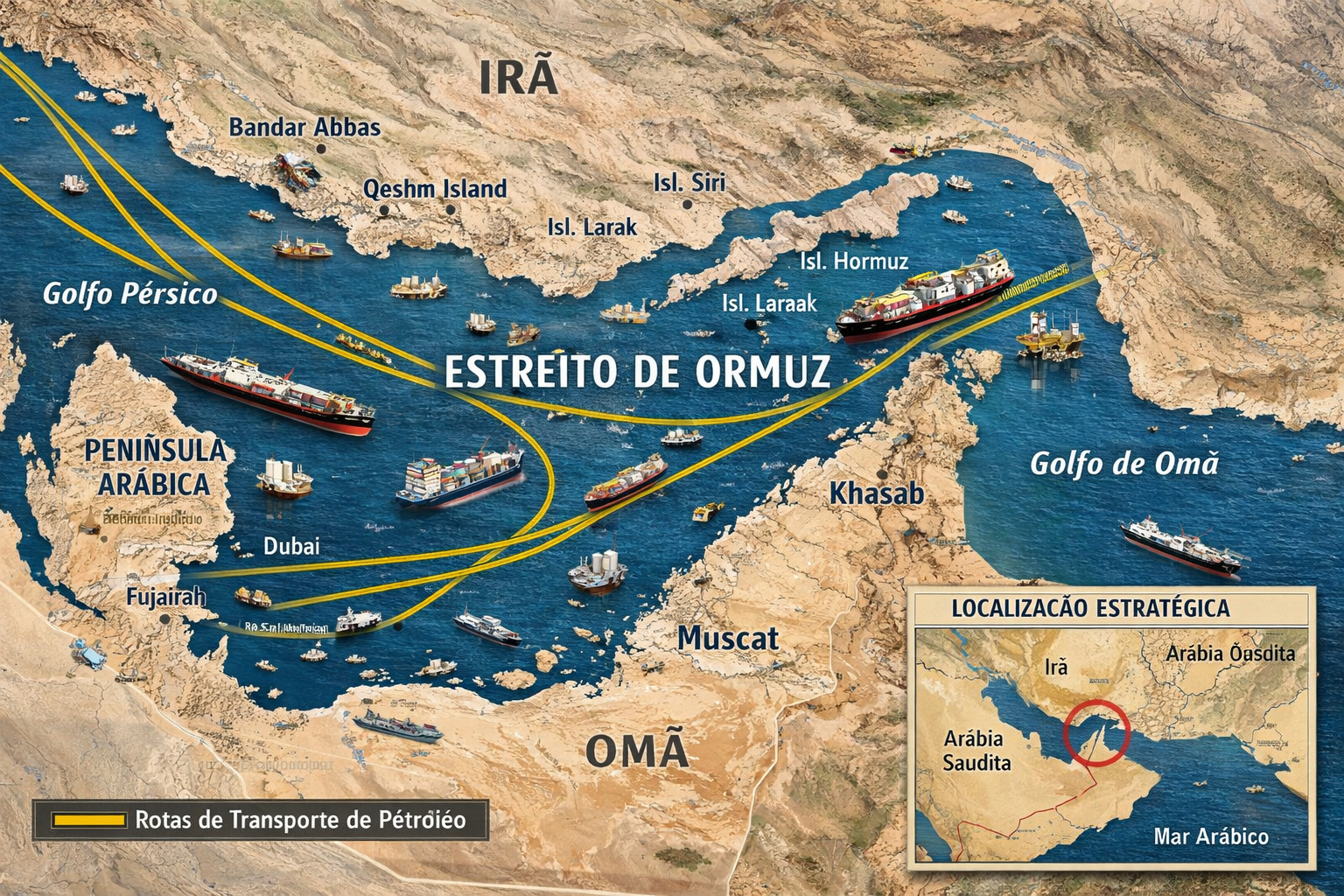
Global summit with over 40 countries pressures Iran for a blockade in the Strait of Hormuz and warns of direct impact on oil, food, and the global economy.
-
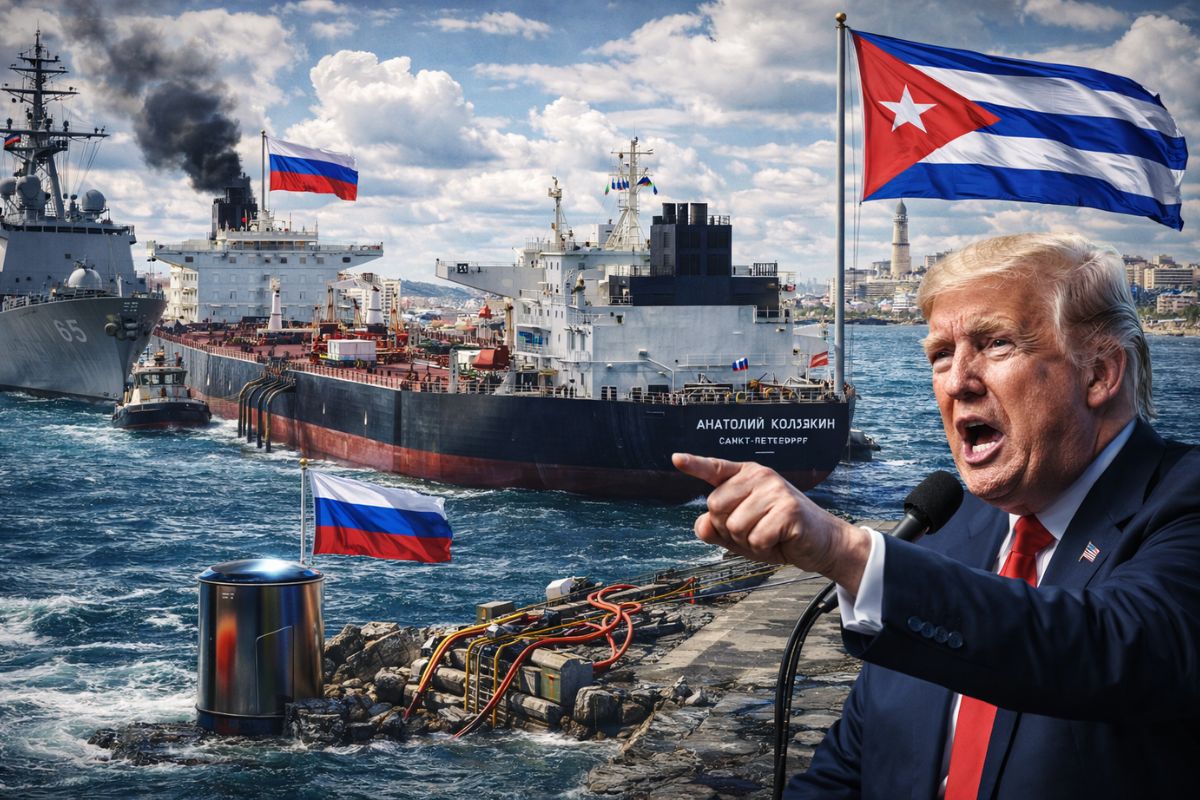
Russia has broken the U.S. maritime blockade to send oil to Cuba and is now loading a second ship while Trump says that “Cuba is next” in a possible military action against the island.
-
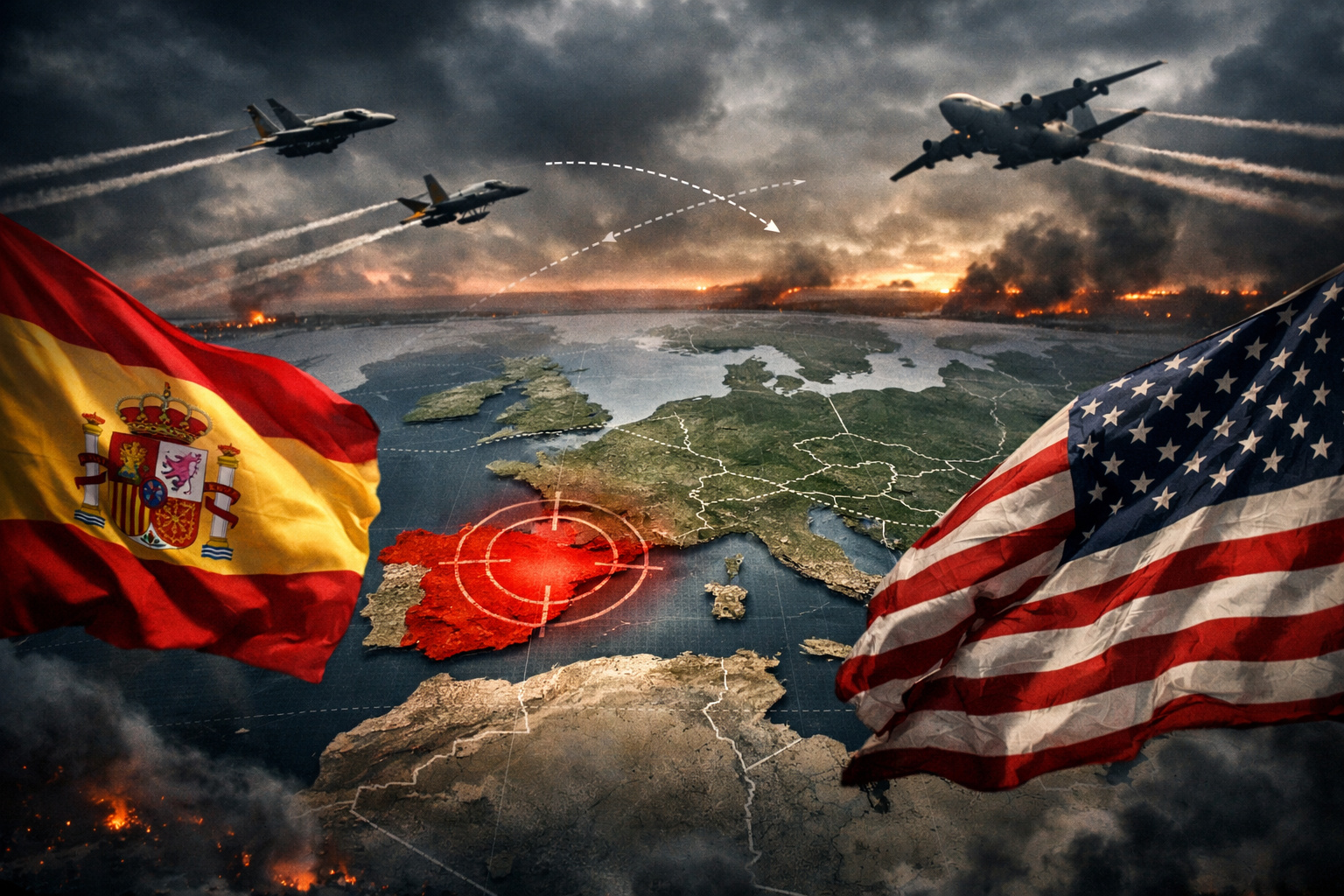
Spain challenges the USA and closes its airspace for operations against Iran, raising global tension and provoking the threat of a trade rupture.

During the traditional Christmas celebration that marks the birth of Jesus for Christians around the globe.
On the first Christmas of his pontificate, Leo XIV chose a direct and humanized approach.
Using the biblical narrative of the birth of Christ to draw attention to current humanitarian crises.
According to the pontiff, the fragility symbolized by the nativity scene is reflected today in populations exposed to violence, hunger, and forced displacement.
War in Gaza Takes Center Stage in Christmas Sermon
When addressing the war in Gaza, the pope compared the birth of Jesus in a stable to the conditions faced by thousands of displaced Palestinians.
He recalled that God, according to Christian tradition, “pitched His fragile tent” among men, connecting this symbolism to current makeshift tents in conflict zones.
“How, then, can we not think of the tents in Gaza, exposed for weeks to rain, wind, and cold?” questioned the pontiff, in one of the most striking passages of the sermon.
Moreover, Leo XIV again advocated for a lasting solution to the conflict between Israelis and Palestinians, reiterating that peace will only be possible with the recognition of a Palestinian state, a position he had previously expressed to journalists.
Humanitarian Aid and Displaced Population
Despite the ceasefire established in October between Israel and Hamas, after two years of intense military operations, humanitarian agencies warn that the humanitarian aid reaching the Gaza Strip is still insufficient.
Currently, almost the entire local population remains displaced, facing shortages of food, water, and medical assistance.
During the mass, the pope broadened the focus by mentioning that the humanitarian tragedy is not restricted to the Middle East.
But affects millions of people in different regions affected by wars and prolonged crises.
Urbi et Orbi Message Reinforces Call for Global Peace
In the traditional Urbi et Orbi Message, pronounced from the central balcony of St. Peter’s Basilica, Leo XIV made an emphatic appeal for the end of all armed conflicts.
The blessing, addressed “to the city and to the world,” is one of the most symbolic moments in the Catholic liturgical calendar.
The pope directly cited situations of violence and instability in Ukraine, Sudan, Mali, Myanmar, Thailand, and Cambodia,
emphasizing that political, social, and military wars continue to cause human suffering on a global scale.
Ukraine and Asian Border Enter the Discourse
When mentioning Ukraine, Leo XIV stated that the people of the country have been “tormented” by violence, especially in light of the threat posed by Russian troops to strategic cities in the east.
According to him, the conflict requires immediate dialogue with the support of the international community.
“May the clamor of arms cease and may the parties involved, with the support and commitment of the international community, find the courage to engage in sincere, direct, and respectful dialogue,” he declared.
Regarding the clashes between Thailand and Cambodia, which have already left dozens dead, the pope called for the restoration of “ancient friendship” between the nations, advocating for reconciliation and regional cooperation.
Criticism of War and Defense of the Most Vulnerable
During the celebration, the pontiff also highlighted the psychological and social impact of wars on young people forced to take up arms.
For him, these conflicts leave not only material destruction but also deep wounds in the minds and lives of entire generations.
“Fragile are the minds and lives of young people forced to take up arms, who at the forefront feel the absurdity of what is demanded of them,” he stated.
A Christmas Marked by Diplomacy and Empathy
Known for a more diplomatic and reserved style than his predecessor, the pope surprised
By adopting a firm tone, without directly citing political leaders, but maintaining clear criticisms of policies that marginalize immigrants, refugees, and the poor.
Thus, Christmas in the Vatican in 2025 solidified as a milestone in the beginning of Pope Leo XIV’s pontificate.
Thus, reinforcing his commitment to peace, human dignity, and the search for solutions to the major international conflicts that challenge the contemporary world.








Seja o primeiro a reagir!