





 Portuguese
  English
  Spanish
  3 min of reading
  54 comments


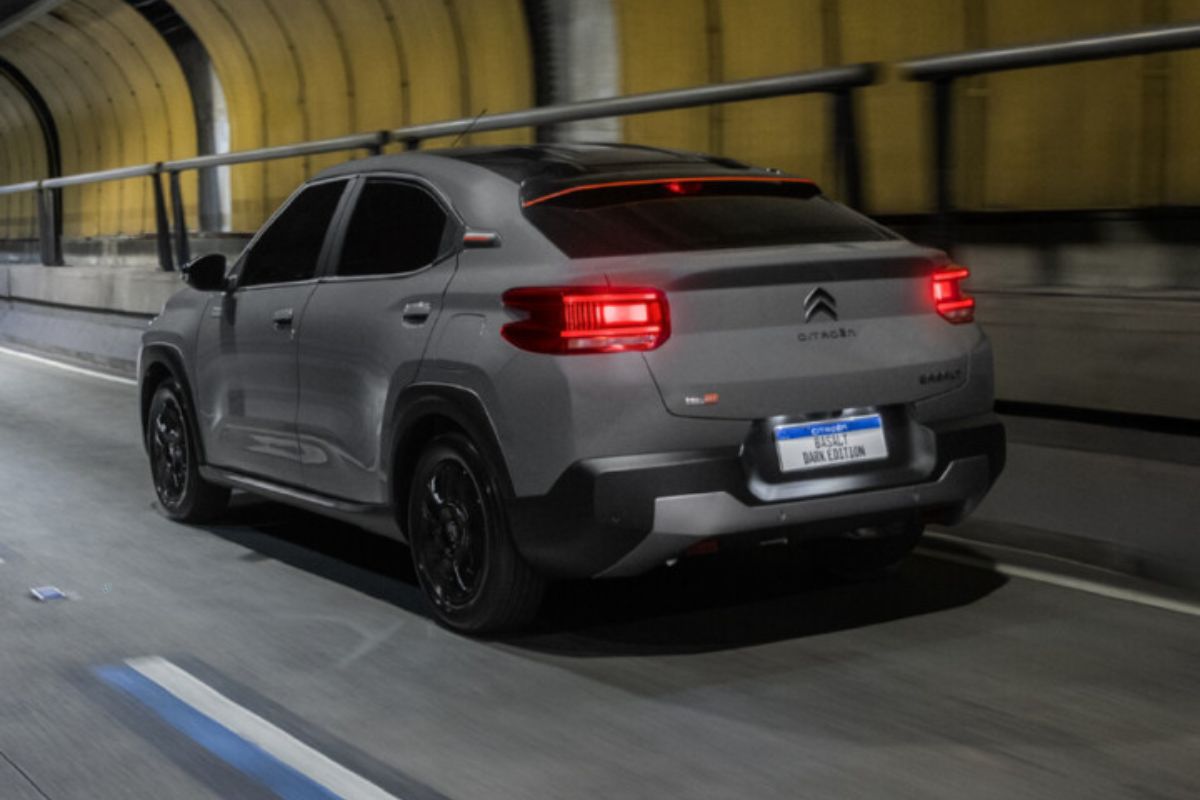


Even With Changes in Design, Comfort Items, and Prices, Citroën Remains Behind Competitors: No Model From the Brand Surpassed 2,000 Sales in a Month This Year.
In September 2025, Citroën announced a series of changes to its main models in Brazil after months of criticism from automotive journalists and consumers.
The reaction came only after weak sales results and the negative repercussions of basic details, such as a simplified key, the absence of a power window button in the rear doors, and finishes considered below average for the national market.
What Changed in the Citroën C3
The compact hatch now comes in five versions — Live, Live Pack, Feel, XTR, and Shine.
-
Less than a Tera TSI, up to 710 km of range and charging in 9 minutes: the new BYD Song Ultra expands the Chinese brand’s bet on increasingly faster, more technological, and competitively priced electric SUVs.

-
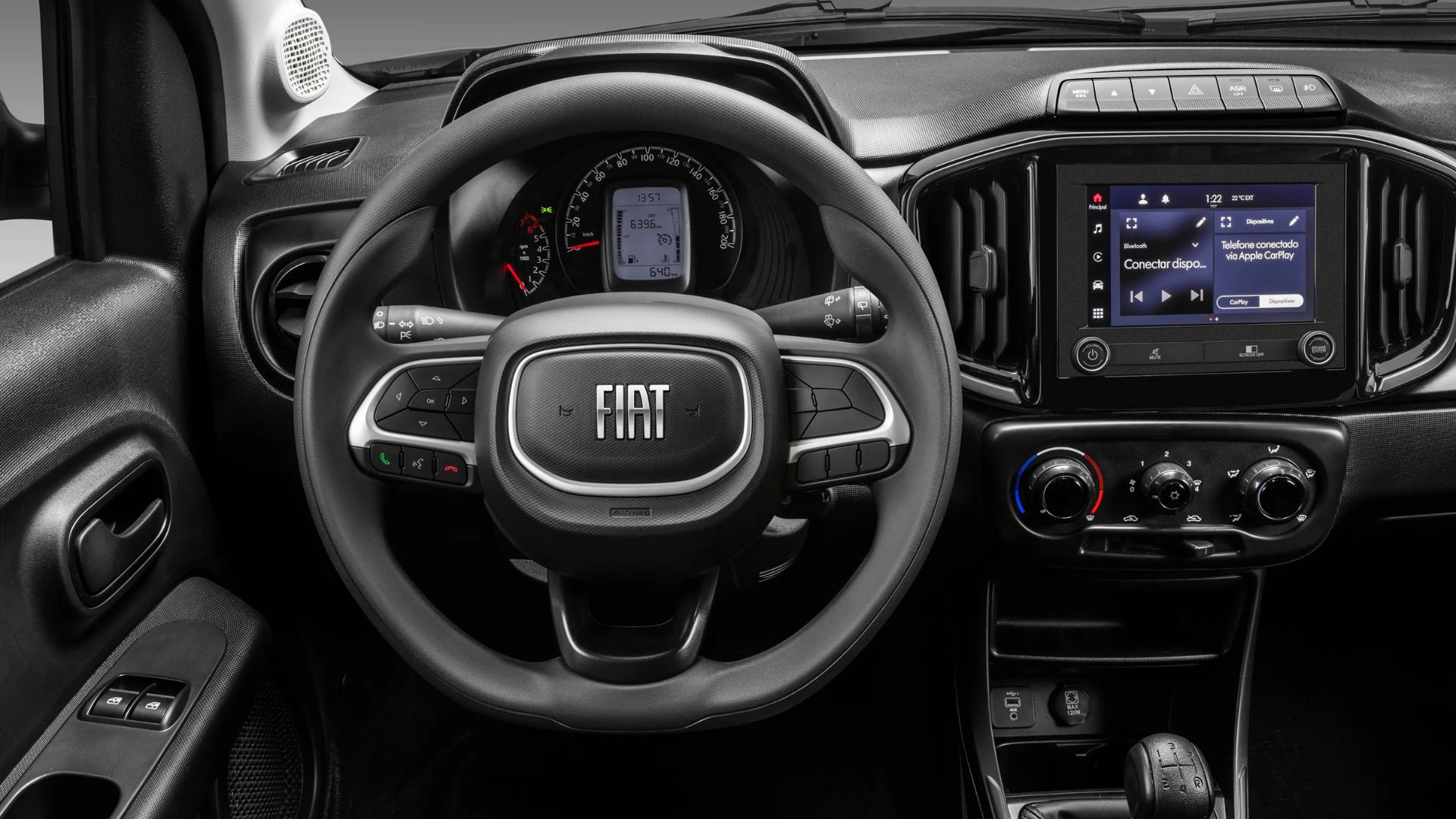
With a 1.0 engine producing 75 hp and costing less than R$ 70,000, Fiat’s car returns to the podium as the cheapest in the country; a temporary promotion for the 2026 Like version reduces the price of the Fiat Mobi.
-
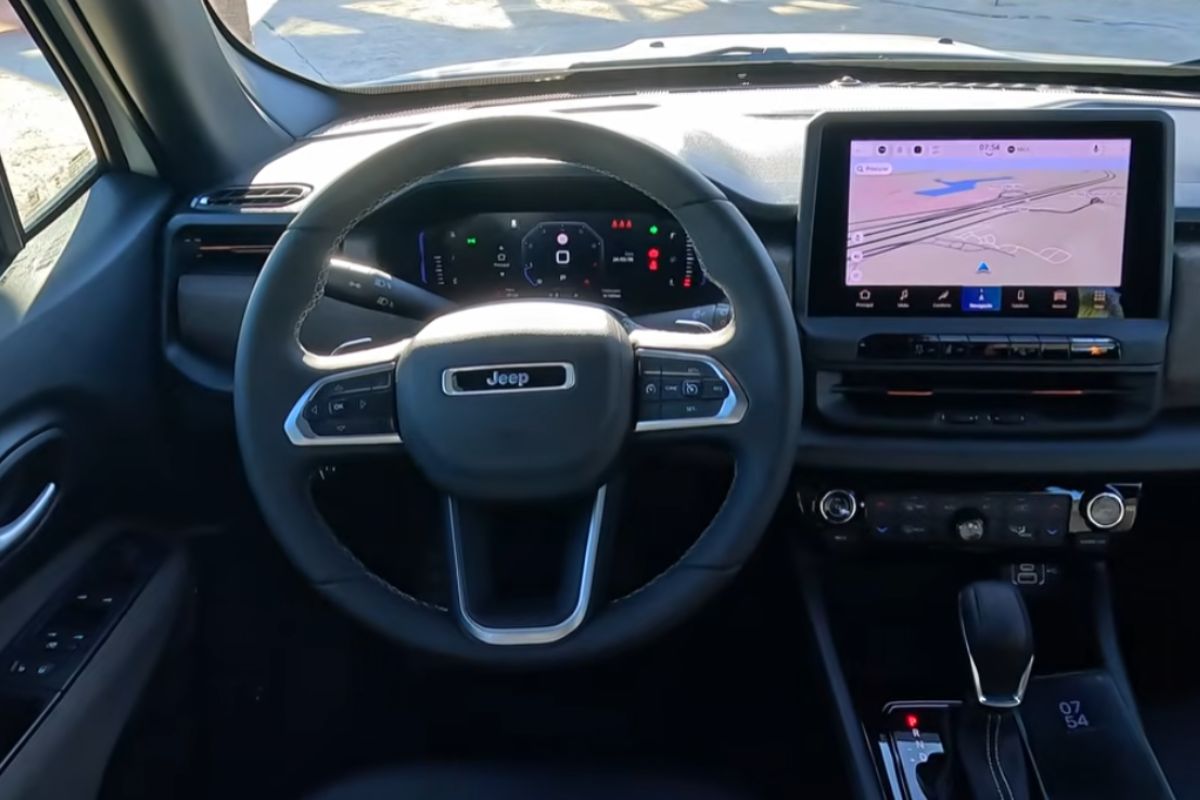
With a mild hybrid system of 48 V, 176 hp and a price of R$ 175,990 in the Sahara version, the new Jeep Renegade changes mostly on the inside, improves slightly in fuel consumption, and remains almost the same car.
-
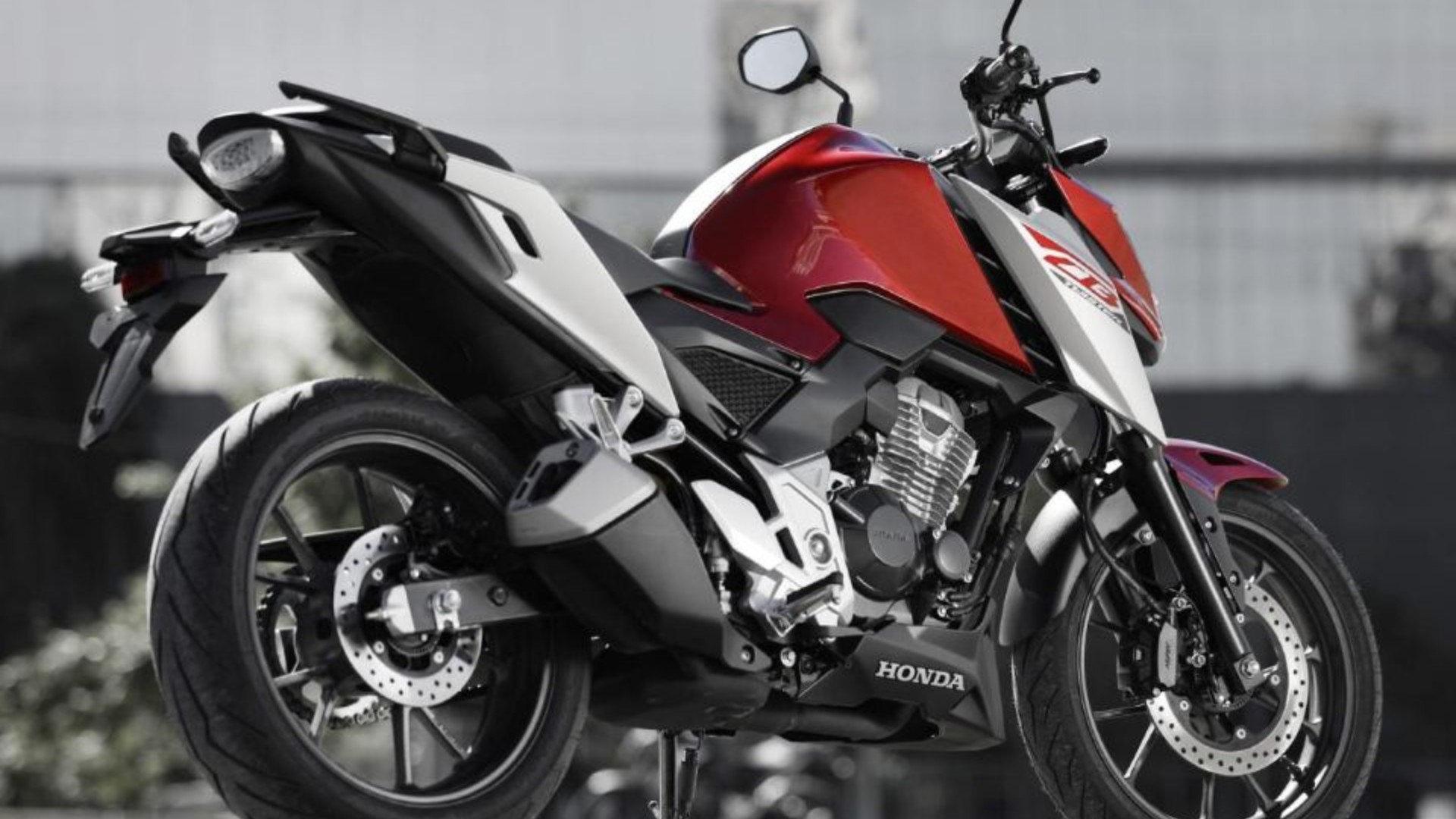
With a 293.5 cm³ engine and a range of up to 400 km with a 14.1-liter tank, the Honda CB 300F Twister 2026 has up to 24.7 hp, an initial price of R$ 25,150, and already exceeds R$ 29,000 in the Fipe Table.

Among the new features are a digital dashboard in some configurations and leather trim in parts of the dashboard and doors, improvements seen as advances over the previous line.
Still, some limitations remain.
Rear passengers still lack window controls in the doors, a feature that remains centralized in the center console.
This solution is considered impractical compared to direct rivals, who offer individual controls from the entry-level versions.
Basalt: The Big Bet That Didn’t Take Off
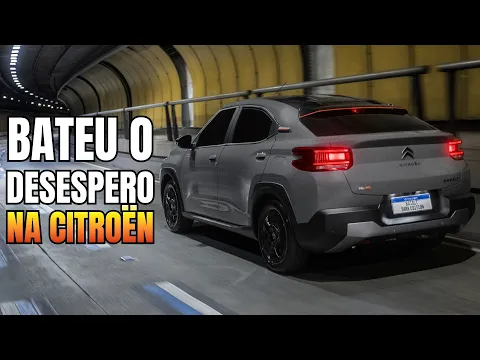
The Citroën Basalt was launched as the compact SUV that was supposed to reposition the brand in Brazil.
It now has four versions, including the top-of-the-line Black, with prices ranging from R$ 93,990 to R$ 108,990.
One of the most celebrated changes was the relocation of the window buttons to the doors, addressing one of the main criticisms. Even so, commercial performance did not meet expectations. In its best month, April, the Basalt sold 1,958 units, but in August, it dropped to just 991 registrations.
Despite the low volume, the model gained traction with rental companies and app drivers, even being accepted in the Uber Black category, an uncommon achievement for newly launched vehicles.
Aircross Tries, but Doesn’t Convince
Another revised product was the Citroën Aircross, an SUV with five or seven seats.
The five-seat version now costs R$ 94,860, while the seven-seat options range from R$ 117,990 to R$ 126,990.
The model received finish adjustments and new USB-C ports, but still didn’t take off.
Between January and August 2025, it accumulated only 3,876 units sold, a result considered modest in a highly competitive segment.
Overall Scenario of Citroën in Brazil
As of August 2025, the brand’s numbers show the size of the challenge:
Basalt: 12,621 units;
C3: 8,254 units;
Aircross: 3,876 units.
Even by summing the main models, Citroën occupies discreet positions in the national ranking.
For comparison, vehicles in the same price range such as Chevrolet Montana, Chery Tiggo 7 Pro, and even the Spin easily surpassed the performance of the Basalt, which occupies only the 38th position among the bestsellers.
Criticism Transformed into Changes, but Not into Sales

The adjustments made by Citroën show that the pressure from consumers and specialized journalists had an effect.
However, the results make it clear that design, finish, and status still weigh more than price alone in the Brazilian market.
Without a more robust strategy and with changes limited to details, the French brand remains confined to a niche, far from the sector leaders.
<strongAnd you, do you believe that Citroën's changes are enough to win back consumers or will the brand remain in the shadows in Brazil? Share your opinion in the comments — we want to hear from those living this in the day-to-day of the automotive market.








Dei um voto de confiança à Citroen e comprei um Basalt Shine 0km depois de ter tido um C4 Catus, estou com o carro a um mês. Paguei menos de 110 numa promoção, e só por isso acho que valeu a pena. Pagar mais que isso no Basalt é loucura. Dito isto, é um carro de entrada, tem vários pênaltis como acabamento, botões mal posicionados, etc… mas no conjunto geral da obra ele é um bom veículo pro que se propões e pra esse mercado maluco de carro BR. Um dos grandes problemas da Citroen é não investir direito em marketing, dá até raiva de quão ruim eles são na divulgação dos produtos, parece que esperam que a pessoa deixe de comprar um Kardian ou um Tera pra ir lá na Citroen fazer fila no Basalt, isso não existe, tem que mostrar que as versões top do Basalt são boas opções pra quem pensa nas versões de entrada das concorrentes. Se continuar assim, fico mais um tempo com o meu e dou adeus à marca.
Tenho c4 2012 2.0 Manual teto solar ,couro , acabamento em soft touch ,carro excelente,adoro , acredito que época que Citroen fazia carro com bom acabamento,.motor tem 151 CV muito esperto esse cambio manual e excelente p dirigir p carro com conforto,tive 4 carros antes ,aí fui p C4 Hatch manual olha 5 anos já eu aqui de boa com ele ótimo carro , acredito que único problema só na versão automático porém tô de manual adoro o c4 deveria fazer ele de volta com maior evolução com toda qualidade que tem ele .mesmo sendo um carro do passado
Eu tenho um Cactus THP, de motor e câmbio é fenomenal, mas é péssimo de acabamento e suspensão.