





 Portuguese
  English
  Spanish
  4 min of reading
  0 comments


Six Stadiums of the 2025 Club World Cup Will Be Powered by Solar Energy. Find Out Which Venues Will Use Renewable Sources and How This Affects the Tournament.
For the first time in its history, the FIFA Club World Cup will feature 32 teams and have an important ally off the field: sustainability. The 2025 edition, which will take place in the United States from June 14 to July 13, will have six of the 12 stadiums powered by solar energy.
In addition to hosting major international football matches, these venues stand out for their use of renewable sources and their reduction of carbon emissions, setting a new standard of environmental responsibility at large sporting events.
Stadiums of the 2025 Club World Cup Bet on Solar Energy
With a strong sustainable appeal, the tournament’s organization decided to include stadiums with solar energy systems among the venues for the matches.
-
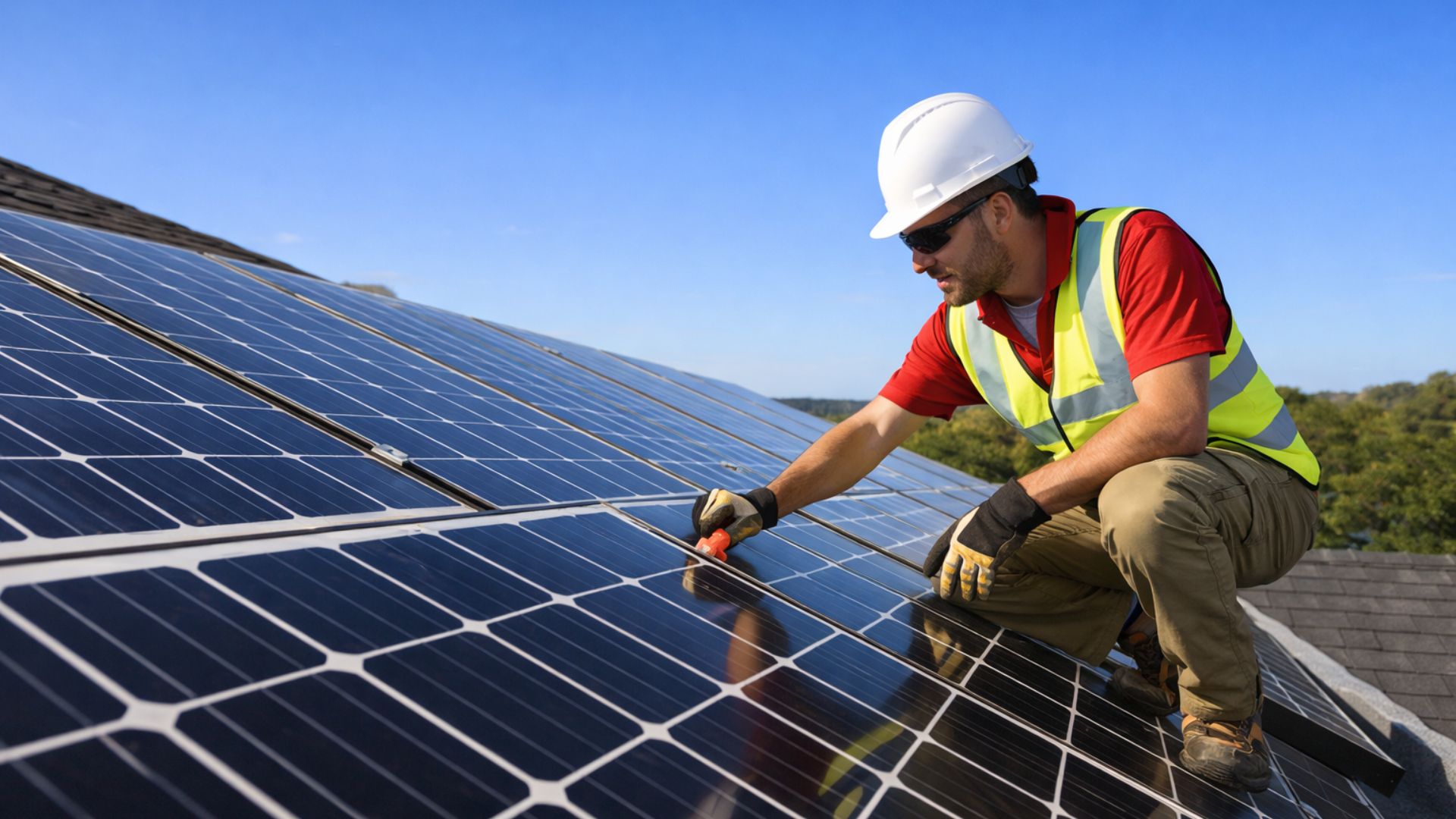
Seagri’s headquarters invests in solar energy with Neoenergia Coelba and promises to cut electricity costs, highlighting a strategic advance in sustainability and energy efficiency within state public administration.
-
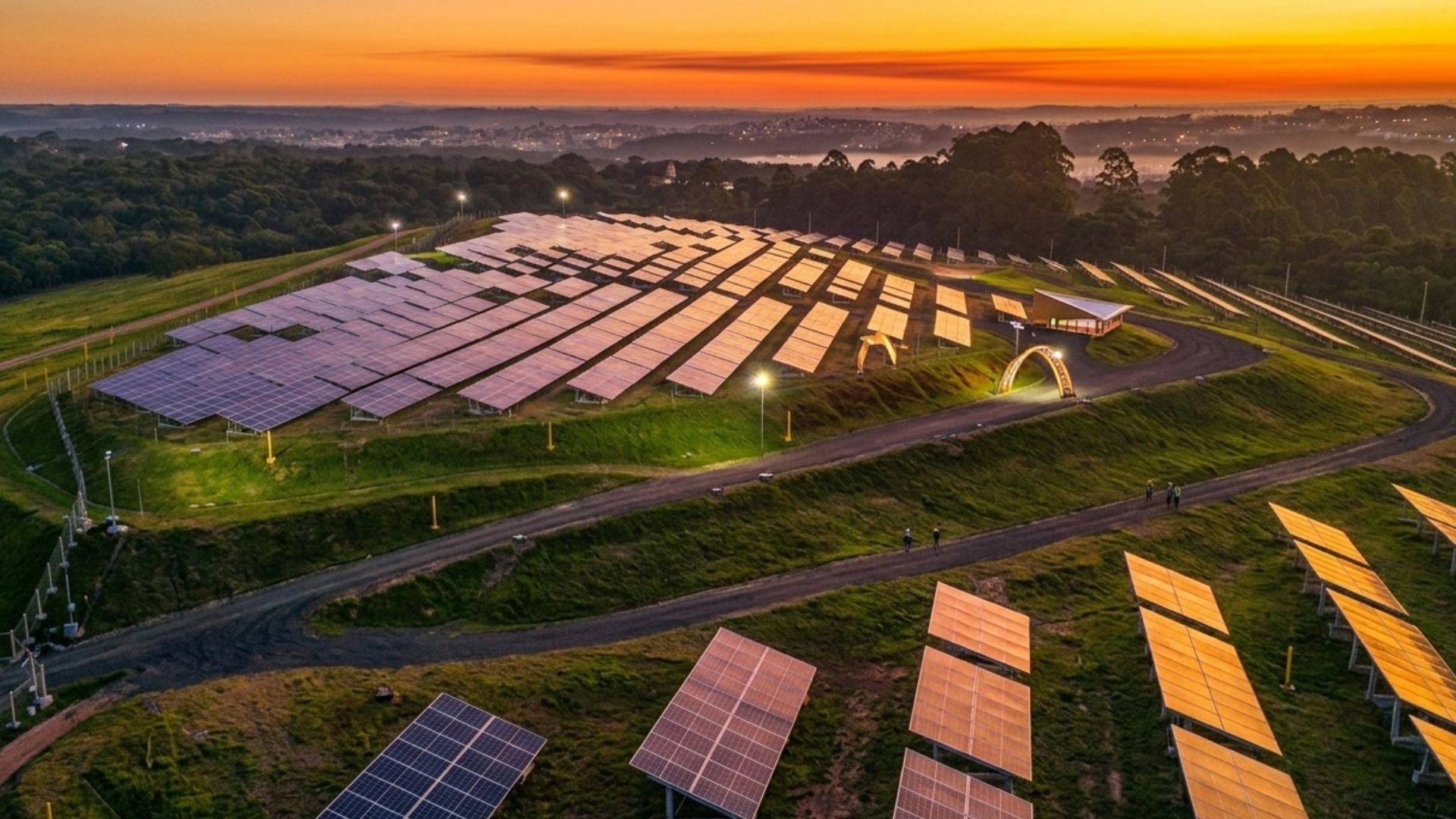
Solar Pyramid draws attention by converting solar energy into million-dollar savings and repositioning the City Hall of Curitiba as an example of innovation, sustainability, and intelligent use of public resources.
-
Europe records strong euro economy with solar energy in March and sparks curiosity about which country leads growth that redefines the energy market and reduces costs.

-
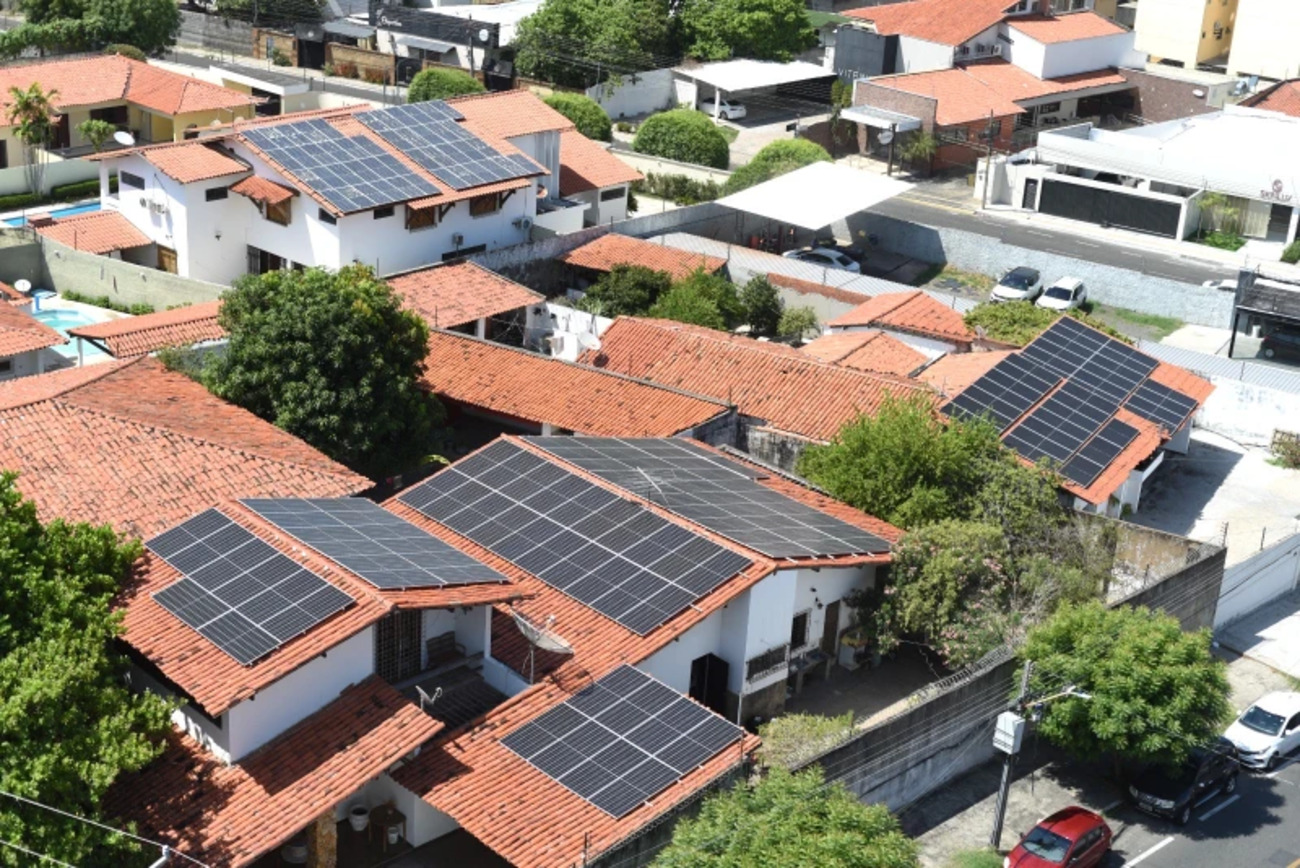
Piauí reaches a historic milestone in energy transition: State records nearly 160,000 households powered by solar energy and leads growth in the Northeast.

This measure aligns with a growing movement of modernization and environmental commitment that has been gaining traction in the global sports scene.
Of the 12 stadiums selected for the competition, half already operate with solar energy as a complementary or primary source for activities such as lighting, operating large screens, climate control systems, and even parking coverage.
As a result, in addition to savings on operational costs, the organizers are promoting a greener experience for the audience and participating clubs.
Mercedes-Benz Stadium
Located in Atlanta, the Mercedes-Benz Stadium is one of the largest examples of modern infrastructure focused on sustainability.
With 75,000 seats, the stadium houses 4,000 solar panels that generate 1.6 MWh of energy per year. The installation covers a large part of the parking lot and other outdoor areas.
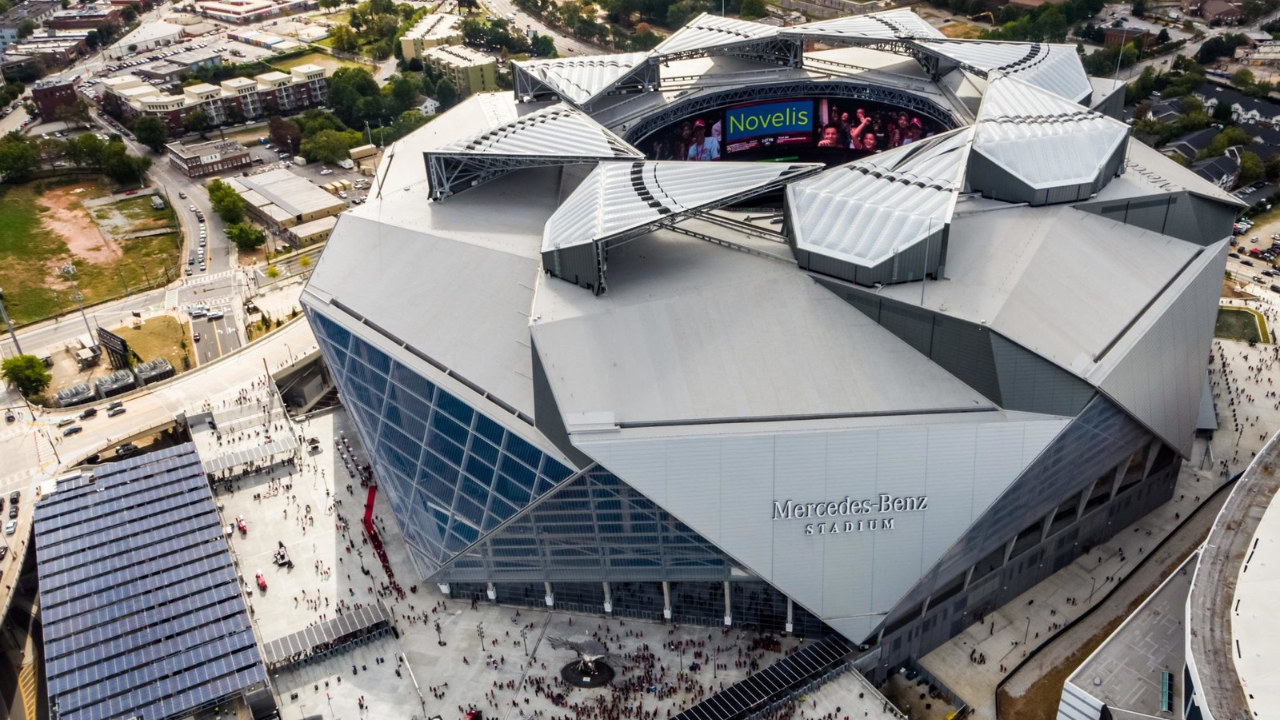
This venue will be quite busy during the tournament, with matches like Chelsea vs. Los Angeles and Manchester City vs. Al Ain, in addition to knockout stage clashes.
Bank of America Stadium
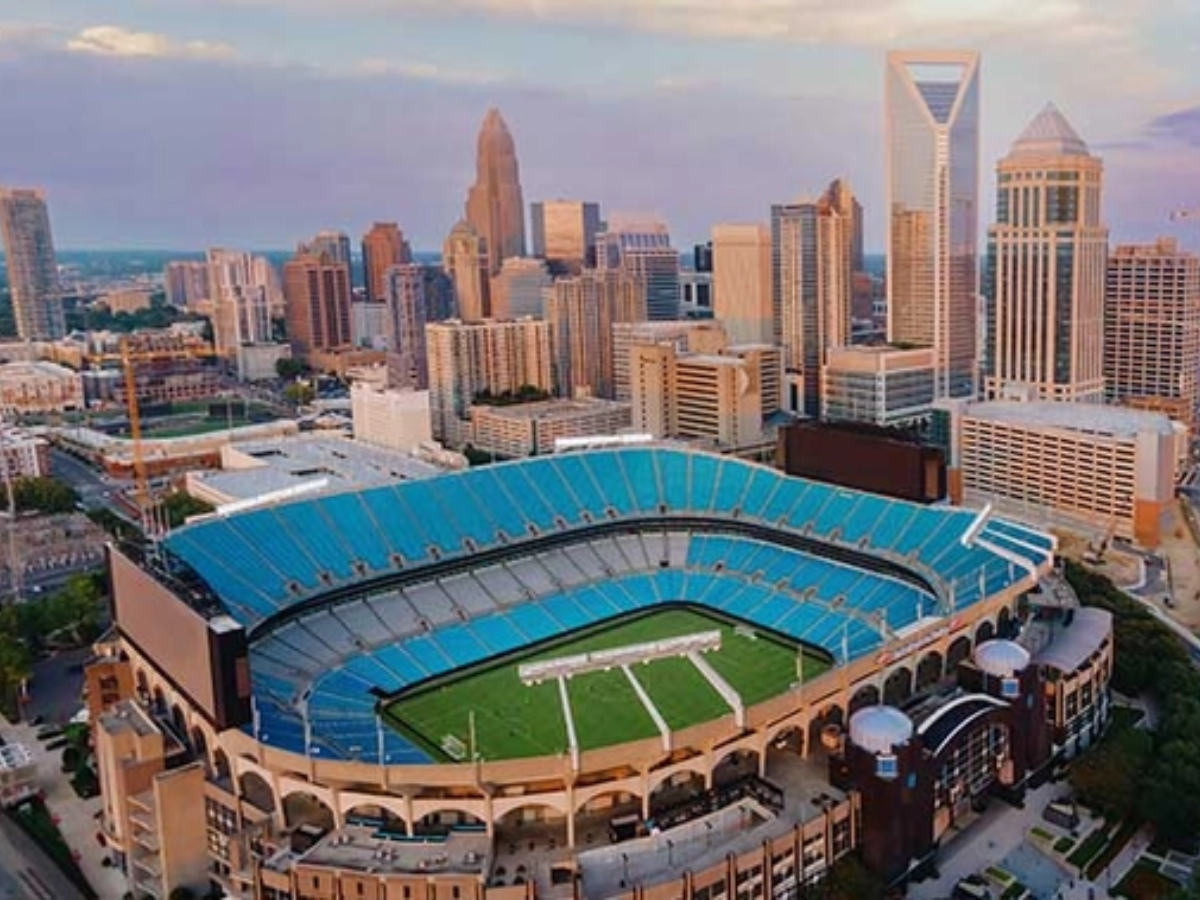
In Charlotte, the Bank of America Stadium also stands out for its adoption of solar energy.
With a capacity for 74,500 spectators, the site has 5,800 solar panels generating 1.6 MW of energy and preventing the emission of 610 tons of carbon annually.
The arena will host clashes between European giants, such as Real Madrid vs. Pachuca and Benfica vs. Bayern Munich, as well as decisive matches in the knockout stages.
MetLife Stadium: Stage of the Final with Solar Energy on Top
As the venue for the final of the 2025 Club World Cup, MetLife Stadium in East Rutherford has a capacity for 82,500 spectators and boasts 1,350 solar panels.
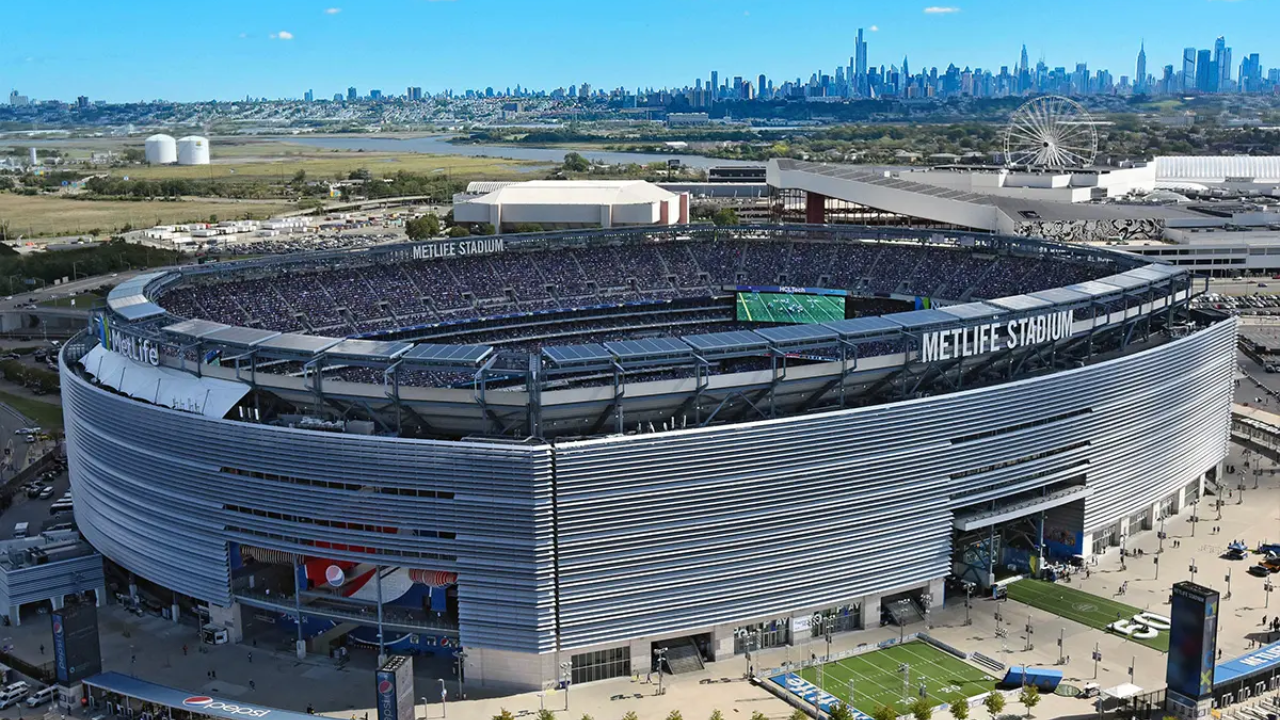
The energy generated (approximately 350 kW) is sufficient to meet the stadium’s basic needs, such as lighting and electronic systems.
In addition to the grand final, the stadium will host significant matches featuring clubs like Palmeiras, Fluminense, Al Ahly, and Borussia Dortmund.
Lincoln Financial Field
The Lincoln Financial Field in Philadelphia is an icon of sustainability among the tournament’s stadiums.
With over 10,000 solar panels installed since 2012, the venue produces around 4,000 MWh of energy per year. In 2024, the arena received LEED Platinum environmental certification — the highest in the category.
During the competition, it will host matches featuring Flamengo, Manchester City, and Juventus, among others.
Lumen Field
In Seattle, Lumen Field stands out not only for its 3,750 solar panels that generate over 830 MWh per year but also for its roof that reduces heat absorption.
The structure enables savings of up to 20% on electricity bills, especially during the summer months.
Botafogo, River Plate, and Atlético de Madrid will compete in matches at this stadium throughout the tournament.
Audi Field
With the smallest capacity among the competition’s stadiums (20,000 seats), Audi Field in Washington is also efficient in energy use.
It features 1,700 solar panels that generate approximately 787,000 kWh per year, reducing reliance on the power grid by 30% and avoiding the emission of 556 tons of CO2 annually.
This stadium will host games featuring Al Ain, Juventus, Wydad, and Al Hilal.
Brazil Will Be Represented by Four Clubs in the Tournament
The 2025 Club World Cup will have a strong Brazilian presence, with Botafogo, Flamengo, Fluminense, and Palmeiras among the 32 participants.
The teams will be distributed across various groups and stadiums, increasing the chances of a national representative going far in the competition.
The inclusion of stadiums powered by solar energy in the Club World Cup reinforces a growing trend of alignment between major sporting events and sustainable practices.
By reducing carbon emissions and utilizing renewable resources, FIFA and the American organizers demonstrate that sports can — and must — be an active agent in the fight against climate change.
Source: Portal Solar







Seja o primeiro a reagir!