





 Portuguese
  English
  Spanish
  3 min of reading
  0 comments


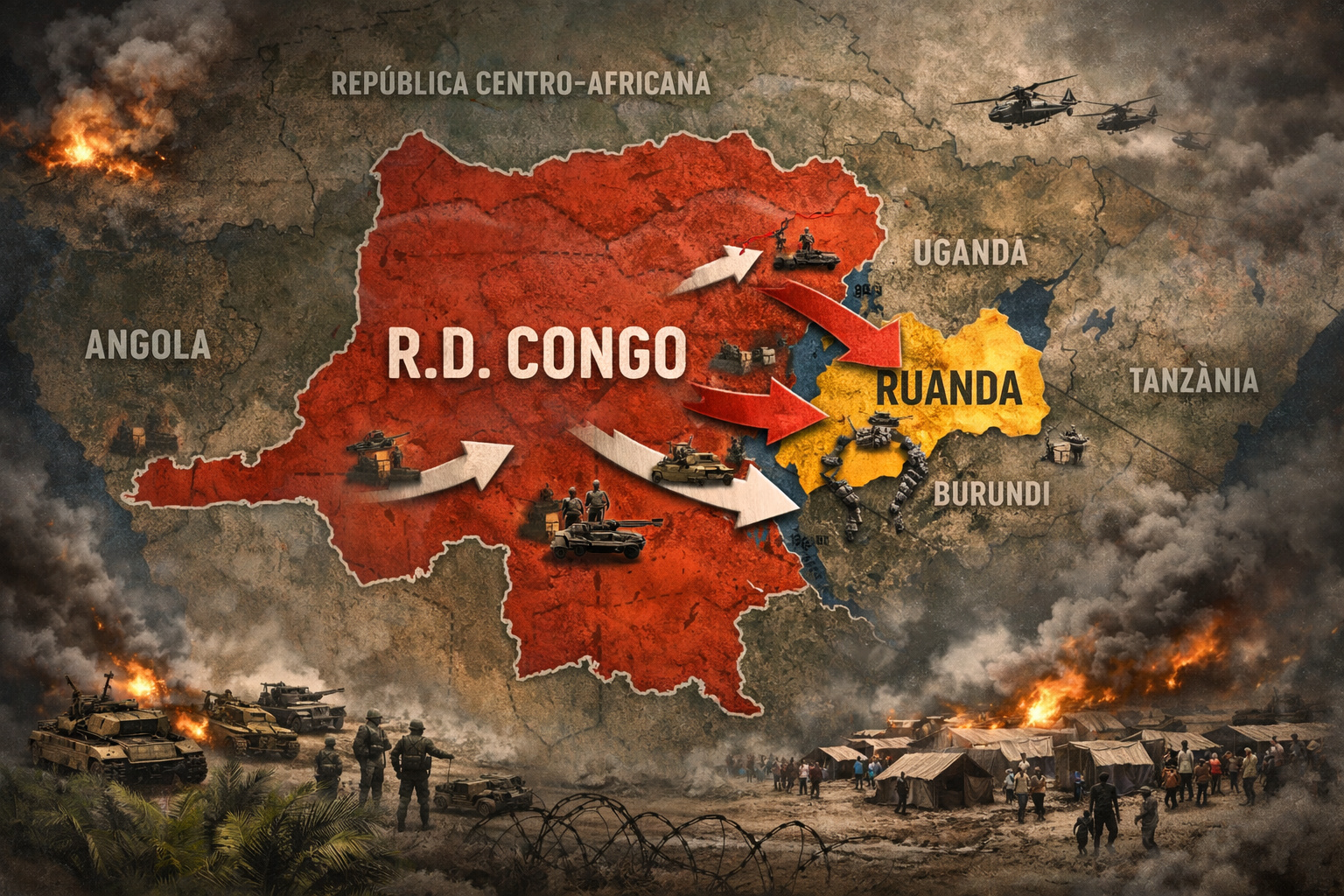
Congolese Government Denounces Offensive with Bombs and Drones, Attributed Actions to M23 with Foreign Support, and Claims That the Sending of Rwandan Troops Threatens to Worsen Humanitarian Crisis

The Democratic Republic of the Congo accused Rwanda of causing the death of more than 1,500 civilians in the eastern part of the country in just one month. According to Kinshasa, the deaths occurred since the beginning of December, a period marked by a new offensive by M23. The Congolese government asserts that the group operates with direct support from Kigali.
The information was disclosed by apress release from the Congolese government, published on Wednesday (31). According to the document, the operations involved a combined use of bombs and kamikaze drones, employed in densely populated areas of the eastern provinces of the country. Therefore, the authorities classified the attacks as a direct act of aggression.
Furthermore, the DR Congo government stated that Rwanda sent three new battalions to the South Kivu province. According to the warning, the troops may advance towards the Kalemie corridor, in the Tanganyika province, a strategic area for the national economy.
-
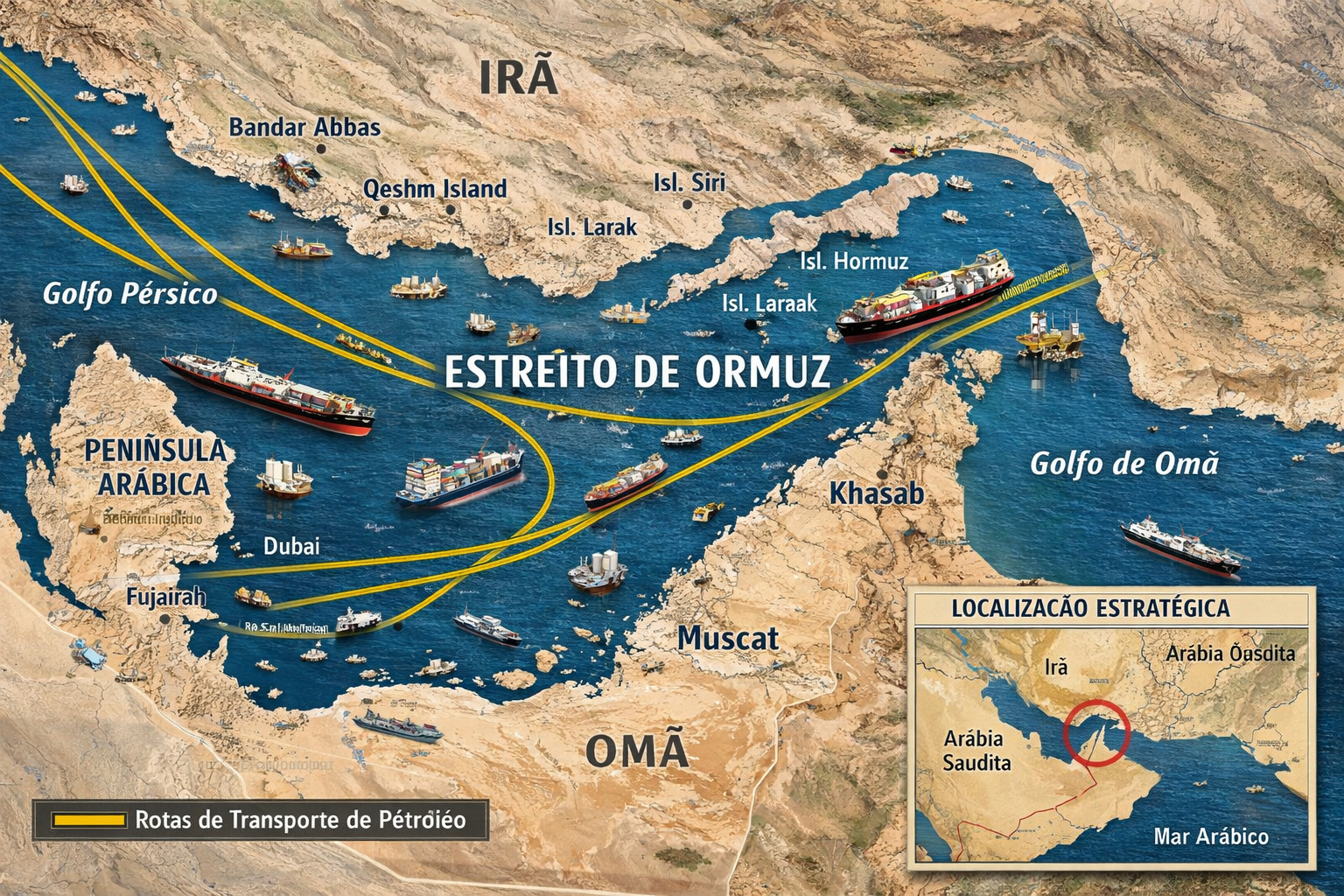
Global summit with over 40 countries pressures Iran for a blockade in the Strait of Hormuz and warns of direct impact on oil, food, and the global economy.
-
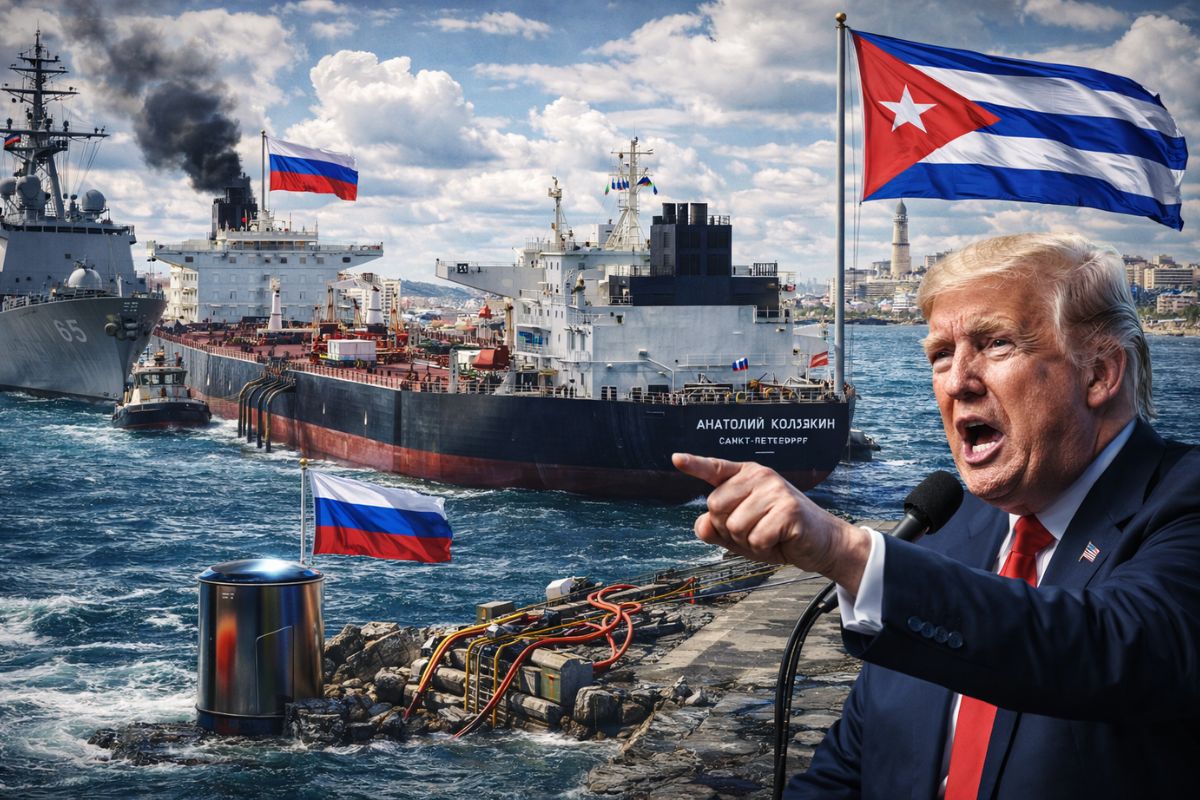
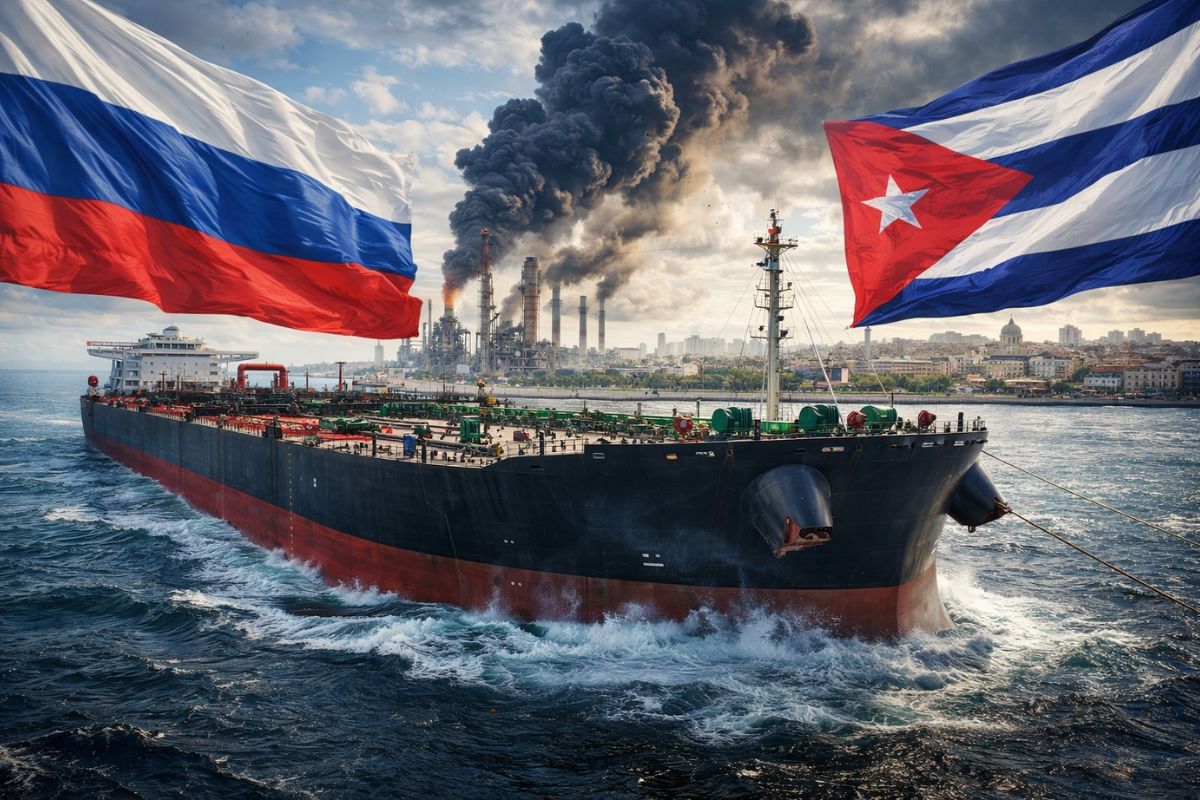
Russia has broken the U.S. maritime blockade to send oil to Cuba and is now loading a second ship while Trump says that “Cuba is next” in a possible military action against the island.
-
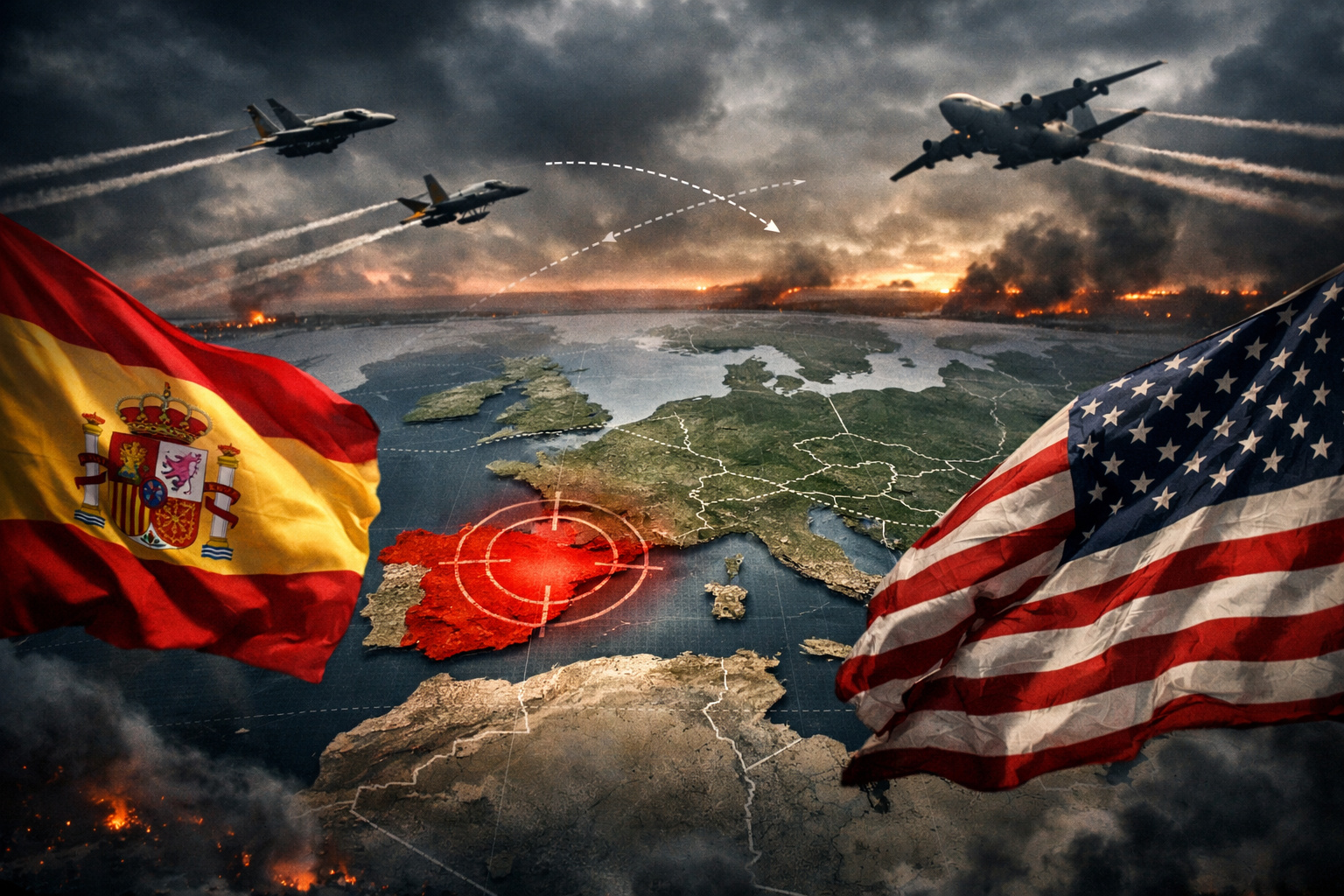
Spain challenges the USA and closes its airspace for operations against Iran, raising global tension and provoking the threat of a trade rupture.
-
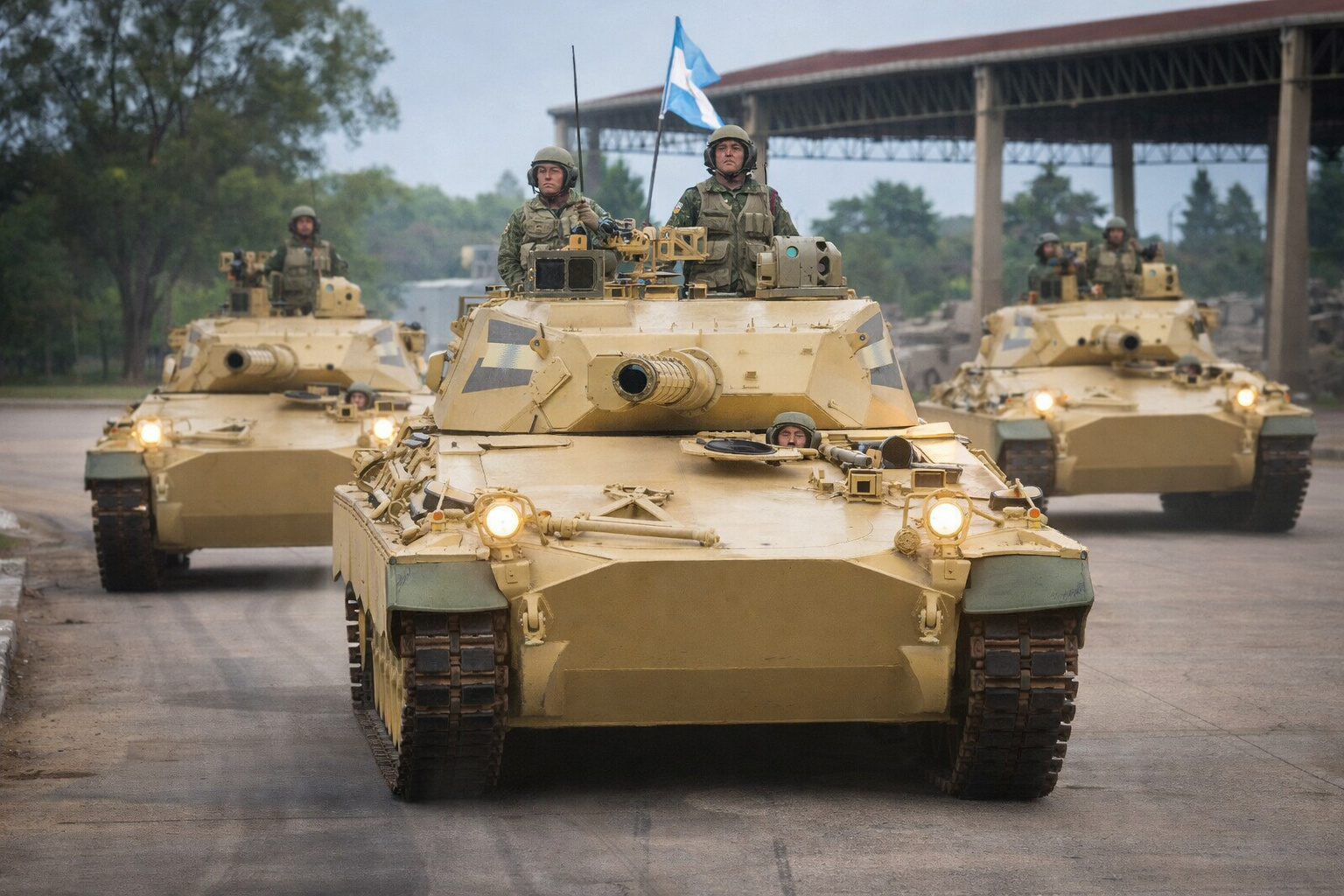
While no other country manufactures tanks in Latin America, Argentina activates the TAM 2C-A2 and raises a curiosity about the technological lag in the region.

M23 Offensive Challenges Recent Peace Agreement
The escalation of violence occurred just days after the signing of a peace agreement, mediated by the United States, signed on December 4 between the governments of the DR Congo and Rwanda. However, despite the diplomatic understanding, the M23 launched an offensive on December 2, even before the agreement was solidified.
As a result, the group took the city of Uvira on December 10, causing the flight of tens of thousands of people towards Burundi. Thus, the humanitarian crisis rapidly worsened, with a direct impact on civilians.
If M23 advances towards Tanganyika, it will operate in a central area of the former territory of Katanga. This region is of great importance for mining and for the revenue collection of the Congolese state. Therefore, authorities fear even deeper economic and social effects.
Humanitarian Crisis Intensifies in Eastern Congo
Since it resumed arms in 2021, M23 has occupied vast mineral-rich areas in eastern DR Congo. Moreover, the group displaces populations, destabilizes communities, and exacerbates a prolonged humanitarian crisis.
After accusations from Washington that Rwanda violated the peace agreement, M23 announced on December 17 that it would leave Uvira. However, authorities from the United States and Congo questioned the veracity of the withdrawal. Residents reported to AFP that group members, in civilian clothes, as well as police, remained in the city.
Earlier this week, the Congolese Army reported that it had regained villages surrounding Uvira after direct confrontations. The capture of the city occurred almost a year after the capture of Goma and Bukavu, capitals of the North Kivu and South Kivu provinces, respectively.
In light of this scenario, authorities warn that, without effective international pressure, the conflict may expand and further deepen the suffering of the civilian population.
In light of a recent peace agreement and so many civilian deaths, how long can the international community continue to watch this conflict without acting more decisively?








Seja o primeiro a reagir!