





 Portuguese
  English
  Spanish
  4 min of reading
  0 comments


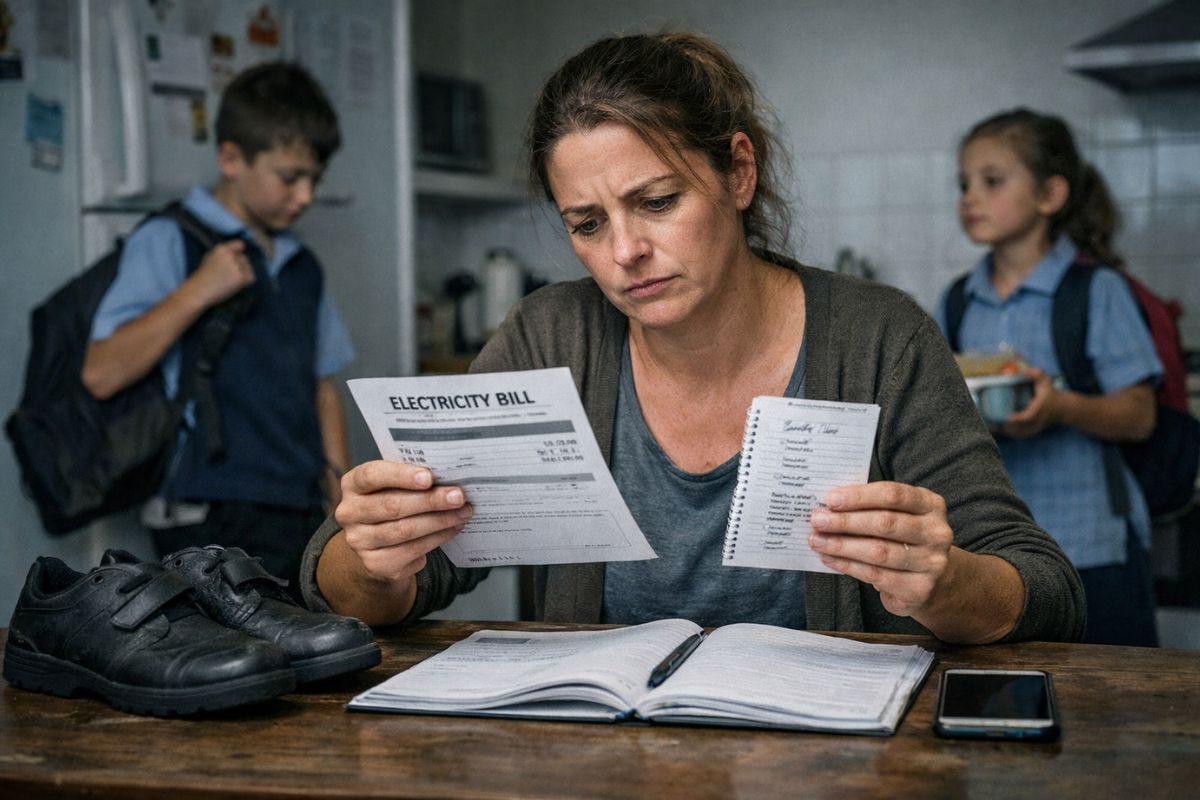
With Persistent Inflation and Unrelenting Pressure, the Cost of Living in Australia Pushes Families to Cut Basics, Expanding Digital Exclusion and Threatening to Hinder Education for a Generation.
The cost of living in Australia is becoming “increasingly absurd” for low-income families, to the point where almost half of them are worried about something that should be simple: how to buy school shoes. For many, back-to-school has ceased to be about planning and has turned into financial survival.
In practice, inflation manifests itself at home as a weekly dilemma. For Laura, a single mother of four, budgeting means choosing between sufficient food and <strong paying the electricity bill on time, and the bad weeks have become more frequent since the onset of the pandemic.
When Basics Become Luxuries at Back-to-School
The annual survey by The Smith Family, conducted with over 1,100 low-income parents and guardians served by the organization, shows the extent of the squeeze.
-
He sold his share for R$ 4 thousand, saw the company become a giant worth R$ 19 trillion, and missed the opportunity of a lifetime.

-
Elon Musk’s Starship megafrocket puts $8 billion at risk, raises alarms in the market, and could affect technology, mining, and space internet startups in the coming years.

-
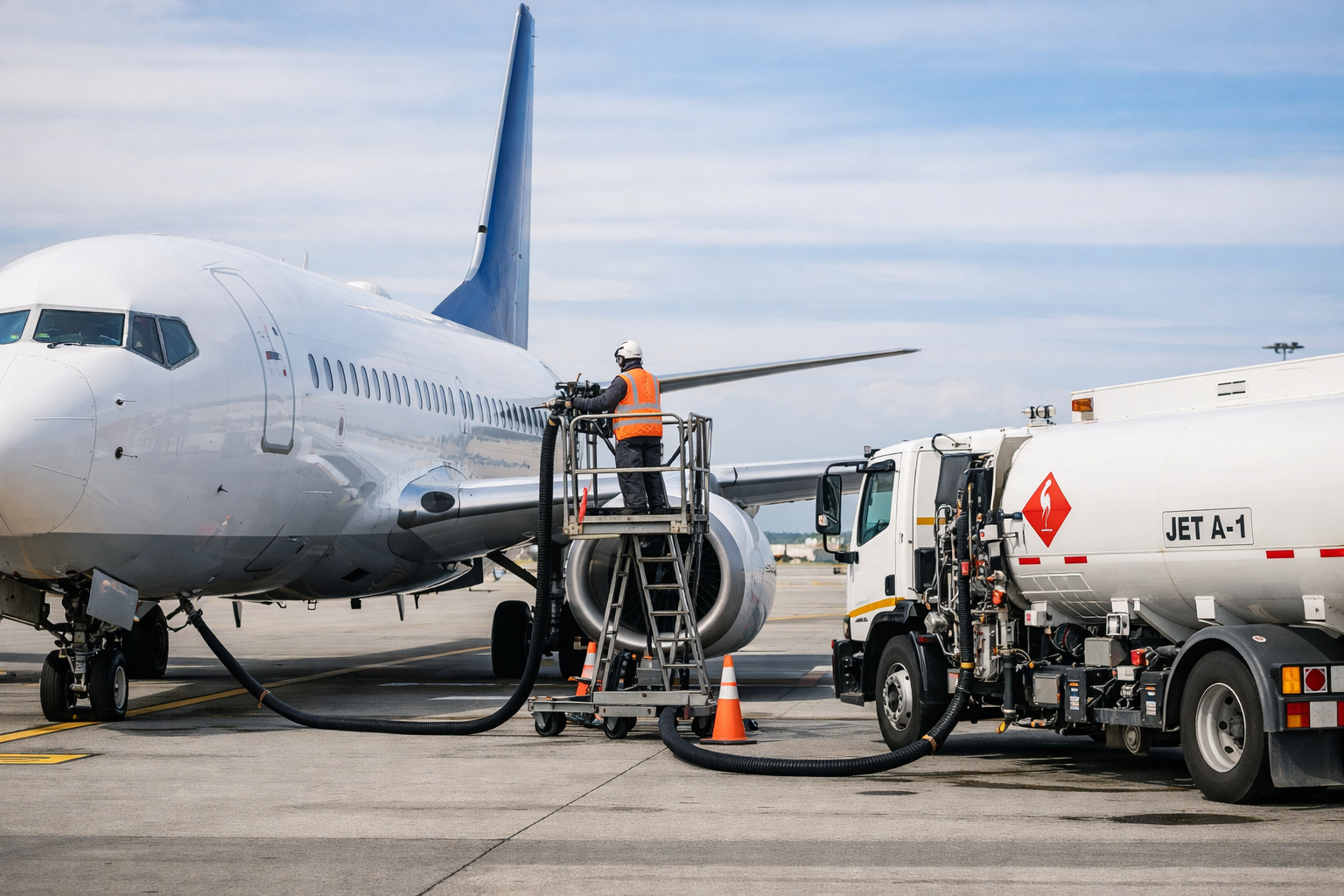
Airfare prices may rise with increasing fuel costs, and the government is considering urgent measures to avoid a direct impact on the wallets of Brazilians.
-
Chocolate prices soar nearly 15% and become a luxury item for Easter 2026, with increases surpassing inflation and changes in Brazilian consumption habits.


Nine in ten families report concern about the costs of essential items for back-to-school amid rising inflation.
The most persistent statistic is that which does not improve: this is the third consecutive year in which more than 80% of surveyed families say they cannot afford to buy school supplies.
Within the cost of living in Australia, this means that the “basic package” of education competes directly with food, housing, and energy.
Tough Choices: Food, Electricity, and Food Vouchers
The human portrait of the crisis emerges in the routine of those who need to improvise to maintain the essentials. Laura describes weeks when the budget doesn’t add up and the alternative is to seek community support through food vouchers.
She summarizes what inflation does in real life: a continuous increase every year, with everything going up and the breathing room getting smaller.
Amid the cost of living crisis in Australia, the problem is not just the math of money. It’s the mental strain of starting the school year already at the limit, making forced concessions in multiple areas at once.
Child Poverty Rising and Direct Impact on Learning
A report on child poverty from Curtin University cited in the database indicates that over 102,000 children fell into poverty during and after the COVID-19 period, between 2020 and 2023.
With rising rental costs and population changes, it is projected that the national child poverty rate will increase from 15% in 2023 to 15.6% in 2025.
The consequence is direct: if the trend continues, the report warns of the risk of more than one million children living in poverty in Australia next year.
Within the cost of living in Australia, this means more students arriving at school with fewer resources, less stability, and more obstacles outside the classroom.
What the School Feels When the Home Can No Longer Endure
Doug Taylor, CEO of The Smith Family, states that one in six children in Australia growing up in poverty is at risk of suffering negative educational consequences.
He cites evidence that, by Year 9, a disadvantaged student may be four to five years behind in literacy and math compared to peers.
Taylor also highlights that it is “incredibly significant” that results have not improved year after year and that the trend shows no signs of easing.
In other words, the cost of living in Australia is not just tightening the present. It is creating cumulative setbacks.
Digital Exclusion: When Studying Depends on Internet Access at Home
The crisis worsens when learning requires technology and the family cannot keep up. More than half of the respondents, 56%, believe their children will not have access to the necessary digital devices due to financial constraints.
Even with the distribution of 14,000 laptops by The Smith Family over the past seven years, the problem remains significant: 44% of families, equivalent to 400,000 students, are still not digitally included, meaning they lack internet access at home.
For Laura, support with a laptop and internet makes a difference because, without it, her children would depend on her mobile data, which she describes as unfeasible. With homework and school communication online, the risk is “losing everything”.
Extracurricular Activities Become a Privilege and Widen Inequality
Four in ten parents and guardians fear their children will miss educational activities outside of school and that they will not be able to afford uniforms or shoes.
Taylor emphasizes that reducing digital exclusion is crucial, but that it is also essential to expand access to extracurricular activities, such as tutoring and recovery courses, which have become increasingly common for middle- and upper-income families.
In the context of the cost of living in Australia, extracurricular activities are no longer “extra” but part of the competition for learning. When a child does not have access to what happens outside the classroom, the gap in literacy and math tends to widen.
Why the Pressure Only Increases Year After Year
The most weighty aspect of the report is the repetition: the same warnings resurface each year, with families facing the same choices, and with no clear signs of relief.
The cost of living in Australia presents itself as a continuous pressure that pushes the budget to a point where any unforeseen circumstance becomes a crisis.
And when basic items like school shoes, uniforms, internet, and supplies enter the realm of “luxury,” the impact is not confined to consumption. It directly impacts education, mental health, and future opportunities.
In your opinion, what weighs most on the cost of living in Australia today: rent, energy, food, or the school expenses that arrive all at once at the beginning of the school year?






-

-

3 pessoas reagiram a isso.