





 Portuguese
  English
  Spanish
  3 min of reading
  0 comments


Even With Decline in December, Curtailment Remains High and Affects Renewable Energy Generation, Especially Wind and Solar, with Direct Impact on Listed Companies.
The curtailment, a term used to define forced cuts in energy generation, showed a slowdown at the end of 2025, but still remained at a high level throughout the fourth quarter. This assessment is included in an analysis released by BTG Pactual, which monitors the operational performance of renewable energies in the country.
According to the report, the behavior of the period was marked by strong pressure on renewable generation in the early months of the quarter. In contrast, December brought more consistent relief. Nonetheless, the observed levels remain significantly above those recorded in 2024, maintaining direct effects on the revenue and performance of companies in the electric sector.
Wind Generation Concentrates a Relevant Part of the Cuts
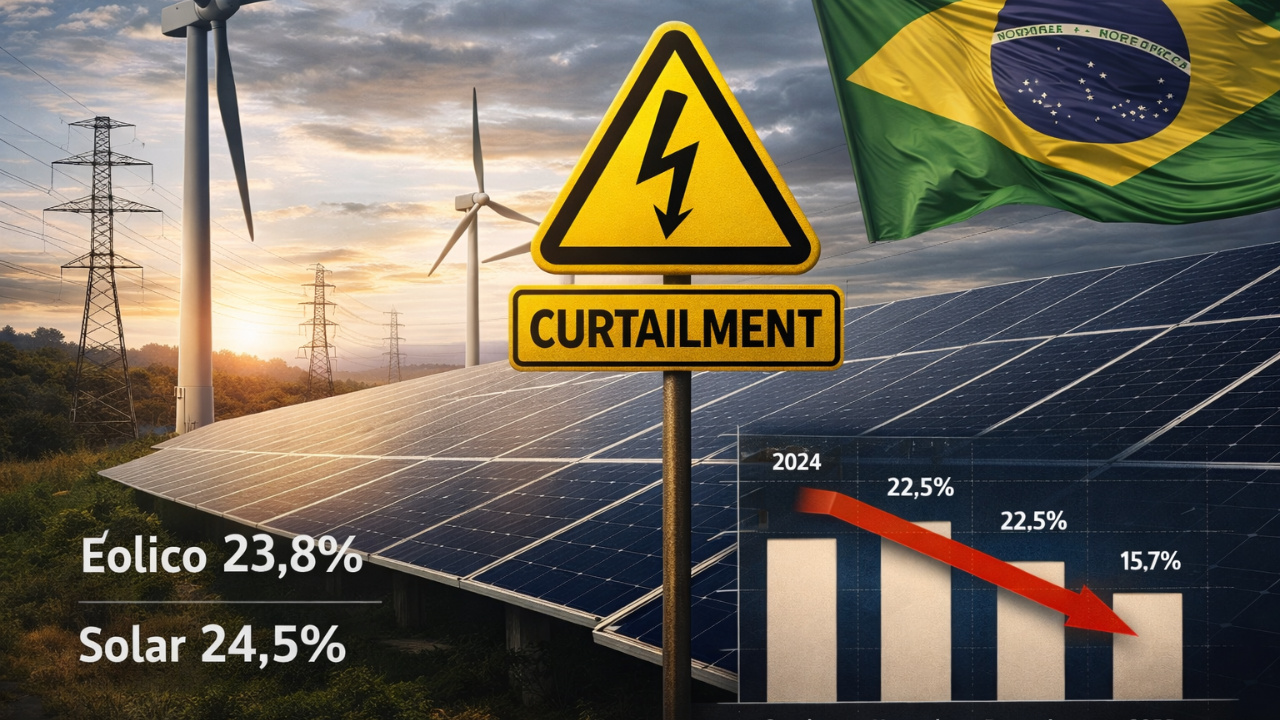
In the wind segment, the average curtailment reached 23.8% in the fourth quarter of 2025. This percentage highlights significant restrictions on generation, even in a scenario of high wind availability in various regions of the country.
-
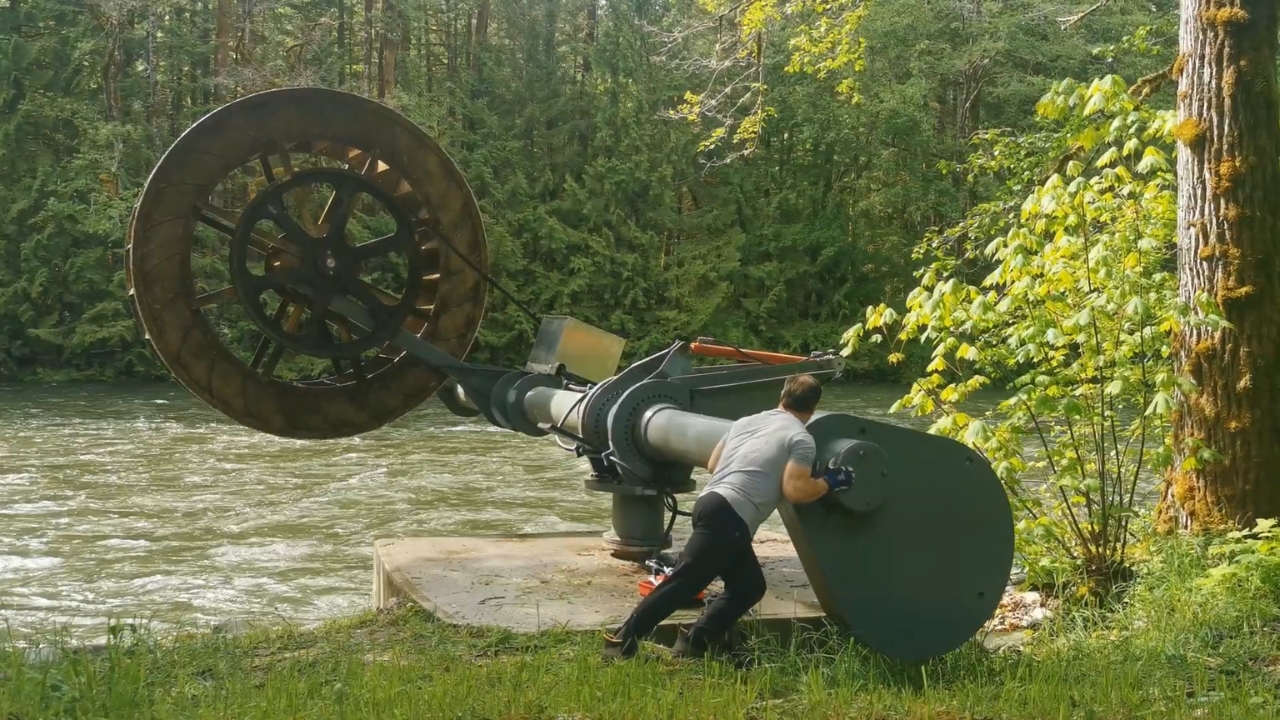
A Canadian retiree creates a hydroelectric system on a real river, generating energy continuously throughout the day and demonstrating how the power of water can supply a house with stability even in a simple structure.
-
Petrobras reaffirms its commitment to the market and ensures that it will carry out the energy transition safely to maintain national sovereignty.

-
Researchers discover a possible hydrogen deposit of up to 46 million tons beneath an ancient coal basin, and the volume could exceed half of the entire global production.

-
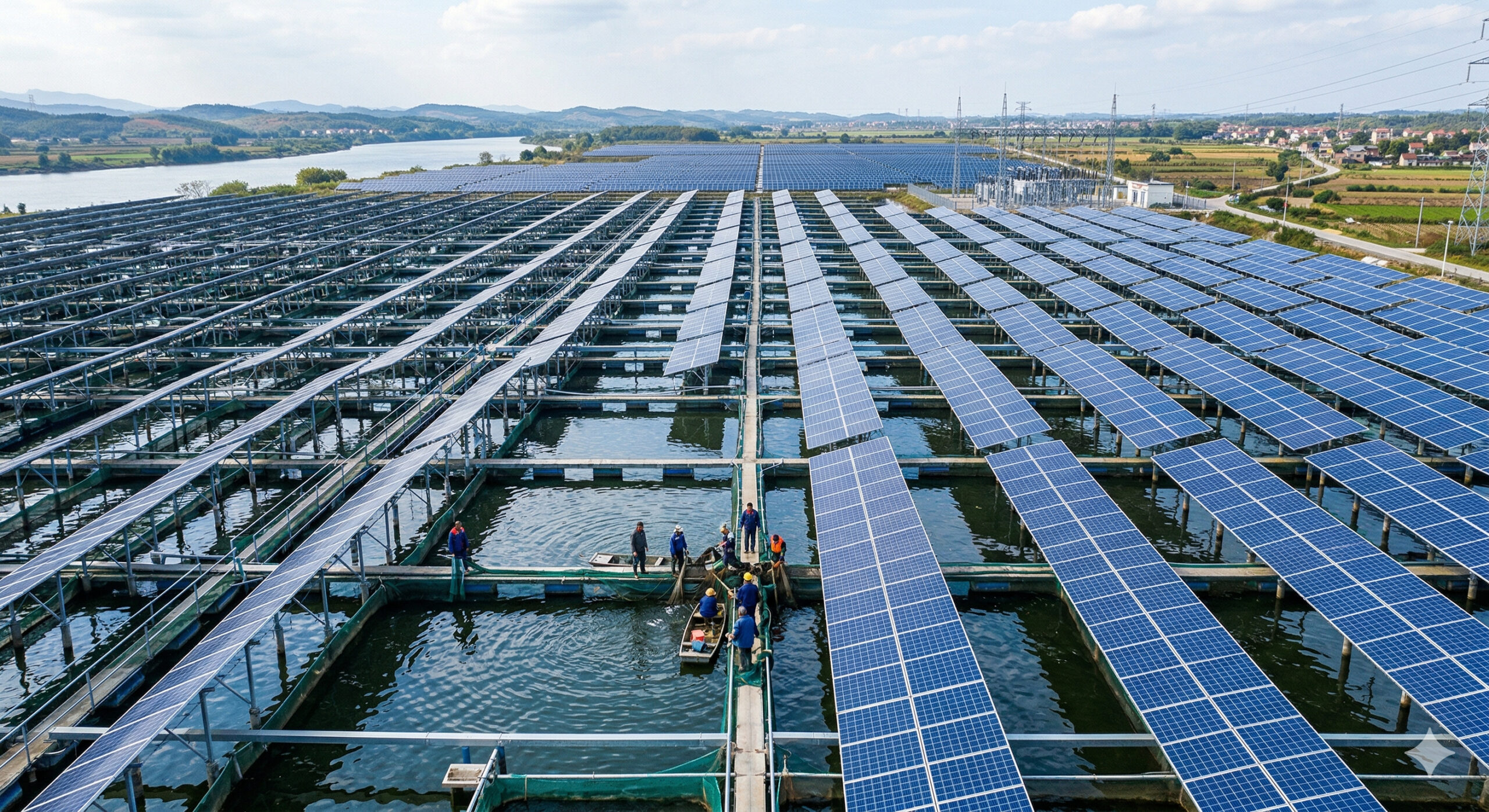
China bets on the Fishery-PV model and transforms fish farms into giant solar plants, covering ponds with panels that generate energy while utilizing the same space for large-scale aquaculture production.

Among the listed companies, the most significant impacts fell on CPFL Energia, with 37.5%, closely followed by Copel, with 37.4%. Next in line are Equatorial Energia, through Echoenergia, with 27.6%, Engie Brasil Energia, with 25.8%, and Auren Energia, which incorporated assets from AES Brasil, with 25.6%.
Regionally, the largest cuts were recorded in Rio Grande do Norte, where the average curtailment reached 33.7%. Ceará is next, with 30.5%, while Piauí and Paraíba reported percentages of 19.5% and 18.2%, respectively.
December Reduces Pressure on Wind
Despite the weak performance for the quarter as a whole, the monthly reading indicates progressive improvement. In December, wind curtailment fell to 15.7%, down from 22.5% in November and 29.7% in October. This movement signals an operational adjustment in the system, although it is still far from levels considered ideal.
In the solar segment, the scenario followed a similar pattern. The average curtailment was 24.5% in the fourth quarter, below the previous quarter but still high. The gradual reduction over the months was not enough to neutralize the accumulated effects.
The companies most affected were Alupar, with 39.5%, Equatorial Energia, again via Echoenergia, with 38.0%, Auren Energia, with 30.0%, and Eneva, with 26.0%.
Regionally, Pernambuco led the solar cuts, with 31.9%, followed by Bahia, with 30.3%, Piauí, with 27.4%, and Minas Gerais, with 25.0%.
Energy Nature Leads Causes of Curtailment
According to BTG Pactual, energy-related curtailment continued to be the main limiting factor during the period. This type of restriction accounted for 54% of cuts in wind generation and 69% in solar.
At the same time, reliability-related cuts gained greater participation in the wind segment, while electrical-related cuts remained minimal. This data indicates the persistence of structural restrictions in the electrical system, especially in regions with a high concentration of renewable energy projects.
Even with the decline observed at the end of the year, curtailment remains one of the main operational challenges for the sustainable expansion of renewable energies in Brazil.





-

Uma pessoa reagiu a isso.