





 Portuguese
  English
  Spanish
  3 min of reading
  1 comment


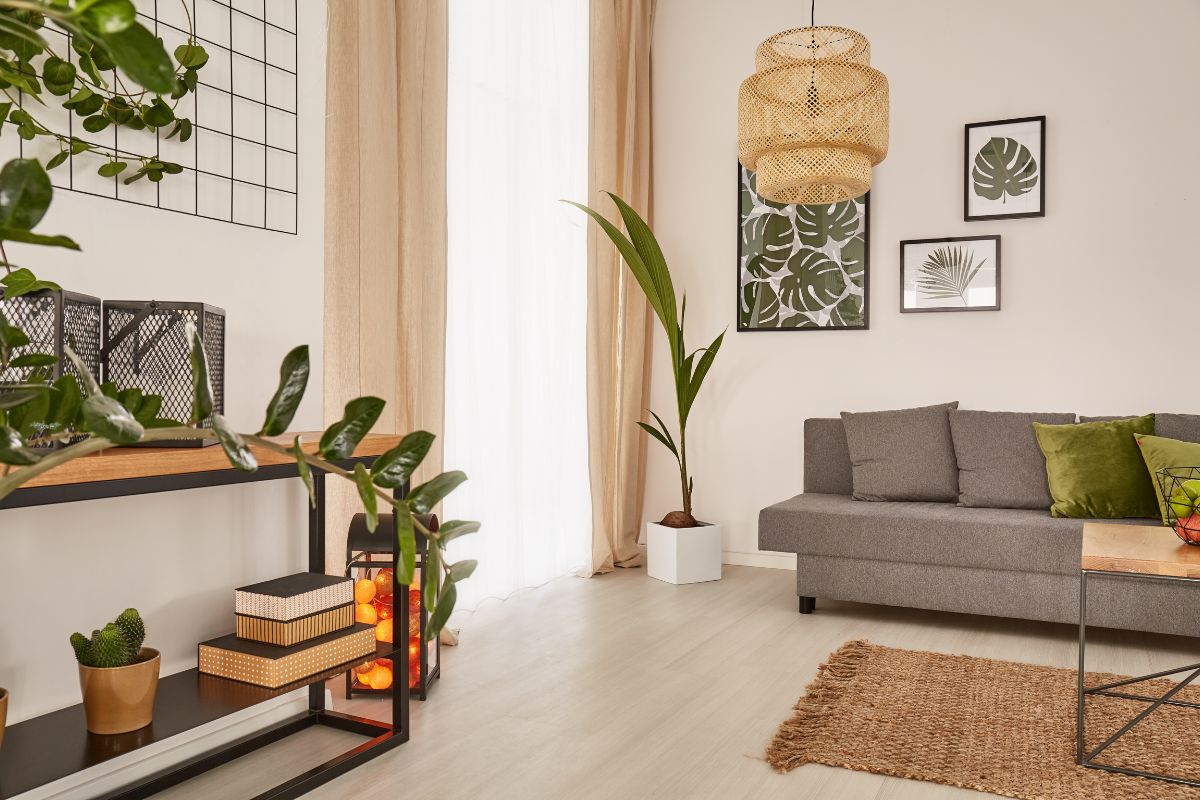


As The World Redefines Its Priorities, The Home World Also Transforms. In 2026, Properties Cease To Be Just Functional Shelters To Become Affective Refuges, Where Well-Being, Sustainability And Identity Take Center Stage. This Turning Point Is Driven By New Trends In Decoration And Architecture That Bring Housing Closer To Feeling — And, Especially, To Nature.
The pandemic changed the perception of home, but the effects of this transformation continue to resonate in current projects. What was once thought of only in aesthetic and functional terms now also needs to Embrace Emotions. Environments that stimulate calm, favor rest, and balance the senses are at the center of architectural decisions.
This search for emotional comfort is reflected in the choice of earthy colors, organic textures, and curved shapes. The use of furniture with fluid designs, upholstery with natural fabrics, and asymmetrical compositions, for example, makes the spaces more human and less impersonal. These are details that not only decorate but Connect The Inhabitant To The Space.
Biophilic Design As A Response To Reconnection
Among all the rising trends, none grows as much as the Biophilic Design. This approach goes beyond the insertion of plants: it integrates natural elements into architecture in a strategic, sensory, and affective way. Large openings for natural light, windows that frame the external greenery, textures that evoke earth, wood, and stone create a vibrant and pulsating atmosphere inside the home.
-
Retired doctor spends 7 years building a castle with his own hands in Spain and transforms the work into a monumental tribute to Christopher Columbus, with towers, historical symbols, and a tiny church recognized by Guinness as the smallest in the world.

-
Four Brazilian cities have fewer than 1,000 inhabitants and stand out in the IBGE ranking for having a population smaller than many buildings, condominiums, and neighborhoods scattered across the major urban centers of the country.

-
Woman mistakenly receives a transfer of R$ 14,000 and spends it all — Bought a plot of land
-
Brazil has 15 cities with more than 1 million inhabitants – with 42.8 million inhabitants – find out which ones they are


In Brazil, where the climate favors the use of internal and external vegetation year-round, biophilic design gains even more potency. Vertical gardens, balconies with tropical species, the use of brises to filter sunlight, and even small gardens in apartments are among the resources most valued in new residential projects.
Aesthetic Sustainability: Conscious Living
Another trend that is consolidating is the use of eco-friendly materials and sustainable construction solutions. Architects and decorators have prioritized the repurposing of materials, such as reclaimed wood and recyclable coatings. Water-based paints, LED lighting, and furniture produced with a lower environmental impact are becoming standard rather than exceptions.
This movement runs parallel to the slow living aesthetic, which values permanence and affection in objects. Environments are designed to last, to withstand the passage of time with authenticity — and not to follow passing trends.
Hybrid And Multifunctional Environments
The contemporary home also needs to adapt to the multiple activities that take place within it. Hybrid environments are increasingly common: kitchens that integrate with social areas, bedrooms that accommodate workstations, balconies that transform into communal lounges.
For this multifunctionality to work, projects invest in smart dividers, custom cabinetry, and layered planned lighting. The decoration accompanies with elements that help to “zone” the spaces, such as rugs, screens, and slatted panels.


Que site chato, propaganda em cima de propaganda, da pra ver nada, fuii