





 Portuguese
  English
  Spanish
  3 min of reading
  0 comments


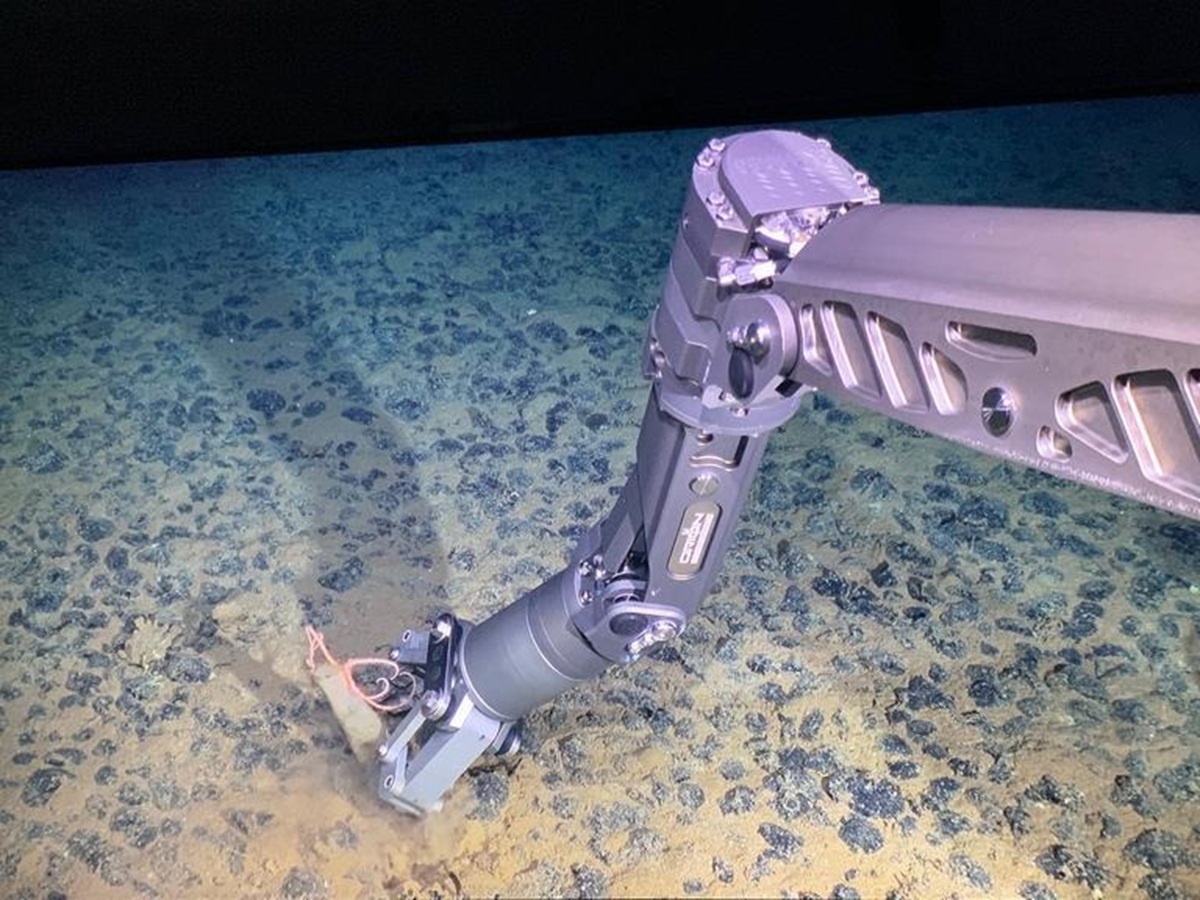
The International Survey Mapped 4,350 Animals, Identified 788 Species, and Recorded a 32% Reduction in Diversity at 4,000 Meters, Revealing Direct Impacts of Mining Testing in the Clarion-Clipperton Zone, Between Mexico and Hawaii
Researchers recorded 788 species and a 32% decline in diversity at 4,000 meters in the Pacific during mining testing, showing relevant impacts while assessing environmental risks and the presence of critical metals in international waters.
Registered Decline and High Concentration of Unknown Species
Scientists reported that a deep-sea mining test revealed a large number of unknown species living 4,000 meters below the surface, where the observed ecological impact was milder than initially feared, according to the group.
The team identified a decline of about one-third in species richness along the tracks left by the mining vehicle, reinforcing that the activity caused clear disturbances in the immediate environment analyzed during the research project.
-
Rare earths are in everything, from cell phones to bullet trains, and what almost no one realizes is why they have become the target of such a delicate global war.

-
Brazil extracts 26.3 million tons of ore from what was previously treated as waste, transforming residues into wealth, producing over 3 million tons of sand, and demonstrating how national mining is relearning to generate value.

-
A $3.5 billion megaproject in Latin America pumps desalinated seawater at 1,050 liters per second over 194 km to keep a copper supermine in the Andes operational for another 20 years.
-
A hidden mine in the Andes valued at nearly R$ 1 trillion is starting to attract global attention, containing copper, gold, and silver, and raises an intriguing question: why do Argentina and Chile need to act together to exploit this gigantic wealth?
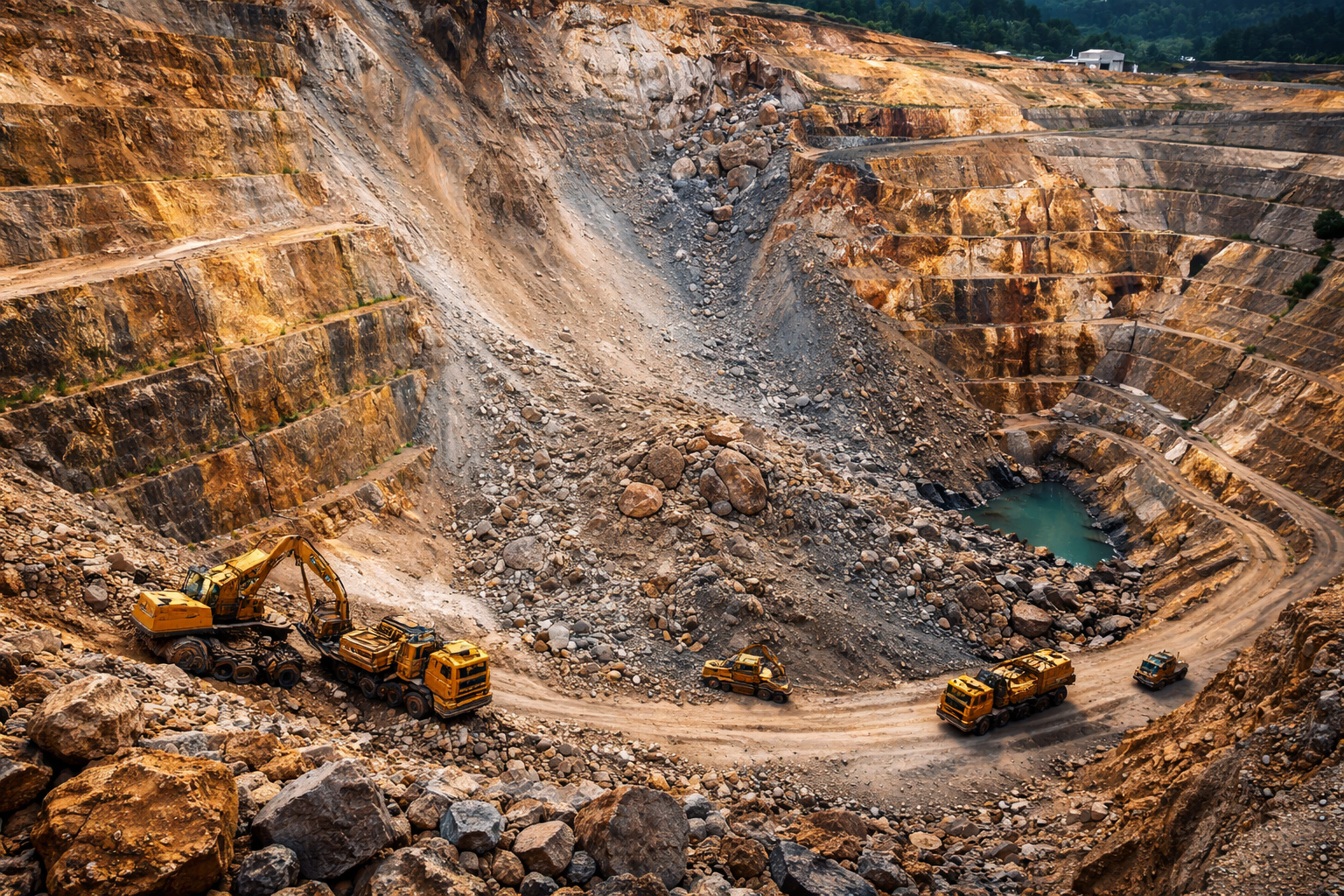

The study is part of an international initiative aimed at documenting little-known ecosystems on the Pacific Ocean floor, highlighting the need for rigorous environmental assessments before granting permits for large-scale mining in these areas.
Critical Metals and Pressures from the Energy Transition
According to Thomas Dahlgren from the University of Gothenburg, global demand for critical metals is increasing with the advancement of the green transition, as many of these resources are scarce and occur in considerable quantities on the seabed.
Dahlgren stated that there is still no clarity on responsible extraction methods or environmental consequences, emphasizing that this project represents an initial step to understand risks and opportunities in exploring resources in deep waters.
The work follows International Seabed Authority standards for baseline studies, making it one of the most comprehensive surveys on deep ecosystems and associated impacts of mining in the analyzed region.
Measured Effects After Five Years of Surveying
Over five years, researchers cataloged organisms and assessed the effects of a pilot project in the Clarion-Clipperton Zone, which extends between Mexico and Hawaii, finding a 37% decline in the number of animals and a 32% reduction in species diversity.
The assessment showed evident ecological disturbance in areas with the passage of the metal collector machine, reinforcing the need for clear environmental parameters to guide decisions in future projects.
Broad Biodiversity Despite Extreme Conditions
The survey conducted at 4,000 meters, in an area without sunlight and limited nutrients, showed that marine life can be scarce at these depths, with samples containing about 200 actual specimens despite diversity equivalent to that of the North Sea.
The team collected 4,350 animals above 0.3 millimeters and identified 788 species, primarily polychaetes, crustaceans, and mollusks such as snails and clams, indicating significant variety even in a low-productivity environment.
Identification and Relevance of Cataloged Species
After more than a decade of studies in the region, researchers made progress in identifying marine polychaete worms, using essential molecular DNA data to understand biodiversity and ecological dynamics on the seabed.
The group highlights that predicting risks of biodiversity loss involving deep-sea mining requires understanding the 30% of the Clarion-Clipperton Zone currently protected, as little is known about the species occupying these locations.
This understanding will be crucial for guiding the responsible management of resources and assessing potential impacts in areas designated for conservation, according to the scientific survey team.
Additional information points out that the discovery reinforces how deep ecosystems remain poorly documented and need continuous studies, something that, according to
More information at gu.se.









-

-

-

3 pessoas reagiram a isso.