





 Portuguese
  English
  Spanish
  6 min of reading
  0 comments


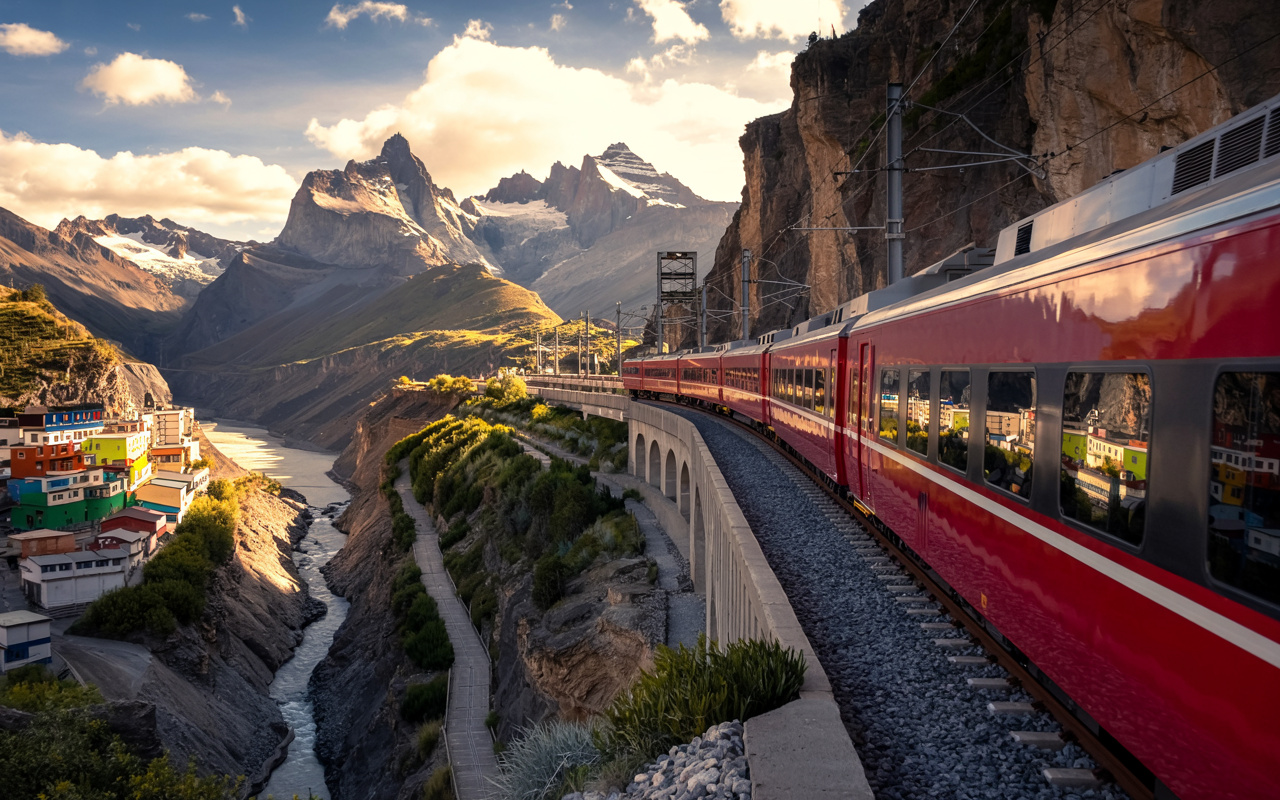
Discover How the Highest Railways in the World Challenge Gravity and Engineering, Operating at Extreme Altitudes with Unique Landscapes and Advanced Technologies on the Highest Train Lines on the Planet.
The highest train lines in the world impress with engineering that defies natural limits. These routes traverse imposing mountain ranges, deep canyons, and reach altitudes where oxygen is scarce, requiring advanced technological and logistical solutions. More than modes of transportation, they symbolize innovation, integration, and human connection with the most extreme environments on Earth.
This article presents the main highest railways in operation on the planet, highlighting their technical characteristics, the challenges faced, and the economic and social importance of each line. Based on updated data, discover below the railway routes that operate under severe altitude conditions and are true marvels of modern engineering.
Main Highlights of the Highest Railways on the Planet
- Qinghai–Tibet Line (China) – the highest in the world: reaches 5,072 m at Tanggula Pass.
- Himalayan Line (India) – connects pathways at altitudes close to 1,290 m.
- La Paz–Oruro Railway (Bolivia) – exceeds 4,000 m, crossing the Andes Mountains.
- Train Line in Peru – with sections above 4,700 m, such as the section to La Rinconada.
These routes are sought after by tourists, researchers, and engineers, and are frequently cited as the highest railways in the world in studies on transportation in elevated regions due to their complex operational conditions and significant cultural and economic impact.
-
American Airlines starts selling trips as if they were flights, with check-in and baggage check at the airport, but on short routes, passengers board luxury buses connecting cities to major hubs in the U.S.

-
São Paulo surprises the world with a colossal railway network project that promises over 1,000 km of tracks, R$ 194 billion in investments, and 40 projects connecting the capital to the interior with fast and sustainable trains.
-
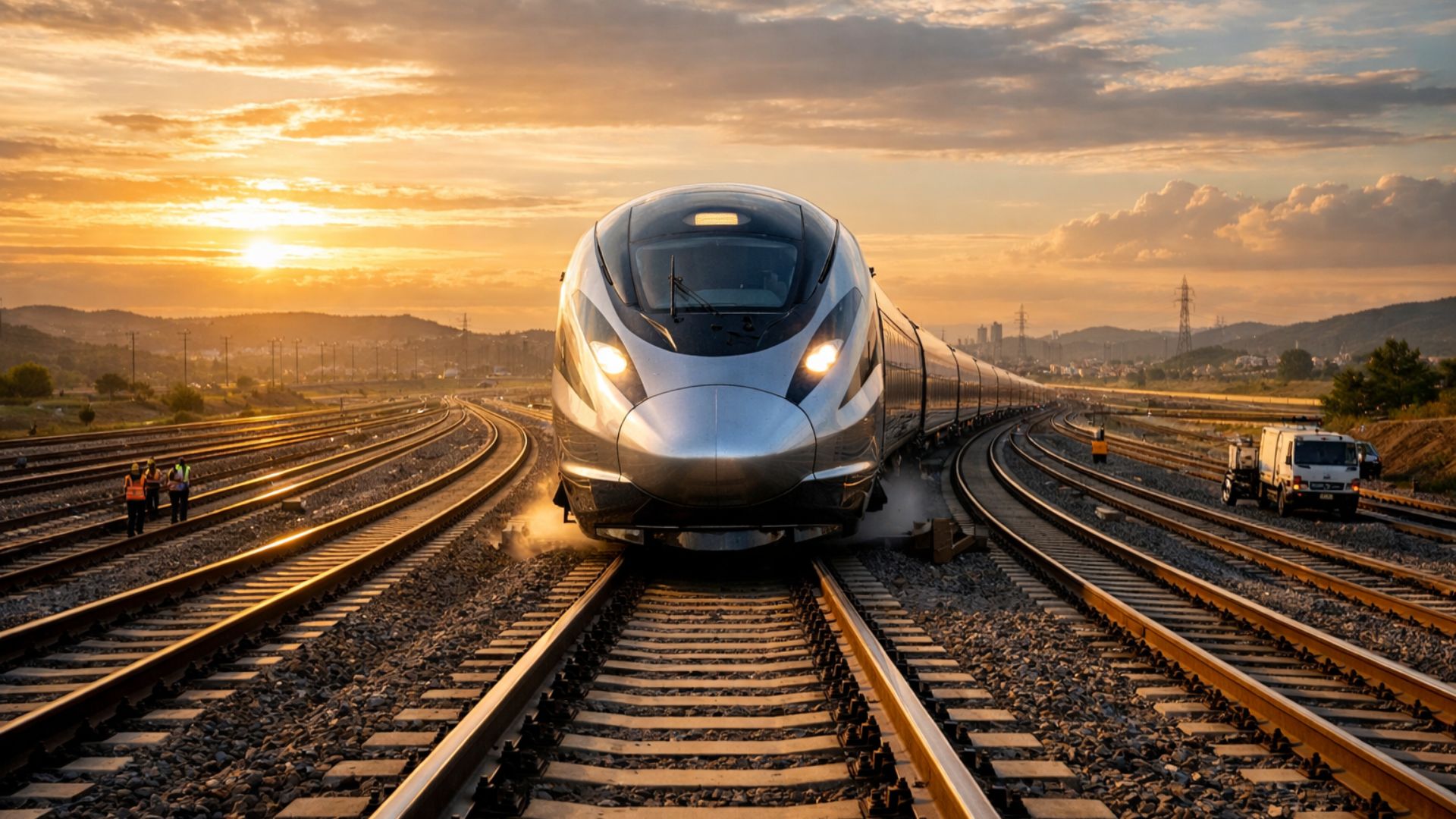
The world’s largest escalator, measuring 905 meters in China, reduces urban travel time from 1 hour to about 20 minutes and transforms mobility in mountainous regions with an engineering solution adapted to the terrain.
-
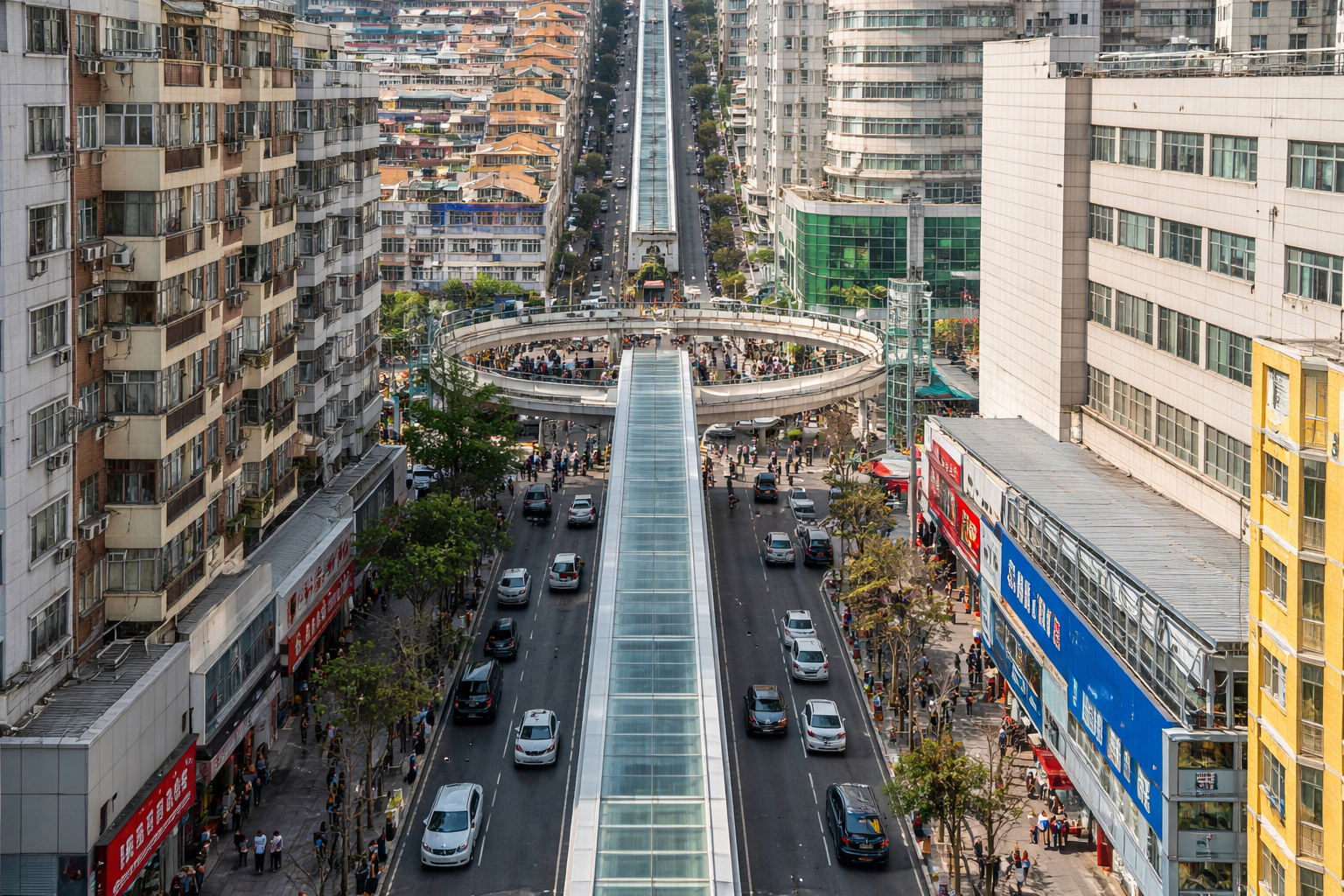
A R$ 300 million logistics giant is taking shape in Serra with over 100,000 m² and raises a question: how can this transform e-commerce and distribution in the state?

Qinghai–Tibet: The Highest of the Train Lines
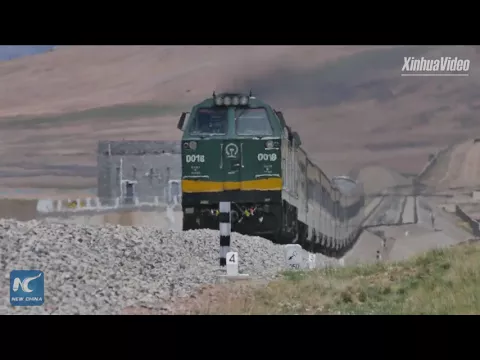

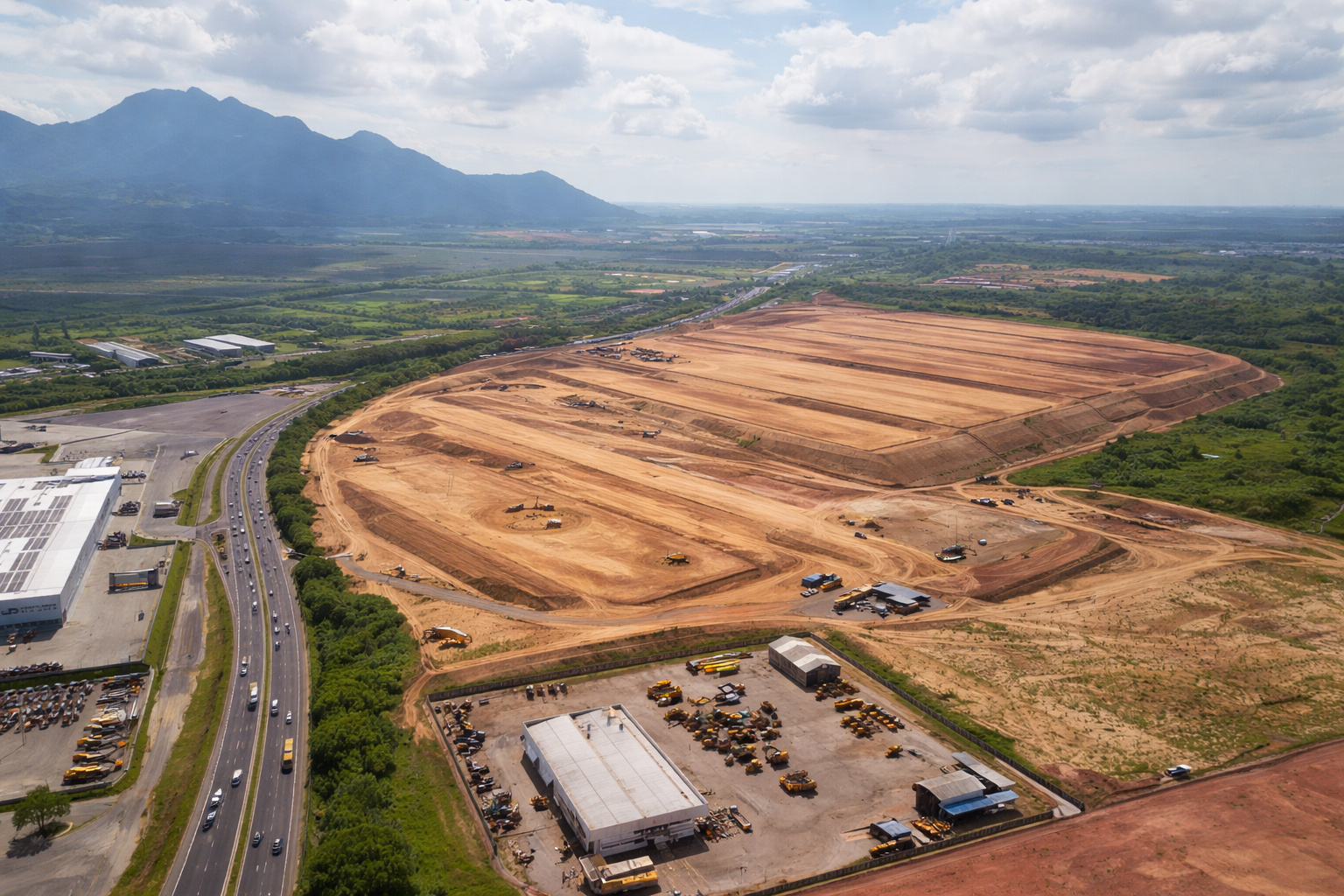
Inaugurated in 2006, the Qinghai–Tibet Railway crosses the Tibetan Plateau, connecting the city of Xining to the capital Lhasa. With altitudes exceeding 5,000 meters, this railway has the highest section in the world, located at Tanggula Pass, at 5,072 m above sea level.
The line stretches 1,956 kilometers and includes over 960 km in permanently frozen areas. The trains were specially designed with supplemental oxygen systems and thermal insulation. It is considered one of the greatest feats of modern Chinese engineering.
Altitude Challenges
The low concentration of oxygen in the air can cause discomfort in passengers and railway workers. To mitigate the effects, the carriages are equipped with pressurized systems and individual oxygen supply.
Additionally, a large part of the route is over permafrost (permanently frozen ground), which requires underground ventilation systems and elevation of the tracks to prevent thawing and collapses.
Regional Relevance and Impact
The line has played a crucial role in integrating Tibet with the rest of China, both logistically and symbolically. It also promotes tourism, providing access to historically isolated regions. On the other hand, critics point to the environmental and cultural impact of increased settlement and circulation in the region.
Highest Railways in South America
Peru: The Challenging Route to La Rinconada
The city of La Rinconada, located at about 5,100 meters above sea level in the Peruvian Andes, is one of the highest permanently inhabited places on the planet. Some train lines in Peru approach this region and reach sections with altitudes over 4,700 meters.
These routes, primarily used for transporting minerals and supporting mining activities, face extreme cold, snow, unstable terrain, and low atmospheric pressure. Infrastructure is limited, and the tracks require constant maintenance.
Bolivia: Connection Between La Paz and Oruro
The Bolivian railway between La Paz and Oruro is one of the highest on the continent. With average altitudes above 4,000 meters, it traverses the Andes Mountains, contributing to the transport of mineral and agricultural production and local mobility.
Despite the altitude, it is a regularly operating line that plays an important role in national connectivity and linkages with neighboring countries like Chile. Modernization projects aim to enhance its efficiency and safety.
Train Lines in the Himalayas and Terrain Challenges
Kangra Valley and Other Routes in the Himalayas
India is home to several railways in mountainous regions. Among the most well-known is the Kangra Valley line, which reaches over 1,290 m in altitude. Although it does not rank among the absolute highest train lines in the world, it is emblematic for crossing rugged sections of the Himalayan foothills.
The line is narrow, with sharp curves and high bridges over deep valleys. It is mainly used for local and tourist transport, connecting small towns and facilitating access to the region.
Engineering and Sustainability
The construction and operation of railways in these regions involve environmental and engineering challenges. To prevent erosion and ecological impacts, many sections were built with tunnels and viaducts that follow the natural topography.
Furthermore, projects aim to preserve native vegetation and minimize the displacement of traditional communities. India also promotes railway ecotourism programs, integrating travel and environmental awareness.
Obstacles and Solutions in High-Altitude Railways
Altitude and Oxygen
At altitudes above 3,000 meters, the reduction of oxygen affects the performance of people and machines. The most common symptoms among passengers include headaches, nausea, and fatigue. On high-altitude trains, such as those in China, artificial oxygen is provided, along with medical warnings for travelers with chronic conditions.
Extreme Weather
In the mountains, the weather is unpredictable. Intense snowstorms, sudden rains, and temperature fluctuations hinder operations. Therefore, the tracks are reinforced with corrosion-resistant metal alloys, and drainage systems are installed along the routes.
Complex Infrastructure
Railways at extreme altitudes require precision engineering. Tunnels drilled in solid rock, suspended viaducts, and weatherproof stations are common. A notable example is the 550 km segment of the Qinghai–Tibet Railway built over permafrost, using thermal pillars.
Constant Maintenance
The lifespan of railway components at altitude tends to be shorter. Therefore, preventive maintenance is more frequent and requires trained professionals. Sensors installed along the tracks help detect instabilities, ground movements, or structural cracks.
Tourism and Culture on the Highest Train Lines in the World
Traveling along the highest railways on the planet offers unique landscapes. Snow-covered mountains, crystalline lakes, and isolated villages create the scenery of these routes. Some operators offer complete tourist packages, including guides, meals, and accommodation.
The journey to Lhasa, for instance, is sought after by foreigners wishing to explore Tibet safely and comfortably, without relying on climbs or long road trips.
Regional Development
The train lines in mountainous regions not only transport tourists but also contribute to local development. They create jobs, stimulate regional commerce, and facilitate access to essential services such as health and education.
Governments and private companies have invested in railway infrastructure as a strategy for inclusion and regional balance, bringing progress to previously isolated communities.
Scientific Research
In addition to tourism, these lines also hold scientific value. Researchers use these routes as a basis to study climate change, glacier behavior, permafrost dynamics, and human health in low atmospheric pressure environments.
Experiments conducted on high-altitude trains helped develop medical protocols and climate control technologies that are now used in other parts of the world.
Why Do These Train Lines Continue to Fascinate the World?
The highest railways on the planet demonstrate how humanity is capable of overcoming natural barriers with creativity, engineering, and resilience. From the Qinghai–Tibet Railway to the Andean and Himalayan tracks, these routes represent the union of innovation, sustainability, and overcoming challenges.
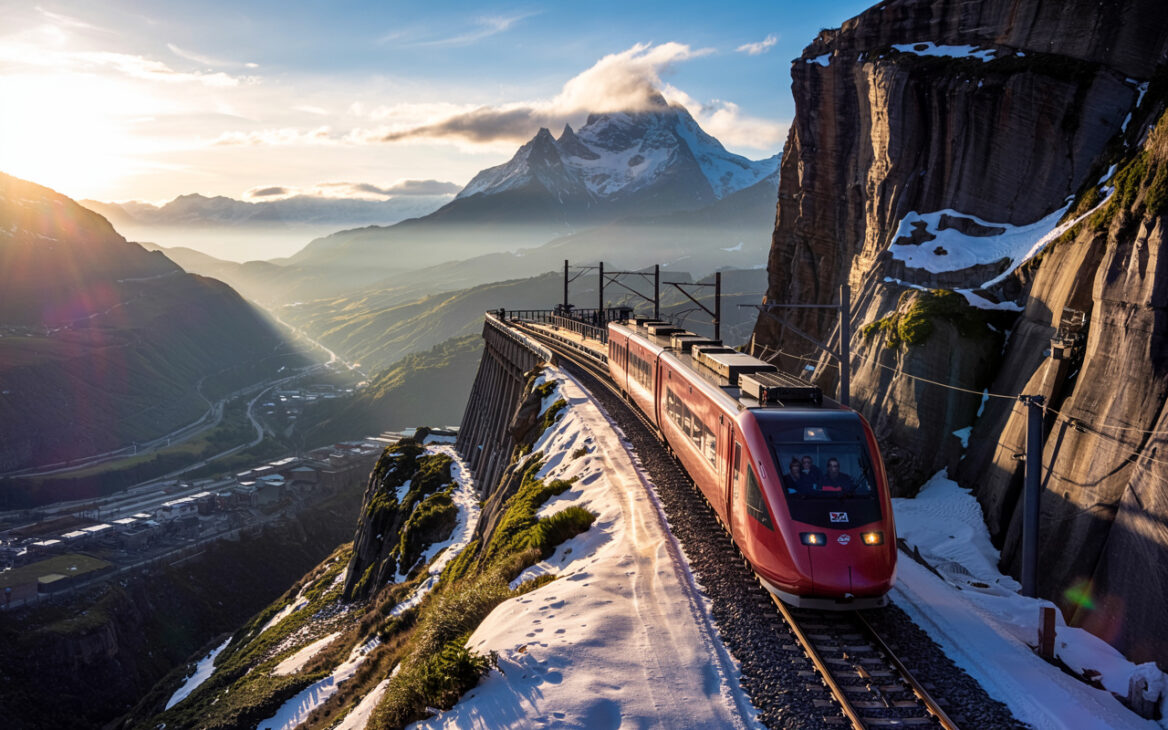
In addition to connecting remote locations, these train lines transform transportation into an experience, integrating cultures and generating knowledge. While facing extreme challenges, they expand horizons, create opportunities, and inspire future railway projects in equally challenging conditions.
The pursuit of sustainable solutions and adaptation to the hostile environment of high altitudes makes these railways global references in technology, mobility, and climate adaptation. For engineers, adventurers, environmentalists, and the curious, they remain symbols of everything that is possible to achieve when human ingenuity and respect for the environment go hand in hand.










Seja o primeiro a reagir!