





 Portuguese
  English
  Spanish
  2 min of reading
  2 comments


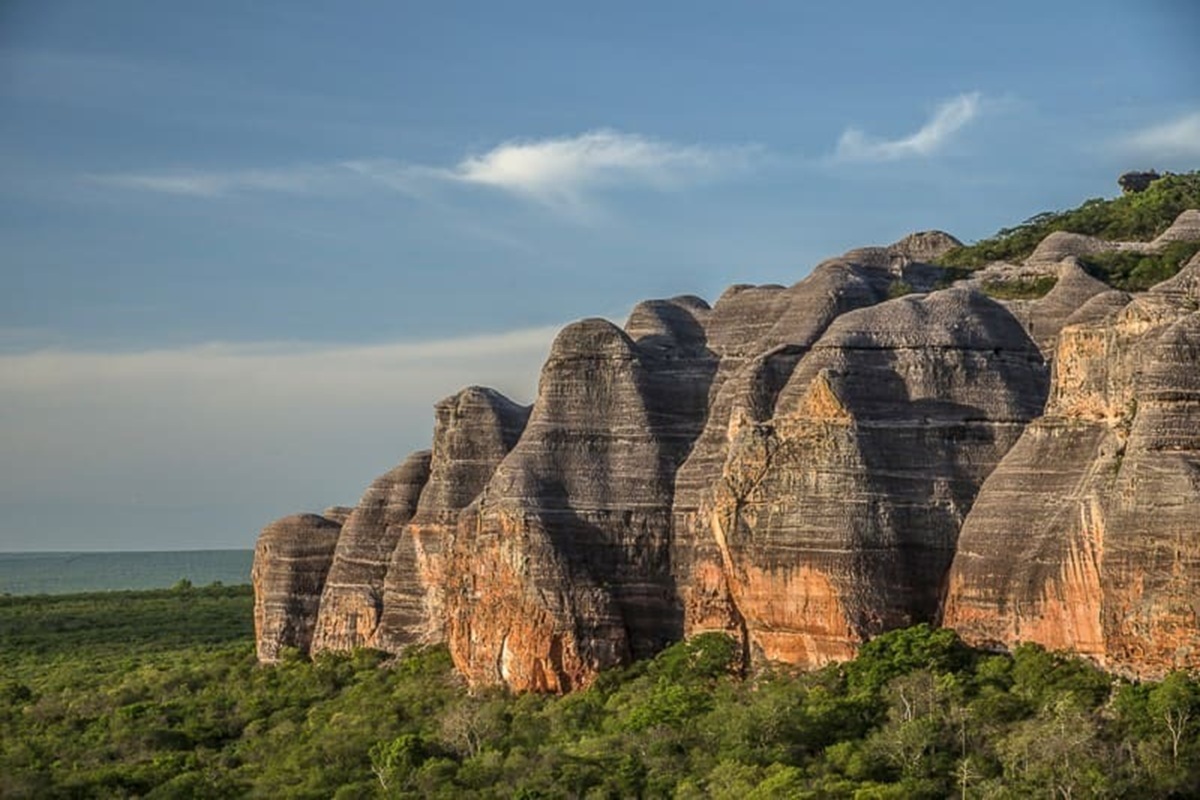


With 823,000 Hectares Preserved, The Largest Caatinga Reserve in Brazil Stands Out for Its Combination of Intense Landscapes, Adapted Biodiversity, and Natural Formations That Draw Attention for Their Grandeur and Little-Explored Beauty
Located in the southwest of Piauí, the Serra das Confusões National Park encompasses approximately 850,000 hectares and stands out as the largest conservation unit in the state and the Northeast region. This expanse features environments that value the Caatinga biome by showcasing mountains, valleys, viewpoints, and remarkable geological formations.
Established in 1998 and managed by the Chico Mendes Institute for Biodiversity Conservation, the park is accessible from the municipality of Caracol, situated 600 km from Teresina.
The area was named by the ancient inhabitants, who were impressed by the color variations of the rocks. The shades of ochre, orange, white, and brown change according to the sunlight, so the scenery changes throughout the day.
-
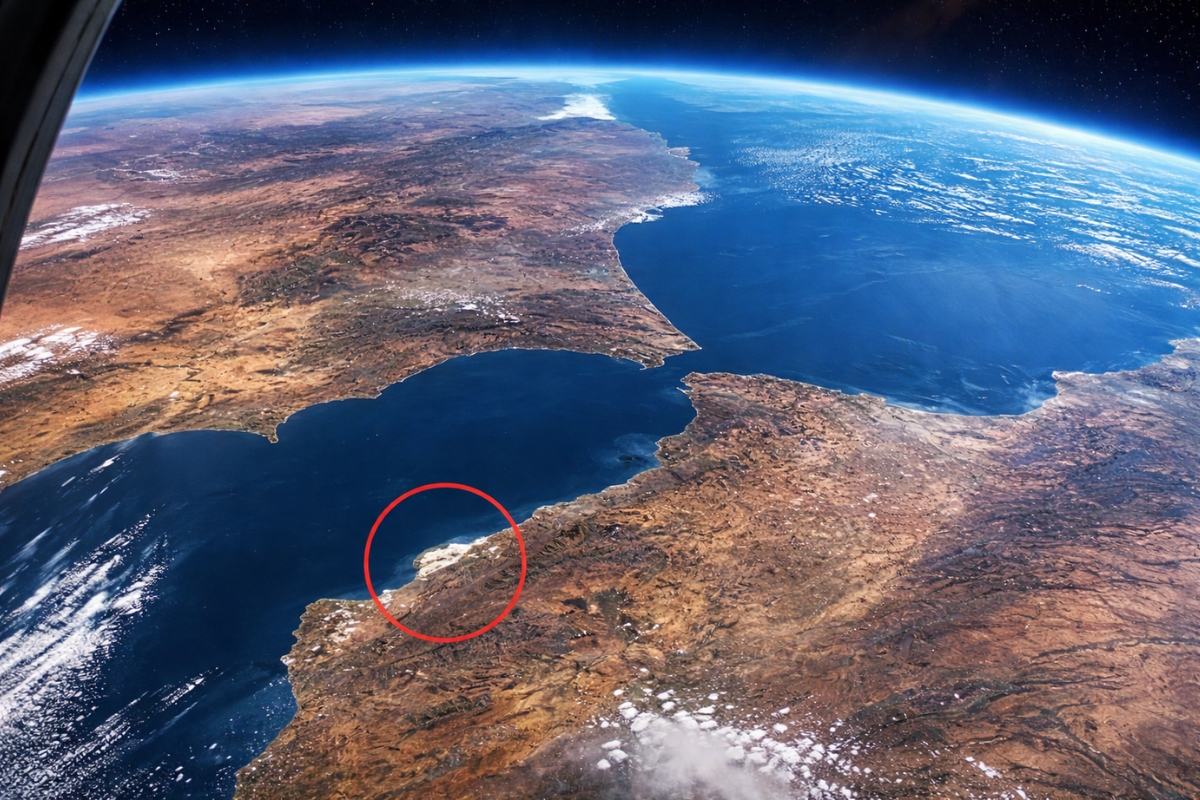
According to an analysis by NASA, only one human-made structure is visible from space, and it is not the Great Wall of China or the Pyramids of Egypt.
-
After 377 years of history, the Brazilian Army will have its first female general: Colonel Claudia Cacho has been promoted to brigadier general by Lula and will receive the sword and command baton this Wednesday in Brasília.

-
A Mercado Livre customer opened their package and found 32 resumes of people looking for jobs crumpled as protective paper inside the box, exposing names, addresses, documents, and phone numbers of dozens of candidates.

-
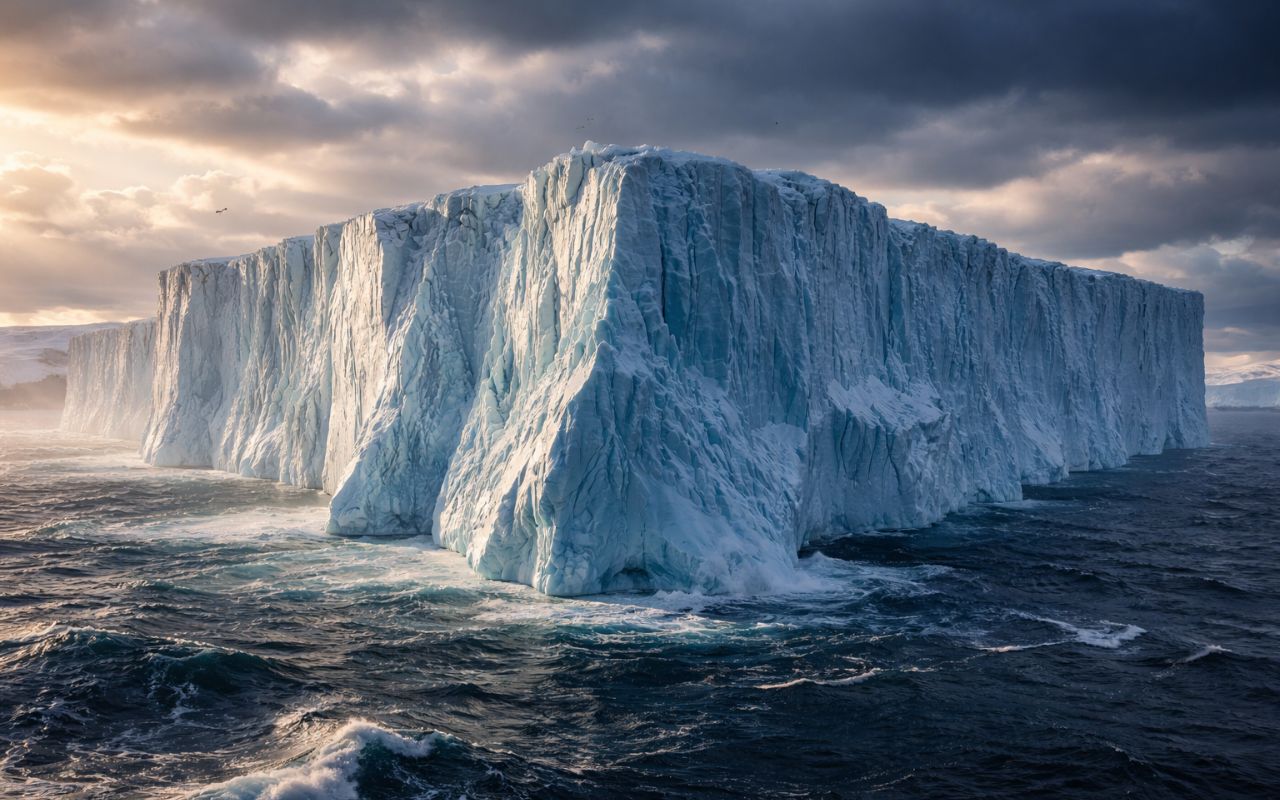
Iceberg A23a, one of the largest in the world, is undergoing accelerated collapse and may disappear: what explains the end of the ice giant?

Landscapes and Experiences for Visitors
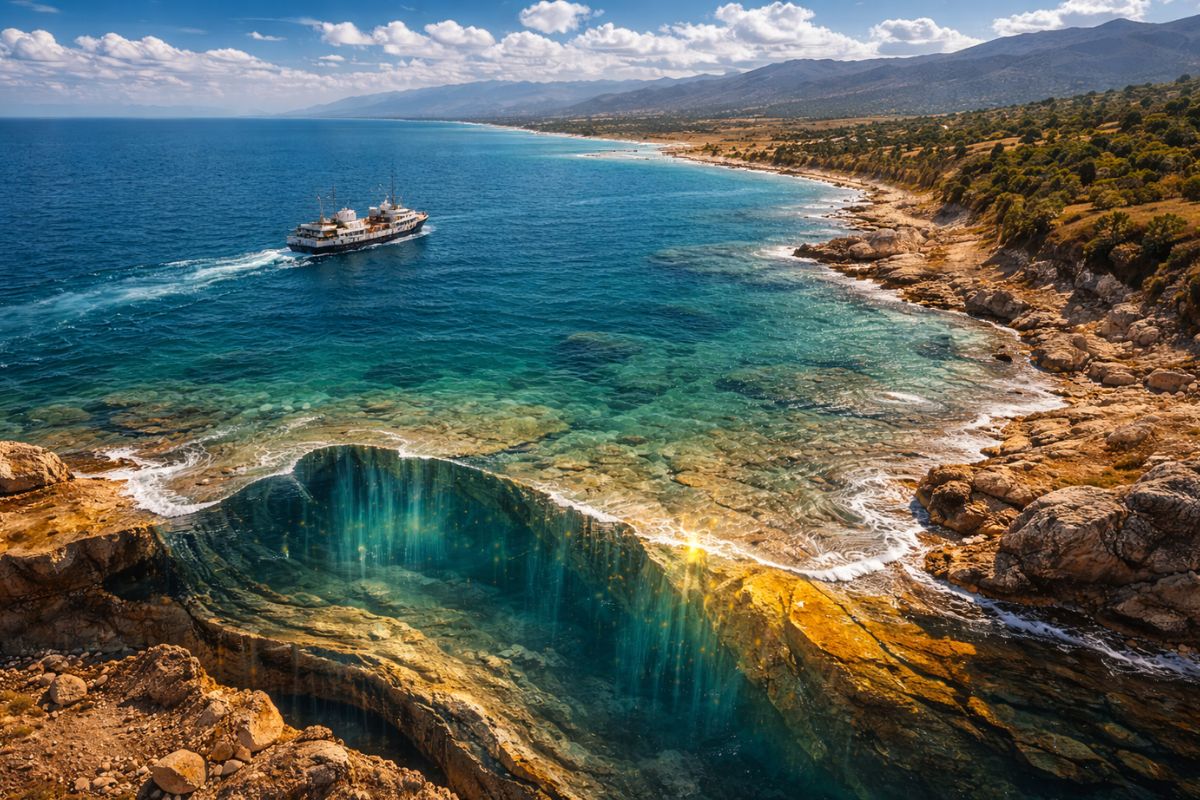
Visits are free but require the accompaniment of a registered guide. The route allows for the observation of animals and plants, turning the experience into a complete immersion in nature. The trails lead to highlight points, such as the Swallow Cave and the Window of the Sertão, which reveal views considered impactful and areas of significant ecological value.
The paths also lead to caves and sections that reinforce the park’s diversity, as each environment offers a unique aspect of the Caatinga. The expansiveness of the territory provides different perspectives of the landscape, allowing visitors to observe the change in rock colors as they advance through the inner areas.
Preservation and Archaeological Importance
The park’s conservation includes the protection of archaeological sites with rock paintings that date back thousands of years. These marks record the presence of ancient civilizations that inhabited the region and help to understand cultural aspects related to the territory’s past.
The preservation of this heritage is considered fundamental, as it keeps alive the memory of the populations that occupied the site and ensures the continuity of studies.
With information from the Government of Piauí.





Pena q nem o Brasil e nem o Piauí valorizam este Patrimônio Mundial.
É um dos mais importantes parques arqueológicos do mundo, c/mais de mil sítios.
Lá tem registros da presença humana mais antiga das Américas, com o maior n° de figuras rupestres do mundo. Lá tá registrado o 1° beijo da humanidade.
A Dra Niède Guidon, uma das omportantes Arqueológas do mundo, nunca foi valorizada. Deu sua vida p/aquele local inóspito e quando morreu, parece que foi uma formiga ou uma abelha.
Na região não tem água nem p/matar a sede da população e dos animais. Não tem água nem na zona urbana dos municípios vizinhos.
É triste a realidade do Brasil.
O lugar é lindo e maravilhoso realmente, bem preservado, no aspecto vegetativo, porém como quase todas as unidades de conservação no país, falta fiscalização por parte do poder público.