





 Portuguese
  English
  Spanish
  6 min of reading
  0 comments


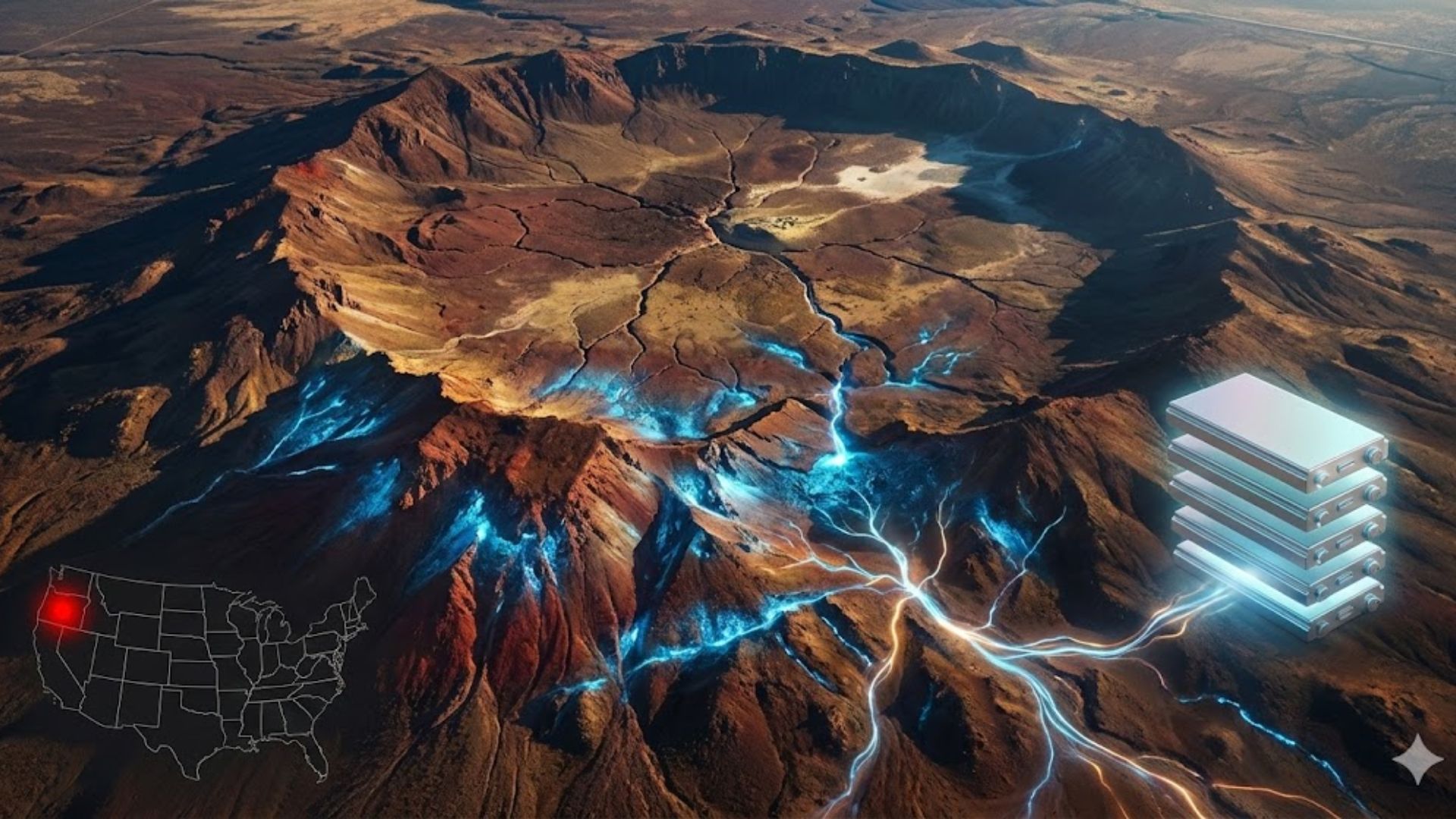
Giant Lithium Deposit Beneath Volcanic Caldera in the U.S. Gains International Attention for Its Trillion-Dollar Economic Potential and the Environmental and Social Impacts That May Define the Future of Mining for Energy Transition.
A large lithium deposit beneath the McDermitt Caldera, between the states of Nevada and Oregon in the western United States, has gained international prominence after estimates indicated between 20 and 40 million metric tons of clays rich in the metal.
Considering current prices for lithium compounds, the volume has been valued at around US$ 1.5 trillion, which could transform the area into one of the main hubs for global energy transition in the coming decades.
At the same time, the project reignites discussions about environmental impacts, water use, and the rights of local and indigenous communities.
-
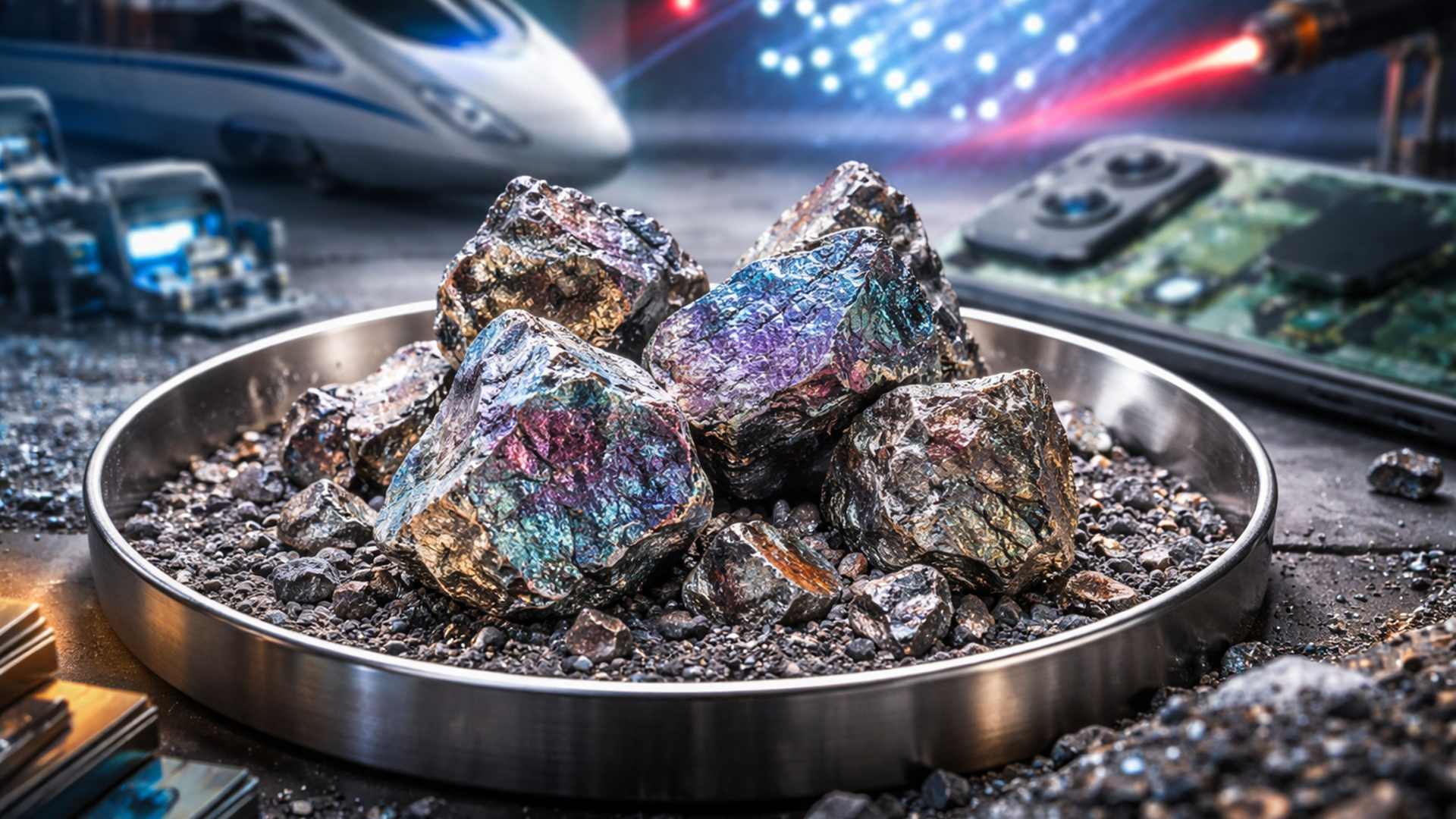
Rare earths are in everything, from cell phones to bullet trains, and what almost no one realizes is why they have become the target of such a delicate global war.
-
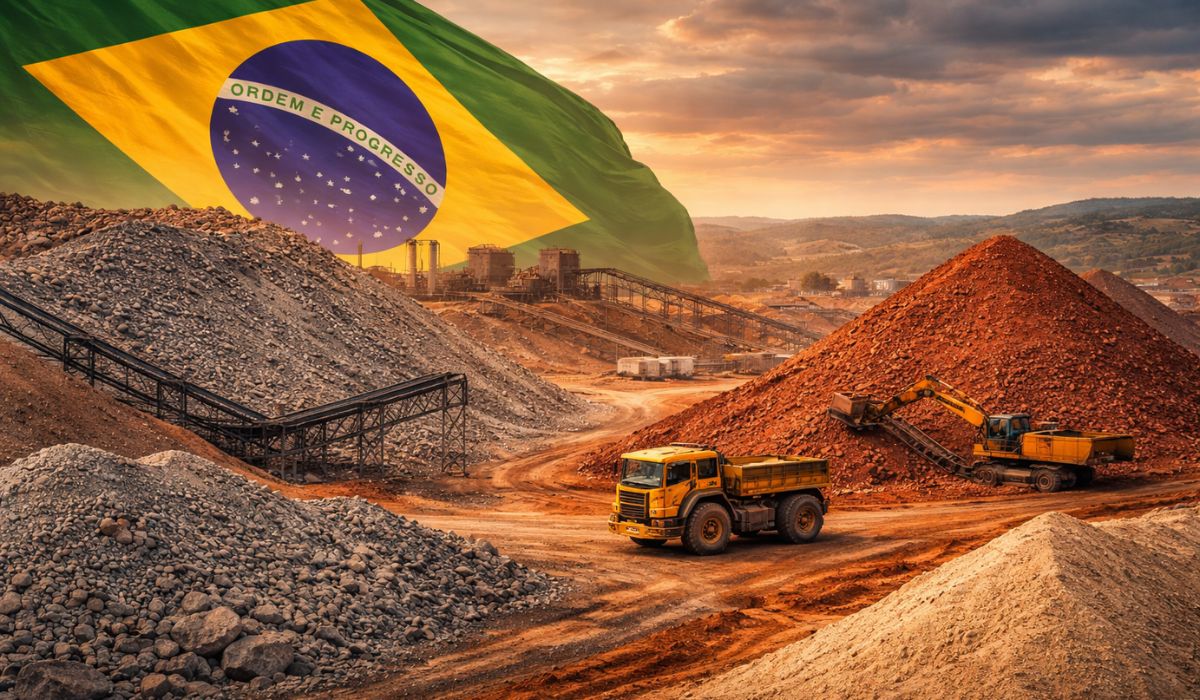
Brazil extracts 26.3 million tons of ore from what was previously treated as waste, transforming residues into wealth, producing over 3 million tons of sand, and demonstrating how national mining is relearning to generate value.
-
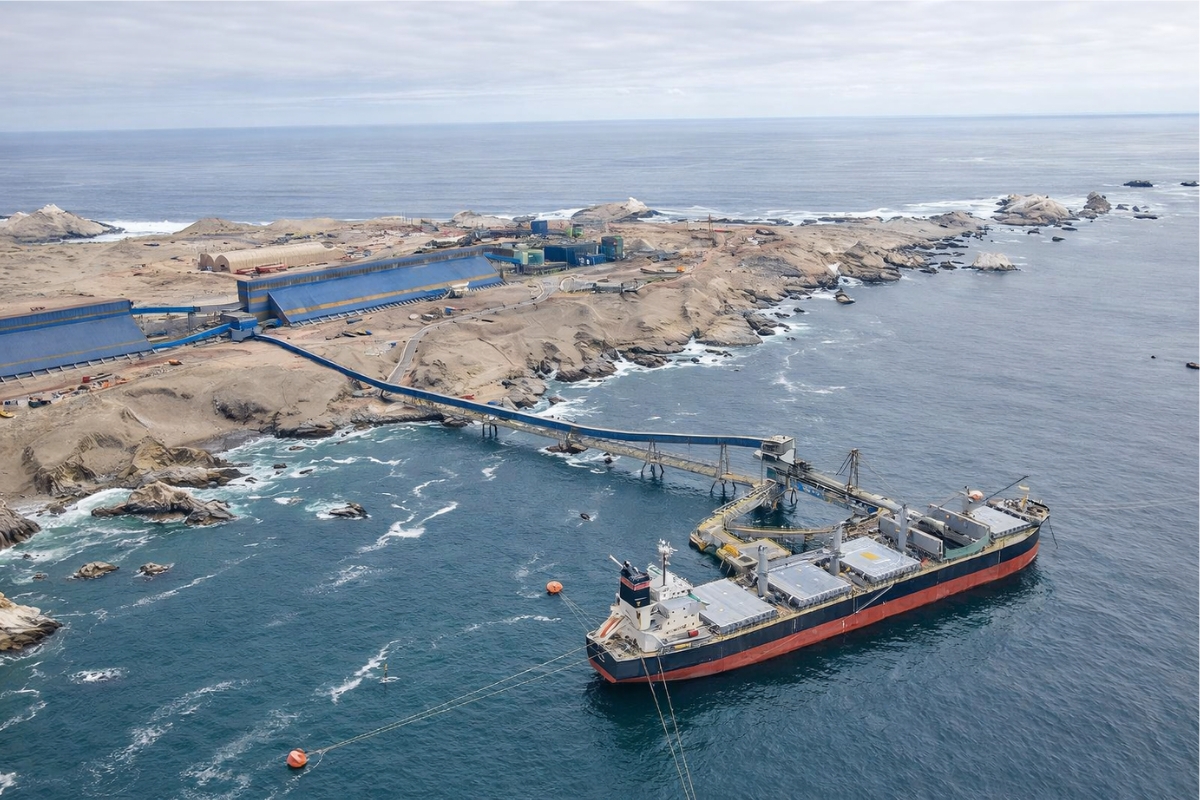
A $3.5 billion megaproject in Latin America pumps desalinated seawater at 1,050 liters per second over 194 km to keep a copper supermine in the Andes operational for another 20 years.
-
A hidden mine in the Andes valued at nearly R$ 1 trillion is starting to attract global attention, containing copper, gold, and silver, and raises an intriguing question: why do Argentina and Chile need to act together to exploit this gigantic wealth?

Geological Origin and Formation of the Lithium Superdeposit
The McDermitt Caldera is the result of a large-magnitude volcanic eruption that occurred about 16 million years ago.
After the collapse of the volcano, the crater began to host long-lasting lakes, which accumulated fine sediments enriched by hydrothermal solutions.
Over millions of years, these processes concentrated high-lithium clays in different zones of the caldera.
Recent geological studies indicate that, in specific areas, the lithium content in the clays can reach approximately 2.4% by weight, a figure considered high for sedimentary deposits of this type.
In practical terms, this means a higher amount of metal per ton of extracted material, which tends to favor the economic viability of mining.

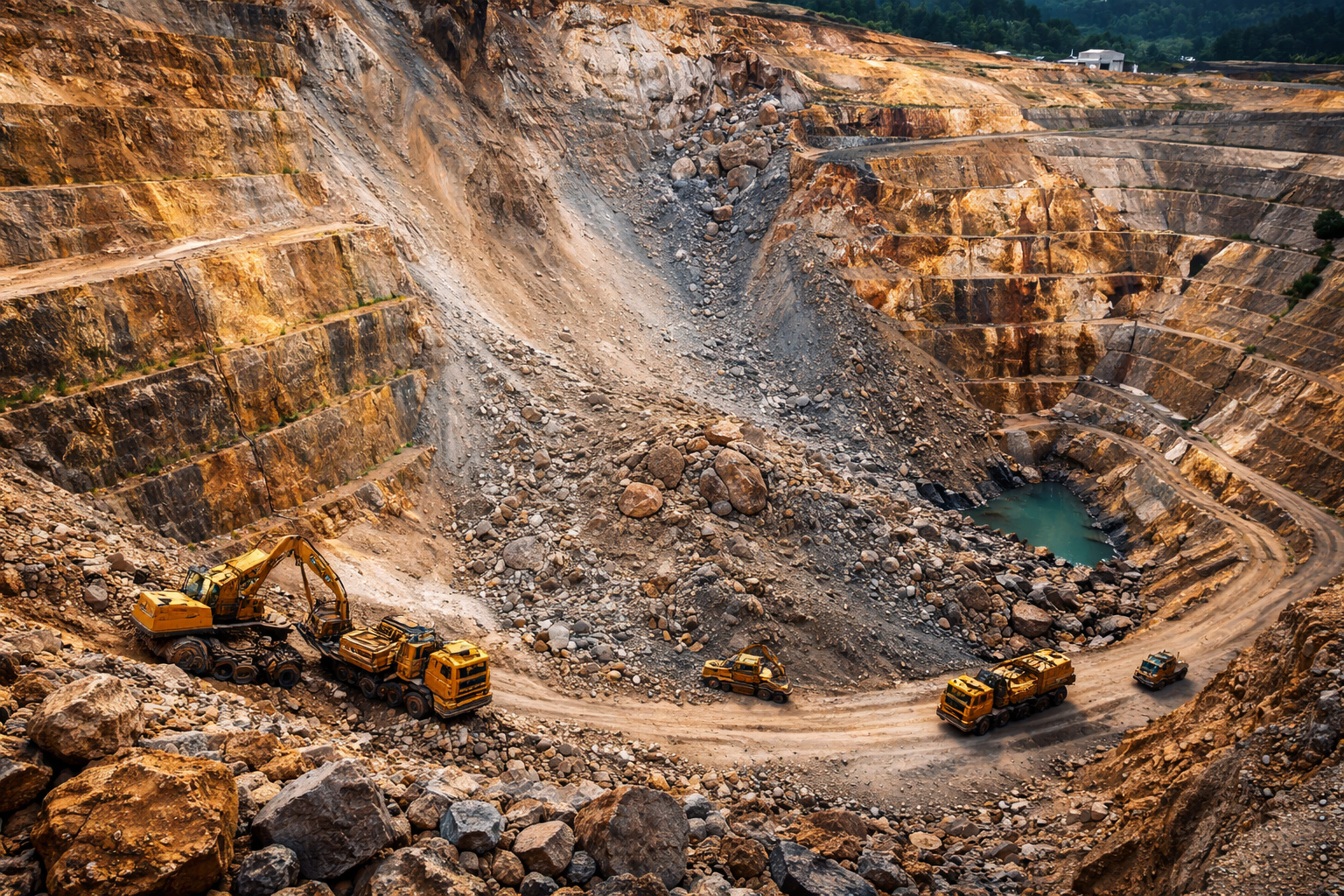
One of the most studied areas is Thacker Pass, in the southern sector of the caldera.
There, the layer of lytic clay reaches about 30 meters in thickness and is close to the surface.
This configuration allows for open-pit mining, reducing the need for deep drilling and, in theory, simplifying some stages of extraction and access to the ore.
Although the deposit is often described as one of the largest ever identified in the world, effective exploitation depends on factors such as the continuity of the deposits, the metallurgical recovery achieved in processing tests, and the economic conditions of the global lithium market.
Lithium as a Strategic Resource for Batteries and Energy Transition
The importance of the find is directly linked to the role of lithium in rechargeable batteries used in electric vehicles, solar and wind energy storage systems, as well as portable electronics.
Projections from international organizations and consultancies estimate that global demand for the metal could reach about 1 million tons per year by 2040, driven mainly by the electrification of the automotive fleet and the expansion of more flexible and decentralized electrical grids.
In a scenario of strong demand growth and concerns about supply security, a deposit of this scale in North America gains strategic significance.
The United States currently relies heavily on imports and a limited number of operating mines to supply its battery industry.
The exploration of the McDermitt Caldera has the potential to:
• strengthen the supply security for battery manufacturers and automakers established in the country;
• reduce pressure on deposits located in environmentally sensitive areas of other continents;
• stimulate the development of new extraction and processing technologies specific to lithium-rich clays;
• contribute to greater stability in global metal prices.
If the additional supply materializes over time and keeps pace with demand, experts believe that the movement could contribute to greater price stability and, in some scenarios, to gradual reductions in the cost of battery production.
This tends to influence the final price of electric vehicles and the viability of large-scale storage projects connected to the electrical grid.
Environmental and Social Impacts Surrounding the Supervolcano
While authorities and companies highlight the economic and climate potential of the project, the McDermitt Caldera has also become a focus of socio-environmental conflicts.
Indigenous organizations and local groups contest the occupation model and warn of risks associated with large-scale mining in the region.
Among the main concerns are intensive water use in a semi-arid area, possible contamination of aquifers by chemical reagents used in ore processing, soil quality alteration, and loss of natural habitats.

At Thacker Pass, criticisms also focus on the location of the enterprise in an area considered culturally sensitive by indigenous peoples, who associate the territory with historical episodes of violence and traditional practices.
Reports from human rights organizations and civil entities point to flaws in how the licensing and consultation process with indigenous communities was conducted, stating that the project advanced without adequate consent from all affected groups.
At the same time, the responsible company and federal authorities argue that the enterprise complies with legal requirements and that environmental mitigation and monitoring measures are being developed.
From an ecological perspective, researchers are monitoring the potential impact on endemic species of fauna and flora adapted to springs and specific environments in the region.
The combination of large open pits, waste piles, constant truck circulation, and infrastructure associated with the mine tends to profoundly alter the local landscape.
In response to the criticisms, social movements and environmental entities advocate for more detailed impact studies, the participation of independent experts in monitoring, and the adoption of more robust legal guarantees to protect water resources, areas of cultural interest, and the livelihoods of communities.
Future of Mining at Thacker Pass and Global Effects
As governments set carbon neutrality targets and expand incentive programs for fleet electrification and renewable energy, deposits like the one in the McDermitt Caldera are likely to gain relevance in industrial and geopolitical strategies.
In recent years, the Thacker Pass project has progressed through licensing stages, formed partnerships with automakers, and obtained financial support from public institutions, aiming to build an operation capable of producing tens of thousands of tons of lithium carbonate per year.
Plans released by the company anticipate an operation with a lifespan of several decades, reinforcing the long-term nature of the enterprise.
However, the actual speed of implementation will depend on factors such as additional regulatory decisions, potential judicial reviews, price fluctuations of lithium, and the ability to demonstrate that extraction and processing technologies can reduce environmental impacts.
State governments and the federal government of the United States are simultaneously pressured to accelerate the energy transition while responding to questions about transparency, prior consultation with indigenous peoples, and the protection of fragile ecosystems.
In this context, how the McDermitt Caldera will be exploited may become an international reference for new lithium projects in clays, both in terms of technological solutions and socio-environmental standards.
If commitments to monitoring, compensation, and dialogue with communities are expanded and effectively fulfilled, the site may be presented as an example of mining oriented towards energy transition with greater responsibility.
Otherwise, there is a risk that the superdeposit will be marked chiefly by conflicts and controversies.
Given a resource valued in trillions of dollars and considered essential for batteries and clean energy, to what extent will society be willing to accept the local impacts of mining in exchange for accelerating the global energy transition?








-

-

-

-

-

16 pessoas reagiram a isso.