





 Portuguese
  English
  Spanish
  4 min of reading
  0 comments


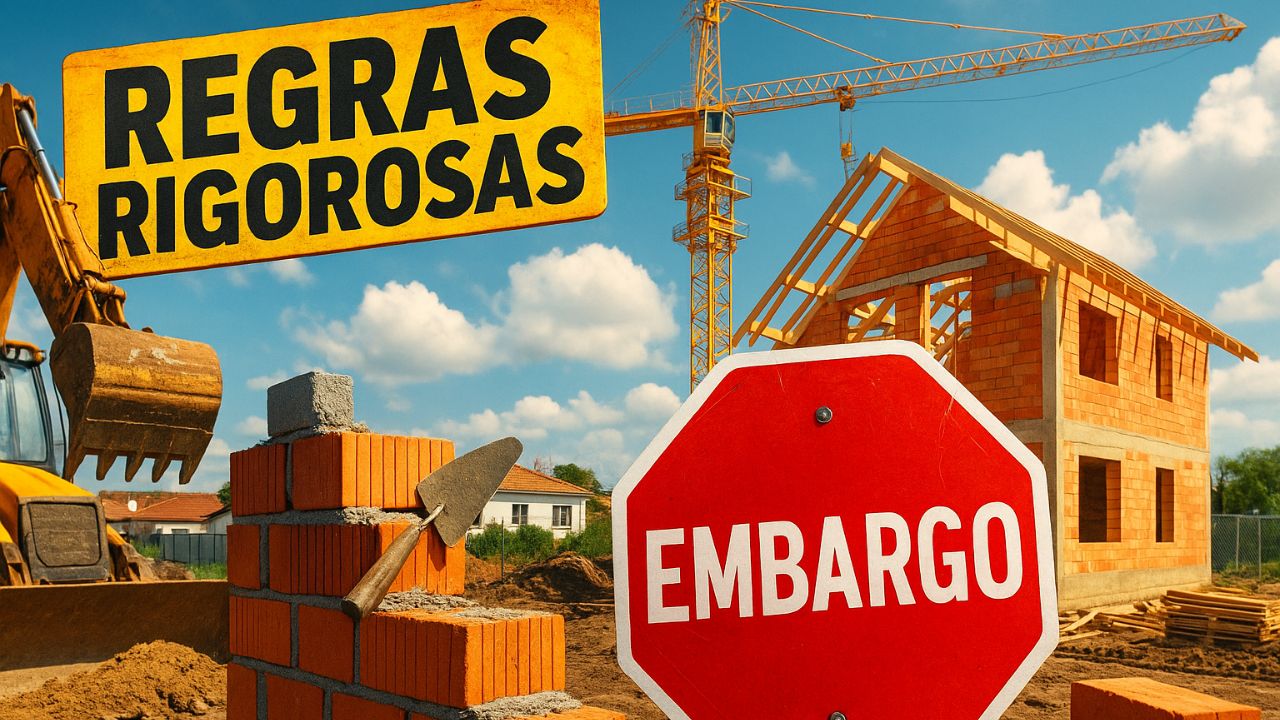
Understand The Prohibited Rules In Brazil Regarding Walls And Sidewalks To Legally Build On The Lot, Avoid Work Embargoes And Conflicts With Neighbors.
Many people believe that, because they own a lot, they have total freedom, but there are several prohibited rules in Brazil that limit interventions. Legislation aims to organize the space and protect the environment, and ignoring this can halt your construction, generate heavy fines, and cause serious disagreements with the neighbor. To ensure that your property does not lose value when building, it is essential to understand what cannot be done on your lot.
Although oversight is not always effective in all cities, allowing neighbors to commit visible infractions, this does not make the practice legal or safe.
To ensure that your property does not lose value and is free from legal issues, it is essential to understand what cannot be done. Below, we detail seven crucial points that constitute common infractions that every property owner should avoid when building.
-
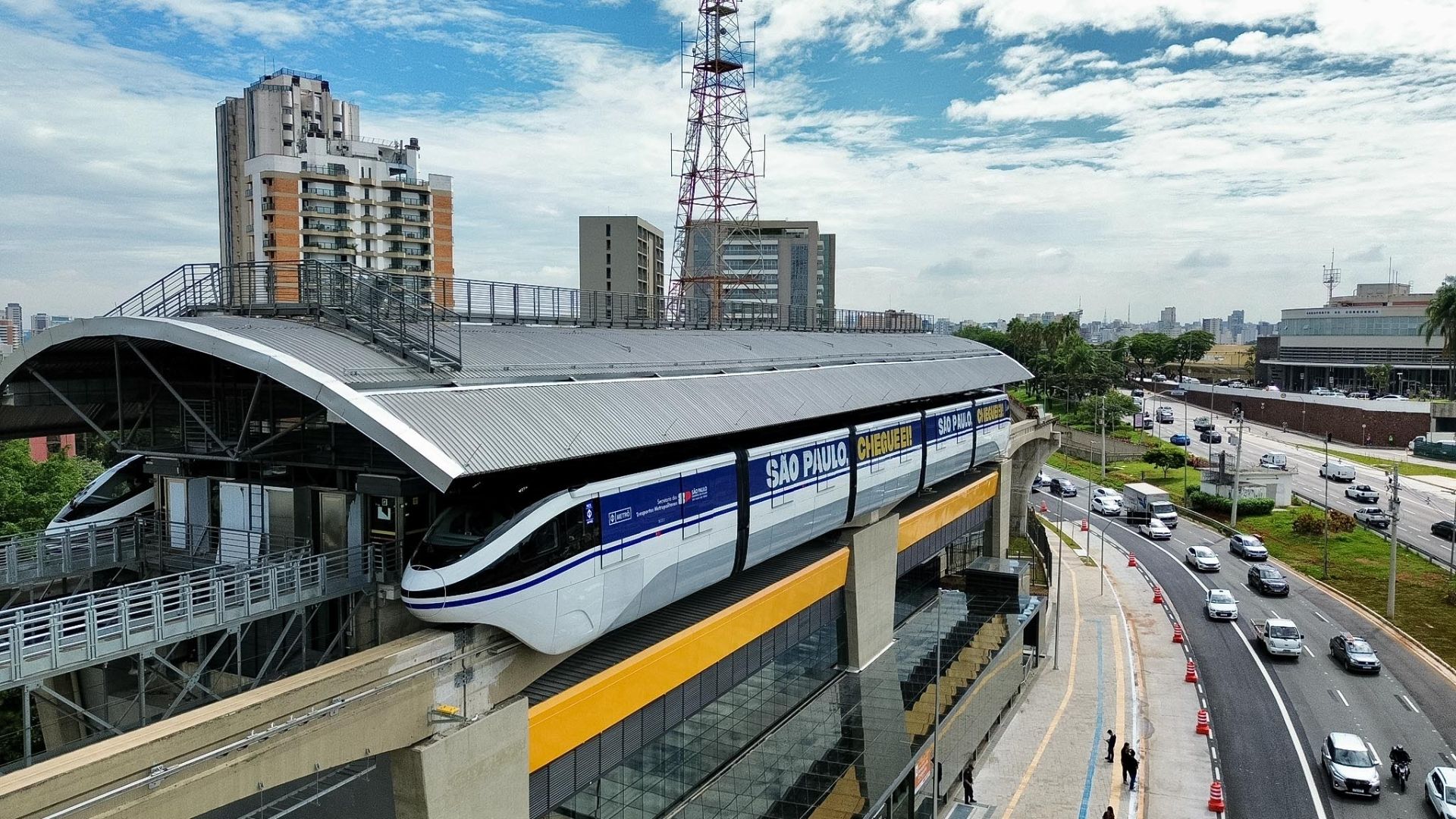
The project that was supposed to be ready for the 2014 World Cup in Brazil debuted with a 12-year delay and nearly R$ 6 billion invested: the Line 17-Gold of the São Paulo monorail opened with reduced hours and is only expected to operate fully in October.

-
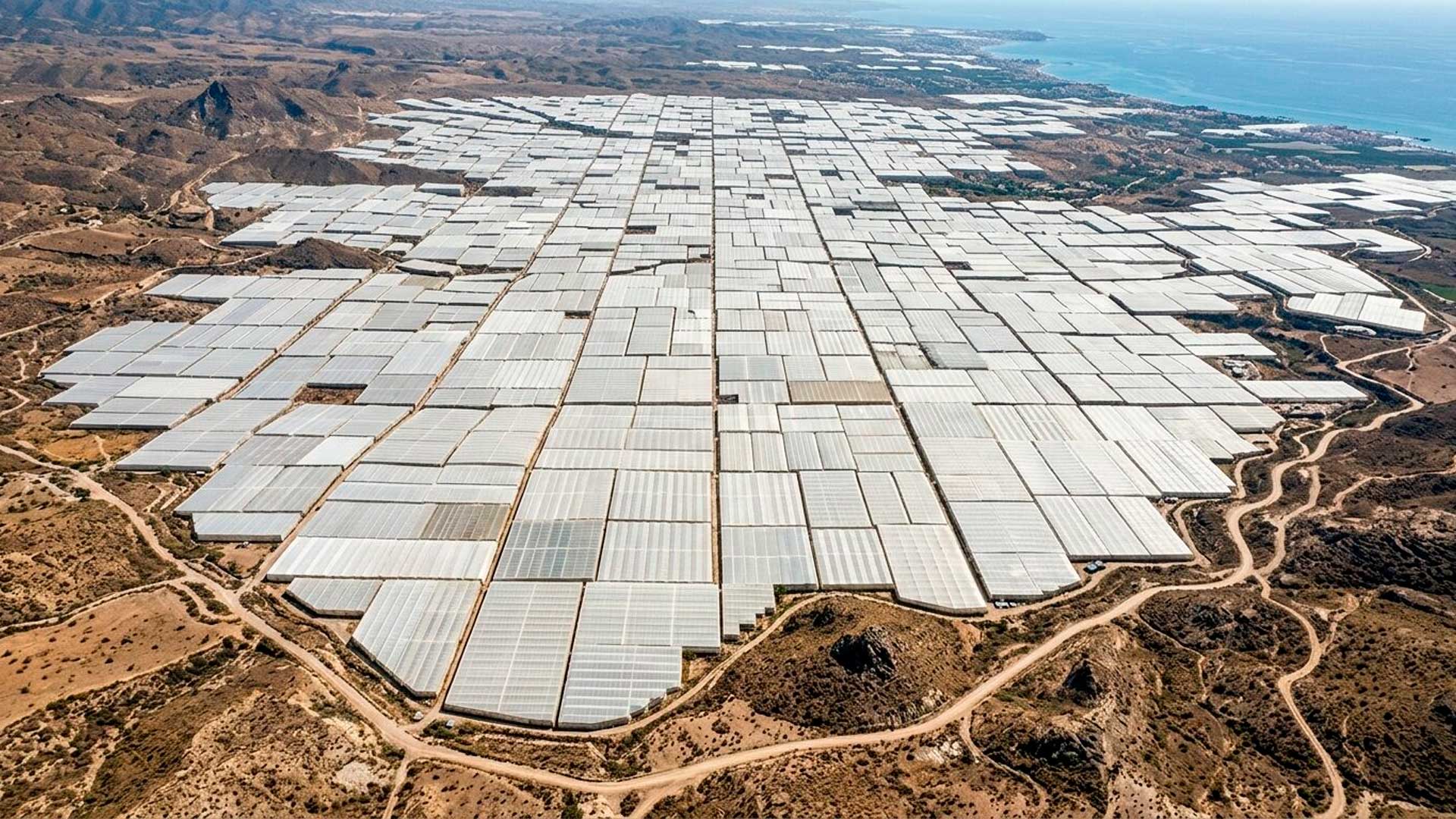
Neither the Pyramids nor the Great Wall of China, this gigantic construction in Spain is the human mark on planet Earth that intrigues the most when seen in images from space.
-
Surrounded by cliffs, mist, and chilling stories, the ancient Hotel del Salto has been reborn as a museum while still unable to shake off its reputation as a haunted place.

-
This star-shaped fortified construction, hidden near the border of Spain, may be the largest fortress on the planet.


Drilling Artesian Wells Without A License
A very common mistake is thinking that you can drill a well anywhere on the lot without informing anyone.
Groundwater is a public and finite resource, and its extraction requires bureaucratic approval processes with state environmental agencies.
It is estimated that about 88% of artesian wells in the country are irregular, which poses risks of groundwater contamination and resource depletion. To have a legalized well, it is necessary to present hydrogeological studies and obtain a usage grant, ensuring that there is no negative impact on the neighborhood or the aquifer.
Irregular Changes To The Sidewalk

The sidewalk is not a private extension of your house; it belongs to the city. You cannot apply slippery materials, such as polished tiles or granites, because if someone gets hurt, you are responsible. Additionally, it is prohibited to create steps, excessive ramps, or obstacles that impede free circulation.
The technical standard divides the sidewalk into three bands: the service area (for poles and trash cans), the free circulation area (usually 1.20m), and the access area to the property. Respecting this division is one of the prohibited rules in Brazil most commonly ignored, but it can lead to immediate fines in cities with strict oversight.
Covering The Front Setback Area
Most construction codes require a front setback, usually 5 meters, where construction is not allowed.
Many property owners try to “gain space” by building covered garages or fixed roofs in this area, which is illegal.
Although some cities allow minor encroachments or the use of pergolas (which do not count as built area in some municipalities), enclosing this space with tiles or slabs violates land use regulations and alters the approved project.
Cementing 100% Of The Lot


Total soil waterproofing is a harmful practice that exacerbates urban heat and contributes to flooding. Municipalities require a permeability rate, meaning a percentage of the lot must remain with natural soil or grass to absorb rainwater.
Covering everything with pavement or cement prevents project approval and can devalue the property, as it reduces the thermal comfort of the residence and eliminates the possibility of landscaping, which is a factor in real estate appreciation.
Blocking The Right Of Way
The right of way or forced passage is a right guaranteed by law for landlocked lots or those that require access to infrastructure networks, such as water and sewage.
If the neighbor’s lot needs to run a pipeline through your lot to access the public network, you cannot block it or build over that right of way.
Blocking this access or building over it can result in lawsuits and the obligation to undo the construction, in addition to generating compensation.
Using The Neighbor’s Wall As A Structure

It is not allowed to use the wall already built by the neighbor to support your roof or make it the wall of your house.
The dividing wall belongs to whoever built it (or both, if there is an agreement), but structurally, you must make your own foundation and pillars within your limits, close to the existing wall, but independent from it.
Loading weight onto someone else’s structure can cause cracks, leaks, and damage for which you will have to pay, constituting an invasion and misuse of another’s property.
Cutting Trees Without Authorization
Trees within your lot are considered environmental assets and cannot be removed at will. To cut down a tree, it is mandatory to request a technical inspection from the municipal environmental agency, which will assess the health of the plant and the necessity of the cut. Generally, the authorization comes conditioned to the planting of new seedlings as environmental compensation. Illegal cutting is an environmental crime and one of the prohibited rules in Brazil that generates the heaviest fines and complicated administrative processes.
And in your city, which of these infractions do you see happening at every corner with no oversight?








Seja o primeiro a reagir!