





 Portuguese
  English
  Spanish
  8 min of reading
  0 comments


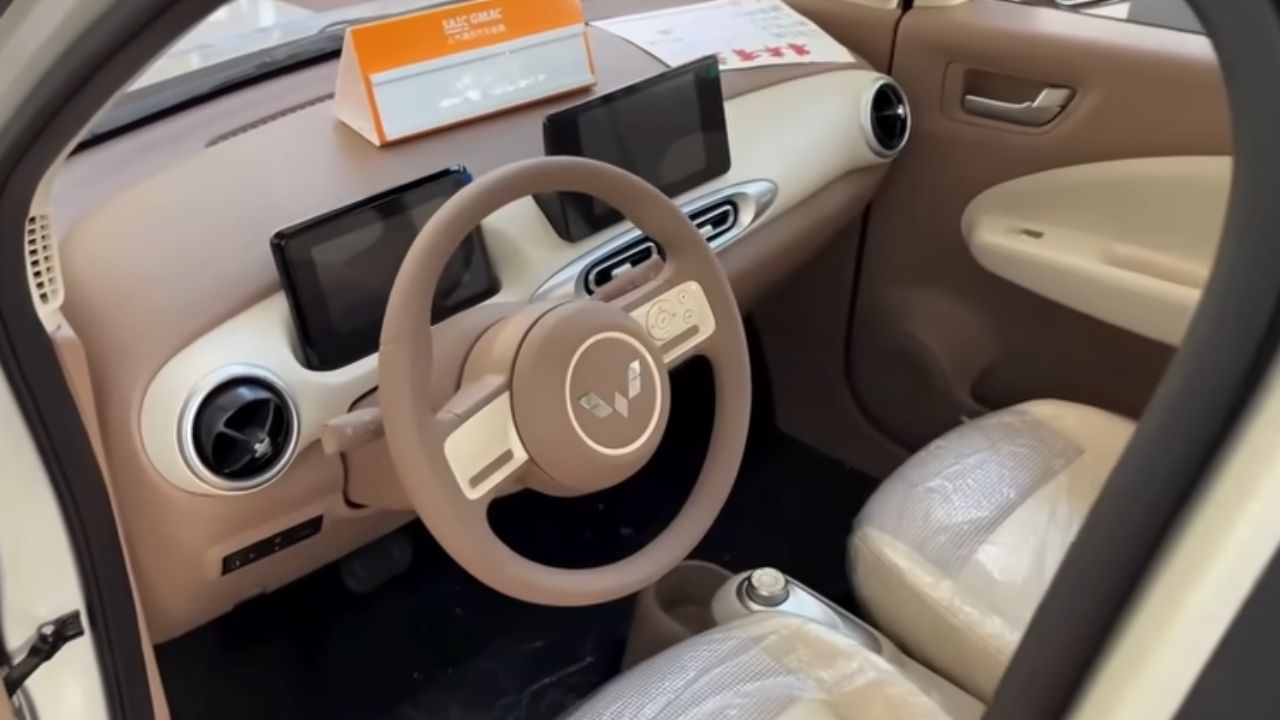
The Electric Car That Costs A Little More Than An iPhone, The Chinese Mini EV, Is Already Regarded As The Cheapest Electric Car In The World And Raises An Uncomfortable Question For The Industry: Why Is Urban Mobility Still So Expensive In Much Of The Planet?
In a market where new cars often mean luxury, the emergence of an electric car that costs a little more than an iPhone seems unattainable, but it’s not. Priced between R$ 25,000 and R$ 30,000, the Mini EV shows that it is possible to have a cheap, functional electric car aimed at the city, breaking the logic that electric vehicles are only for the rich, corporate fleets, or early adopters.
At the same time, this electric car that costs a little more than an iPhone is not just an interesting product: it has become a global case study. The Mini EV has sold more than the Tesla Model 3 during several periods in China, is manufactured on a large scale, targets ultra-short urban mobility, and proves that there is suppressed demand for simple, compact, and affordable solutions.
How The Electric Car That Costs A Little More Than An iPhone Was Born
The idea behind this electric car that costs a little more than an iPhone is straightforward: to serve those who need a basic urban vehicle, without luxury, but with the essentials for daily life. Instead of betting on giant SUVs, cinema-sized screens on the dashboard, and exaggerated power, the Mini EV is born with a different priority: to be affordable for those who currently buy a premium smartphone, not a R$ 150,000 car.
-
The German economist Wolf-Peter Schill has no doubts: “Electric cars are already far superior to cars with internal combustion engines.”

-
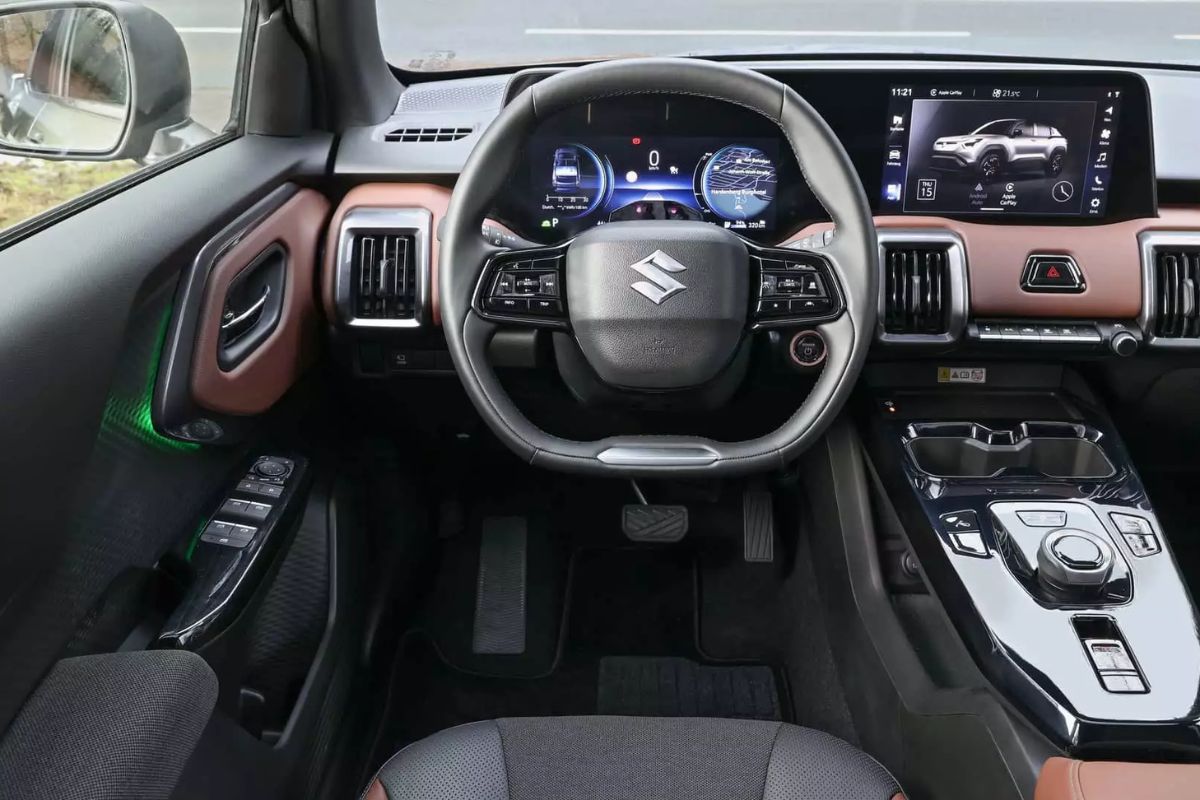
The 2026 electric Vitara arrives in Brazil and proves that Suzuki is not leaving: 4×4 traction, 184 hp, 61 kWh LFP battery, 293 km range, R$ 259,000, and a trunk capacity of 224 L.
-
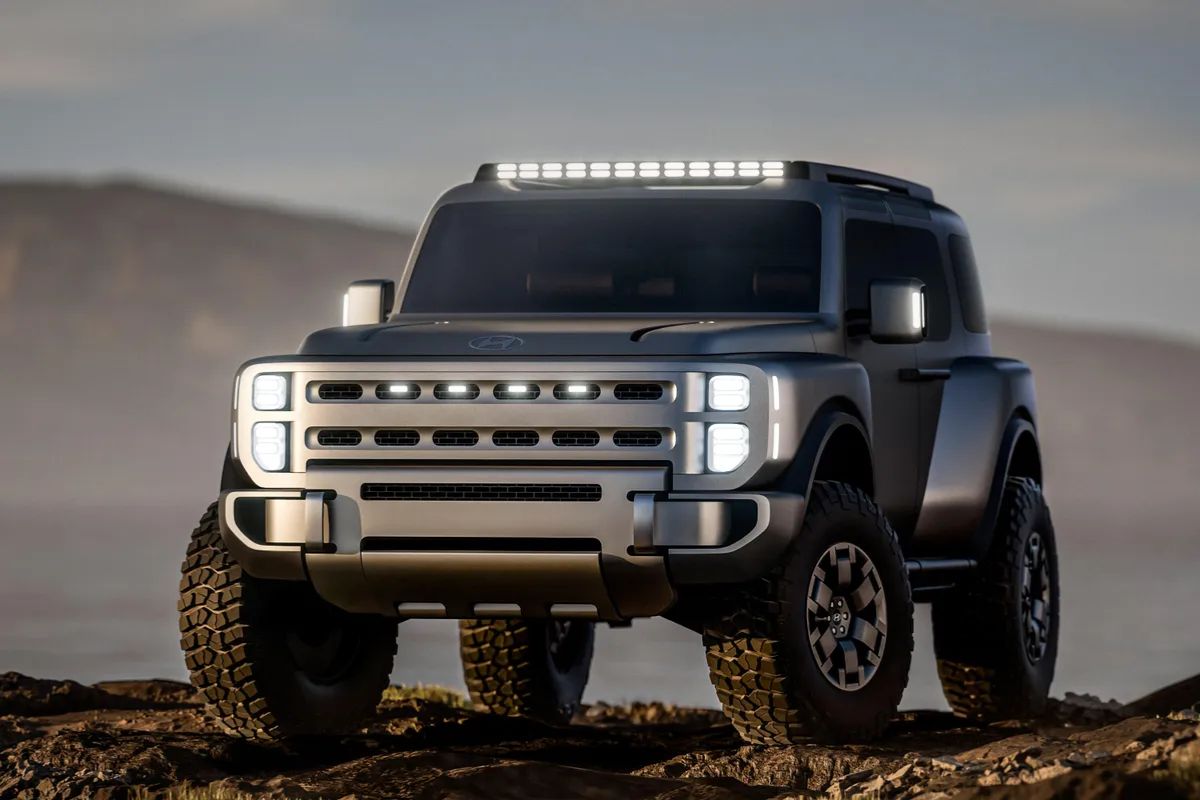
Hyundai has unveiled the Boulder, a square SUV with a body-on-frame design, 37-inch mud tires, and carriage-style doors that seems to be made to take on the Ford Bronco and the Scout Traveller in the United States.
-
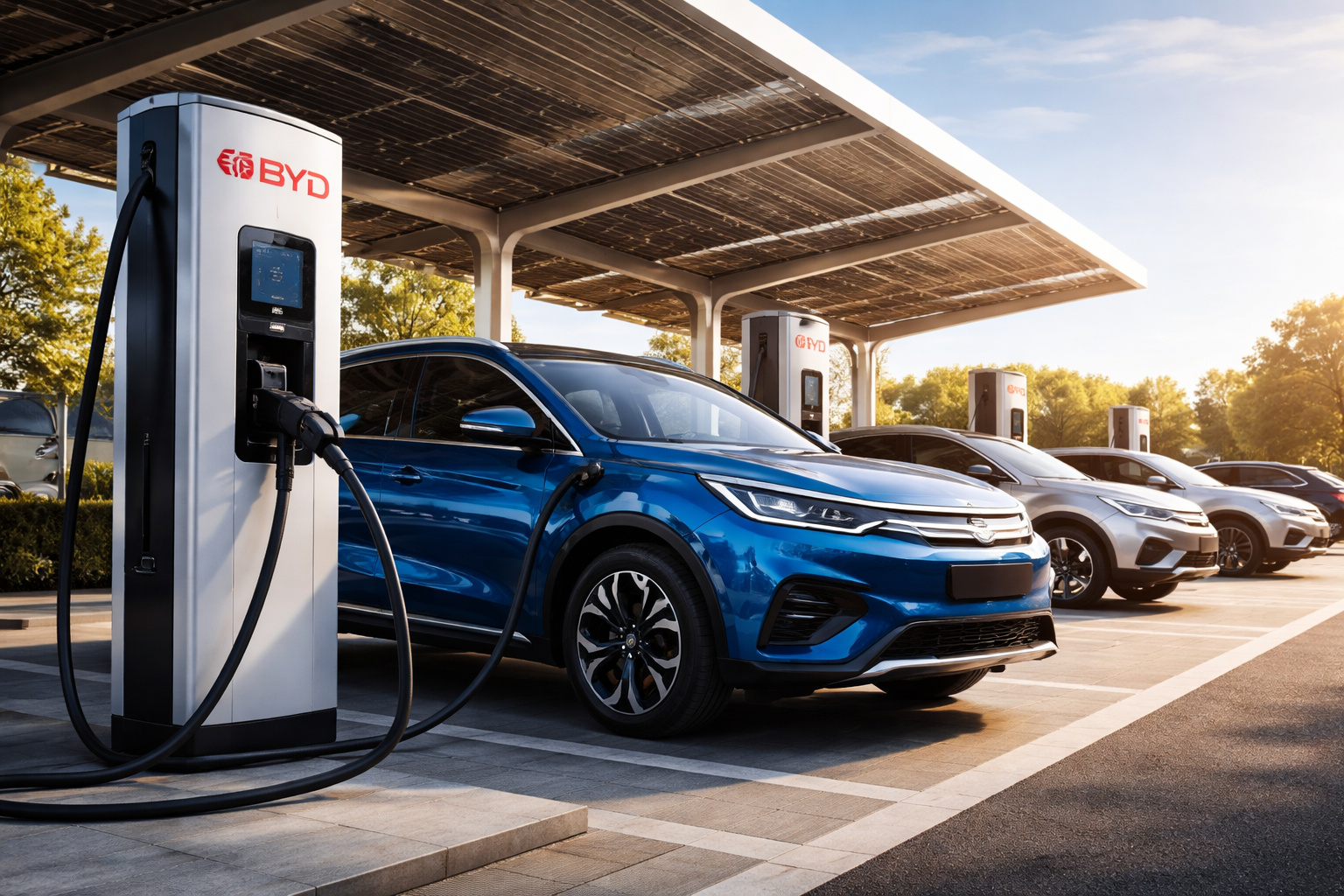
Largest public charging network in Brazil: BYD reaches 125 fast chargers and accelerates national expansion of electric mobility.

The Mini EV is the result of a partnership between Wuling, General Motors, and a major Chinese industry player, combining industrial scale, expertise in electric technology, and a production chain optimized for low cost. The result is a car that, in its simplest configuration, costs less than 6 thousand dollars, or about R$ 25,000 to R$ 30,000, a price that places it on display as the cheapest electric car in the world today.
In terms of its proposition, it does not attempt to compete with mid-sized sedans, luxury SUVs, or high-performance models. The focus is entirely on urban mobility: short-distance trips, daily use in dense centers, ease of parking, and enough range for a typical urban routine.
Mini EV: The Cheapest Electric Car In The World That Has Become A Pop Icon
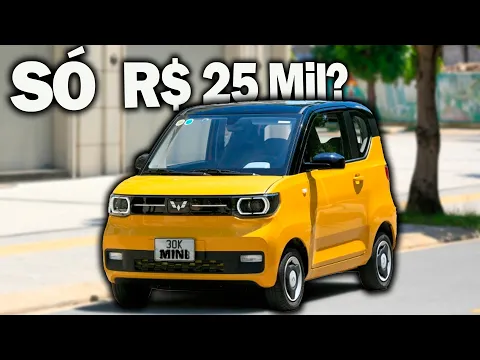

The full name is Wuling Hongguang Mini EV, but the world has shortened it to Mini EV. Despite its tiny size, the impact has been enormous. It has become the cheapest electric car in the world and, at the same time, a style icon among young Chinese people.
The Mini EV offers versions for two or four people, a simple electric motor, typical range of 120 to 170 km in urban use, and recharging from a regular 220 V outlet.
No superchargers, no complex infrastructure. The proposal is simple: arrive home, plug the car into the outlet, and the next day it’s ready for another cycle of short trips.
What is surprising is how this cheap electric car has taken on a life of its own in pop culture. It is customized with stickers, flashy paints, neon lights, and even kits that simulate Lamborghini-style doors.
The Mini EV has become a means of personal expression. At urban mobility meets in China, it’s common to see “mini EVs” competing for the most creative design.
For a product designed as an essential urban mobility solution, this transformation into a desirable item shows the extent of its appeal. Instead of being just “the cheapest electric car in the world”, it has become a symbol of a new way of moving around cities.
How Is It Possible To Have A Cheap Electric Car Like This?
The inevitable question is: how can an electric car that costs a little more than an iPhone be viable? The answer lies in the combination of three factors: extreme simplicity, industrial scale, and complete focus on cost.
First, the Mini EV delivers only what is essential. The seats are simple, the finishes are functional, the dashboard is digital but basic, and many features considered “convenience” in other cars are replaced by cheap solutions.
Instead of a sophisticated multimedia center, there is support for smartphones. Air conditioning exists, but without technological luxuries.
Second, the Chinese production chain allows this cheap electric car to be built on a large scale, with more competitive labor and tax incentives focused on electrification.
The Chinese government has been subsidizing electric vehicles for years, which helps to reduce the final price and stimulate mass adoption.
Third, the Mini EV is extremely lightweight and compact. This reduces the amount of materials used and allows for smaller batteries, which are indeed the most expensive part of any electric car.
Less weight, less battery, less cost. The result is an electric car that costs a little more than an iPhone, without failing to meet the basic promise of safely transporting people in an urban environment.
Urban Mobility In Practice: Where The Mini EV Excels

The Mini EV was not designed to cross the country at high speed. Its natural habitat is urban mobility: tight streets, scarce parking, short travels, and heavy traffic. In dense cities, a small, affordable electric car that is easy to park brings obvious advantages.
For those who live and work in the same area of the city, a range of 120 to 170 km is more than enough.
Recharging from a regular outlet solves the problem for those without access to fast charging networks. And the cost of energy is much lower than gasoline, which reinforces its economic appeal.
In the context of urban mobility, this electric car that costs a little more than an iPhone also offers another benefit: silence and zero local emissions of pollutants.
In centers with increasingly polluted air and constant congestion, every cheap electric car that replaces a combustion vehicle helps to reduce noise and pollutant gases.
This is why the Mini EV is often cited as a living laboratory of what a city can look like with more compact electric vehicles, designed not for ostentation, but to solve everyday commuting in a simple way.
The Threat To Large Automakers And The Tesla Effect
When it comes to electric cars, many people automatically think of Tesla. However, in specific sales volumes during certain periods in China, the Mini EV has already surpassed the Model 3.
And this sends a clear message to the industry: there is a huge market of people who don’t want luxury, they just want a cheap electric car that works.
Traditional automakers like Volkswagen, Fiat, Renault, Toyota, and others have accelerated their compact electric projects, trying to occupy this space before it is dominated by ultra-cheap solutions from China.
Citroën, for example, launched the AMI, a micro urban electric car. But in markets like Brazil, it still costs over R$ 100,000, something far from the proposal of an electric car that costs a little more than an iPhone.
The Mini EV, with its crushing price, forces the entire industry to rethink costs, platforms, and even the profit logic per unit.
If it’s possible to make the cheapest electric car in the world with an essential and well-defined package, why do so many models still cost double or triple? This is the question that bothers automaker boards.
Would An Electric Car That Costs A Little More Than An iPhone Work In Brazil?
From an urban mobility perspective, the Mini EV would be perfect for cities like São Paulo, Curitiba, Salvador, Belo Horizonte, or Recife. Short distances, heavy traffic, tight parking, and rising fuel costs create the perfect scenario for a cheap electric car.
The problem is that the current Mini EV model was not designed for Brazilian standards. It still does not meet all local safety requirements, such as front airbags and stability control, and does not have Inmetro certification to operate as a passenger vehicle here. This means that the cheapest electric car in the world still faces regulatory barriers.
Some import companies are already studying adapted versions, with reinforcements and additional safety systems, to try to make something similar viable in the national market.
If that happens at a competitive price, an electric car that costs a little more than an iPhone could see explosive adoption and put strong pressure on the entry-level segment, where a basic combustion car currently easily exceeds R$ 80,000.
What The Mini EV Reveals About The Future Of Urban Mobility
In the end, the Mini EV is less about itself and more about what it reveals. It proves that the future does not have to consist only of giant, expensive cars filled with screens.
It shows that there is space for a new generation of small, affordable electric vehicles deeply connected to real urban mobility, instead of the idea of status.
An affordable electric car like this, able to be compared in price to a high-end smartphone, exposes a shift in mindset: perhaps it doesn’t make sense to pay fortunes for a vehicle that stays parked most of the time and drives, on average, only a few kilometers a day.
The electric car that costs a little more than an iPhone opens the door to a broader discussion about consumption, cities, public transport, bike lanes, micromobility, and urban planning.
If such a cheap solution already exists and works on a large scale in another country, the issue becomes less technological and more political, regulatory, and business model-oriented.
And those who are attentive to this transformation see that the Mini EV may just be the first of many. As new generations of compact electric cars emerge, with more safety, better finishes, and still low prices, the pressure on the current mobility model is likely to increase.
If the cheapest electric car in the world is already a reality, the lingering question is simple: what is needed for our cities and our laws to allow this more accessible urban mobility to truly happen?
For you, would it make sense to trade a high-end smartphone for a cheap electric car like the Mini EV? Comment if you would have an electric car that costs a little more than an iPhone for daily city life.







-

-

2 pessoas reagiram a isso.