





 Portuguese
  English
  Spanish
  5 min of reading
  0 comments


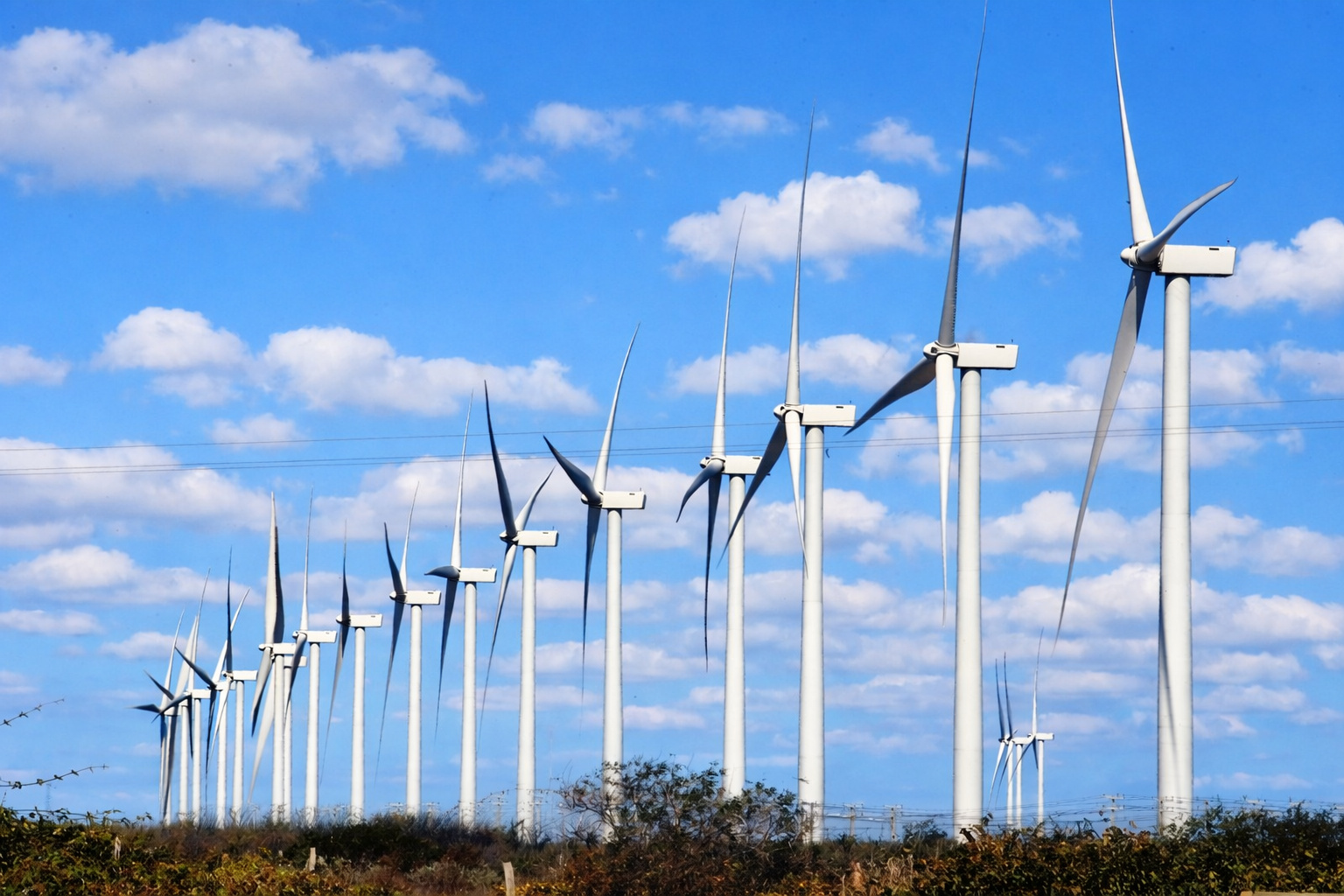
Understand How Energy Waste Intensified in 2025, Why the Electric System Failed to Absorb Renewable Generation, and What Historical Challenges Explain This Scenario.
The waste of energy has accompanied the history of the Brazilian electricity sector for decades. However, in 2025, this phenomenon took on new forms and became more visible. In a country that prides itself on having one of the cleanest energy matrices in the world, the cut of about 20% of the potential generation of wind and solar energy throughout the year draws attention. In addition, this scenario raises relevant questions. After all, how to explain energy waste precisely at a time of strong expansion of renewable sources and constant increases in electricity demand?
To understand this scenario, it is essential to analyze the functioning of the electric system as a whole. Throughout the 20th century, Brazil structured its energy model based on large hydroelectric plants. This arrangement ensured relatively cheap, renewable energy with a high level of operational control. Thus, the operator decided when and how much to generate, according to consumption needs. Over time, this model proved effective. However, it also revealed limitations in the face of new sources.
The rise of wind and solar energy over the last two decades profoundly altered this logic. From the 2000s onwards, the country rapidly expanded the installed capacity of these sources, propelled by public policies, auctions, and incentives for energy transition. As a result, Brazil diversified its energy matrix and reduced dependence on fossil sources. At the same time, however, the system began to require more flexibility, something that has yet to be fully consolidated.
-
The Brazilian state accelerates industrial competitiveness with a focus on the extraction of strategic minerals to boost the energy transition in Goiás.
-
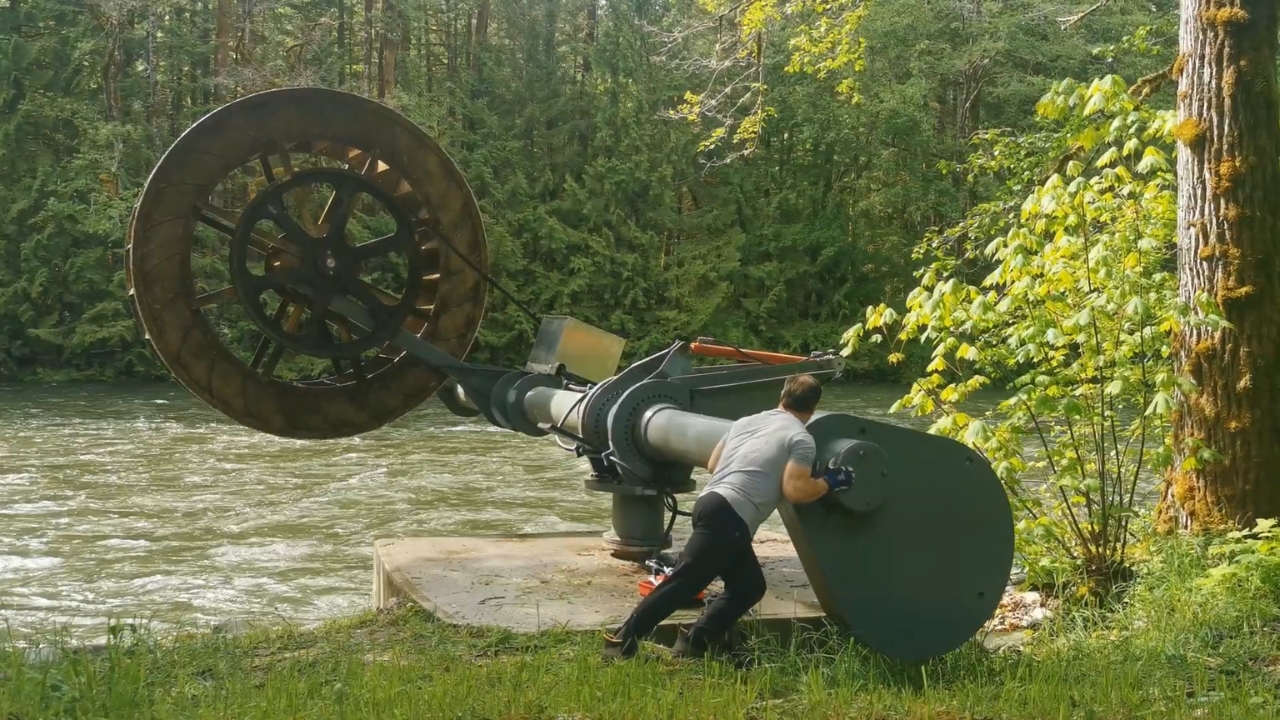
A Canadian retiree creates a hydroelectric system on a real river, generating energy continuously throughout the day and demonstrating how the power of water can supply a house with stability even in a simple structure.
-
Petrobras reaffirms its commitment to the market and ensures that it will carry out the energy transition safely to maintain national sovereignty.

-
Researchers discover a possible hydrogen deposit of up to 46 million tons beneath an ancient coal basin, and the volume could exceed half of the entire global production.


Solar and wind generation directly depends on natural conditions. Therefore, the sun and wind do not follow the consumption curve of the population or the pace of economic activity. At many times, especially during the day and in periods of strong winds, the supply of renewable energy exceeds the demand of the system. In this context, when the system cannot store or channel this electricity, the National Electric System Operator needs to act. Thus, energy waste becomes inevitable.
The Advancement of Renewables and the Bottlenecks of the Electric System
In 2025, this problem reached an unprecedented level. Studies based on official data indicated 16 critical events throughout the year, while the previous year recorded only one similar episode. In practice, these events represented days on which more than 80% of the energy that wind and solar plants could generate was discarded. Thus, the high volume of cuts exposed structural weaknesses already known in the sector.
Moreover, energy waste caused significant financial impacts. The ventures accumulated billion-dollar losses, directly affecting the cash flow of companies and increasing investor caution. At the same time, regulatory insecurity grew, as many contracts did not anticipate such severe cuts. Hence, the debate over adjustments to the model gained momentum.
This increase in energy waste did not happen by chance. The country rapidly expanded the installed capacity of renewable sources, especially in the Northeast. However, infrastructure investments did not keep pace with this growth. As a result, insufficient transmission lines and operational limitations created persistent bottlenecks, which became more evident between August and October.
Throughout its history, Brazil has faced other types of energy waste, such as during drought periods. The difference now lies in the context. Even with an abundance of sun and wind, a significant portion of clean energy fails to reach the end consumer. Therefore, energy waste occurs due to system limitations, not due to resource scarcity.
Critical Sundays and the Disconnection Between Supply and Demand
In this scenario, Sunday has become one of the most critical moments. On one hand, energy consumption drops sharply with closed businesses and slowed industry. On the other, solar generation reaches its peak, while the winds remain strong. Thus, the disconnection between supply and demand turns Sunday into a weekly stress test, amplifying the waste of renewable energy.
Additionally, the operation of the system requires safety margins. In 16 days of 2025, the system operated dangerously close to the lower safety limit. In response, the operator reduced wind and solar generation to avoid greater risks. Thus, system stability took precedence over full generation, even with financial losses.
The thermal plants also play a significant role. At some moments, thermal dispatch dropped to historically low levels, helping to avoid more critical scenarios. At other times, such as in October 2025, high thermal usage coincided with severe cuts in renewables, highlighting the complexity of operating the Brazilian electric system.
Economic and Environmental Impacts of Energy Waste
From an economic standpoint, energy waste generates lasting effects. Generators enter into forward contracts, and when generation is interrupted, they must purchase energy in the free market, often at high prices. As a result, costs increase, tariffs come under pressure, and disputes escalate.
From an environmental perspective, the scenario is also concerning. Each megawatt-hour wasted represents a lost opportunity to reduce emissions. In a global context of energy transition, the waste of clean energy undermines climate commitments and jeopardizes environmental progress.
Despite this, the issue does not represent a failure of renewable energies. On the contrary, it demonstrates the success of expanding these sources and the need to adapt the system. In other words, the challenge lies in energy integration, not in its generation.
Planning, Storage, and the Paths to Reduce Losses
To reduce energy waste, the sector needs to invest in transmission lines, modernize operations, and better integrate regions. Additionally, storage technologies are gaining prominence, such as large-scale batteries, pumped-storage hydropower, and solutions involving green hydrogen. Thus, excess energy can be used during peak consumption times.
At the same time, long-term planning becomes essential. The experience of 2025 shows that expanding generation without aligning infrastructure and operations creates imbalances. Therefore, the country needs to adopt a more integrated vision of the electric sector.
In this context, the energy waste observed in 2025 should serve as a lesson. It reveals the limits of the current model and reinforces the urgency for structural adjustments to ensure an efficient, secure, and sustainable energy transition.
Ultimately, energy waste reflects historical choices and investment priorities. With proper planning, consistent investments, and integrated solutions, Brazil can reduce losses and fully leverage clean energy, strengthening energy security and advancing the environmental agenda.







-

-

2 pessoas reagiram a isso.