





 Portuguese
  English
  Spanish
  4 min of reading
  6 comments


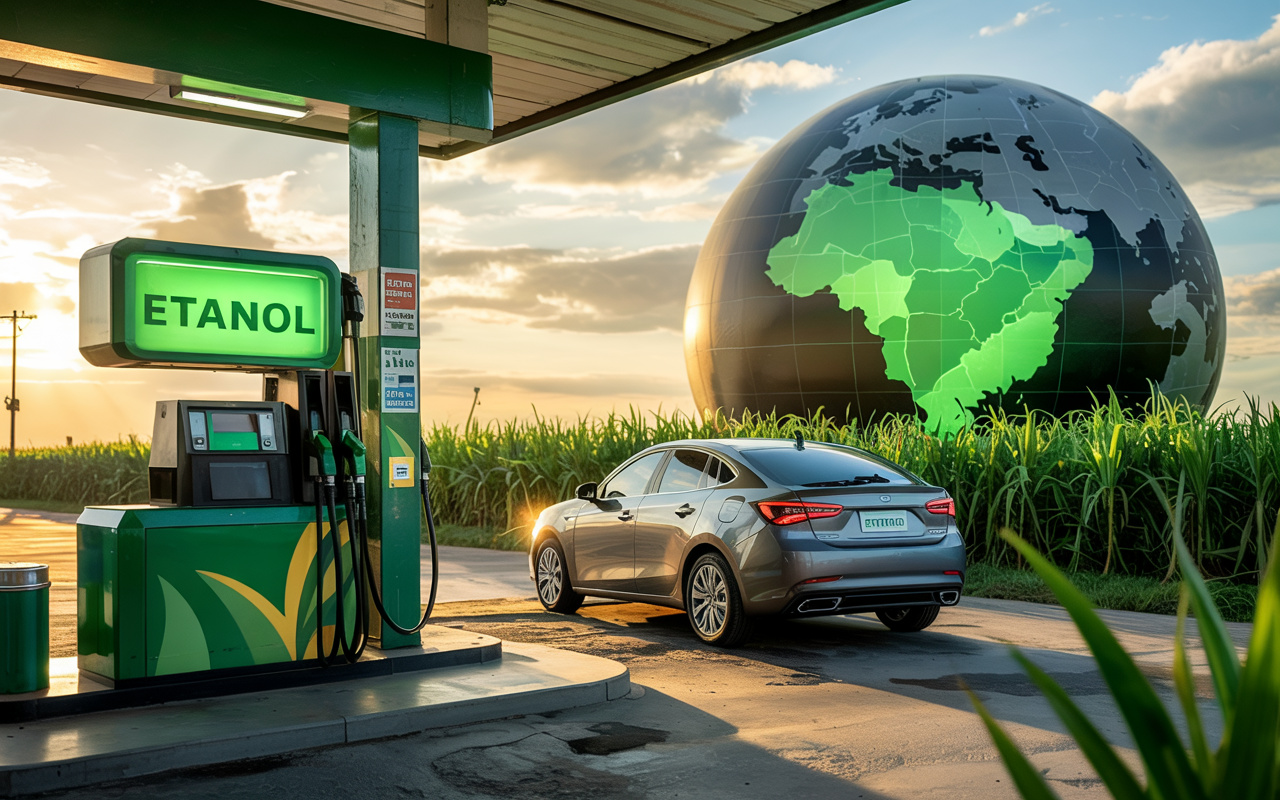


Ethanol: Fuel That Made Brazil a World Reference in Biofuels, Dominated the Flex Fleet and Reduced Dependency on Oil, but Did Not Conquer the World.
The ethanol as an automotive fuel did not arise by chance in Brazil. It emerged from a strategic need in the 1970s, when the world faced oil shocks and prices skyrocketed. Dependent on importing derivatives, the country sought alternatives to reduce economic vulnerability and strengthen domestic energy production.
That’s how, in 1975, the National Alcohol Program (Proálcool) was born, encouraging the partial replacement of gasoline with ethanol produced from sugarcane. At that time, the first cars powered exclusively by alcohol emerged in a bold experiment that would forever change Brazil’s relationship with fuels.
Alcohol Cars and the Birth of the Biofuel Culture
In the 1980s, millions of Brazilians were driving cars powered only by alcohol. The fuel, abundant and cheap, came to represent over 90% of automobile sales during certain periods. Ethanol was seen as the great answer to dependency on oil.
-
According to an analysis by NASA, only one human-made structure is visible from space, and it is not the Great Wall of China or the Pyramids of Egypt.

-
After 377 years of history, the Brazilian Army will have its first female general: Colonel Claudia Cacho has been promoted to brigadier general by Lula and will receive the sword and command baton this Wednesday in Brasília.

-
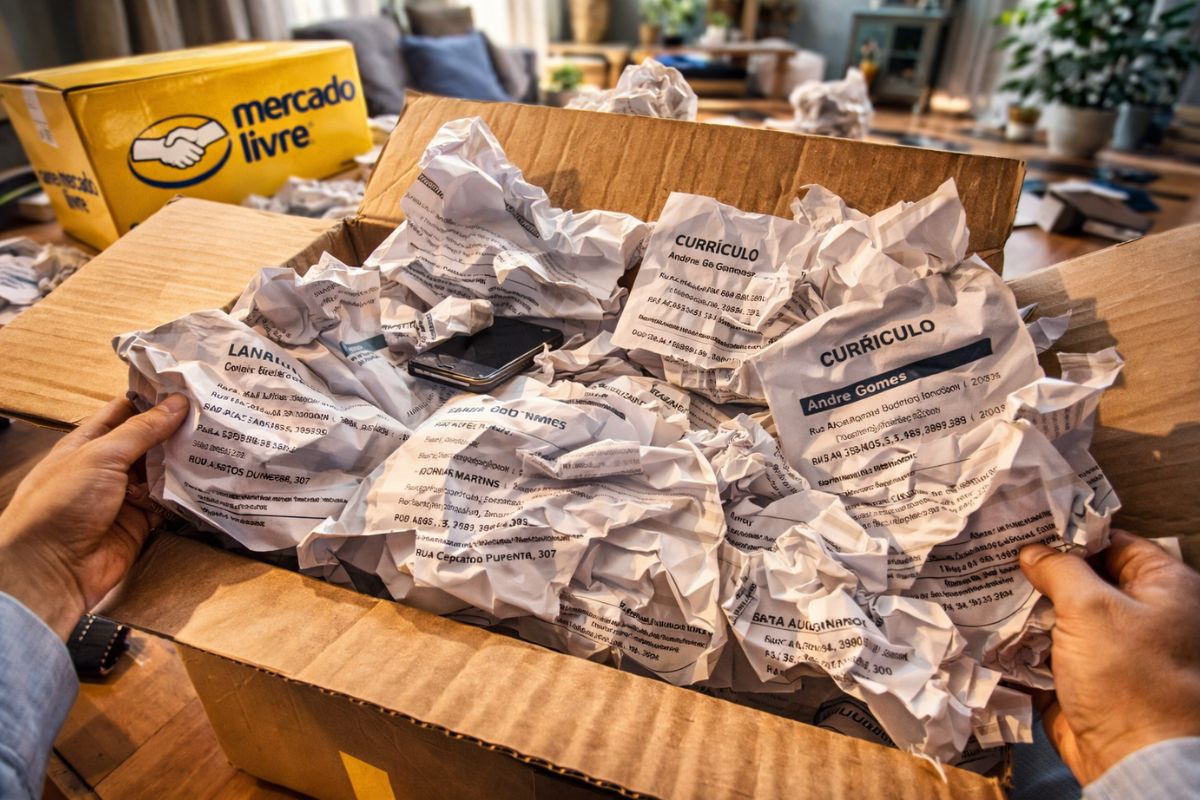
A Mercado Livre customer opened their package and found 32 resumes of people looking for jobs crumpled as protective paper inside the box, exposing names, addresses, documents, and phone numbers of dozens of candidates.
-
Iceberg A23a, one of the largest in the world, is undergoing accelerated collapse and may disappear: what explains the end of the ice giant?


But price fluctuations, distribution difficulties in some regions, and decreased competitiveness against gasoline led consumers to doubt the solution.

During the 1990s, the fleet of alcohol cars entered a decline. It seemed like the end of a cycle.
It was at this moment that the true revolution emerged: the flex fuel technology, capable of running on both gasoline and ethanol in any proportion.
The Flex Car and the Consolidation of Ethanol in Brazil
In 2003, Volkswagen launched the Gol 1.6 Total Flex, the first mass-produced Brazilian car with the technology. The success was immediate.
The driver could choose the most advantageous fuel at each fill-up, without the risk of being tied to price fluctuations.
Today, the flex car dominates over 80% of the national fleet, consolidating ethanol as one of the pillars of the Brazilian automotive sector.
This innovation not only reduced the dependence on gasoline but also boosted the sugarcane production chain, which generates millions of direct and indirect jobs in the country.
The Role of Sugarcane Ethanol in the Energy Matrix
The strength of ethanol in Brazil is due to the competitiveness of sugarcane. Unlike corn used in the United States, sugarcane is more efficient in energy conversion and ensures a lower cost per liter of ethanol.
Moreover, the fuel has a positive environmental impact, with lower carbon dioxide emissions compared to gasoline. This characteristic has made Brazil an international reference in sustainable biofuels.
Ethanol in the United States: Giant in Production, Discreet in Consumption
The United States is currently the world’s largest producer of ethanol, surpassing Brazil. However, the American model is different.
There, the fuel is primarily obtained from corn and has not captured the automotive fleet in the same way.
The most common blend is E10, with 10% ethanol and 90% gasoline, used in practically all vehicles. There is also E85, with 85% ethanol, but adoption is limited because few stations offer the product.
Even with tax incentives, the flex car has not gained traction among American consumers. The result: the country produces huge volumes of ethanol, but direct use as a dominant fuel is restricted.
The Rest of the World and the Barriers to Ethanol
In Europe, ethanol appears in blends like E5 or E10, but has never established itself as the main fuel. The high production cost and lack of incentive policies limited its expansion.
In Asia, some countries like India are studying expanding the ethanol blend in gasoline (E20 by 2025), but the scale is still small compared to the global fleet.
No country has come close to the Brazilian experience of making ethanol a protagonist in mobility.
Logistical barriers, high costs, and lack of infrastructure explain why green fuel has never conquered the world.
Advantages and Challenges of the Brazilian Model
Brazil shows that it is possible to maintain a fleet mostly fueled by ethanol. Among the advantages are:
- Lower dependence on imported oil;
- Reduction in emissions of polluting gases;
- Stimulus to the agricultural chain of sugarcane;
- Flexibility for the consumer, who chooses the fuel according to price.
But there are challenges: the price of ethanol fluctuates according to the sugarcane harvest, competitiveness falls when gasoline receives subsidies, and investments in expanding the sector face regulatory uncertainties.
The Future of Ethanol in the Age of Electrification
With the rise of electric cars, questions arise about the role of ethanol in the coming decades. According to experts, the fuel will remain essential in emerging countries where recharging infrastructure is limited.
Furthermore, there is a growing bet on flex hybrids, which combine electricity with ethanol, creating a low-emission system that leverages the existing infrastructure in Brazil. This model could transform the country into a global reference for sustainable mobility during the energy transition period.
Ethanol is more than a fuel: it is a symbol of Brazilian ingenuity in the face of oil crises. It transformed the country’s energy matrix, became consolidated in millions of vehicles, and reduced external dependence on fossil fuels.
Even if it has not conquered the world, ethanol has shown that there are possible alternatives to oil and that Brazil can lead innovative energy solutions.
On the global stage, it remains a unique experience: a national fuel that dared to challenge giants but found its throne only in Brazil.







ETA NOS sempre dando o nosso geitinho brasileiro, mas este excelente, pena que nem sempre o mesmo tipo de apoio que este; e dado em outras áreas.
Em São Paulo compensa.
Eu só uso Etanol a muitos anos, é fazer a conta e aqui no Rio dá na mesma em termos $$, então prefiro o Etanol mais limpo, mais potente, e nacional