





 Portuguese
  English
  Spanish
  6 min of reading
  1 comment





Addis Ababa Goes From Potholed Streets to Skyscrapers and Massive Boulevards After an Aggressive Urban Investment That Attracts Global Billionaires, Concentrates Political Decisions, Drives Up the Cost of Living, and Exposes the Country to a Future as Promising as It Is Risky
Addis Ababa, the capital of Ethiopia and the political heart of Africa, is undergoing one of the most radical urban transformations on the planet. In just a few years, entire neighborhoods have been demolished, slums have disappeared from the map, and in their place have emerged shining skyscrapers, wide avenues, and parks built on former trash dumps. At the center of this turnaround is Prime Minister Abi Ahmed, a leader who combines a modernization discourse with a long-term power project that attracts global billionaires and reshapes the capital’s destiny while the past is still alive.
Behind the mirrored buildings, however, lies an accounting that doesn’t show up in digital blueprints. The plan that attracts global billionaires involves tens of billions of dollars in construction, mass evictions, relocation of entire communities, and a heavy social cost for the average citizen, who sees rents skyrocketing, services becoming expensive, and the city becoming as costly as hubs like Dubai. Between national pride and a sense of injustice, Addis Ababa becomes a laboratory for how large investments can create wealth, but also deepen inequality and concentration of power.
Addis Ababa: From Forgotten Capital to Showcase of Africa

Before Abi Ahmed came to power, Addis Ababa was a city divided between diplomatic status and urban neglect. On one side, it hosted the African Union, welcoming presidents, summits, and treaties that influenced the fate of more than a billion people. On the other, it coexisted with potholed streets, chaotic traffic, poor drainage, and slums scattered everywhere.
-
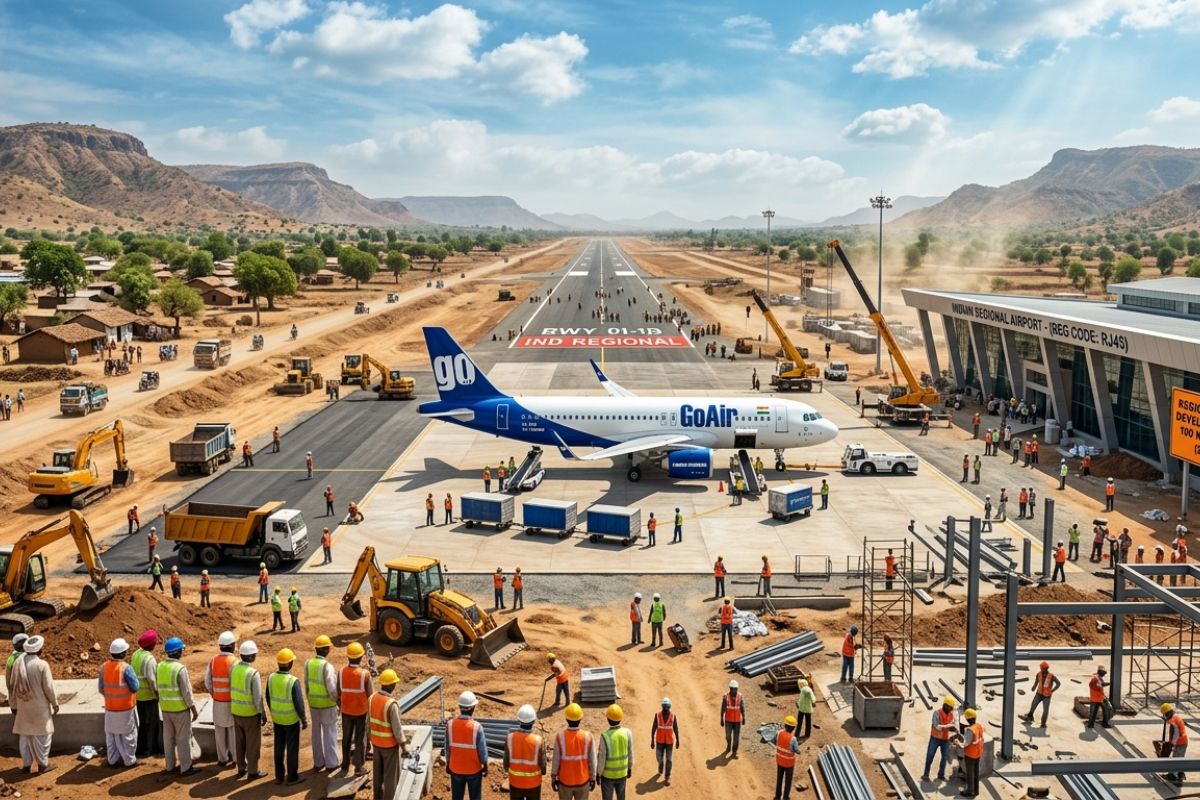
India announces a plan of $3.06 billion to bring aviation to forgotten regions: 100 new airports, $1.07 billion in subsidies, and regional routes guaranteed for 10 years, from 2026 to 2036, away from the centers.
-
Brazil blocked a proposal from the United States at the WTO that would make the exemption from tariffs on digital products like streaming and ebooks permanent, favoring American tech giants at the expense of developing countries.

-
IPTU exemption for seniors in 2026: see how to secure the benefit.

-
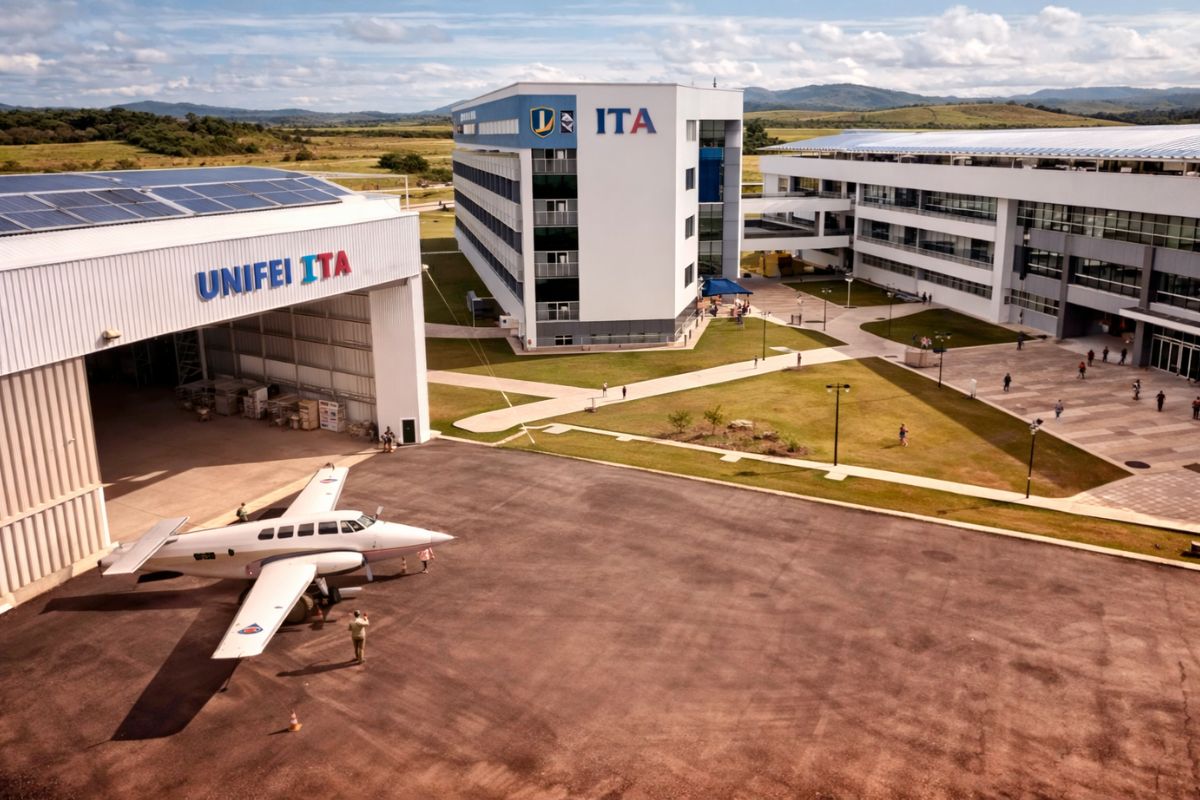
The institute that trained the greatest aerospace engineers in Brazil has just opened its first campus outside São Paulo after 75 years: ITA Ceará will have R$ 445 million, new courses in energy and systems, and classes are expected to start in 2027.

Even as the political capital of the continent, the city seemed frozen in time. Basic infrastructure did not keep pace with population growth, and the feeling was that Africa’s diplomatic heart was beating within an improvised urban structure, unable to sustain the economic and symbolic weight it carried.
The Urban Surgery That Demolished Entire Neighborhoods
In 2018, Abi took charge with an ambitious promise: to transform Addis Ababa into a global city without halting its functioning. It wasn’t about building a new capital elsewhere, but operating the existing city like a surgeon working on a beating heart.
In practice, this meant bulldozers demolishing entire neighborhoods, historic buildings coming down, and entire communities being evicted and relocated. For each demolished street, there were families to compensate, businesses to displace, and traffic to reorganize. The financial cost is estimated to be in the tens of billions of dollars, but the government does not release official figures.
The visible result is impressive: boulevards cut through the city like golden veins, rivers previously treated as dumps turn into parks with boardwalks and leisure areas, Ethiopia’s tallest building rises as a symbol of the new financial system, and cars, buses, and electric scooters begin to fill the streets with force, sometimes even more present than in European capitals.
Clean Energy as the Foundation of the New Power Project


Behind the aesthetic of a city of the future lies an energy infrastructure designed to sustain this ambition. Since 2011, Ethiopia has been building the Grand Ethiopian Renaissance Dam, the largest hydroelectric power plant in Africa, designed to generate over 6,000 megawatts of electricity.
The most symbolic detail is the way it is financed. Instead of turning to large multilateral banks or foreign powers, the country relied on its own resources: civil servants donated part of their salary, citizens bought government bonds, and state banks financed the rest. The logic is simple yet powerful: clean energy powers industry, industry creates jobs, jobs generate wealth, and wealth sustains more complex and ambitious cities.
The Leader Who Attracts Global Billionaires to the African Capital
Abi Ahmed builds his image as a leader of deep reforms. A former military man and ex-member of the intelligence services, he came to power propelled by mass protests between 2015 and 2018 amid allegations of repression and inequality. Upon taking office, he released political prisoners, legalized opposition groups, loosened press controls, and helped end decades of hostility with Eritrea, an act that earned him the Nobel Peace Prize in 2019.
However, while consolidating this international image, Abi was aggressively moving to position Addis Ababa on the global capital map. In just a few years, he began to circulate alongside names like Aliko Dangote, Bill Gates, and Jack Ma. Major industrial and technology groups started appearing in advertisements and projects in the country. The message was clear: Africa’s new political capital attracts global billionaires who see Addis Ababa as a promising stage for business in energy, industry, technology, and services.
How Addis Ababa Attracts Global Billionaires With Diplomacy and Events

The city doesn’t just sell tall buildings. It sells political influence and a constant influx of powerful people. Addis Ababa is the headquarters of the African Union and hosts, throughout the year, tens of thousands of delegates, diplomats, government technicians, NGOs, multilateral banks, and businesses.
To turn this into money, the government implements an almost surgical strategy: it invests heavily in convention centers, luxury hotels, diplomatic districts, new air and logistics infrastructure. At the same time, it maintains strict visa control, allowing visa-free entry only for two African countries, which turns entry bureaucracy into a piece of the economic model.
Each summit, conference, and round of negotiations means millions in accommodations, transportation, food, and services. In this environment, the city attracts global billionaires, executives, and large investment funds, who see in Ethiopia a business laboratory in energy, manufacturing, technology, and defense.
Industry, Technology, and the Effort to Retain Talent
Abi knows that cities do not become wealthy just with concrete but with qualified people who choose to live in them. Therefore, the plan goes beyond construction. In recent years, Ethiopia has focused efforts on industrial parks, assembly lines, data centers, and technological production.
With strong Chinese partnerships, the country is now manufacturing solar panels, industrial machinery, drones, aerospace components, and defense equipment, attempting to create an ecosystem where engineers, scientists, and programmers have reasons to stay. The logic is clear: when a country retains its thinkers and builders, the city has a real chance to become sustainably rich.
The Other Side of the Mirror: Evictions, Price Increases, and Concentration of Power
While the official narrative celebrates skyscrapers, clean energy, and investments, the life of the average citizen in Addis Ababa is becoming increasingly difficult. Rents are soaring, hotels are becoming extremely expensive even for foreigners, and the cost of living rises far above the average income, which hovers around a few hundred dollars per month.
For those earning little, living in a city that aims to be Africa’s Dubai becomes almost a luxury. Residents evicted from demolished neighborhoods must adapt to new areas, often farther from the center, while old neighborhood networks are broken.
Critics argue that behind the modernization, a network of economic and political power is being structured that concentrates influence in a few groups, often linked to the security apparatus and armed forces. In the view of these critics, the city that attracts global billionaires also helps cement a long-term power project, more based on money, loyalties, and controlled institutions than solely on ballots.
Between National Pride and Fear of Being Left Behind
For many Ethiopians, seeing Addis Ababa transform into a city with a bright skyline, wide avenues, and modern parks generates legitimate pride. It’s the feeling that Ethiopia, often associated with images of poverty and conflict, finally occupies a prominent place in a rapidly changing continent.
For others, however, the new landscape comes with a bitter taste. The perception of inequality increases, the feeling of unjust evictions grows, and the fear that the city may become inaccessible to the average citizen becomes a constant topic in conversations. Between progress and memory, modernization and humanity, Addis Ababa becomes a living symbol of how large projects can both bring people closer and push them away from the dream of a better future.
In your view, when a city attracts global billionaires and transforms as quickly as Addis Ababa, who should be prioritized in the next steps: the investors financing the project or the residents who bear the daily cost of this transformation?






Some corrections
Not 6 megawatts electricity dam instead 6000