





 Portuguese
  English
  Spanish
  5 min of reading
  0 comments


Even With Five Years of Heavy Breaks in Mogiana and Little Irrigation in Crops, Brazil Remains World Leader in Green Coffee in 2025/26, Projects 63 Million Bags and Consolidates Its Place Among the Largest Consumers on the Planet
The field scenario is tough, but Brazil remains the world leader in green coffee. In Mogiana, one of the most traditional coffee-growing regions, the recent reality is of five consecutive harvests with heavy breaks, little irrigated area, and rising costs for producers. Even so, projections indicate that in the 2025/26 harvest, the country should stay ahead of all competitors in green coffee production.
While the weather is harsh and irrigation still covers only part of the crops, Brazil remains the world leader in green coffee with around 63 million bags produced, which represents over a third of the global volume. At the same time, the domestic cup is also gaining strength: the country appears as the third largest consumer of green coffee in the world, behind only the European Union and the United States, reinforcing the internal weight of this market.
Mogiana Suffers Five Consecutive Breaks and Little Irrigation
In Mogiana, coffee farming has been going through a rare sequence. There are five consecutive years of heavy crop breaks, in an environment of unstable weather and rising production costs. The region, which has always been synonymous with quality and volume, today faces a combination of factors that reduce productivity and squeeze producer margins.
-
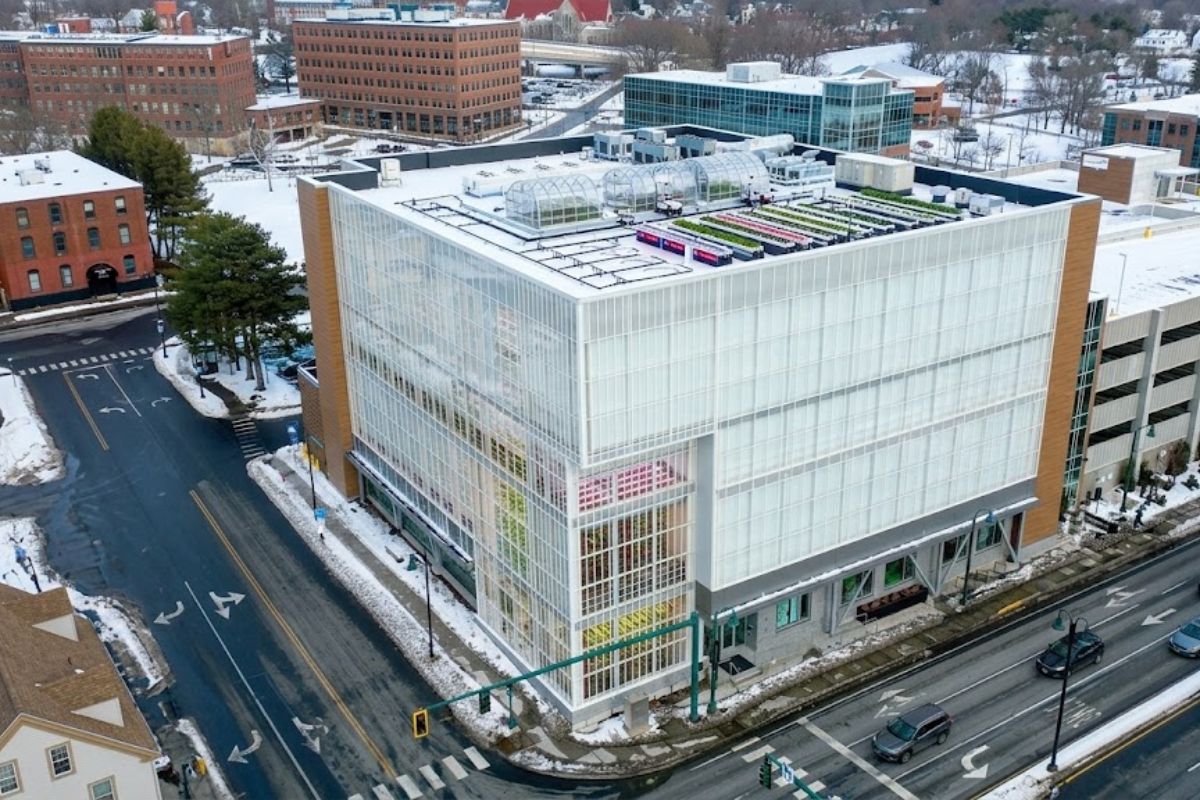
This farm in the United States does not use sunlight, does not use soil, and produces 500 times more food per square meter than traditional agriculture: the secret lies in 42,000 LEDs, hydroponics, and a system that recycles even the heat from the lamps.
-
The water that almost everyone throws away after cooking potatoes carries nutrients released during the preparation and can be reused to help in the development of plants when used correctly at the base of gardens and pots, at no additional cost and without changing the routine.

-
The sea water temperature rose from 28 to 34 degrees in Santa Catarina and killed up to 90% of the oysters: producers who planted over 1 million seeds lost practically everything and say that if it happens again, production is doomed to end.

-
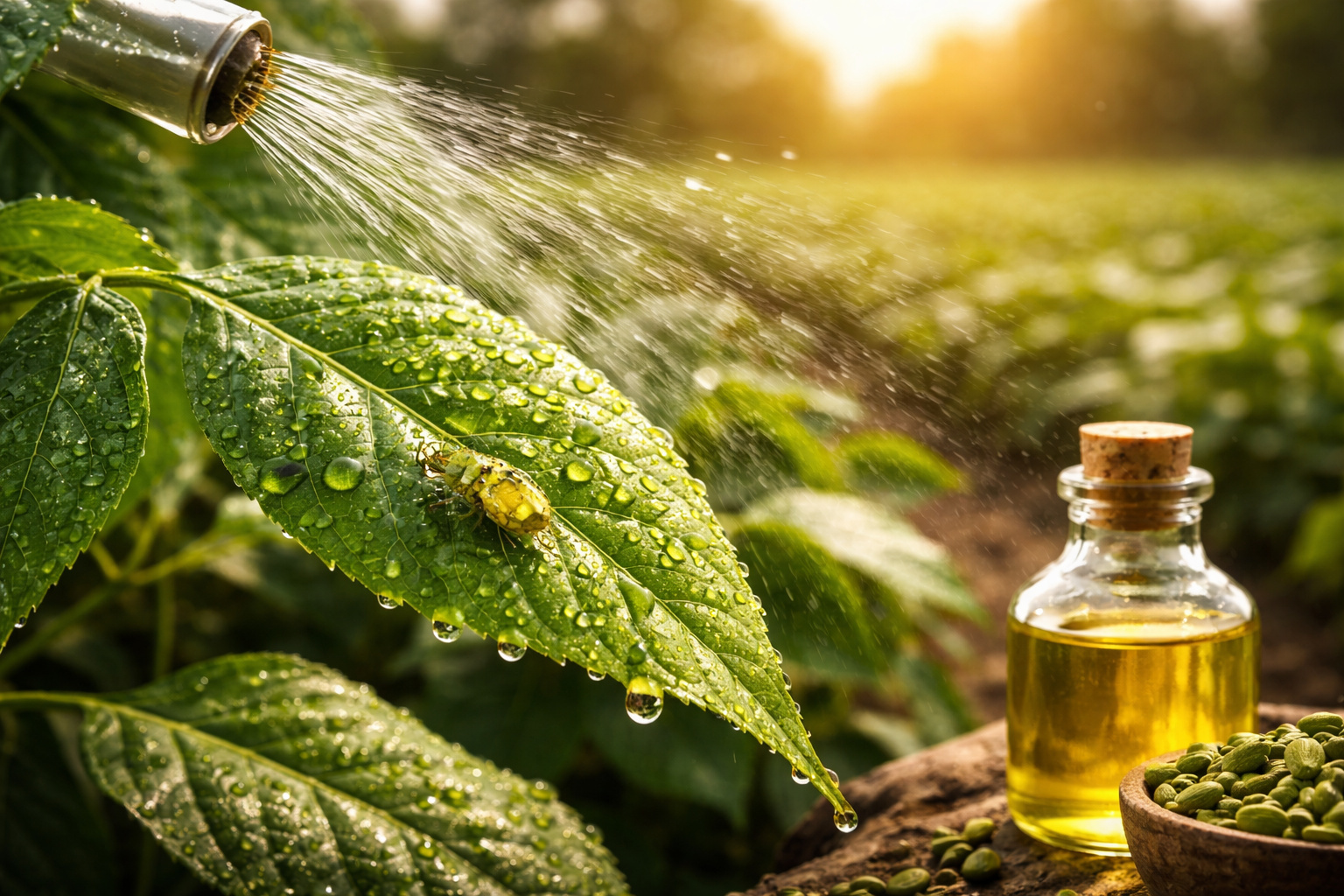
An Indian tree that grows in the Brazilian Northeast produces an oil capable of acting against more than 200 species of pests and interrupting the insect cycle, gaining ground as a natural alternative in soybean, cotton, and vegetable crops.

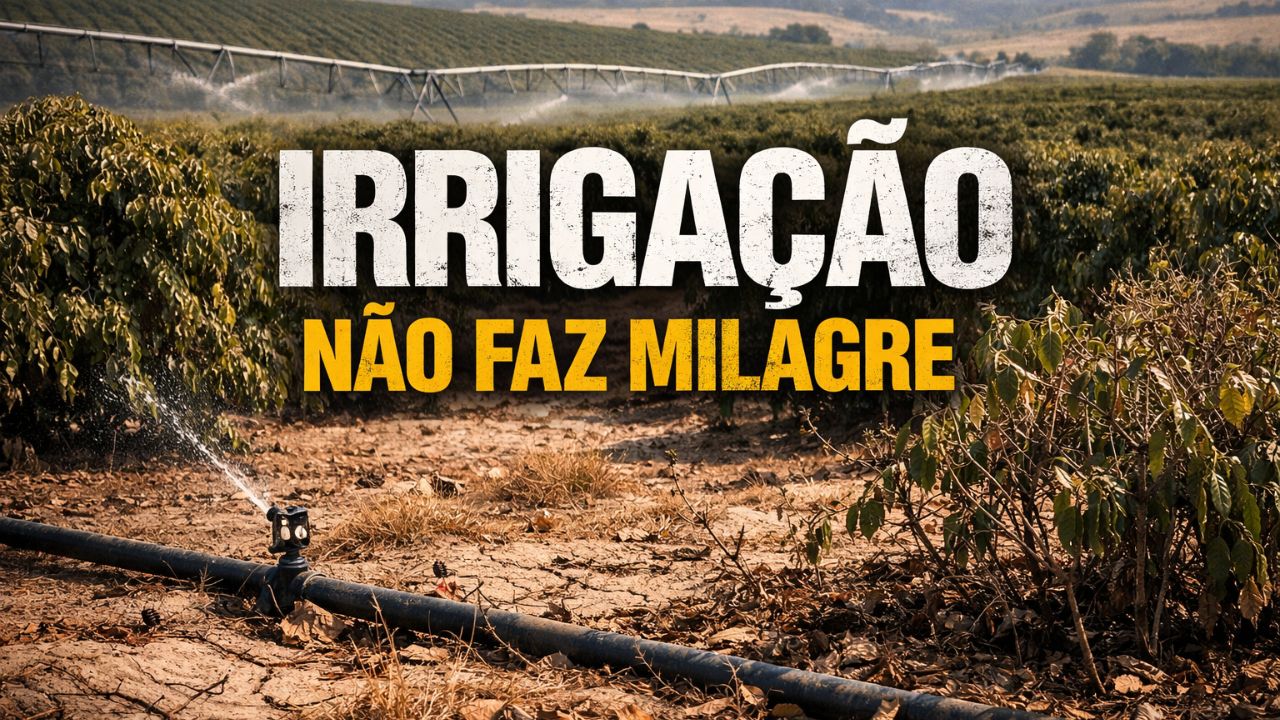
A central point is irrigation. Like in other producing regions of Brazil, the level of irrigated area in Mogiana is still low, estimated at only 10 to 15 percent. In many cases, existing irrigation has been poorly planned, increasing costs without delivering the expected response in productivity. The result is more expenses with energy, equipment, and management, without the guarantee of harvesting more.
Irrigation Is Not a Magic Wand Against Crop Breaks

In the face of breaks, many sell irrigation as a definitive solution. But the field reality is different. Irrigation is not synonymous with solving problems with crop breaks. There are concrete examples of irrigated crops suffering losses of 50 percent in certain harvests, either due to inadequate management or the impact of other variables such as temperature, solar radiation, and diseases.
Therefore, producers need to be cautious with easy promises. Not all well-installed irrigation guarantees a full harvest, and poorly designed irrigation can worsen costs instead of helping, especially when energy costs spike or the system does not meet the real needs of the plants.
Even Under Pressure, Brazil Remains World Leader in Green Coffee
Despite all these regional challenges, Brazil remains the world leader in green coffee in 2025/26, according to international harvest projections. The estimate is that the country will account for 35.2 percent of global production, moving around 63 million bags, within a global volume expected to approach 178.8 million bags.
This means that more than one in three cups of green coffee produced on the planet comes from Brazilian crops, even with climate issues, crop breaks, and irrigation structures still developing in various regions.
Vietnam, Colombia, Indonesia, and Ethiopia Complete the Group of Large Producers
Just behind Brazil, the production map shows a line of important competitors. Vietnam appears as the second largest producer of green coffee, with a share close to 17 percent of the global total. Next is Colombia, accounting for about 7.7 percent of global production, maintaining its traditional weight in quality coffees.
The list continues with Indonesia, expected to account for around 7 percent of production, and Ethiopia, close to 6.5 percent of the global total. Together, these countries form the group that dominates global supply, yet none of them truly threaten Brazil’s position as the world leader in green coffee, in terms of volume, regional diversity, and different drink profiles.
European Union and United States Lead Green Coffee Consumption
When the subject shifts from the field to the cup, the order changes a bit. In the ranking of green coffee consumption, the European Union ranks first, with a forecast of about 41.9 million bags consumed in the analyzed harvest, equivalent to around 24 percent of the global total of approximately 173.9 million bags.
The United States comes in second, with over 26 million bags and a share of around 15 percent of global consumption. The American market continues to be a demand reference, with a strong presence of coffee shop chains and daily consumption firmly established in the population’s routine.
Brazil Rises in Consumption and Becomes Third Largest Market in the World

On the domestic consumption side, Brazil remains the world leader in green coffee production and climbs positions in the consumption ranking, holding the third global position. Projections indicate around 22.3 million bags consumed in the country, representing 12.8 percent of the green coffee consumed in the world.
This shows an important shift. The Brazilian is not only a large producer but also a great coffee consumer, whether in home-brewed coffee, espresso from the bakery, or in niche coffee shops multiplying in big cities. This strong domestic base helps to balance export fluctuations, providing more stability to the sector.
Philippines and Japan Complete the Top of Demand
After the European Union, United States, and Brazil, the Philippines emerge as the fourth largest market for green coffee consumption, with expectations close to 6.75 million bags, about 3.9 percent of the global total. Just behind is Japan, with around 6.72 million bags and a share of approximately 3.8 percent.
Although they lag far behind the trio of leaders, these markets show how consumption is spreading across different regions, with new habits, coffee shop chains, and changing dietary patterns driving demand.
Challenge for the Producer: Maintain Leadership in Green Coffee with Pressured Crops
The overall picture is clear. Even with five consecutive breaks in Mogiana and little irrigation, Brazil remains the world leader in green coffee, but this title is not guaranteed by inertia. It depends on investment in management, technology, soil correction, variety selection, and, when economically sensible, well-planned irrigation systems.
At the same time, the growth of domestic consumption and the prominent position in the global market demand that the country continues to deliver quality and regularity of supply, even in years of difficult weather. This involves professionalizing management, long-term planning, and increased care with costs, especially in regions more exposed to breaks.
In your opinion, is Brazil’s continued position as the world leader in green coffee despite so many harvest breaks more a result of the country’s natural strength or the producers’ ability to adapt to each new crisis in the field?






-

Uma pessoa reagiu a isso.