





 Portuguese
  English
  Spanish
  3 min of reading
  0 comments


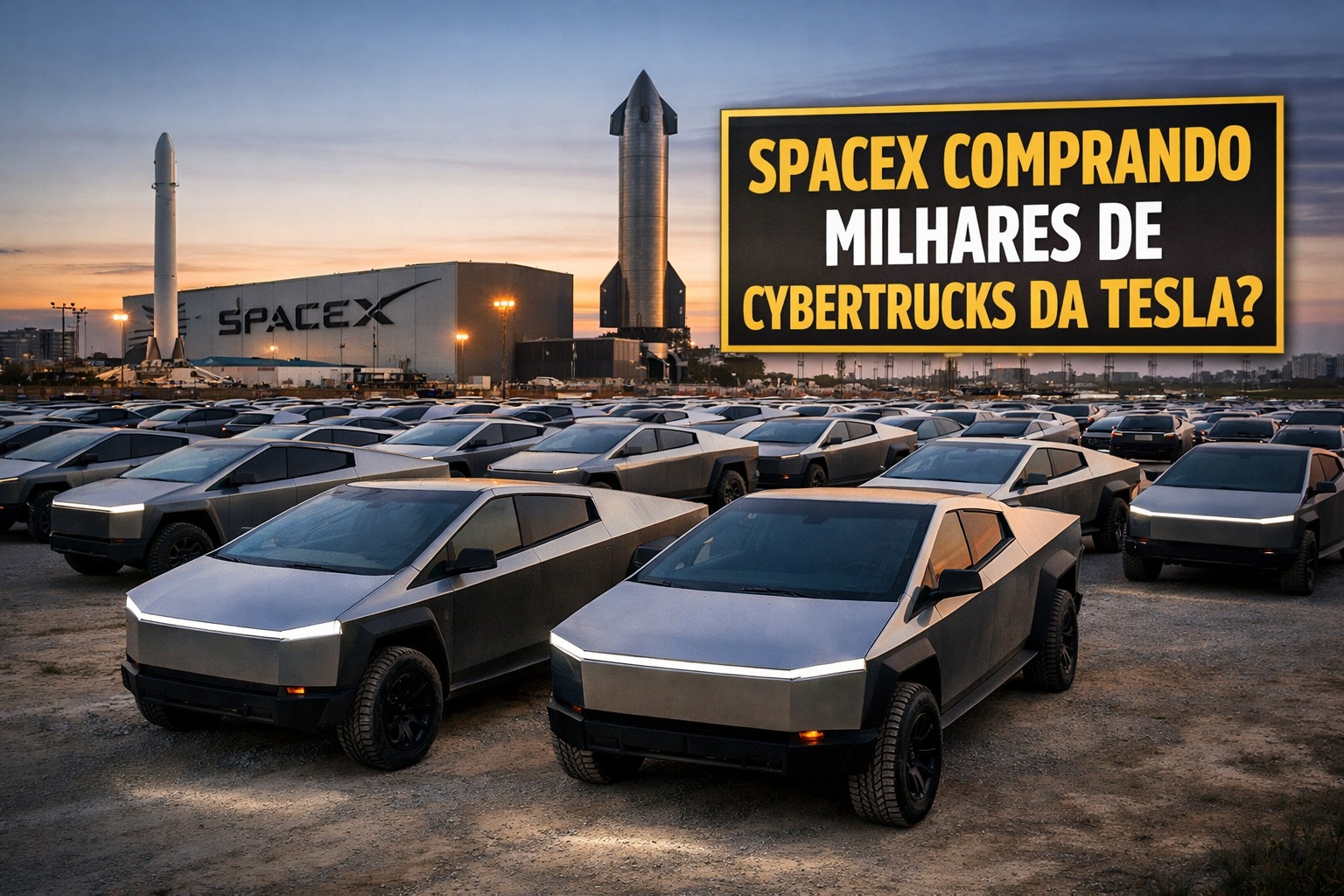
Promised As An Electric Revolution By Elon Musk, The Tesla Cybertruck Sold Far Below Expectations, Turned Into A Commercial Problem, And Led SpaceX To Absorb Stalled Stocks From The American Manufacturer Amid A General Decline In Sales
From revolutionary electric pickup to resounding failure, the Tesla Cybertruck performed far below what Elon Musk expected, who predicted selling 250,000 units annually but ended up with around 20,000.
The difference between the promise and reality turned the model into a commercial problem for the American manufacturer, which planned a production capacity far exceeding actual demand.
Sales Far Below Expectations
Tesla projected selling 250,000 units of the Cybertruck per year, but annual sales were around 20,000, less than 10 percent of the planned capacity.
-
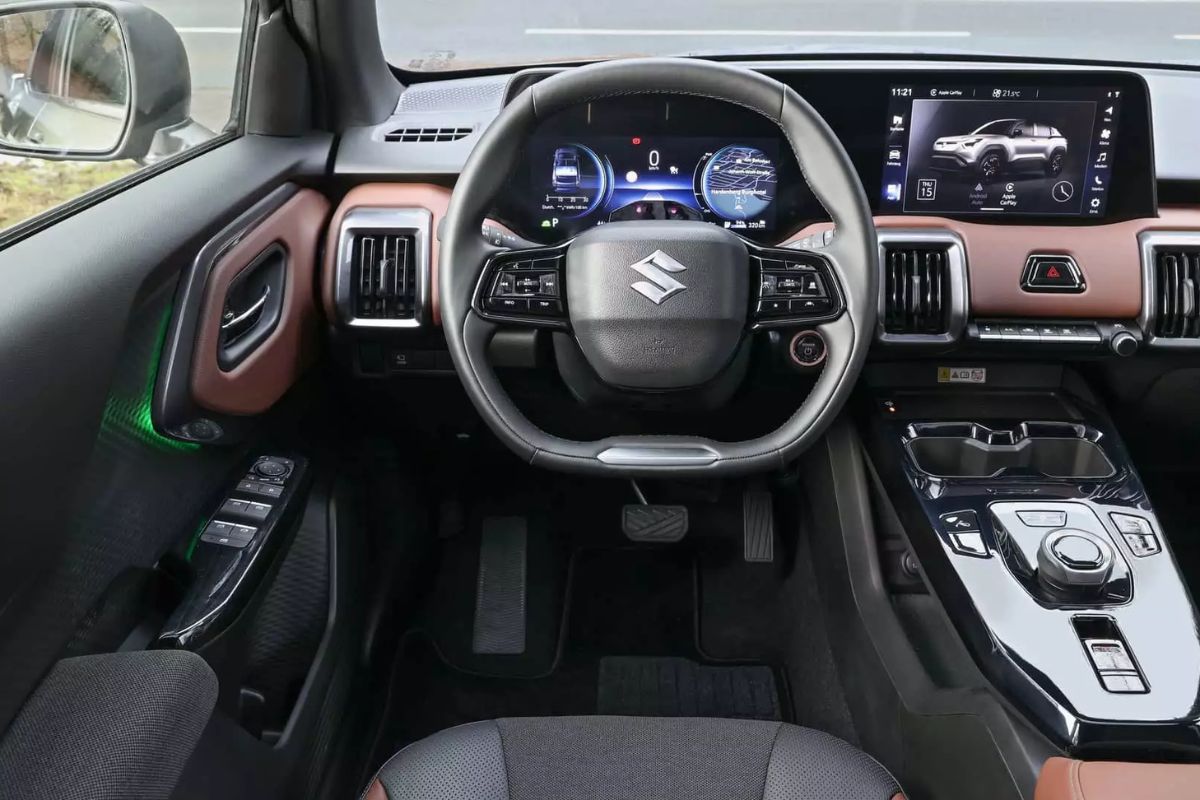
The 2026 electric Vitara arrives in Brazil and proves that Suzuki is not leaving: 4×4 traction, 184 hp, 61 kWh LFP battery, 293 km range, R$ 259,000, and a trunk capacity of 224 L.
-
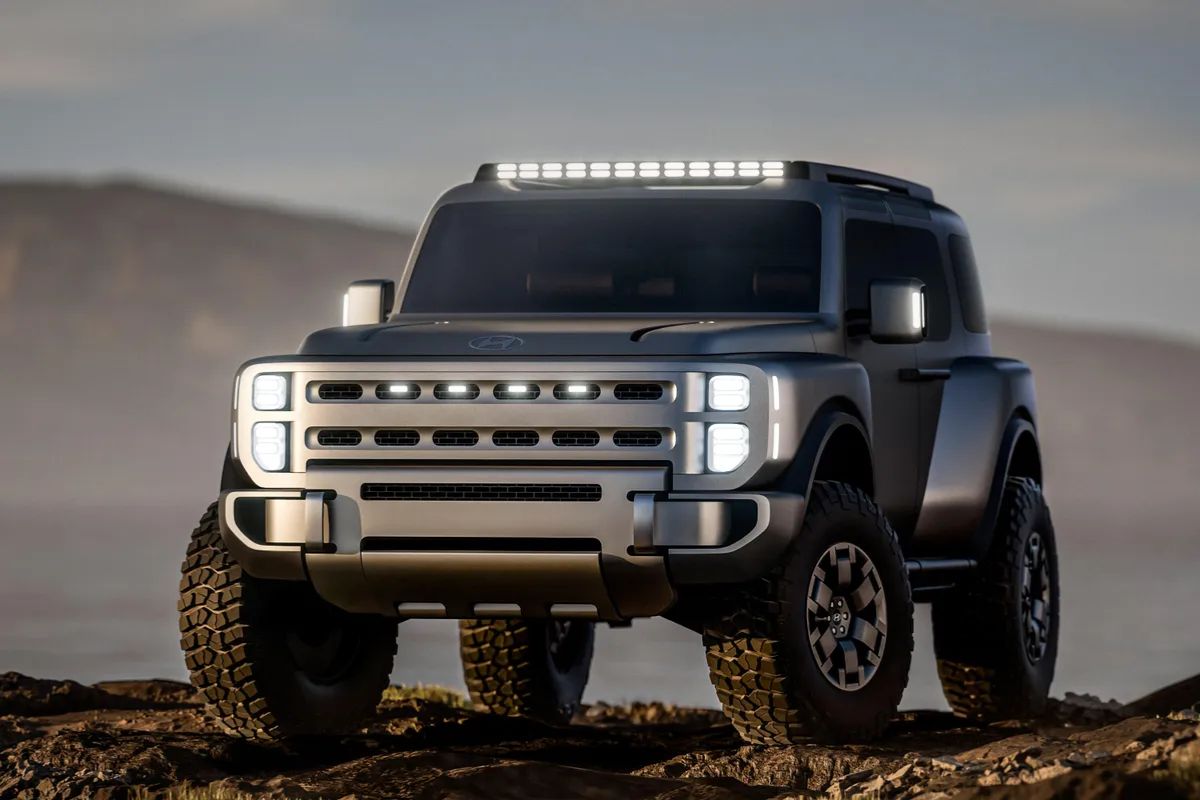
Hyundai has unveiled the Boulder, a square SUV with a body-on-frame design, 37-inch mud tires, and carriage-style doors that seems to be made to take on the Ford Bronco and the Scout Traveller in the United States.
-
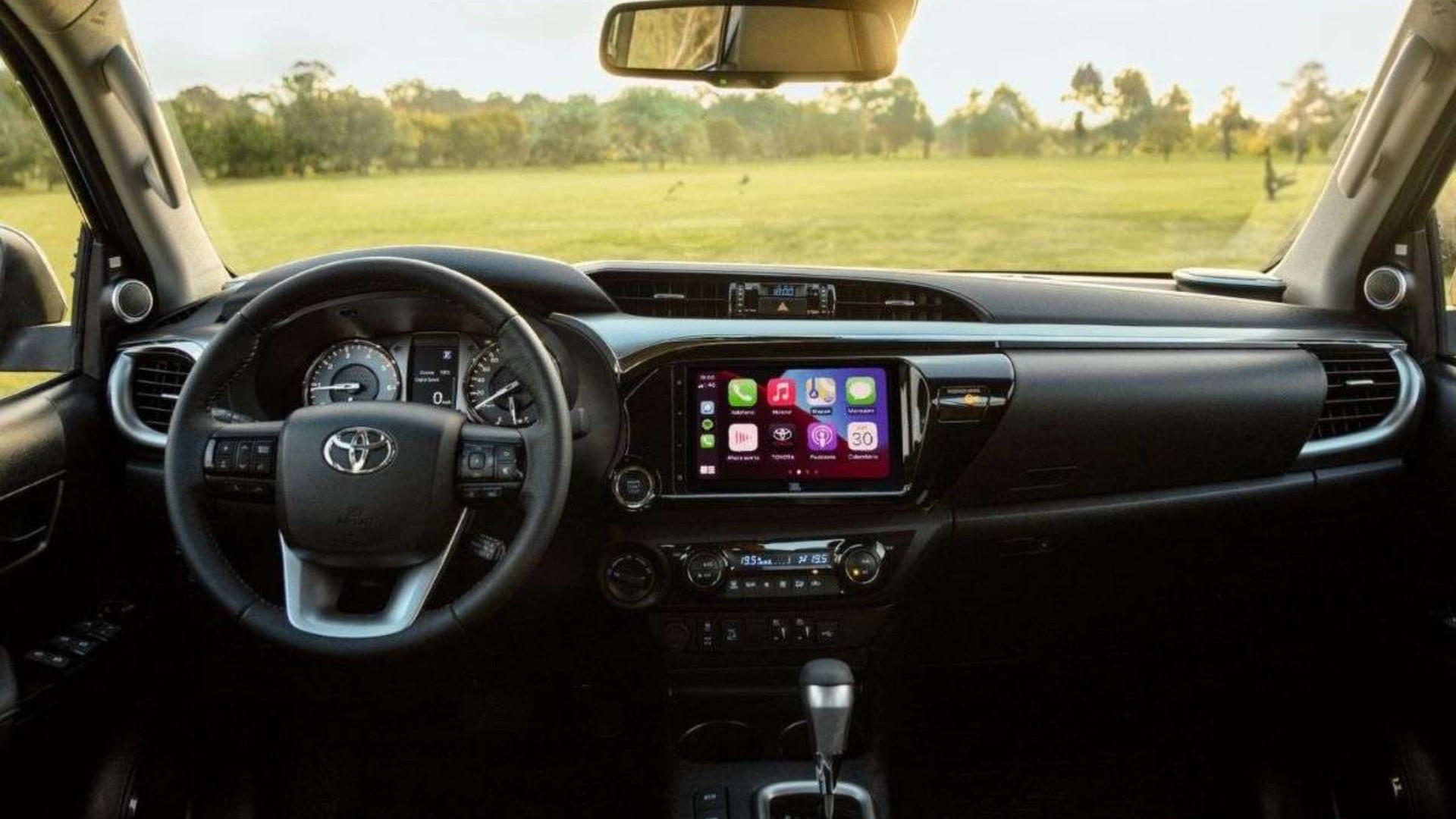
The Toyota Hilux is R$ 75.5 thousand cheaper and bets on the 2.8 turbodiesel engine with up to 204 hp and 50.9 kgfm to catch up with the VW Saveiro, which leads with 4,472 sales.
-
The new Renault Koleos has a screen exclusively for the passenger that is invisible to the driver, heated rear seats, and 29 assistance systems, but its Chinese competitors cost R$ 40,000 less and deliver more power.

This performance solidified the electric pickup as a commercial failure, especially given the expectation created by Elon Musk himself before the launch.
Even with low consumer market interest, Tesla found an unusual way to record significant sales of the model.
SpaceX Emerges As An Unexpected Buyer
SpaceX, another company controlled by Elon Musk, became the primary destination for thousands of Cybertrucks that Tesla cannot sell.
According to an internal source quoted by Electrek, the space company purchased over one thousand units, a number that could reach two thousand in the short term, according to the same source.
This move caught attention for involving two companies under the same control in what is considered an embarrassing operation by industry observers.
Billion-Dollar Values At Stake
Considering the prices of US$ 80,000 and US$ 115,000 for the two versions of the Cybertruck, the order would represent between US$ 80 million and US$ 115 million.
In converted values, this corresponds to something between R$ 443 million and R$ 636.9 million spent on vehicles with no clear operational utility.
In practice, another Musk company would have disbursed more than R$ 553.8 million to absorb unsold stocks from the electric car manufacturer.
Images And Public Reaction
A video posted on the X platform shows a large number of Cybertrucks parked in front of SpaceX facilities in South Texas.
The images reinforced reports from the American press that the space company acquired over one thousand units of the electric model.
Despite the significant volume, the financial impact is limited for SpaceX, considering its size and revenue-generating capacity.
Contrast With SpaceX’s Situation
SpaceX generated revenues of at least US$ 11.8 billion in 2024, primarily driven by the Starlink service, according to data cited in the text.
Given this revenue, the spending on Cybertrucks represents a small, albeit symbolic, fraction of the space company’s budget.
For Tesla, however, the operation suggests an attempt to improve sales numbers before the end of a year considered disastrous.
Broader Difficulties For Tesla Beyond The Cybertruck
In addition to the Cybertruck failure, Tesla faces a general decline in sales and difficulties attracting consumers in the United States.
The company’s sales in the country dropped in November to the lowest level in nearly four years, Reuters reported.
A cheaper and simplified version of the Model Y failed to reverse the downward trend, according to the same source.
Meanwhile, Elon Musk continues to alienate potential customers by associating with far-right ideologies, despite the advantages of price and vehicle autonomy.
With information from Xataka.







-

-

-

3 pessoas reagiram a isso.