





 Portuguese
  English
  Spanish
  4 min of reading
  0 comments



With The Minimum Wage Set At €14.15 Per Hour In 2026, After Successive Adjustments Defined By The Irish Government, The Country Reinforces Its Economic Attractiveness, Increases The Purchasing Power Of Low-Income Workers, And Draws Growing Attention From Brazilians Interested In Formal Employment, Education, And Income In Euros Given The Salary Differences Compared To Brazil
The Irish government confirmed that the national minimum wage has been adjusted to €14.15 per hour starting January 1, 2026. This amount corresponds to approximately €2,264 for a worker working about 40 hours a week.
in a move that reflects both the country’s economic scenario and efforts to mitigate the effects of the rising cost of living on low-income workers.
This new amount represents an increase of €0.65 per hour compared to the previous minimum of €13.50 in 2025, following the recommendations of the Low Pay Commission and the country’s salary policy guidelines. Ibec+1
-
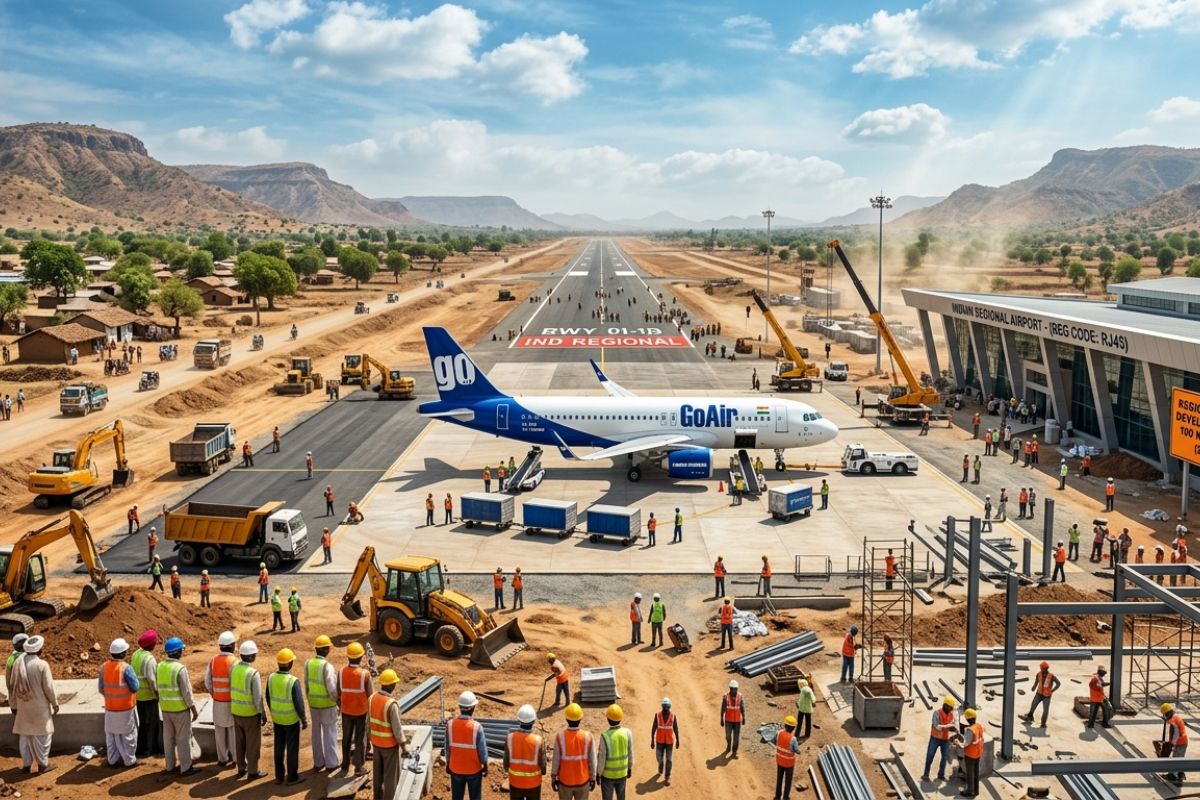
India announces a plan of $3.06 billion to bring aviation to forgotten regions: 100 new airports, $1.07 billion in subsidies, and regional routes guaranteed for 10 years, from 2026 to 2036, away from the centers.
-
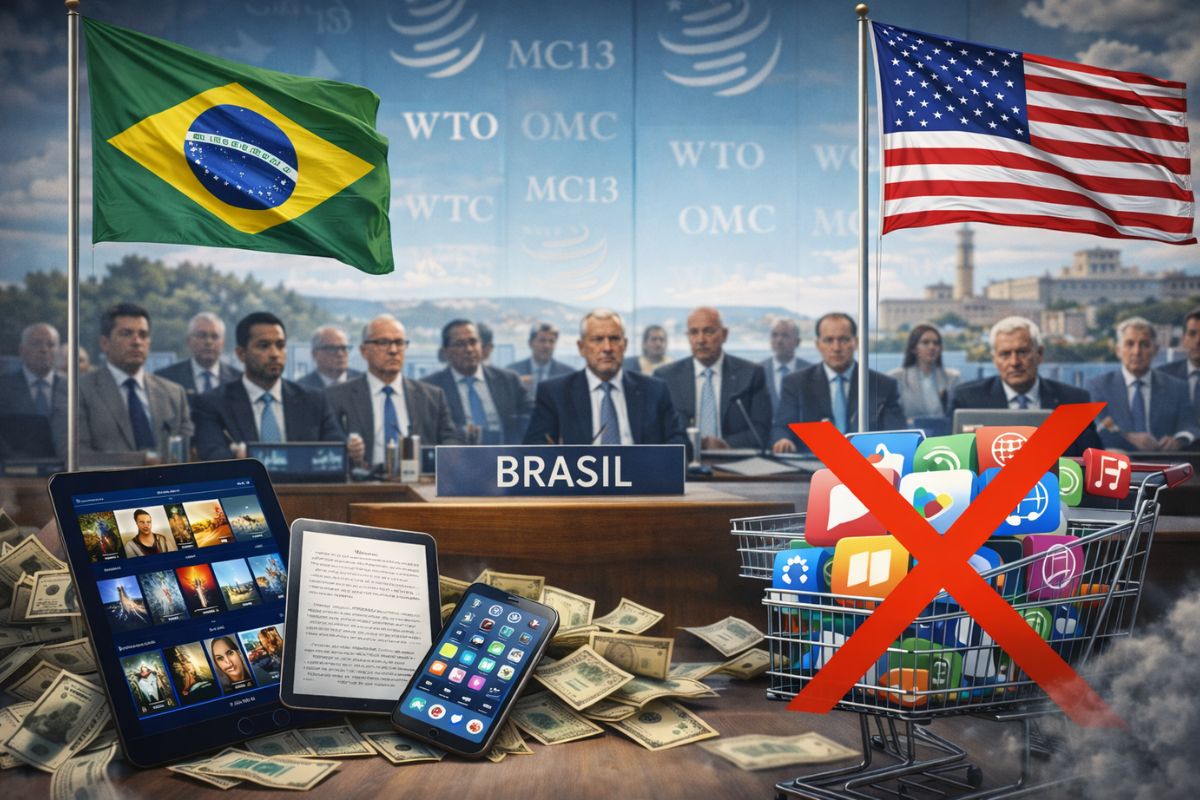
Brazil blocked a proposal from the United States at the WTO that would make the exemption from tariffs on digital products like streaming and ebooks permanent, favoring American tech giants at the expense of developing countries.
-
IPTU exemption for seniors in 2026: see how to secure the benefit.

-
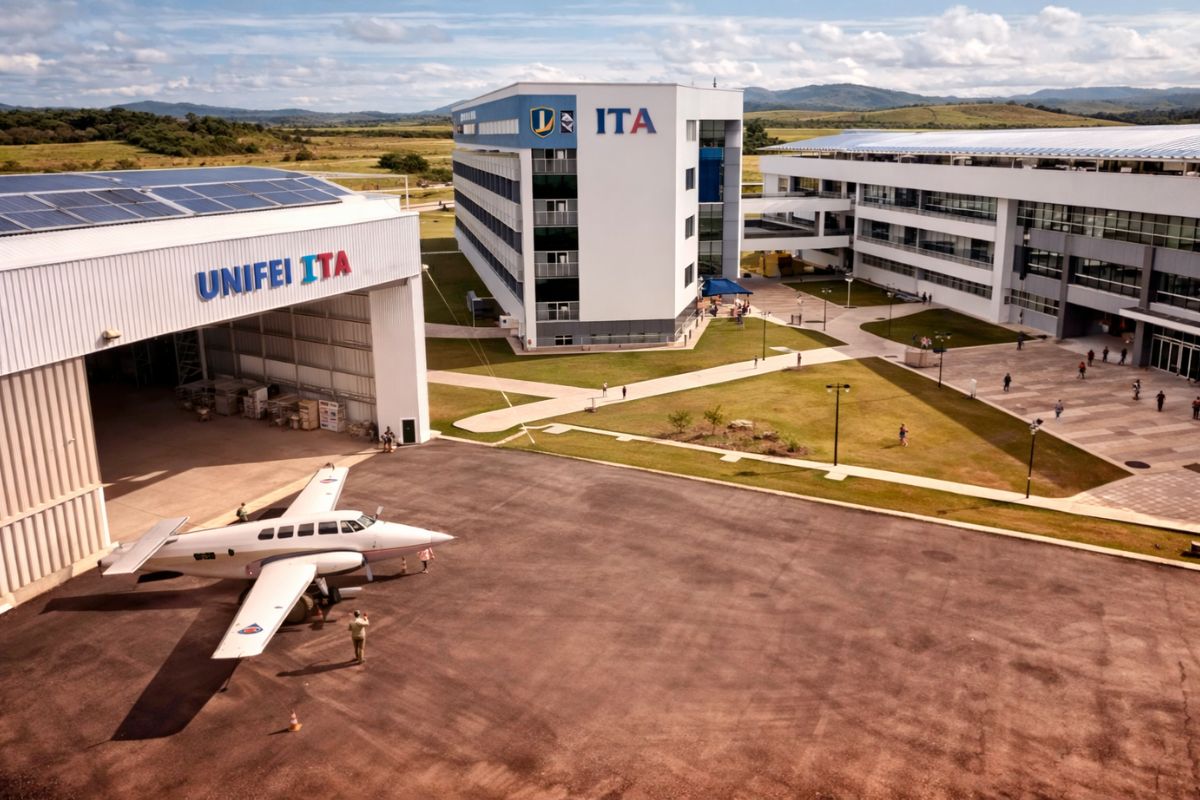
The institute that trained the greatest aerospace engineers in Brazil has just opened its first campus outside São Paulo after 75 years: ITA Ceará will have R$ 445 million, new courses in energy and systems, and classes are expected to start in 2027.

Official Data And Economic Context
The National Minimum Wage (NMW) in Ireland applies to workers who are 20 years or older, being mandatory for formal contracts across different sectors, and has become €14.15/hour in 2026 after being formalized in the national budget.
Each worker on a standard schedule of about 39–40 hours per week, earning the minimum wage, can earn approximately €2,260 gross per month based on this hourly rate. This estimate is a common benchmark used to plan costs and earnings in a country with a cost of living considered high in areas such as rent, food, and transportation.
Although the amount is still below what is termed the “living wage” – the wage considered necessary by some entities to fully cover basic expenses without assistance – the increase reflects a real gain against expected inflation, as well as reinforcing the upward trend in labor valuation in the country over the past decade.
Furthermore, the government adjusted the ceiling of the Universal Social Charge (USC) for lower-income workers, raising the limit to €8,700, which helps keep many low-income workers out of higher tax brackets and protects the net earnings of those earning the minimum.
Comparison With The Salary Reality In Brazil
While the Irish minimum wage in 2026 is €14.15 per hour, an amount that in monthly terms – with full-time work – can easily surpass the equivalents to the Brazilian minimum wage, Brazil continues to have significantly lower amounts in nominal terms and purchasing power, with average monthly earnings around R$3,500–R$3,800 (average value observed in 2025), reflecting the economic context and local market dynamics. Trading Economics
Even with a higher cost of living in cities like Dublin or Cork, the difference between the European minimum wage and the Brazilian one makes Ireland an increasingly attractive point for Brazilians planning to work, study, or migrate with an economic focus – especially in sectors with demand for labor or in structures that combine study and legal employment.
Attraction of Brazilians: Factors Beyond Salary
The adjustment of the Irish minimum wage connects to a series of factors that may make the country more attractive to Brazilians seeking new opportunities:
Comparatively Higher Pay: The minimum rate of €4.15/hour provides a more advantageous calculation base compared to many formal jobs in Brazil, encouraging those interested in opportunities abroad to consider Ireland in their plans, even taking into account the European cost of living.
Diverse Job Market: Ireland has growing sectors such as technology, services, and hospitality, which frequently demand workers of different profiles, from operational to specialized roles. This creates a broader range of opportunities for qualified and unqualified Brazilian candidates.
International Students With Part-Time Work: Irish law allows foreign students to work up to 20 hours per week during the academic term and up to 40 hours during holidays, offering a combination of study and income that can be a strong attraction for those seeking education and international experience at the same time.
Qualifications and Career Progression: Ireland’s economic environment, driven by multinational companies and an open economy to foreign investment foreign, can offer pathways for professional advancement and access to salaries above the minimum with accumulated experience and qualifications.
Is It Worth Living In Ireland In 2026?
The increase of the minimum wage in Ireland to €14.15 per hour in 2026 represents more than a one-time adjustment: it reflects broad economic strategies that can transform the country into an even more attractive destination for Brazilians interested in work, study, and life abroad.
With competitive compensation, inclusion policies in the job market, and an economy that continues to welcome foreign talent, Ireland positions itself as a concrete option for those seeking to improve economic and professional prospects beyond Brazilian borders, even after considering the challenges posed by the higher cost of living and the need for careful financial planning.







-

-

-

6 pessoas reagiram a isso.