





 Portuguese
  English
  Spanish
  5 min of reading
  5 comments


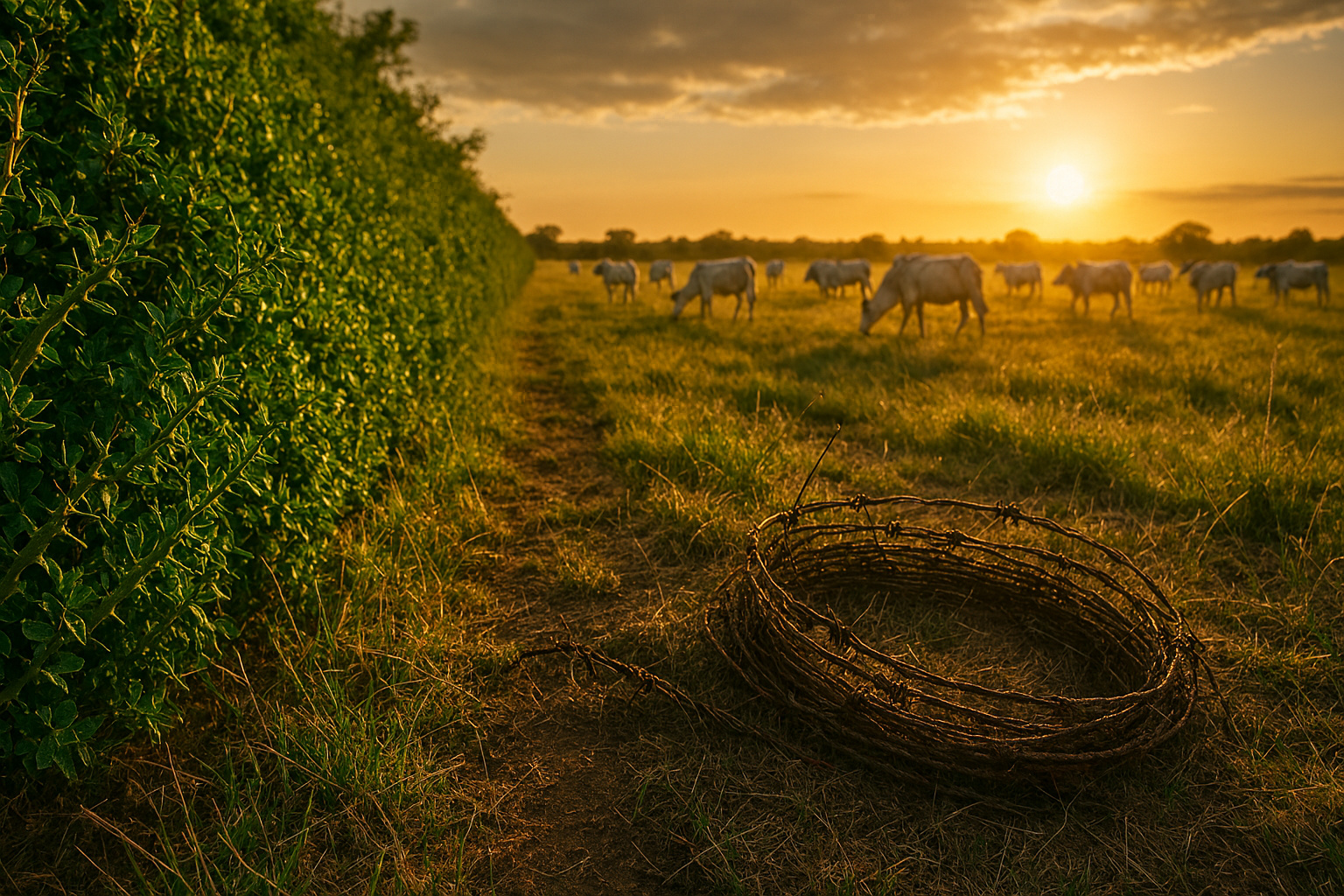


Farmers Swap Barbed Wire for Living Fences, Reduce Costs, Protect Animals, and Adopt a Rural Solution Documented by FAO and Universities.
For more than a century, barbed wire has been treated as an absolute symbol of modern rural occupation. Cheap, easy to install, and efficient for containing livestock, it has spread across farms, pastures, and agricultural borders on almost every continent. However, what had been seen for decades as a definitive solution began to become a quiet structural problem in the field: high maintenance costs, constant risk of injury to animals, environmental impact, and increasing dependence on industrialized steel.
In response to this scenario, farmers from different parts of the world have begun to recover — and modernize — an ancient practice, now supported by technical studies and international organizations: the replacement of barbed wire with living fences, also known as living fences.
This transition is not a fad or an isolated experiment. It is a practice officially documented by the FAO, widely adopted in regions of Africa, Asia, and Latin America, with measurable impacts on costs, animal safety, and rural sustainability.
-
The sugar-energy sector advances with agricultural technology, but agricultural productivity still raises concerns.

-
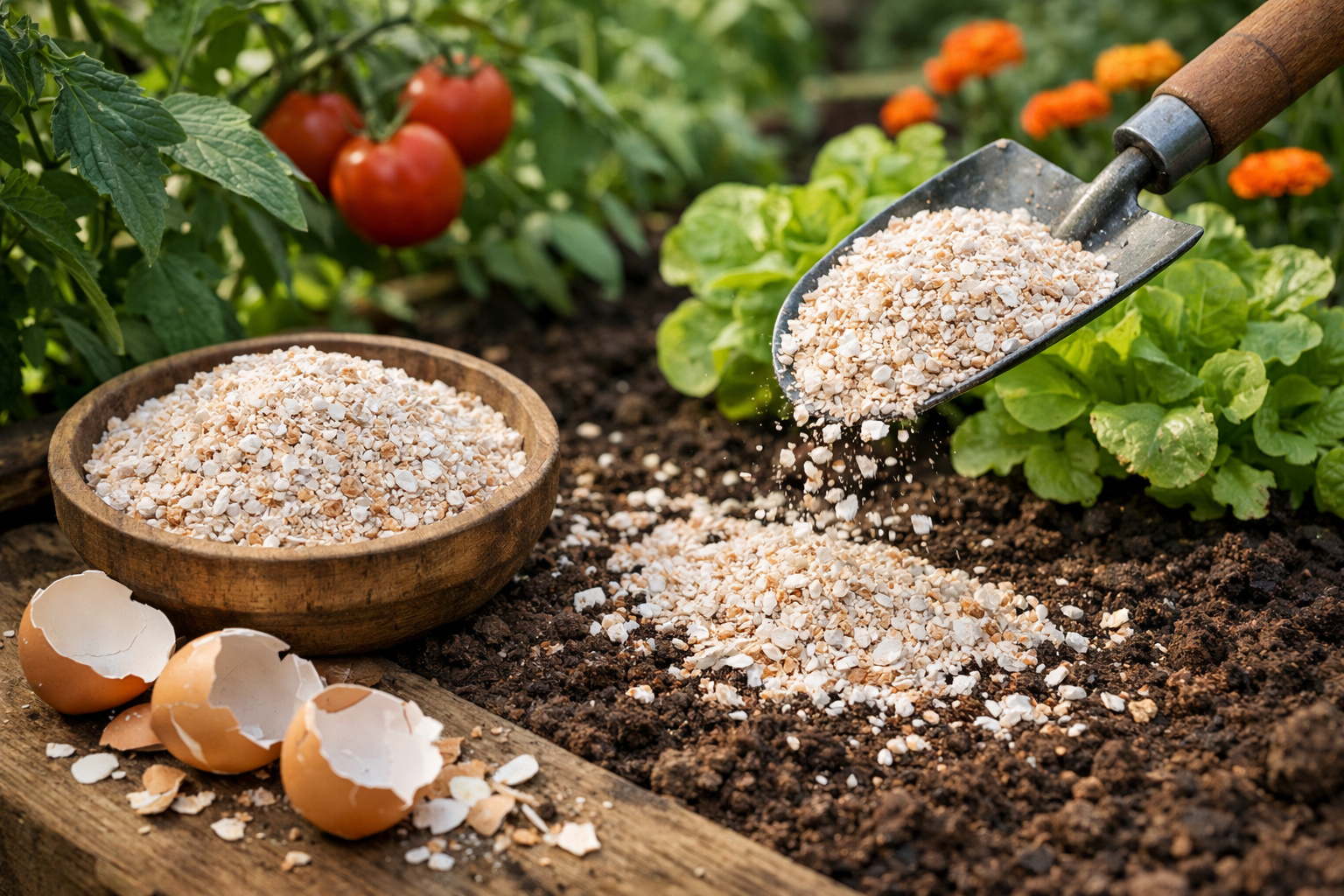
The eggshell that almost everyone throws away is made up of about 95% calcium carbonate and can help enrich the soil when crushed, slowly releasing nutrients and being reused in home gardens and vegetable patches.
-
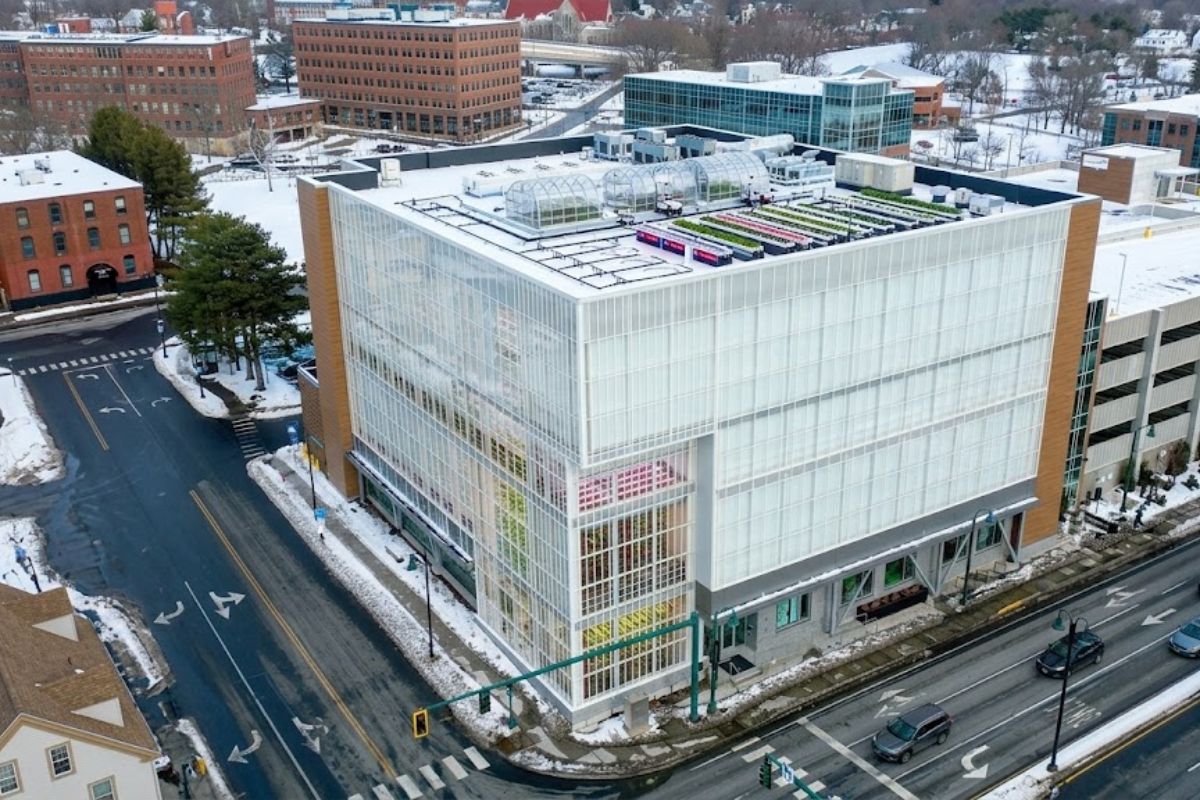
This farm in the United States does not use sunlight, does not use soil, and produces 500 times more food per square meter than traditional agriculture: the secret lies in 42,000 LEDs, hydroponics, and a system that recycles even the heat from the lamps.
-
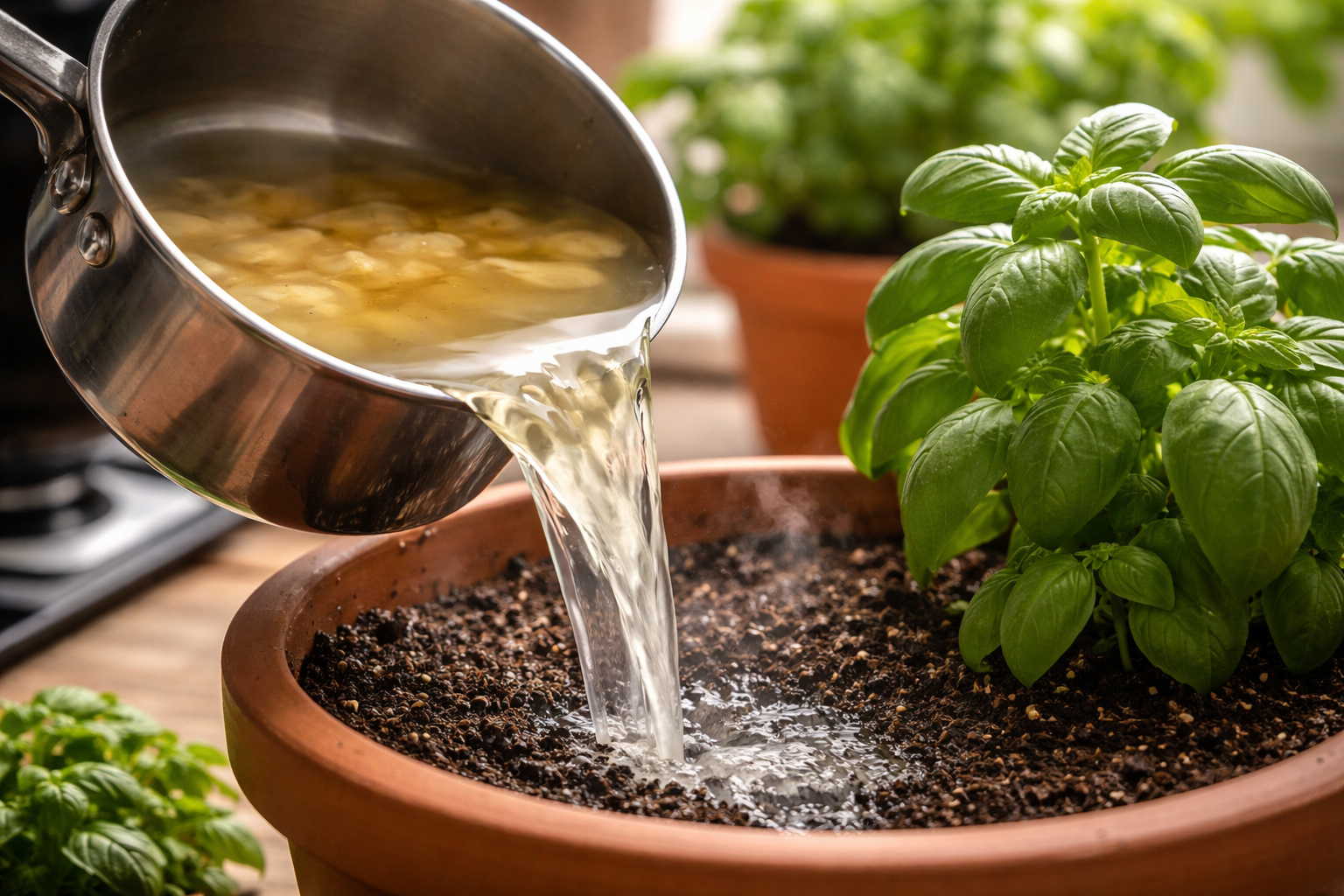
The water that almost everyone throws away after cooking potatoes carries nutrients released during the preparation and can be reused to help in the development of plants when used correctly at the base of gardens and pots, at no additional cost and without changing the routine.

When Barbed Wire Ceases to Be a Solution
Barbed wire imposed a linear model of containment based on metal, tension, and constant maintenance. In extensive areas, a single property can have dozens of kilometers of fencing, requiring periodic replacement due to corrosion, animal-related breakages, weather, and theft of metal materials.
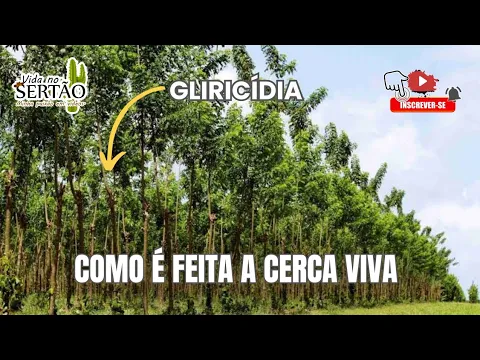

Beyond the economic cost, there is a seldom-discussed problem outside the technical field: recurring injuries to domestic and wild animals. Cattle, goats, deer, antelopes, birds, and even large mammals suffer deep cuts, infections, and deaths from getting tangled in the wire.
Studies cited by the FAO and agricultural universities point to barbed wire as one of the main non-natural causes of injuries in wildlife in fragmented agricultural landscapes.
This impact worsens in regions close to conservation areas, where metal fences become lethal barriers for wildlife.
What Are Living or Spiky Fences
Living fences are barriers formed by dense rows of woody plants, usually thorny or compact-growing, strategically planted along property boundaries, pastures, or agricultural areas.
Over time, these plants form a biological wall that is difficult to cross for both animals and people.
Unlike metal fences, living fences:
– grow and strengthen over time;
– do not rust or break;
– do not require constant replacement of material;
– offer continuous resistance to livestock;
– drastically reduce injuries.
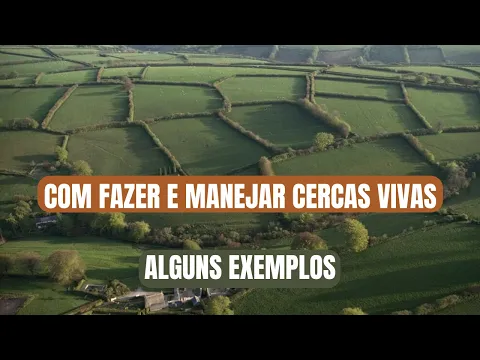
After an establishment period, which varies between 12 and 36 months, depending on the species and climate, the fence becomes practically permanent.
Species Used in the Real World
The choice of plants is not random. Documented projects use species adapted to each region, with rapid growth, high density, and the presence of thorns or irritating sap. Among the most cited in technical reports are:
In Africa and Asia:
– Euphorbia tirucalli
– Acacia spp.
– Jatropha curcas
In Latin America:
– Gliricidia sepium
– Bursera simaruba
– cacti of the genus Opuntia
These species not only form physical barriers but also adapt to poor soils, resist drought, and require little maintenance.
Where Living Fences Are Already Proven to Work
The FAO documents the use of living fences on millions of rural properties in countries such as India, Ethiopia, Tanzania, Nicaragua, Mexico, and regions of semi-arid Brazil. In many of these areas, the use of barbed wire has never been economically viable on a large scale, leading communities to develop long-term plant-based solutions.

In rural India, agroecological projects have adopted living fences to protect the crops of small farmers, drastically reducing spending on imported metal inputs. In East Africa, the practice is used both for containing livestock and preventing human incursions into sensitive agricultural areas.
In Central America, living fences have existed for decades and serve multiple purposes: fencing, windbreaks, shade for livestock, and soil recovery.
Applied Economics, Not Romanticism
One of the main factors that has driven the revival of living fences is the cost of steel. With global price fluctuations, dependence on imports, and expensive logistics, maintaining kilometers of wire has become unfeasible for small and medium producers in many countries.

FAO reports indicate that, after the initial establishment period, the total cost of a living fence over 10 to 20 years is significantly lower than that of an equivalent metal fence, especially when maintenance, replacement, and losses due to vandalism or theft are considered.
Furthermore, living fences can generate indirect returns, such as biomass production, firewood, fodder, and even flowers for pollinators.
Direct Impact on Animal Safety
The replacement of barbed wire immediately reduces the number of cuts, lacerations, and infections in domestic animals. In areas where wildlife coexists with rural properties, the impact is even more significant.
Animals that were previously stuck or injured can now interact with a “legible” barrier, which can be circumvented or avoided without lethal risk. This reduces unintentional mortality and conflicts between producers and environmental agencies.
In fragmented agricultural landscapes, living fences also function as ecological corridors, allowing the movement of birds, insects, and small mammals.
An Invisible Benefit: The Soil
Another little-perceived aspect is the effect of living fences on soil. Deep roots stabilize the land, reduce erosion, increase water infiltration, and contribute to nutrient retention.
In regions affected by desertification or severe degradation, living fences are used as a tool for passive environmental restoration, creating lines of vegetation that slowly recover the landscape.
Limitations and Where Barbed Wire Is Still Used
Living fences do not replace barbed wire in 100% of contexts. In areas of intensive management, confinement, or regions with extremely cold climates, metal fences are still necessary.
What is observed, however, is a hybrid model, where wire is used only in critical points, while long stretches are converted into permanent vegetative barriers.
By abandoning kilometers of barbed wire and planting living fences, farmers are not returning to the past, but adopting a solution that is more resilient, cheaper, and less violent for modern agriculture.
The practice, validated by decades of real use and international organizations, reveals something essential: not all rural innovation involves cutting-edge technology. Sometimes, the most efficient solution grows slowly, takes deep roots, and strengthens over time.
And, in this case, it turns plants into one of the most durable defenses ever used in the history of agriculture.








O problema dessas reportagens feitas por quem não entende do assunto é que nomeiam as espécies de cerca viva por nomes científicos, ao invés de nomes conhecidos por quem interessa, ex; Sansão do campo , etc.
Onde consigo as sementes ?
Então mas é o espaço que ela usa e a questão de ferimentos fica do mesmo jeito tenta passar nela pra ver e os animais em determinada situação enfia nela e outro detalhe vc já pensou quando vem uma queimada aqui na região que moro tem muita
O que tu quer ainda tá mole.