






 Portuguese
  Spanish


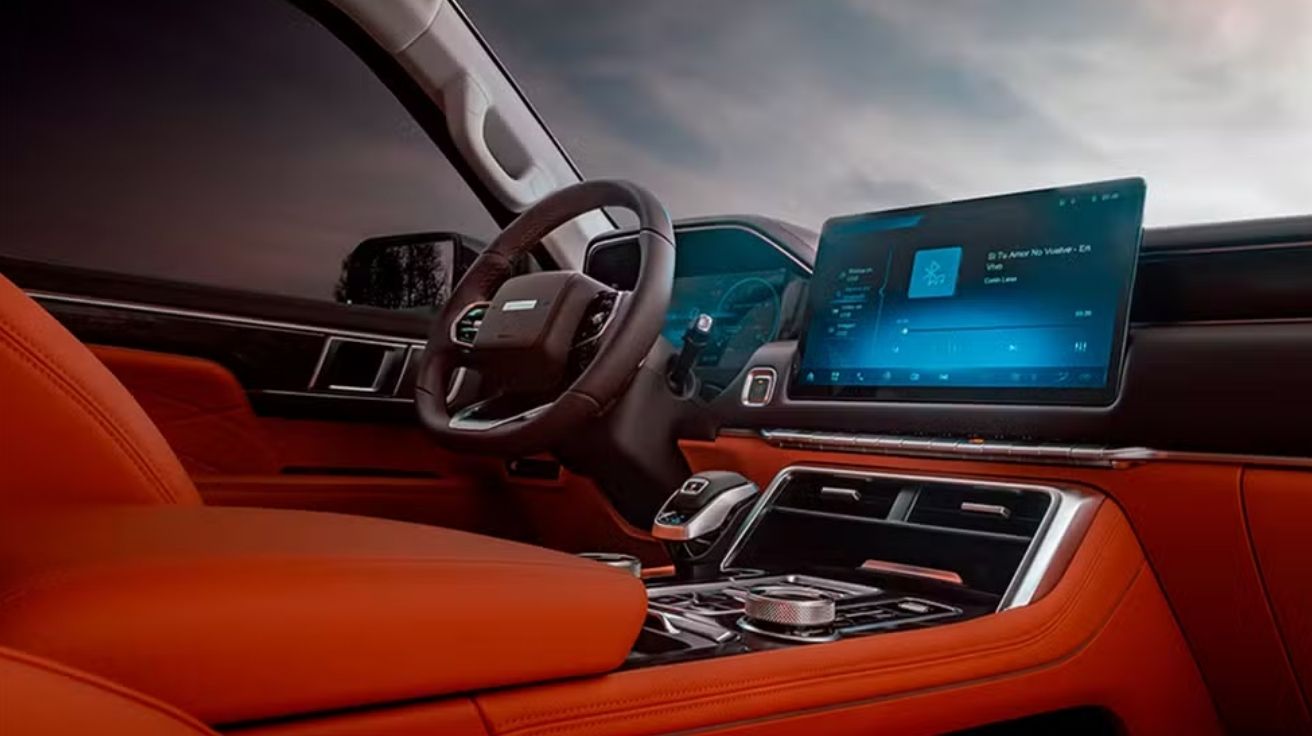


Confirmed for 2025 in Brazil, the new Foton Tunland V7 and V9 impress with their giant size, bold design inspired by the F-150, and light hybrid engine that promises to revolutionize the segment dominated by Hilux, Ranger, and S10 for decades.
Foton has officially confirmed the arrival of the Tunland V7 and V9 pickups in the Brazilian market in 2025, expanding the Chinese brand’s presence in the pickup segment.
The two models come equipped with a light hybrid engine and promise to compete directly with sales leaders such as Toyota Hilux, Ford Ranger, and Chevrolet S10.
Both versions are larger than traditional pickups in Brazil, with an emphasis on the Tunland V9, which reaches 5.79 meters in length and 3.50 meters in wheelbase.
-
Brazilian Couple Turns Property into Culinary Hub, Investing $400,000 to Build a Business Earning $800,000 Annually

-
Couple Quits Jobs, Converts 1981 VW Van into Home, Travels 80,000 Kilometers Across the Americas, and Wins Surprise Tickets to See Messi Make History at the World Cup

-
Rio de Janeiro School’s Listening Program Reduces Dropout Rates and Boosts Literacy, Set to Expand to 350 Municipal Schools
-
Five-Year-Old Turns Crayon Drawings of Colorful Socks into a Brand, Raising $200,000 to Aid Vulnerable Children



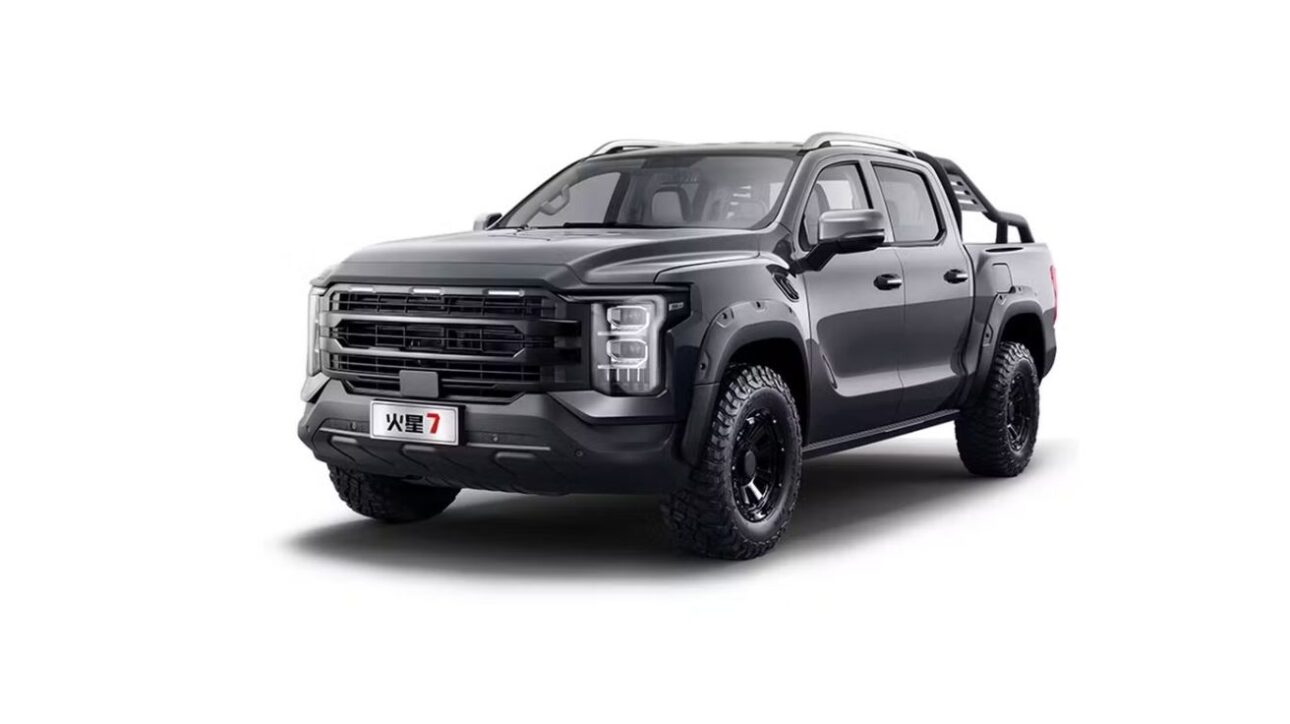
Meanwhile, the V7 measures 5.61 meters and has a wheelbase of 3.35 meters.
The width in both can reach an impressive 2.1 meters, reinforcing the robust size and the visual impact inspired by North American pickups.
Robust Design and Visual Inspired by the F-150
The Tunland V7 exhibits lines clearly influenced by the Ford F-150, one of the most iconic pickups in the United States.
Foton itself does not hide the reference.
On its official website, the brand states that the Tunland V was “based on the design philosophy of large American pickups,” aiming to combine strength and sophistication.
The robust and aggressive look has a direct appeal to the Brazilian public seeking pickups with an imposing style and off-road capability.
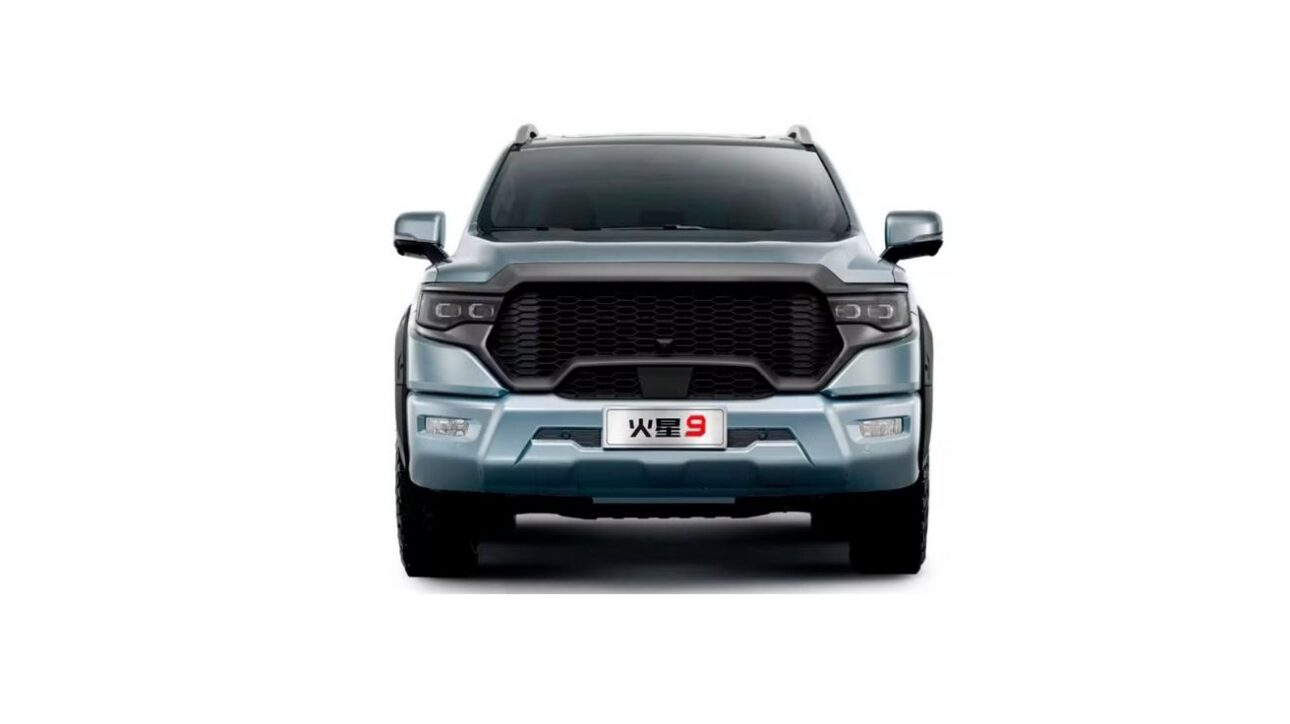
The V7, in fact, has leaf springs on the rear axle, a configuration more focused on heavy-duty work and off-road use.
Light Hybrid Engine with 4×4 Drive
In terms of mechanics, the V7 and V9 versions of the Foton Tunland rely on a light hybrid engine, combining a 2.0 turbo diesel engine with a 48 Volt electrical system.
The system, developed in partnership with the French Valeo, delivers 175 horsepower and a torque of 45.8 kgfm, operating with an 8-speed automatic transmission and 4×4 drive.
This combination offers greater fuel efficiency and lower emissions, while providing enough power to tackle difficult terrains and transport heavy loads.
The towing capacity reaches 3.5 tons, directly competing with segment leaders.
High-Level Equipment in Chinese Pickups
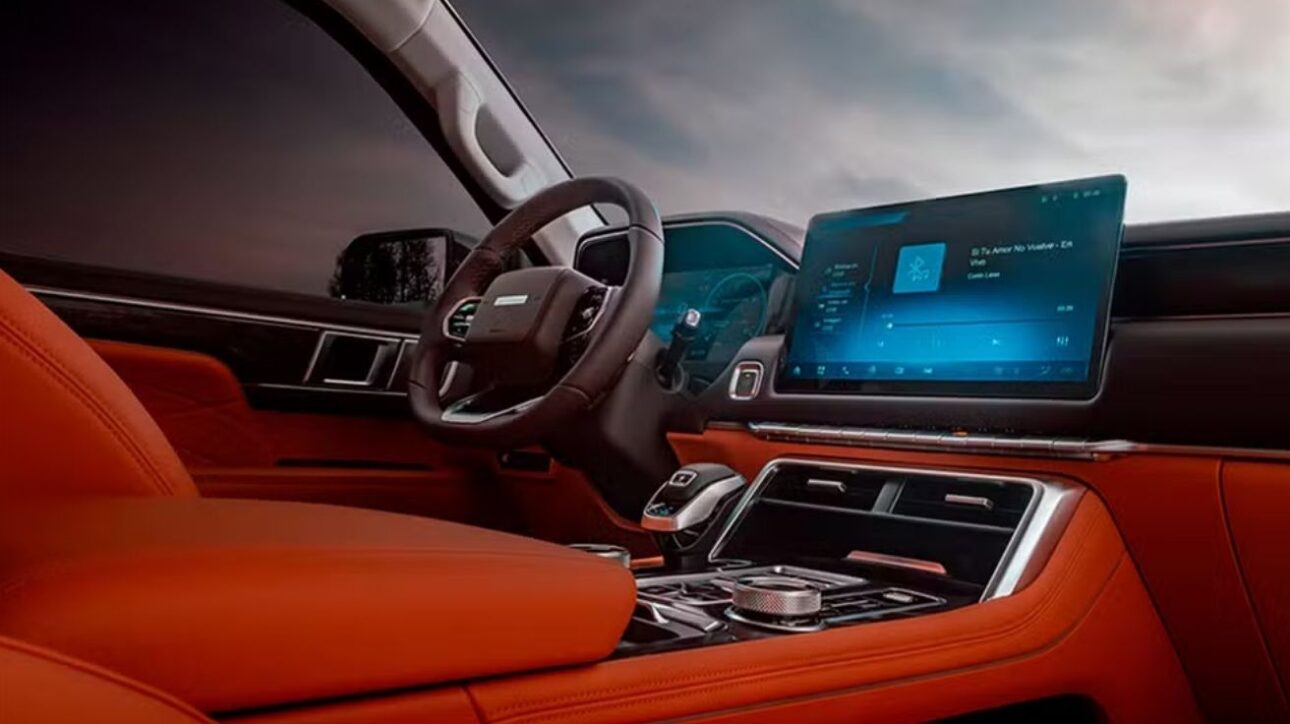
Among the equipment, the Tunland approaches the standard of luxury SUVs.
The list includes a multimedia center with a 14.6-inch screen, dual-zone automatic air conditioning, panoramic sunroof, rear seats with a 27-degree tilt, flat floor, six airbags, 360-degree camera, automatic emergency braking, and adaptive cruise control.
These features elevate the Chinese pickup’s status in Brazil, especially against rivals that, in some versions, still offer simpler technologies.
The air suspension is also another differentiator that enhances onboard comfort.
Tunland V7 and V9 Arrive in 2025
Foton had already presented the models in Brazil in 2024, but confirmed that sales of the Tunland V7 and V9 will officially begin in 2025.
There are still no details about prices or exact versions, but expectations are that the prices will be lower than the top-of-the-line versions of competitors, betting on cost-effectiveness as an asset.
The brand’s focus is to serve both urban and rural audiences, offering a pickup that combines robustness, generous interior space, technological resources, and energy efficiency.


Foton Aims to Challenge the Hilux, Ranger, and S10
The medium pickup segment in Brazil is dominated by established brands.
Toyota Hilux, Chevrolet S10, and Ford Ranger are the historical leaders, but Foton is betting on a combination of bold design, advanced equipment, and a light hybrid engine to capture a share of this market.
Furthermore, the arrival of a Chinese brand with a large and well-equipped pickup follows the trend of increasing Chinese vehicles in Brazil, as evidenced by the recent growth of BYD and GWM.
Will Foton Tunland be able to break the dominance of the veterans in the Brazilian pickup market?




Um caminhão com motor de uno, chineses perderam o juízo.