





 Portuguese
  English
  Spanish
  3 min of reading
  0 comments



How Common Waste Can Turn Into An Accessible Continuous Thermal Energy Source
The search for alternative energy, low cost, and waste reuse has led millions of people to explore simple yet highly efficient solutions. Among them, a homemade method has been gaining attention for transforming cardboard, sawdust, and shredded paper into wood pellets, capable of generating constant, clean, and practically free heat.
The information was shared by a content creator specialized in energy reuse, according to a video published on his channel, where he demonstrates step by step how waste that would normally be discarded can be converted into high thermal efficiency solid fuel. According to the author, the process can be reproduced anywhere in the world with basic materials and simple tools.
Moreover, the proposal gains relevance in a global scenario marked by rising energy costs, instability in electricity supply, and the urgent need for sustainable solutions. Therefore, understanding how this technique works can represent real savings and energy independence.
-
Iceland accidentally drilled into a magma pocket at 2,100 meters and revealed that the extreme heat beneath the crust could pave the way for a new source of continuous energy.

-
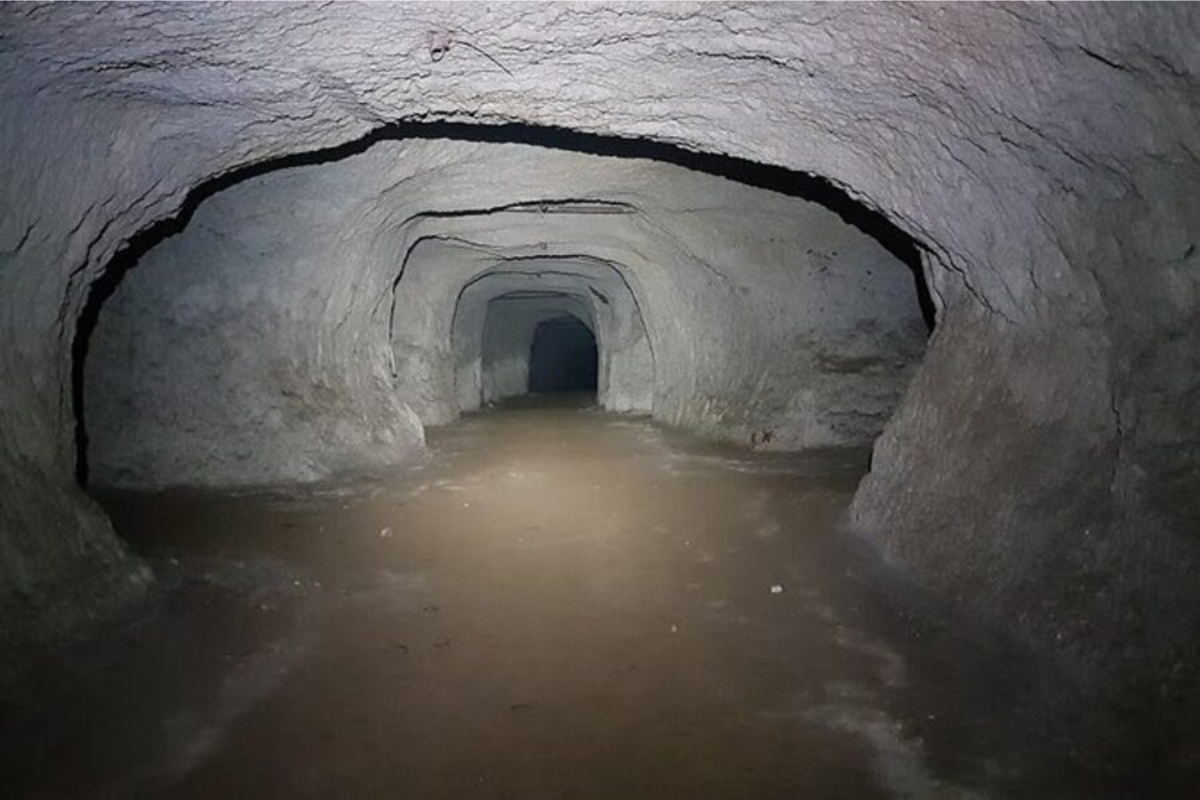
Discovery of a 15-kilometer labyrinth beneath the buildings of Rome raises alarm for collapses and reveals the largest underground network ever found in the Italian capital.
-
A rare storm phenomenon in the United States alerts meteorologists worldwide due to four different forms of water falling from the sky, which freeze immediately upon touching the ground, poles, cars, or trees.

-
He has been using a wheelchair for almost 10 years, lives alone, is independent, and decided to become a delivery driver for an app: Samuel makes up to 6 deliveries a day, covering routes of 1 km in his wheelchair and has even managed to do 2.5 km in a single run.


The Step-by-step Process to Produce Wood Pellets from Cardboard and Sawdust

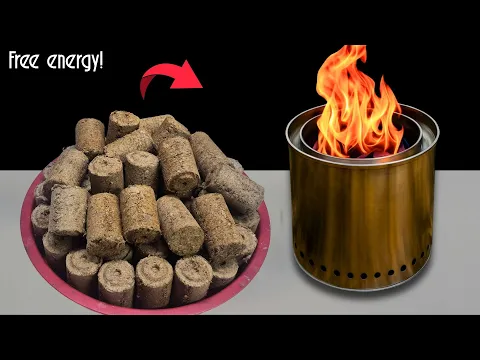
The method uses sawdust, recycled cardboard, shredded paper, and water, strategically combined to create compact and highly combustible pellets. Initially, the sawdust is mixed with the pre-moistened cardboard and shredded paper, which act as binding agents, significantly increasing the adhesion of the material.
To ensure a homogeneous mixture, the author uses a paint mixer attached to a cordless drill, a common and easily accessible tool. This process ensures that the sawdust properly absorbs the fibers from the cardboard and paper, forming a consistent and moldable mass.
In the next step, the compression of the pellets is performed with the help of a manual pressing device, improvised with a glue gun adapted to compact the material. This compaction is essential because the denser the pellet, the greater its energy efficiency and burn time. Then, the pellets are left to dry for a period of one to two days, ensuring the removal of residual moisture.
After complete drying, the sawdust pellets are stored in boxes, ready for use in wood stoves, fireplaces, portable stoves, and even in a smokeless fire pit, such as the Solo Stove model, cited in the video as a practical application example.

Why This Method Sparks Global Interest and Can Impact Billions of People
The most impressive aspect of this technique is its universal accessibility. According to the content creator, anyone, regardless of the country, can replicate the method using locally available waste. Therefore, he encourages viewers to comment on which country they are watching from, reinforcing the global nature of the initiative.
Additionally, the pellets produced have a low smoke level, good thermal efficiency, and maximum use of waste that would otherwise be discarded. This reduces environmental impact, decreases energy costs, and promotes the circular economy.
Sustainability experts highlight that decentralized solutions like this can play an important role in regions with limited access to energy, especially in rural communities or areas affected by energy crises. Thus, transforming cardboard and sawdust into solid fuel is no longer just a curiosity but becomes a real alternative for renewable thermal energy.
At the end of the video, the author invites the audience to subscribe to the channel to follow new content, reiterating that this type of knowledge, although simple, is still unknown to billions of people around the world.







-

-

-

3 pessoas reagiram a isso.