





 Portuguese
  English
  Spanish
  3 min of reading
  0 comments


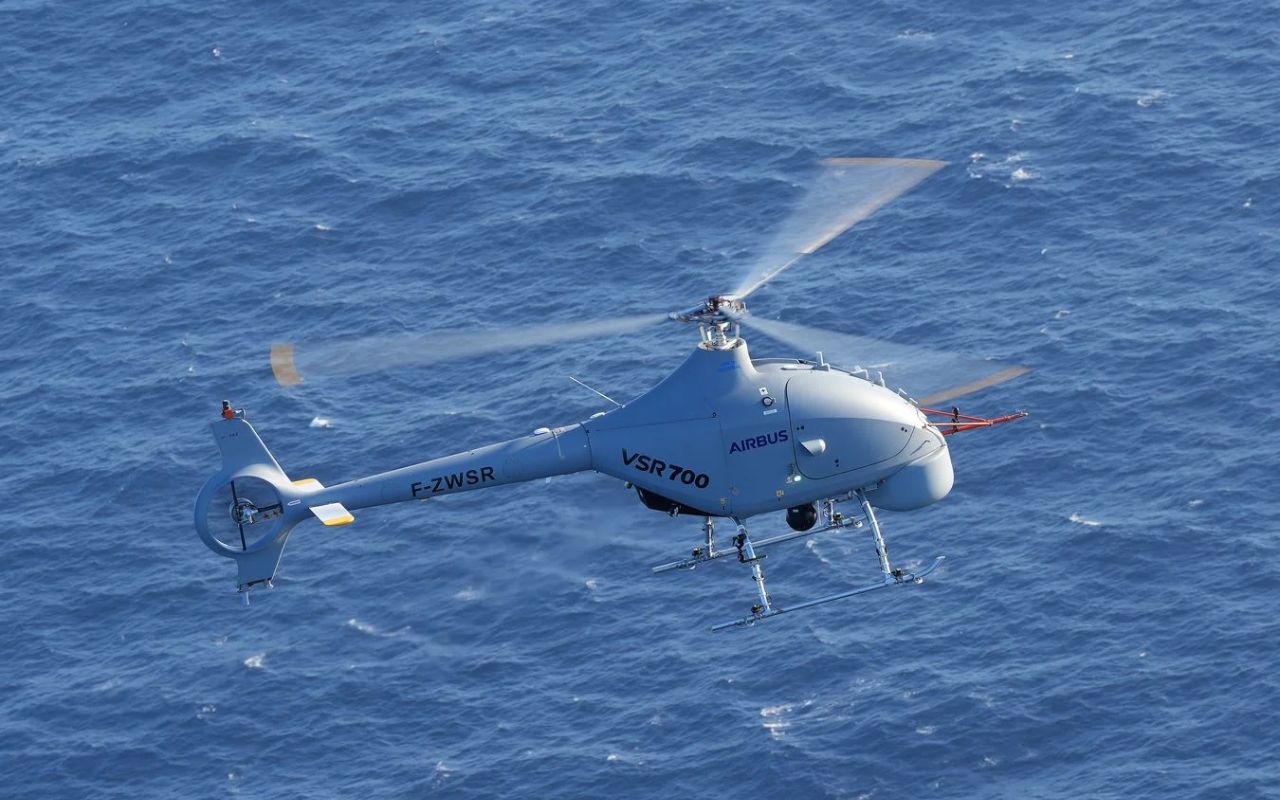
France Invests in VSR700 Rotary-Wing Drones for the Navy, Enhancing Intelligence, Maritime Surveillance, and Cooperation Between Manned and Unmanned Systems.
Six VSR700 rotary-wing drones are set to join the fleet of the French Navy starting in 2028, increasing the capacity for surveillance and onboard intelligence.
The contract, signed with Airbus Helicopters and Naval Group, provides for production, testing, and integration of the drones onto the ships, enhancing crew safety and operational efficiency at sea.
Embedded Operations and Strategic Functions of the VSR700
The VSR700 will primarily be used for Intelligence, Surveillance, and Reconnaissance (ISR) missions.
-
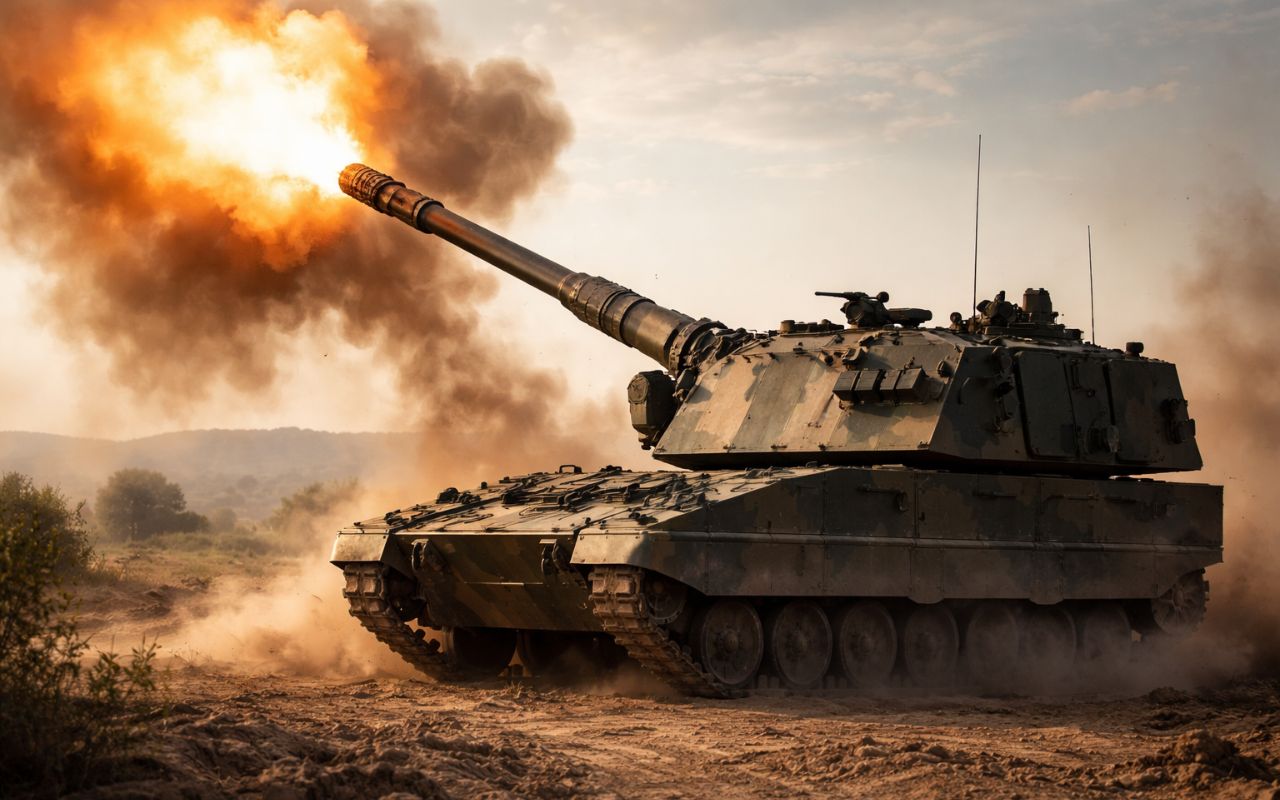
The German “steel monster” weighing 55 tons fires up to 10 projectiles per minute at over 40 km and avoids counterattacks on the battlefield by moving quickly to escape enemy attacks; meet the Panzerhaubitze 2000.
-
USS Gerald R. Ford, the largest aircraft carrier in the world, returns to sea after a fire in the laundry in the Red Sea; repaired in Crete, it resumes missions of Operation Epic Fury against Iran.

-
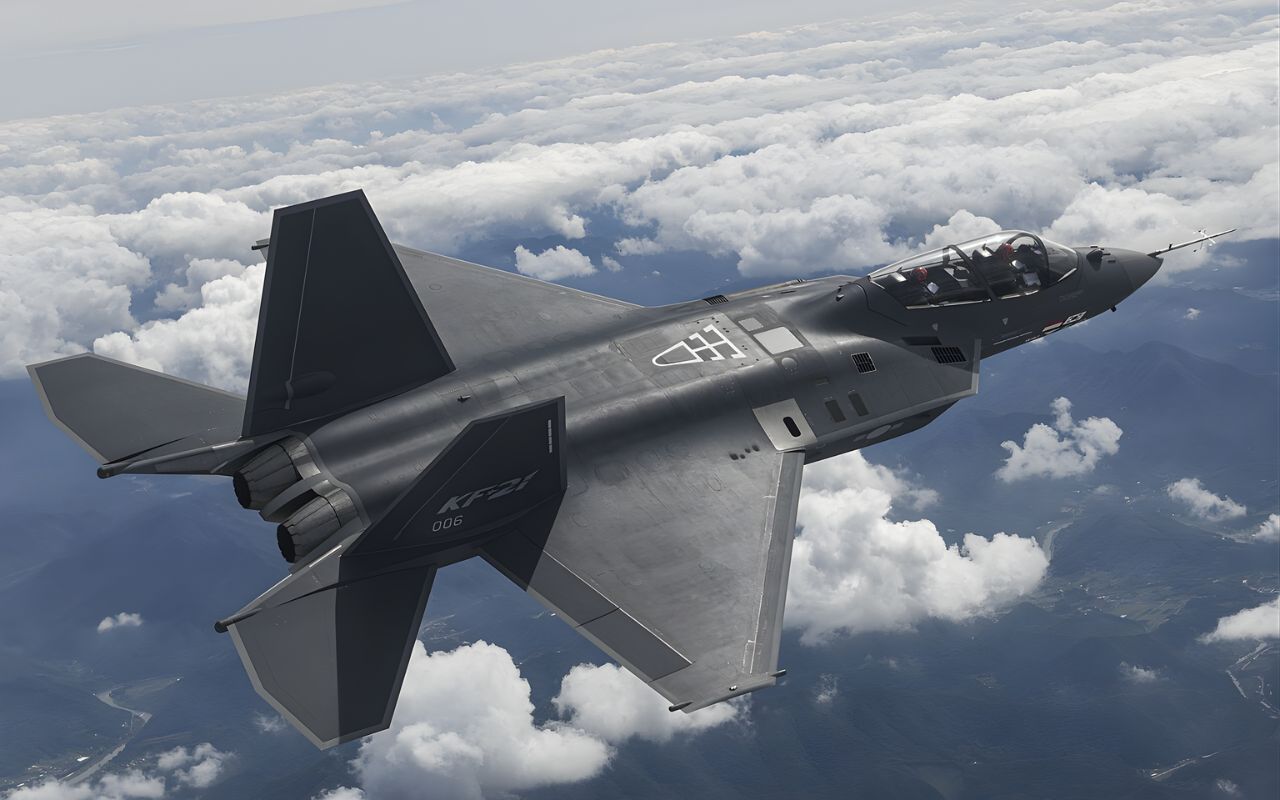
Military power: South Korea’s new KF-21 fighter jet will be a key component in replacing the aging aircraft of the air force, placing the country on the map of air military powers.
-
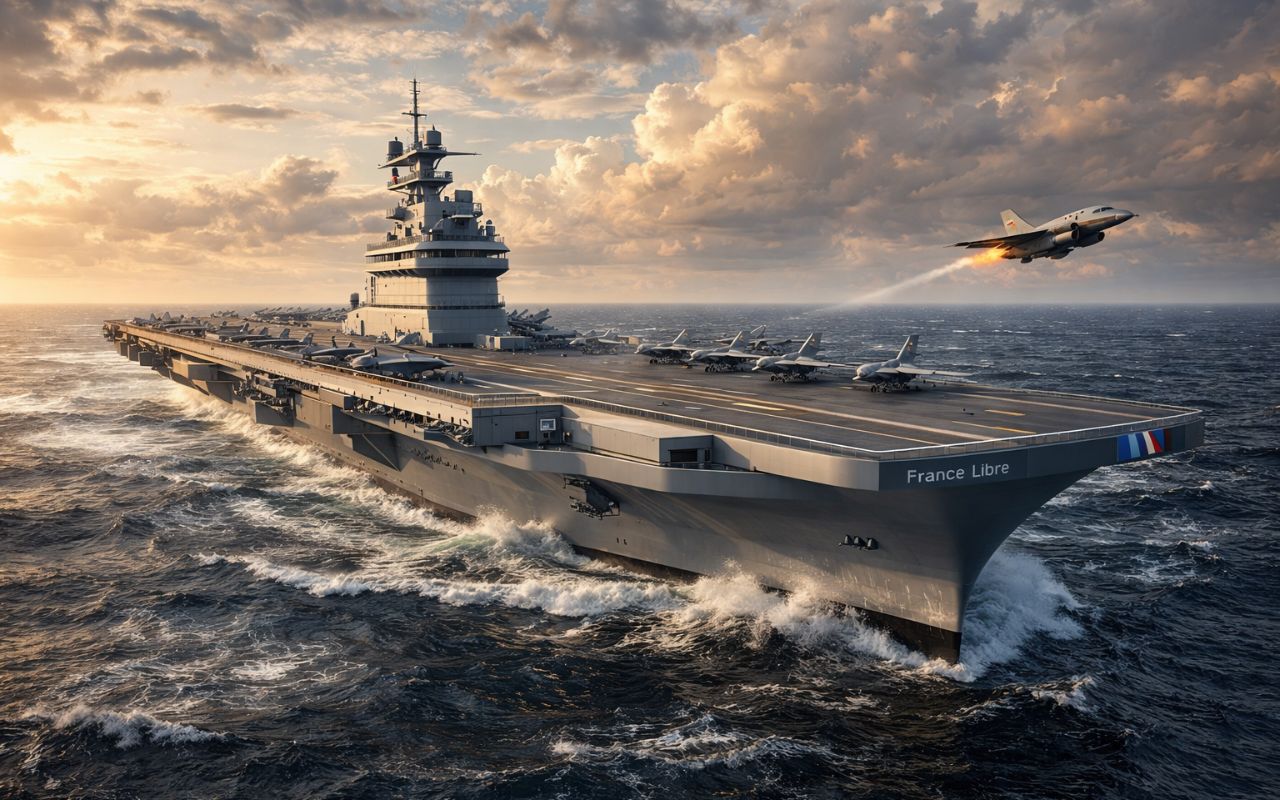
With 310 meters, 80 thousand tons, and capable of operating for 45 years, the new nuclear aircraft carrier France Libre will be the largest in France and will enter service in 2038.

The integration with the fleet’s combat systems will allow for continuous monitoring and collection of critical data, providing support in patrol operations and protection of strategic areas.

SDAM Program Boosts Development of the VSR700
The SDAM program (Système de Drone Aérien de la Marine) was responsible for developing and testing the VSR700.
The initiative aimed to create embedded drones capable of operating autonomously on prolonged and high-risk missions.
During testing, the Navy and the DGA evaluated performance, autonomy, and operational integration, ensuring that the drones meet the demands of modern naval operations.
Technology and Cooperation Between Platforms
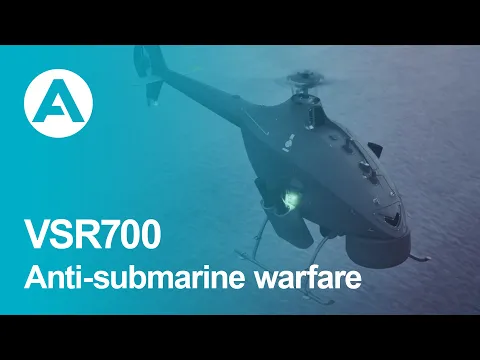
Based on the Cabri G2 helicopter from Hélicoptères Guimbal, the VSR700 has vertical takeoff and landing (VTOL) capabilities.
In addition to ISR missions, it can operate in conjunction with manned aircraft through the HTeaming system, allowing MUM-T (Manned-Unmanned Teaming) cooperation in complex operations and enhancing the Navy’s reach and efficiency in strategic environments.
Performance and Technical Specifications of the VSR700
The rotary-wing drone features a diesel engine and multiple functions, capable of carrying out surveillance, logistics, or armed missions.
Equipped with ISR sensors, it can fly for up to eight hours, providing extended coverage for critical operations.
With just over six meters in length and a rotor diameter of 7.2 meters, it reaches a maximum speed of 100 knots (185 km/h) and operates at 20,000 feet, ensuring operational flexibility.

Modernization of the French Navy
The acquisition of the VSR700 represents a strategic advancement for the Navy, increasing capacity for patrol, surveillance, and reconnaissance of maritime areas.
Rotary-wing drones reduce the risk to human crews and allow for more precise, safer, and coordinated operations, aligned with the needs of modern missions.
In the future, the VSR700 is expected to become an essential part of the activities of the French Navy, contributing to patrols, surveillance, logistical support, and armed reconnaissance.
This integration reinforces France’s role as a reference in naval innovation, combining advanced technology, drone autonomy, and cooperation with manned systems.
With information from Poder Naval








-

-

-

-

11 pessoas reagiram a isso.