





 Portuguese
  English
  Spanish
  4 min of reading
  15 comments


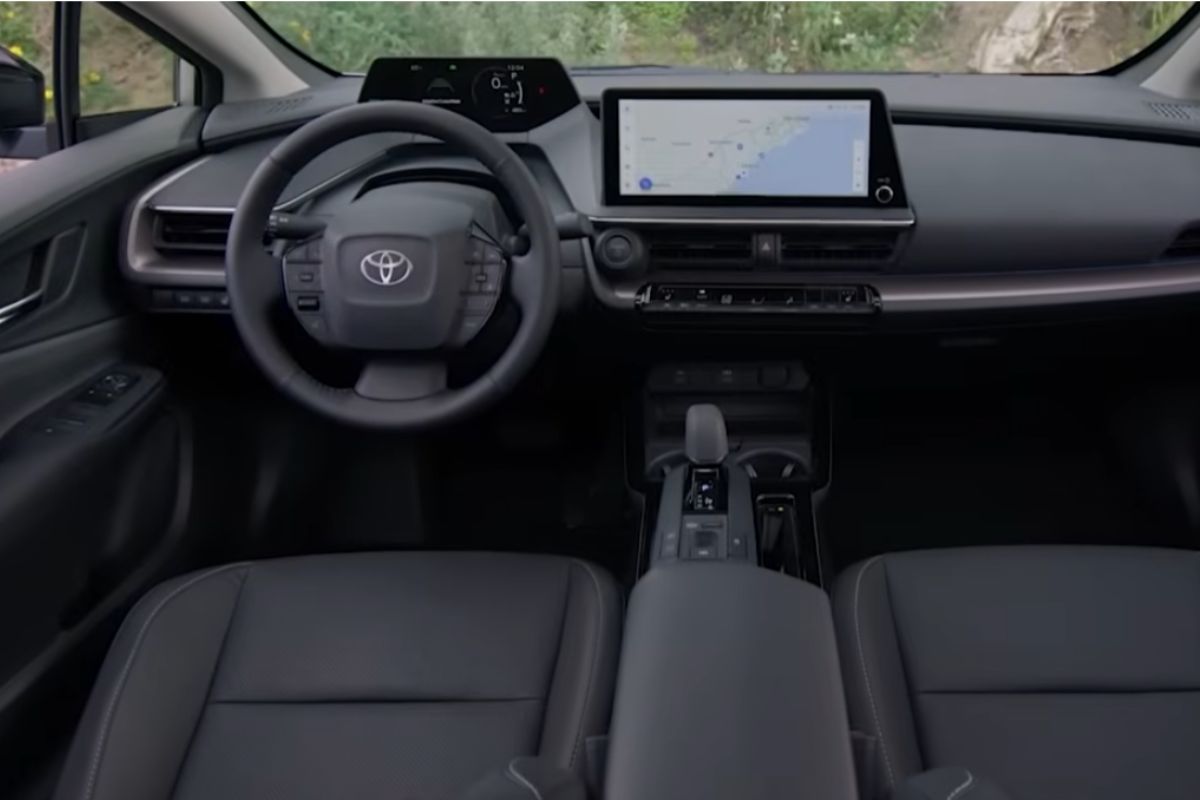


New Toyota Leaves Controversial Past Behind, Bets on Striking Design, Extreme Efficiency, and Advanced Hybrid Technology to Influence the Brand’s Upcoming Releases in Brazil
The new Toyota Prius has undergone a profound transformation and now occupies a strategic role within the brand. From being criticized for its looks, it has evolved into a desirable, technological, and extremely efficient product, serving as the foundation for Toyota’s next steps in electrification.
More than just an isolated model, the new Toyota Prius functions as a true laboratory. It is here that the brand tests mechanical solutions, platforms, and concepts that will appear in future generations of the Corolla, Corolla Cross, and even in a new hybrid pickup.
The new Toyota Prius and Its Historical Role

The Prius carries a relevant historical weight. It was the first mass-produced hybrid car in the world, introduced as a concept in 1995 and commercially launched in 1997. Since then, it has accumulated millions of units sold globally, consolidating hybrid technology as viable for daily use.
-
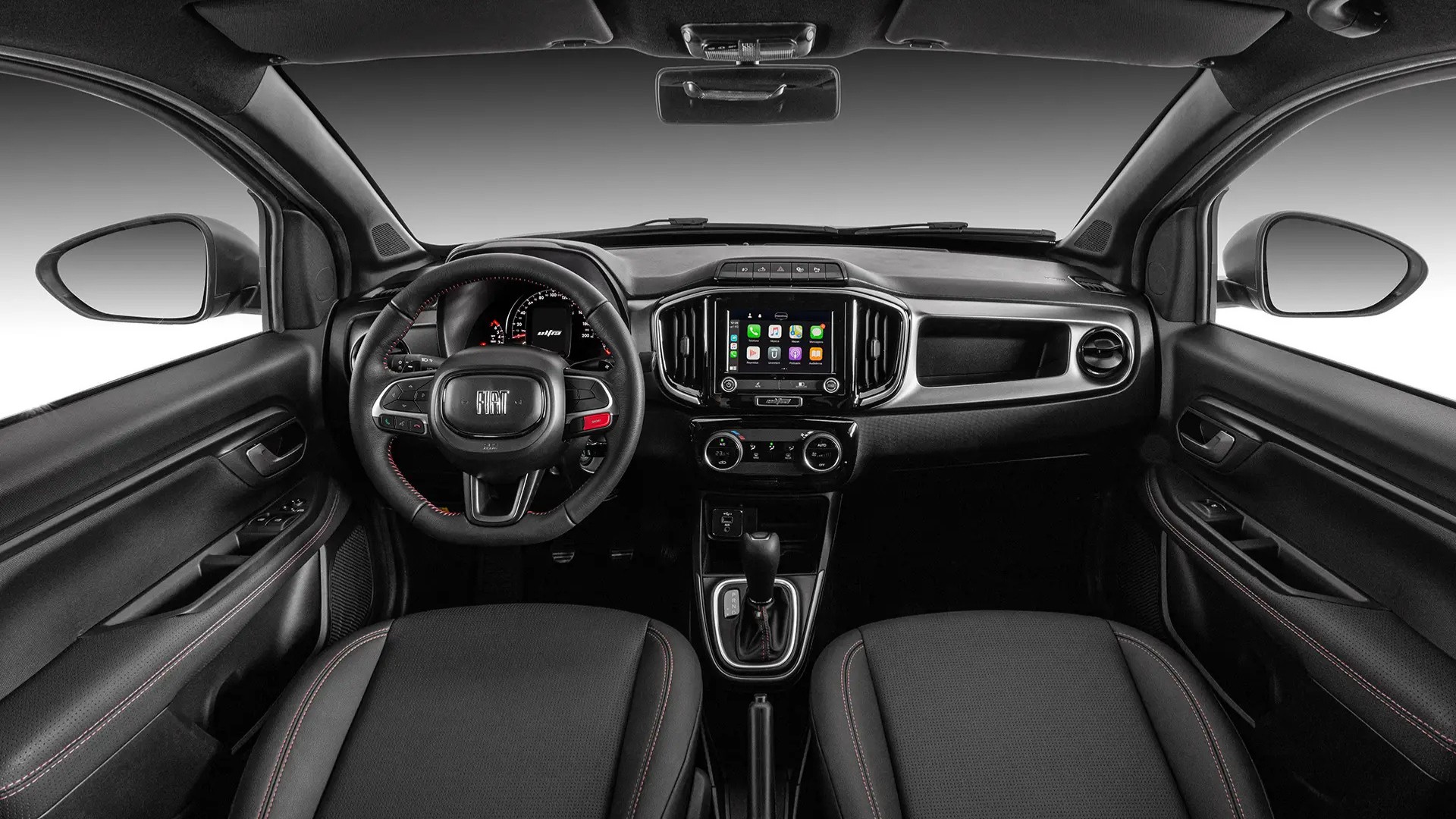
With a 1.3 engine, nearly 700 km of range, and Turbo 200, the Fiat model surpasses Polo, Tera HB20, and Onix, becoming the best-selling car in March; see the numbers for the Fiat Strada and others.
-
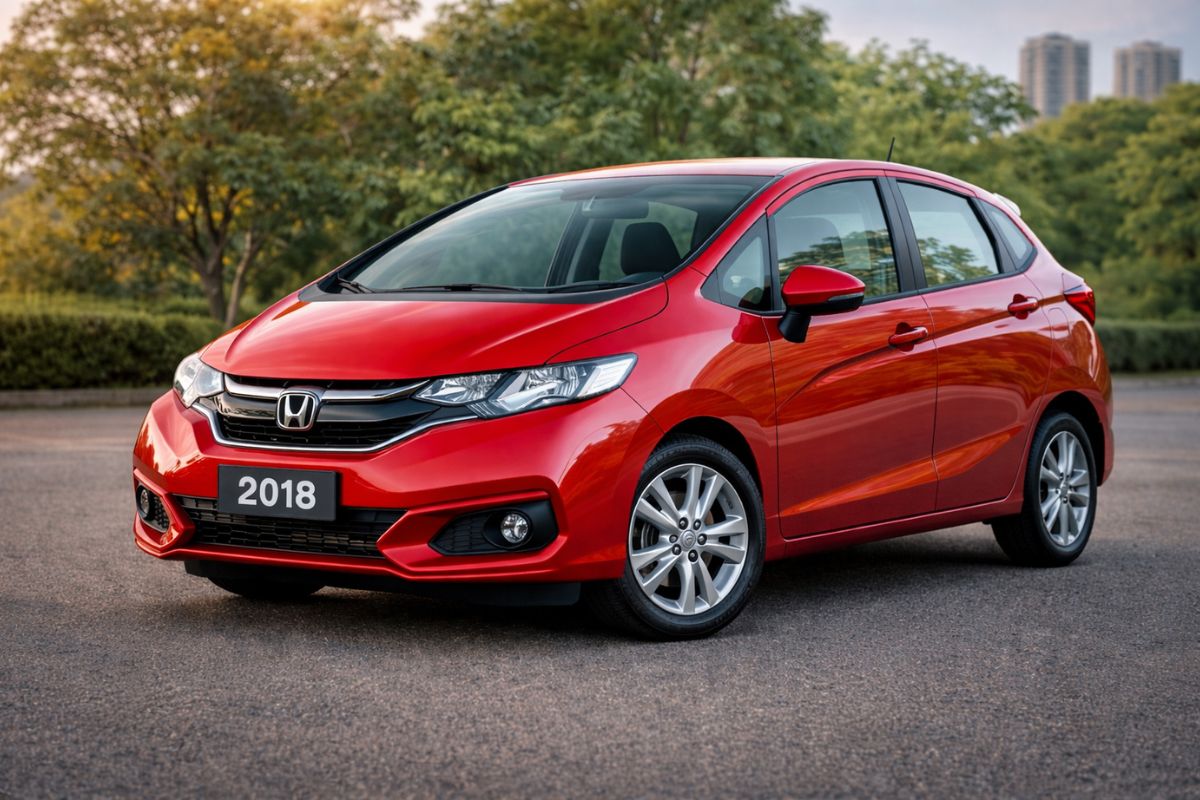
The Honda Fit has been discontinued for years, but the 2018 model is worth more today in the Fipe table than it cost brand new, proving that this used car, valued with a 1.5 i-VTEC engine and Magic Seat, only increases in price.
-
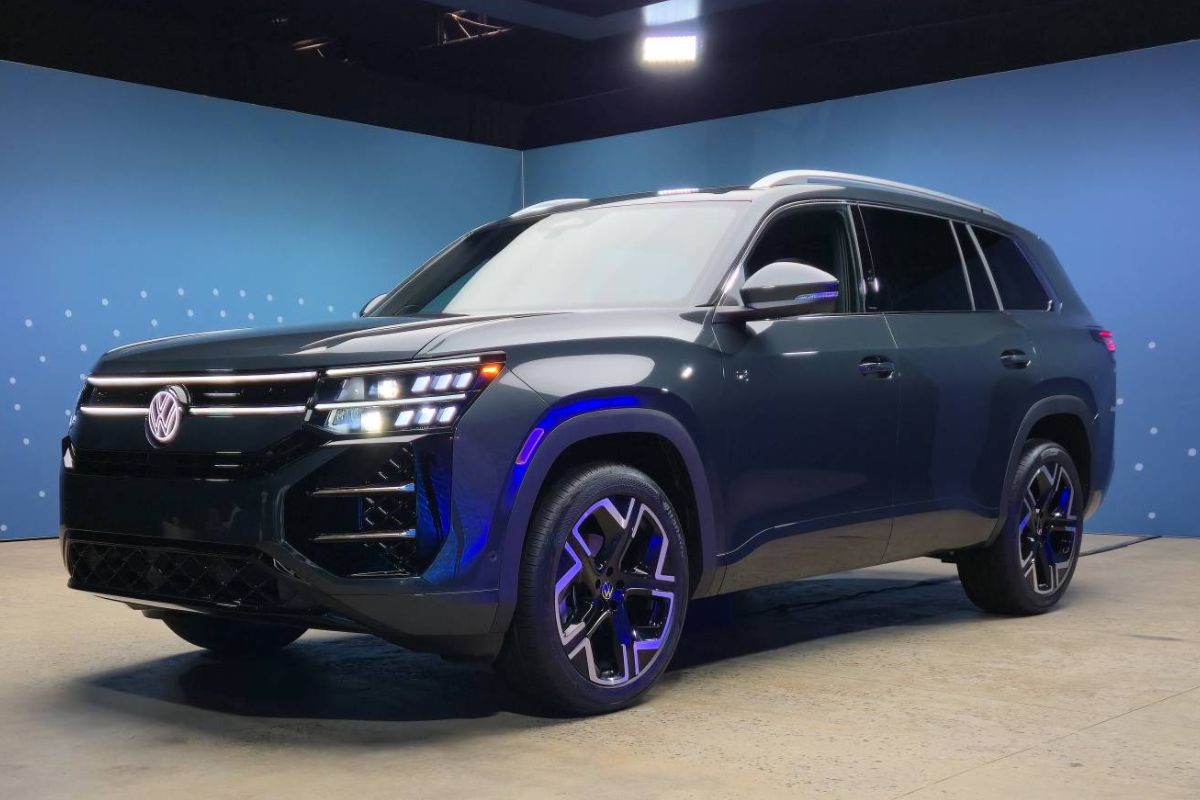
Volkswagen unveiled the 2027 Atlas with a 282-horsepower EA888 turbo engine, a 15-inch screen, massage seats, and a completely new interior to finally elevate the three-row SUV built on the MQB platform to a new level.
-
After decades out of the spotlight, Citroën is preparing to bring back the legendary 2CV as a low-cost electric vehicle, betting on the revival of one of the most popular cars in history and aiming to enter the race for affordable compact cars.

In Brazil, the model arrived in 2013, received a new generation in 2016, and was discontinued in 2021. The fifth generation, launched in 2022, marks a complete turnaround in image and positioning.
Design Is No Longer a Problem
If the visuals were once a source of criticism, they have now become a selling point. The new Toyota Prius has gained a striking front, sharp LED headlights, and sportier lines, while maintaining its identity.
The coupe-style sloping roofline reinforces the dynamic appearance, while the rear retains classic elements of the model, now featuring interconnected taillights and more sophisticated finishing. The visual leap is so significant that the Prius has finally become a subject of taste rather than strangeness.
Space and Comfort at Another Level


The new model has grown. It measures 4.60 meters in length and 2.75 meters in wheelbase, ensuring real comfort for tall passengers in the rear seat. The trunk impresses with a capacity of over 550 liters, reinforcing its family-oriented proposal.
Inside, the finishing has clearly evolved. A rubberized dashboard, LED lighting, a fixed panoramic roof with independent blinds, and ventilated seats elevate the perceived quality. It’s a Prius that finally feels premium.
Embedded Technology and Life On Board
The cabin features a 12.3-inch multimedia center with wireless Apple CarPlay and Android Auto, a digital instrument panel, and an extensive list of driving assistance features.
There are specific criticisms, such as the excessive sound alerts from the sensors and the internal rearview mirror by camera, which requires some adaptation. Still, the technology package clearly shows the direction Toyota wants to take in the coming years.
Consumption Above 30 km/l and Extreme Efficiency

The standout feature continues to be efficiency. The full hybrid version 1.8 delivers 140 horsepower and consumption over 30 km/l in urban use, with high autonomy even in heavy traffic.
In practice, real consumption remains very low, reinforcing the model’s positioning as a benchmark in economy. It’s a car made for large cities, with comfort, silence, and impressive efficiency.
The Laboratory That Shapes Corolla, Corolla Cross, and Pickup
The most strategic point of the new Toyota Prius lies in the plug-in hybrid version with a 2.0 engine. This setup uses the same engine already known from the Corolla and Corolla Cross, now paired with a more powerful and advanced hybrid system.
This architecture will serve as the basis for the next generations of these models in Brazil, adapted for flex technology. Toyota’s future hybrid midsize pickup is also expected to inherit this base, reinforcing the Prius’s role as a key piece in the brand’s development.
Does the Prius Return to Brazil?
Despite all the evolution, the return of the Prius to the Brazilian market is still uncertain. The price positioning, close to or above the hybrid versions of the Corolla and Corolla Cross, may limit its commercial space.
Even so, the role of the Prius is already defined. It doesn’t need to return to be relevant. Its mission now is to pave the technological way for Toyota in Brazil.
What do you think, should the new Toyota Prius return to the Brazilian market or does it make more sense for it to continue as just a laboratory for upcoming releases?






Será que nenhuma montadora irá fechar com a starkink pra oferecer internet em tempo real?
Penso que já deveria ter voltado e nunca ter saído do Brasil. A Toyota falta com o respeito querendo vender apenas Corolla aos brasileiros.
En verdad, la gran mayoría de los autos Toyota son feos, puede que su motor sea bueno, pero estar conduciendo un auto feo por años debe ser traumático, si lo bonito de tener un auto es que tenga bonita línea, que la gente lo admire!, no que te digan que pinche auto más feo tienes.