





 Portuguese
  English
  Spanish
  8 min of reading
  0 comments


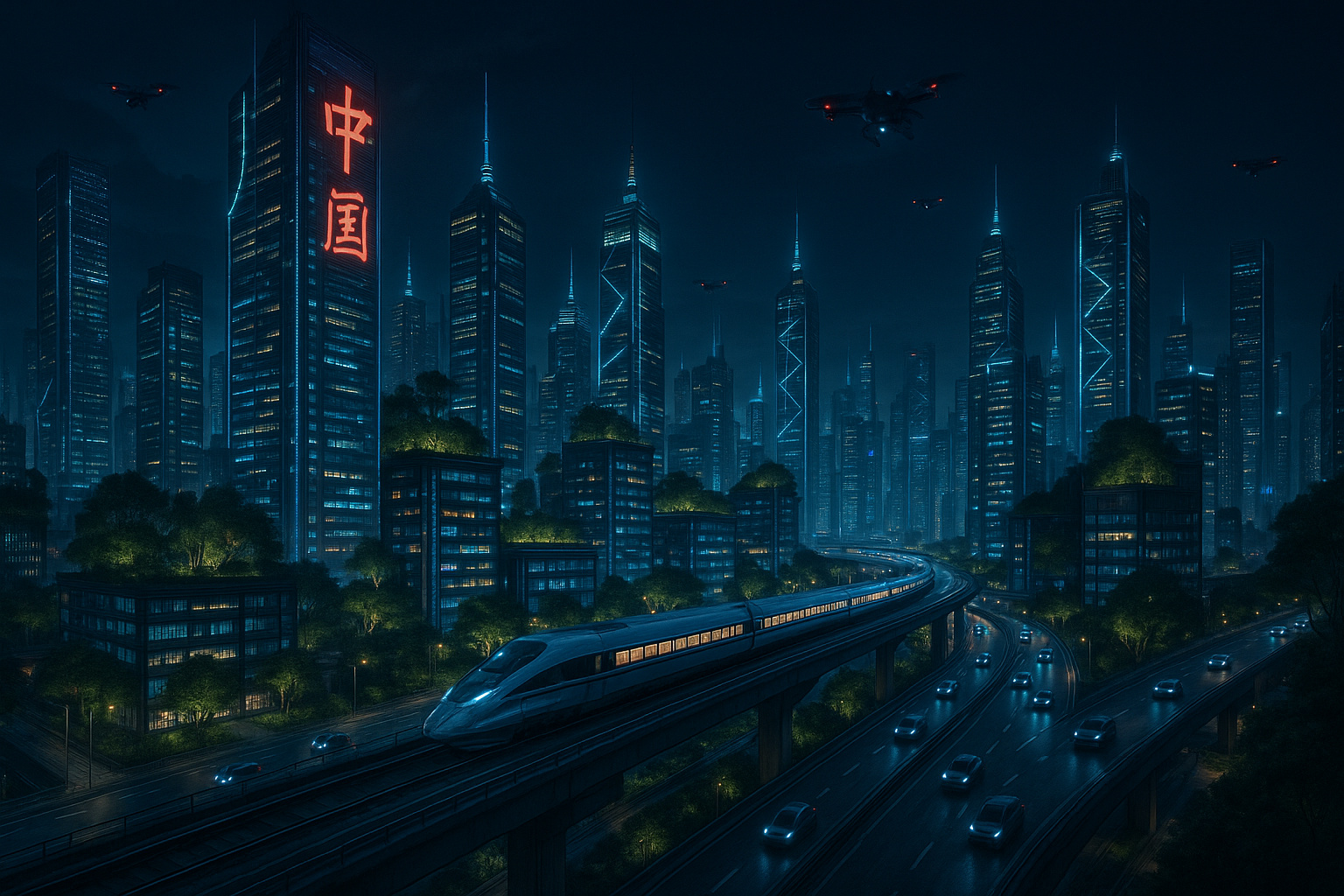
The New Chinese Megalopolises Combine Total Connectivity, Electrified Public Transport, Giant Green Areas, and Advanced Urban Technologies That Integrate AI, Automation, and Renewable Energy to Create Unprecedented Models of Sustainable Development and Quality of Life
The China has established itself as the world’s most impressive example of accelerated urban development and applied technological innovation in everyday life. In just a few decades, the country has transformed from being predominantly agricultural to becoming a powerhouse of smart urbanization, with cities that resemble science fiction settings. According to international portals specializing in urban planning and infrastructure, the pace of transformation is so intense that it redefines what we understand as the future of modern metropolises.
While in the West large modernization projects take years — and often never get off the ground — in China entire neighborhoods emerge in no time, already equipped with artificial intelligence, sustainable infrastructure, autonomous vehicles, and total connectivity. Large investments, strategic vision, and centralized execution have created conditions to build entire cities meticulously planned, integrating innovation, energy efficiency, and quality of life.
Moreover, sustainability has ceased to be a promise and has become a structural goal: solar energy, smart buildings, electric public transport, and vast green belts are part of practically all the megalopolises created in recent years.
-
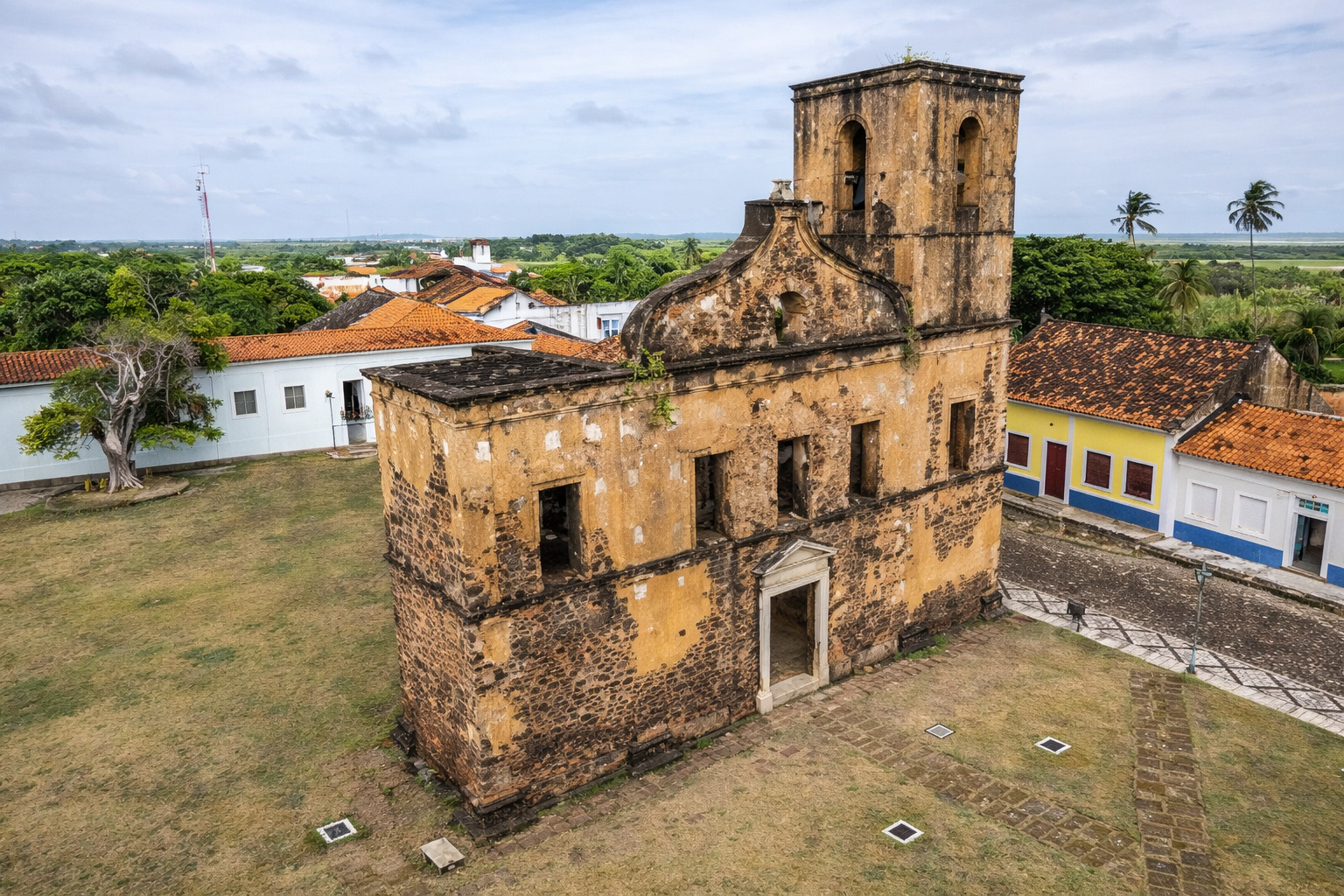
The Brazilian colonial city that stopped in time and shares territory with a rocket launch base.
-
79-year-old woman challenges limits, visits 193 countries in the world after 56 years of planning and reveals the behind-the-scenes of a global journey that few have managed to accomplish.

-
These are the drivers who may stop paying tolls on highways in a project that promises to reduce costs for those who live from transportation in Brazil.

-
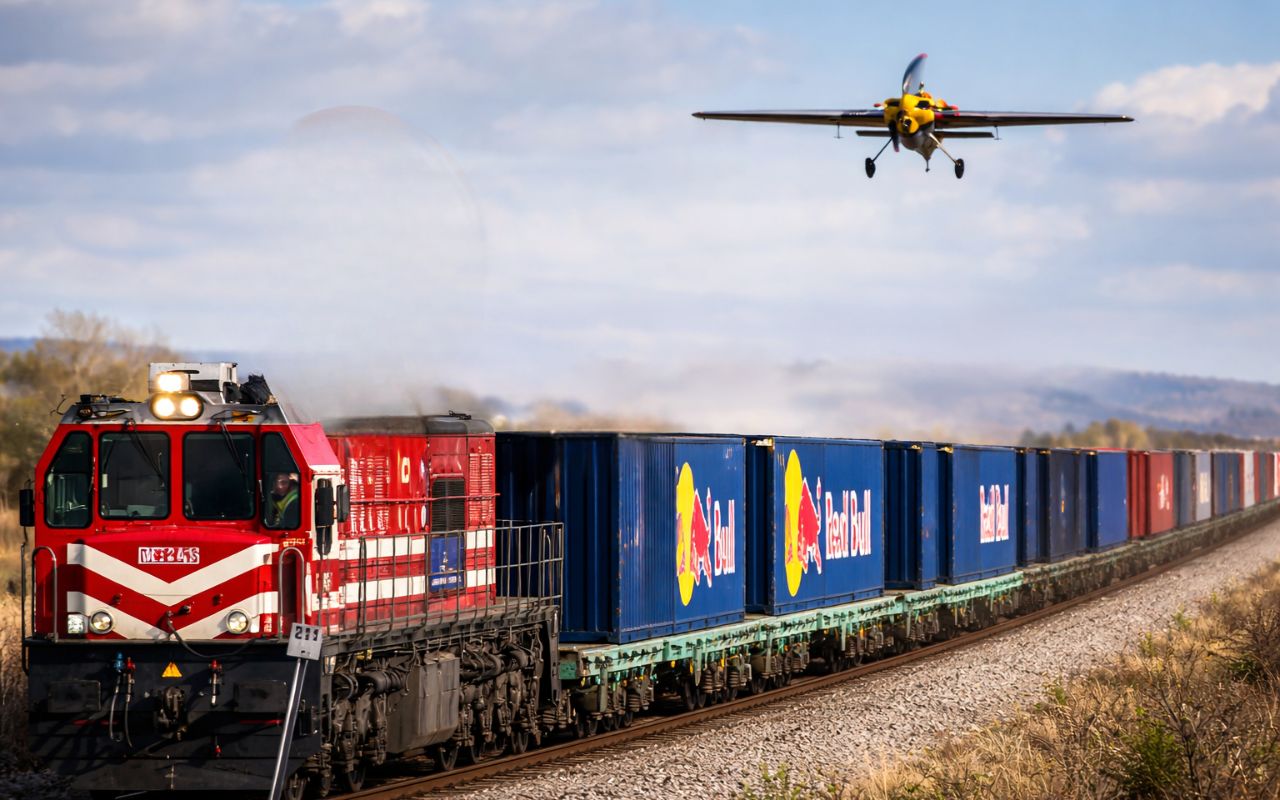
(Video): Italian pilot lands plane on moving train at 120 km/h and achieves unprecedented feat in aviation, even with a narrow runway and without direct visual contact.

Next, discover the 10 Most Futuristic Cities in China and how each one is shaping global urbanism in the 21st century.
Xiongan – The Smart City Built from Scratch
Xiongan is one of the most ambitious urban projects ever undertaken by China. Located in Hebei province, 100 km south of Beijing, the city was announced in 2017 with a singular purpose: to alleviate the population and economic pressure of the Chinese capital and serve as a living laboratory for green technology, urban automation, and advanced planning.
Unlike the metropolises that have grown organically, Xiongan was fully planned from the very first design. Its master plan divides the city into three main areas: an administrative and business district, a high-end residential zone, and a vast ecological area with parks, lakes, and wetlands.
Projects like the Xiongan Citizen Center already showcase the high level of innovation adopted. The city will have autonomous transportation systems, smart electrical grids, and buildings that use AI to regulate energy consumption automatically. Connected by high-speed rail lines, Xiongan will enable residents to live in the model city while working in Beijing or Tianjin, with extremely quick commutes.
Additionally, 70% of its urban area will consist of vegetation. Baiyangdian Lake — the largest freshwater reservoir in northern China — will be revitalized as an environmental lung, enhancing quality of life and regulating the local climate.
Shenzhen – The Chinese Capital of Advanced Technology
If there is a city that symbolizes the Chinese technological revolution, it is Shenzhen. Located in the south, near Hong Kong, it transformed from a fishing village in the 1980s to one of the largest technology hubs on the planet.
Today, Shenzhen is home to giants like Huawei, Tencent, hardware companies, AI research, and robotics, as well as a vibrant startup ecosystem comparable to Silicon Valley. It is also the first and most successful Special Economic Zone in China, established in 1980, whose industrial and technological explosion has completely changed its landscape.
Urban mobility is a global reference: the city operates the largest fleet of electric buses in the world, with over 16,000 vehicles, in addition to thousands of 100% electric taxis. The entire urban system is controlled by smart sensors, facial recognition cameras, and highly integrated digital payments.
Shenzhen also impresses with its futuristic architecture. Skyscrapers like the Ping An Finance Center, one of the tallest in the world, define its skyline gleaming with modernity. Districts like Nanshan concentrate startups, laboratories, innovation hubs, and research centers used to test emerging technologies.
Hangzhou – The Technological Brain of Chinese E-Commerce
Capital of Zhejiang province, Hangzhou is considered the most advanced smart city in the country in the e-commerce and digital infrastructure sector. It is where the giant Alibaba was born, responsible for completely transforming the dynamics of global retail — and, of course, the city itself.
The major local technological landmark is the Alipay City Brain, an artificial intelligence system capable of monitoring traffic, adjusting traffic lights in real-time, coordinating energy usage, managing emergencies, and accurately predicting congestion. This information has been highlighted by international reports that showcase Hangzhou as a global benchmark in urban AI usage.
Furthermore, the city combines financial innovation, a vibrant technology ecosystem, and a robust network of smart transport composed of electric buses, subways, high-speed trains, and systems that integrate bicycles, taxis, and private vehicles into a single application.
Hangzhou is also aggressively investing in sustainability, with efficient buildings, solar energy, and green areas that seamlessly blend into the urban environment.
Shanghai – The Most Futuristic Metropolis in Asia
Shanghai is, without exaggeration, one of the most futuristic cities on the planet. Located on the eastern coast of China, it combines finance, technology, advanced mobility, and iconic architecture on a level that few cities can achieve. With over 24 million inhabitants and the highest urban GDP in the country, Shanghai operates as the Chinese economic heart.
The Pudong district is the ultimate symbol of this advancement. There are some of the tallest skyscrapers in the world, such as the Shanghai Tower, Jin Mao Tower, and Shanghai World Financial Center, all designed with cutting-edge technology, energy-saving systems, and total connectivity with the rest of the city.
The mobility infrastructure of Shanghai impresses with the busiest subway system in the world, a network that grows year after year and integrates regions that were previously separated by great distances. Additionally, the city is among the pioneers in autonomous vehicles, urban drones, and fully operational 5G networks.
Shanghai is also a reference in the application of big data for public management. Smart urban systems monitor traffic, organize public transport, and help optimize health and security services. The city is also at the forefront in implementing blockchain and fully digital payment systems, almost eliminating the use of cash.
Beijing – The Capital That Unites Tradition and High Technology
Beijing, the capital of China, combines centuries of history with one of the largest technological investments in the country. With over 21 million inhabitants, the city has transformed into a global hub of artificial intelligence, urban automation, and scientific research.
The major highlight is Zhongguancun, known as the “Chinese Silicon Valley.” Here are giants like Lenovo, Baidu, and Xiaomi, as well as hundreds of startups focused on AI, Big Data, and robotics. According to international outlets, the district houses laboratories developing solutions that are later implemented in other cities across the country.
Beijing also operates a large fleet of electric buses and taxis, in addition to having one of the most complex subway networks in the world. In 2021, it became the first city in the world to adopt 5G across all public transport, transforming mobility.
The use of facial recognition for urban monitoring, automated traffic control systems, and digital platforms for public service management make Beijing one of the smartest cities today.
Suzhou – The Model City of Chinese Smart Cities
Suzhou, located in Jiangsu province, blends historical gardens with cutting-edge technology. Although famous for its cultural heritage, it has become one of the most important innovation hubs in the country.
The Suzhou Industrial Park is one of the largest technology parks in China. There, biotechnology, nanotechnology, automation, robotics, and renewable energy companies develop advanced solutions in partnership with international universities and research centers.
The city operates an intelligent transport system based on real-time data capable of optimizing routes, reducing congestion, and integrating electric buses, subways, and testing autonomous vehicles. Additionally, Suzhou maintains one of the largest environmental investments in the country, with vast green areas, conservation zones, and sustainable buildings.
Tianjin – The Technological Power on the Yellow Sea
Tianjin is one of the most strategic cities in China. Located in the northeast, it houses one of the largest ports in the country and has a long history of geopolitical importance. Today, it is regarded as a reference in urban innovation and advanced logistics.
The city is home to the National Supercomputing Center, where the Tianhe-1A, one of the most powerful supercomputers in the world, is located. It also has futuristic districts like Binhai, a modern area with skyscrapers, research centers, and global technology companies.
Another highlight is its unique architecture: the city preserves historical neighborhoods, such as the Italian district inherited from the colonial era, while constructing massive bridges and futuristic avenues that connect the entire metropolitan region.
Guangzhou – The Powerhouse of Global Trade and Electric Mobility
Guangzhou is one of the largest economic centers in China and a benchmark for smart urban mobility. Thanks to its strategic location in the Pearl River Delta, it has become a gigantic hub for international trade.
The city not only hosts the Port of Guangzhou, one of the largest in the world, but is also a leader in the digital economy, blockchain, e-commerce, and Big Data solutions.
Guangzhou is one of the top investors in automated transport: its subway operates completely autonomous lines, self-driving vehicles circulate in controlled zones, and electric bikes are widely integrated into public transport via applications.
Projects like the Pearl River New Town demonstrate its commitment to clean energy, sustainability, and low-carbon urban design, integrating vertical gardens, modern buildings, and green corridors.
Chengdu – The Capital of Creative Innovation and Urban Sustainability
Chengdu, in Sichuan province, merges cultural tradition with cutting-edge technology. Known for its distinctive cuisine and giant pandas, it has become one of the leading innovation hubs in the country.
The major urban highlight is the Tianfu Greenway, an immense network of parks, bike paths, and interconnected sustainable spaces. The city heavily invests in green technology, environmental control, and ecological urban projects.
Additionally, Chengdu is a leader in artificial intelligence and research in smart cities. Its laboratories develop solutions applied to health, mobility, and public safety. Autonomous vehicles are already in advanced testing phases in the city, integrating with electric public transport.
Chongqing – The Megacity That Combines Innovation, Logistics, and Extreme Geography
Chongqing is one of the largest megacities in the world, with over 30 million inhabitants and a topography considered unique among major urban centers. Built amidst mountains, rivers, and deep valleys, it has become a symbol of how Chinese engineering breaks natural barriers.
The city has heavily invested in autonomous vehicles, logistics drones, intelligent systems for cargo distribution, and planned neighborhoods with renewable energy and eco-friendly buildings.
Chongqing also plays a strategic role in national transport and logistics chains, with railway terminals integrating routes of the New Silk Road and a gigantic infrastructure geared toward heavy industry, automation, and emerging technologies.








-

Uma pessoa reagiu a isso.