





 Portuguese
  English
  Spanish
  3 min of reading
  0 comments


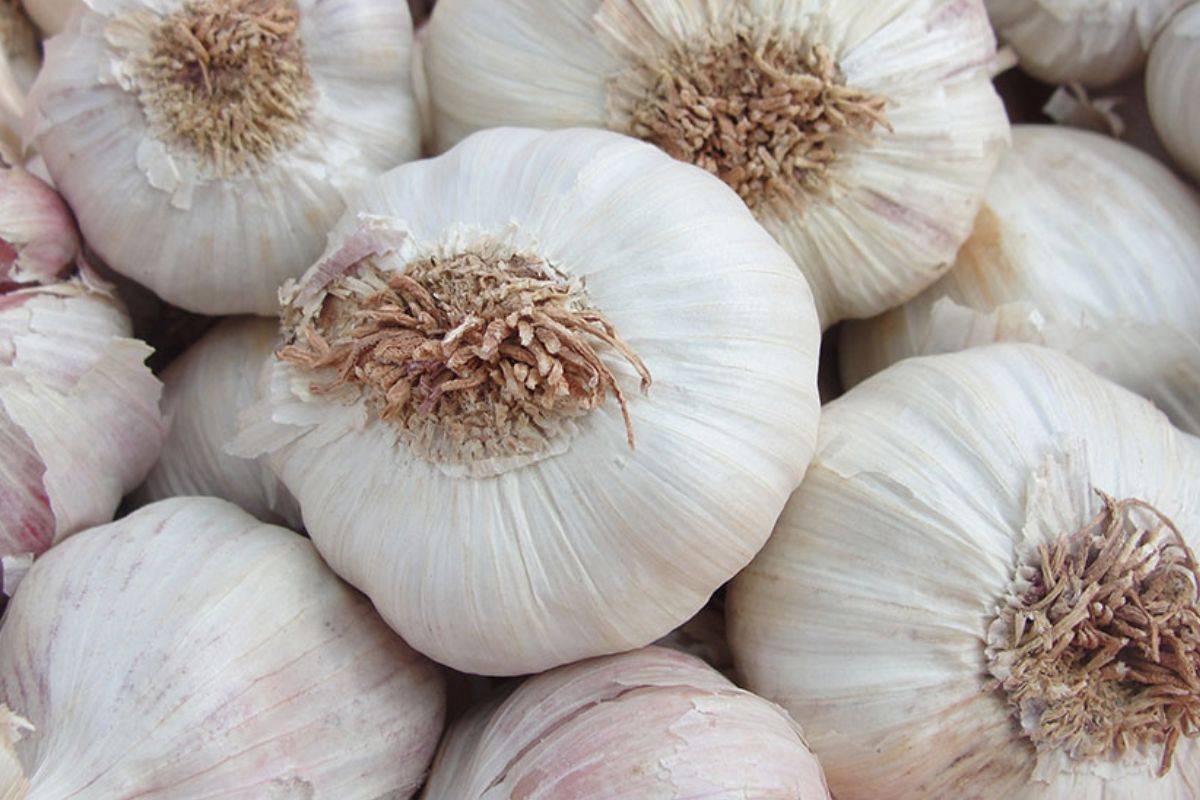
Agricultural Zoning Defines Technical Guidelines for Garlic Production in Brazil, with a Focus on Climate, Planting, Altitude, Irrigation, and Vernalization, Enhancing Safety for the Producer
The production of garlic in Brazil gains new direction with the official publication of specific agricultural zoning for this vegetable, bringing structured information about climate risks, planting windows, and appropriate conditions for premium cultivars, according to an article published.
The tool, released by the Ministry of Agriculture and Livestock (Mapa) in the Official Gazette on November 25, 2025, brings together climate, soil, and management data developed by researchers from Embrapa Hortaliças in partnership with institutions and producer associations.
The document guides both farmers and financial agents and insurers, defining the safest periods for establishing crops in tropical and subtropical regions.
-
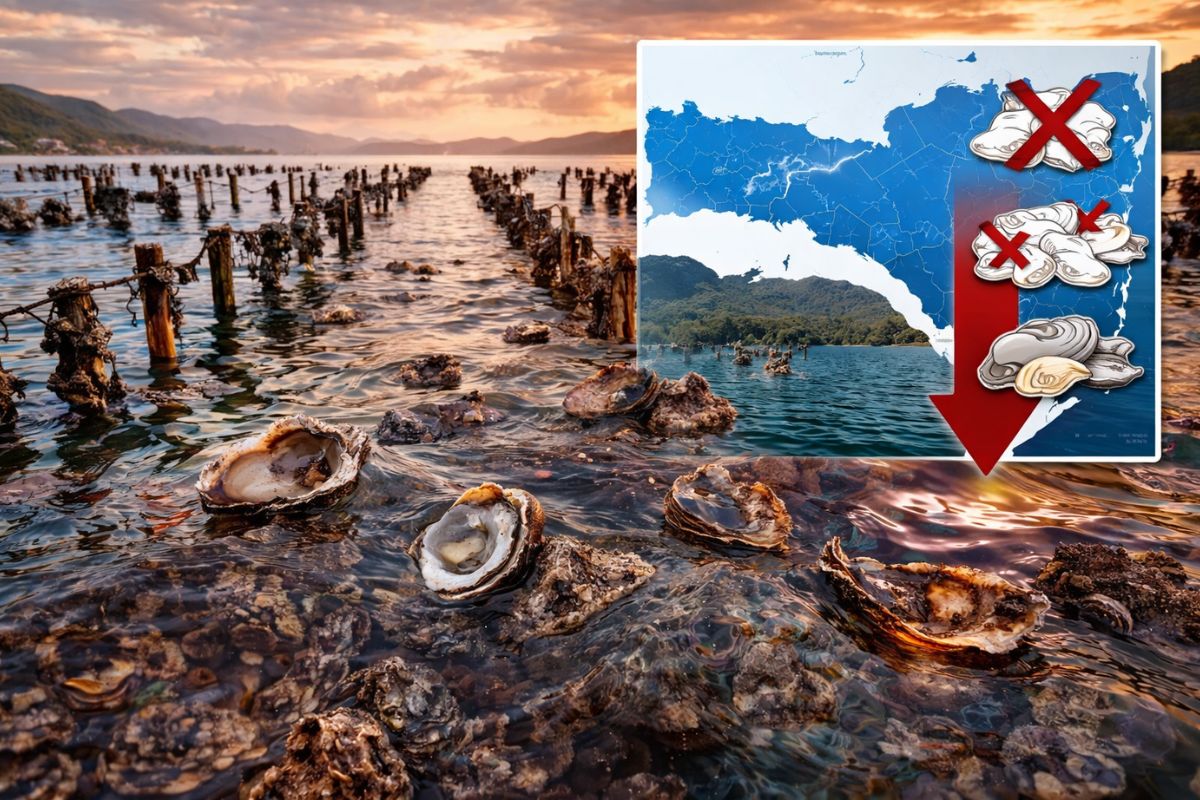
The sea water temperature rose from 28 to 34 degrees in Santa Catarina and killed up to 90% of the oysters: producers who planted over 1 million seeds lost practically everything and say that if it happens again, production is doomed to end.
-
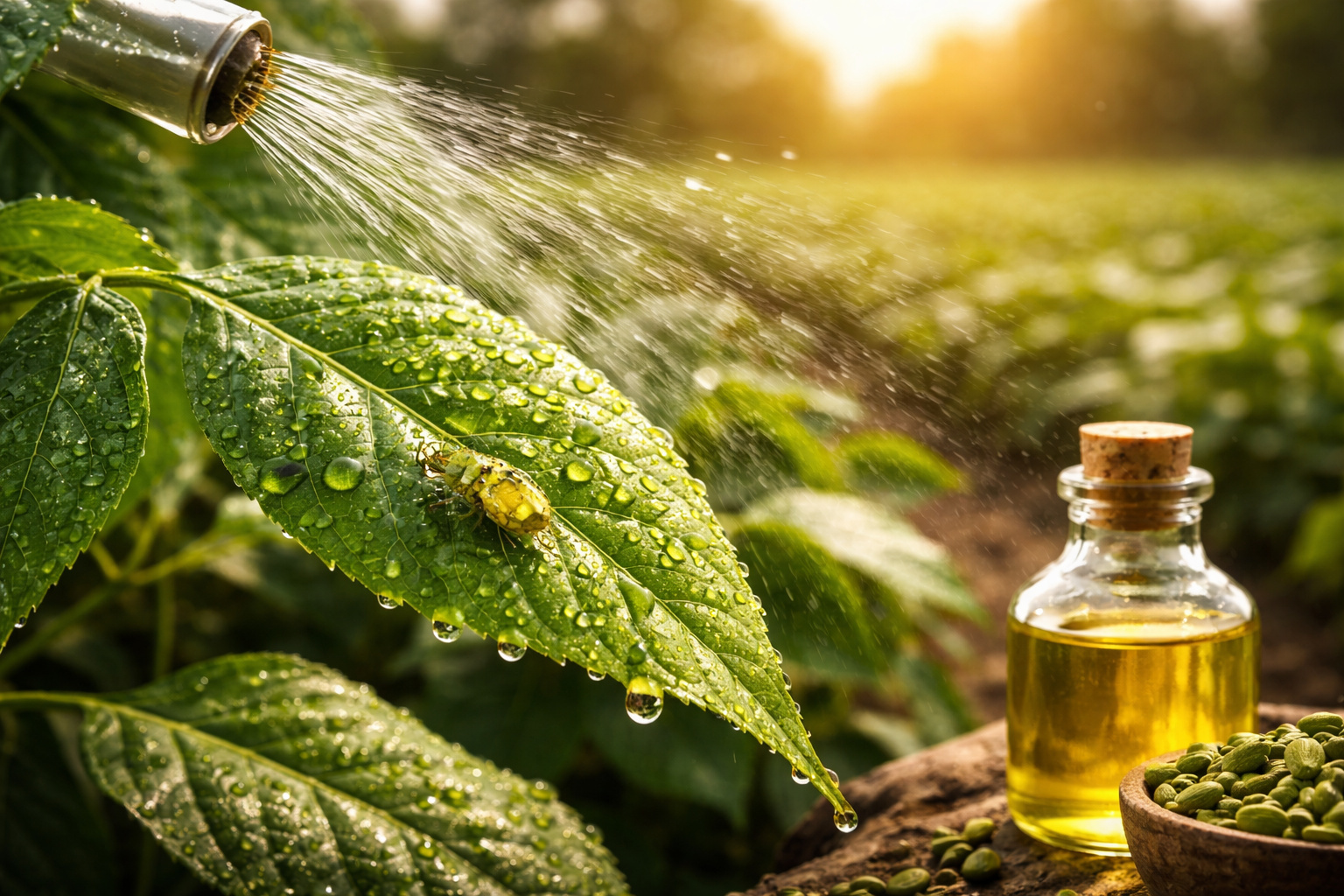
An Indian tree that grows in the Brazilian Northeast produces an oil capable of acting against more than 200 species of pests and interrupting the insect cycle, gaining ground as a natural alternative in soybean, cotton, and vegetable crops.
-
The rise in oil prices in the Middle East is already affecting Brazilian sugar: mills in the Central-South are seeing their margins shrink just as ethanol gains strength.

-
Rain gains strength in April, potentially exceeding 150 mm, placing the North, Northeast, and the coasts of the South and Southeast at the center of the heaviest forecast of the week.

As a result, producers have access to technical instructions that help reduce losses and organize the planning of the production cycle in different Brazilian states.
Agricultural Zoning of Climate Risk for Garlic Guides Regions and Crops
The zoning establishes groups of cultivars aimed at tropical and subtropical systems, considering cycle duration and sensitivity to climate and photoperiod.
Analyses indicate that bulbs with higher commercial value depend on average temperatures between 13°C and 18°C and days with more than 13 hours of light.
In regions where these conditions are not met, the risk of only vegetative growth increases, making it essential to follow the official recommendations present in the ordinances available on the Zarc program page.
The subdivision between tropical and subtropical environments allows for the assessment of differences in management, planting windows, and necessary altitude to ensure proper plant development.
Garlic Production in Brazil and Best Times to Plant Noble Garlic
The guidelines highlight critical temperature ranges: between 18°C and 20°C at the start of the cycle, 10°C to 15°C during vegetation and bulb formation, and up to 25°C during the maturation period.
Altitude also plays a role in the set of analyzed factors, with values recommended above 600 meters in subtropical regions and over 750 meters in tropical areas.
These requirements signal to the producer the most appropriate time for planting, avoiding losses associated with excessive heat or low light in critical phases of the crop.
By following the indicated periods, the crop tends to achieve greater regularity in development.
Ideal Climatic Conditions for Garlic Cultivation Shape Management Strategies
Premium garlic, originating from cold regions in Asia, shows a strong dependence on photoperiod and accumulation of chilling hours.
Therefore, its adaptation to the Brazilian climate requires technical adjustments to ensure productivity and commercial quality.
The recommendations show how the variation between tropical and subtropical temperatures influences crop performance, requiring practices that compensate for environmental limitations.
Thus, zoning acts as a reference to balance decisions between climate risk and agronomic viability.
The vernalization of seed garlic before planting is presented as an essential procedure for tropical regions and widely adopted for safety in subtropical areas.
The treatment uses cold chambers between 3°C and 5°C, or negative ranges of -1°C to -3°C, with humidity between 65% and 70%.
This practice has expanded cultivation areas, allowing the inclusion of states like Paraná, Mato Grosso do Sul, São Paulo, Minas Gerais, Goiás, and altitude regions in Bahia.
The relevance of this process is directly related to the adjustment of the productive cycle and the good performance of garlic production in Brazil in areas previously considered unsuitable.
Proper irrigation is another crucial point, as the crop requires 400 to 850 millimeters of water throughout the cycle, resulting in consumption between 300 and 1,000 liters per kilogram produced.
With a shallow root system, excess or lack of water directly affects bulb quality.
Zoning reinforces that poorly drained soils compromise development, which is why it recommends sprinkler systems in all regions to ensure consistency in garlic production in Brazil, which is further strengthened by the agricultural zoning published to guide the sustainable advancement of the sector.






-

-

2 pessoas reagiram a isso.