





 Portuguese
  English
  Spanish
  3 min of reading
  1 comment


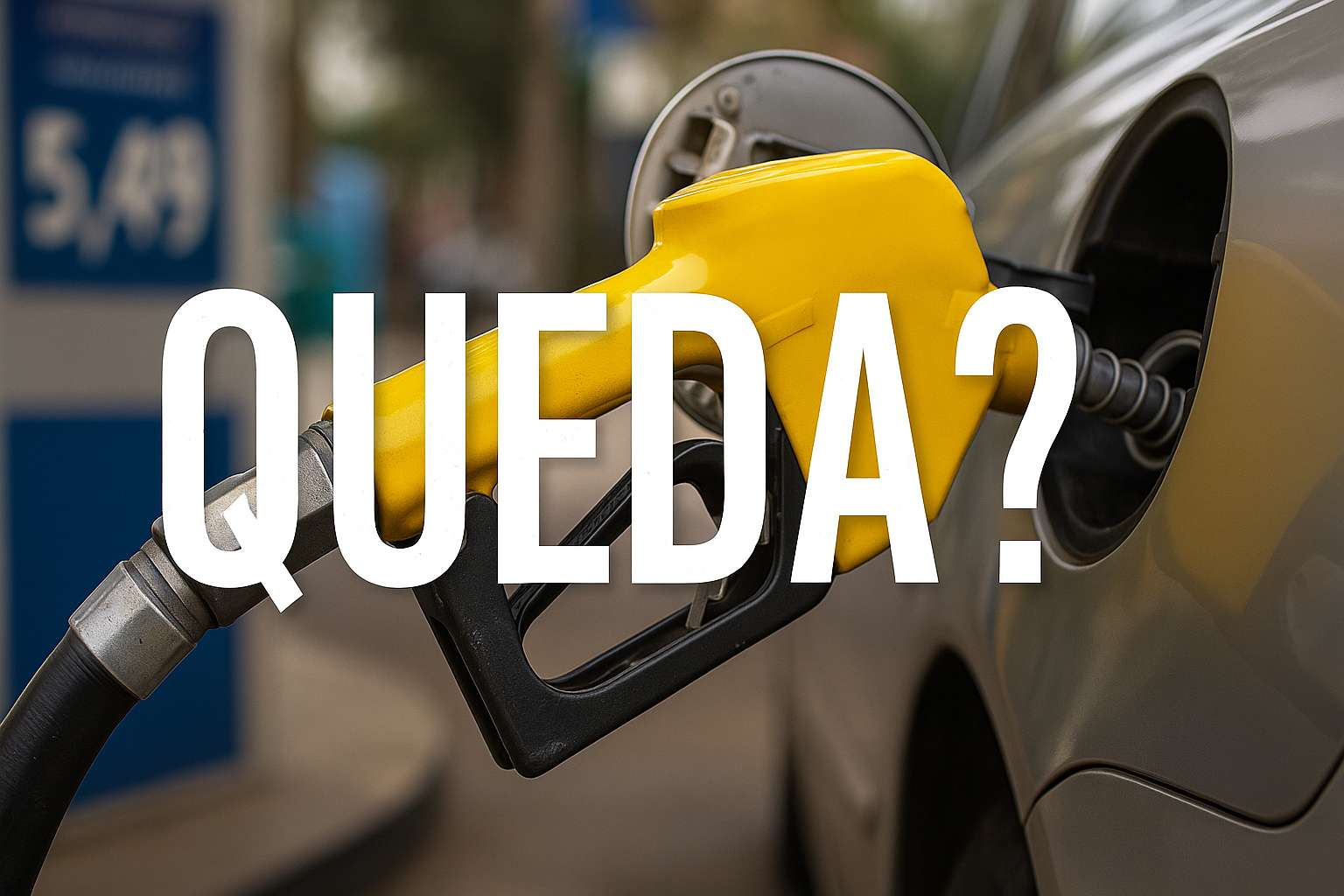

Surprise at the Pumps! Petrobras Announces New Drop in Gasoline Prices and Promises Real Savings for Brazilians.
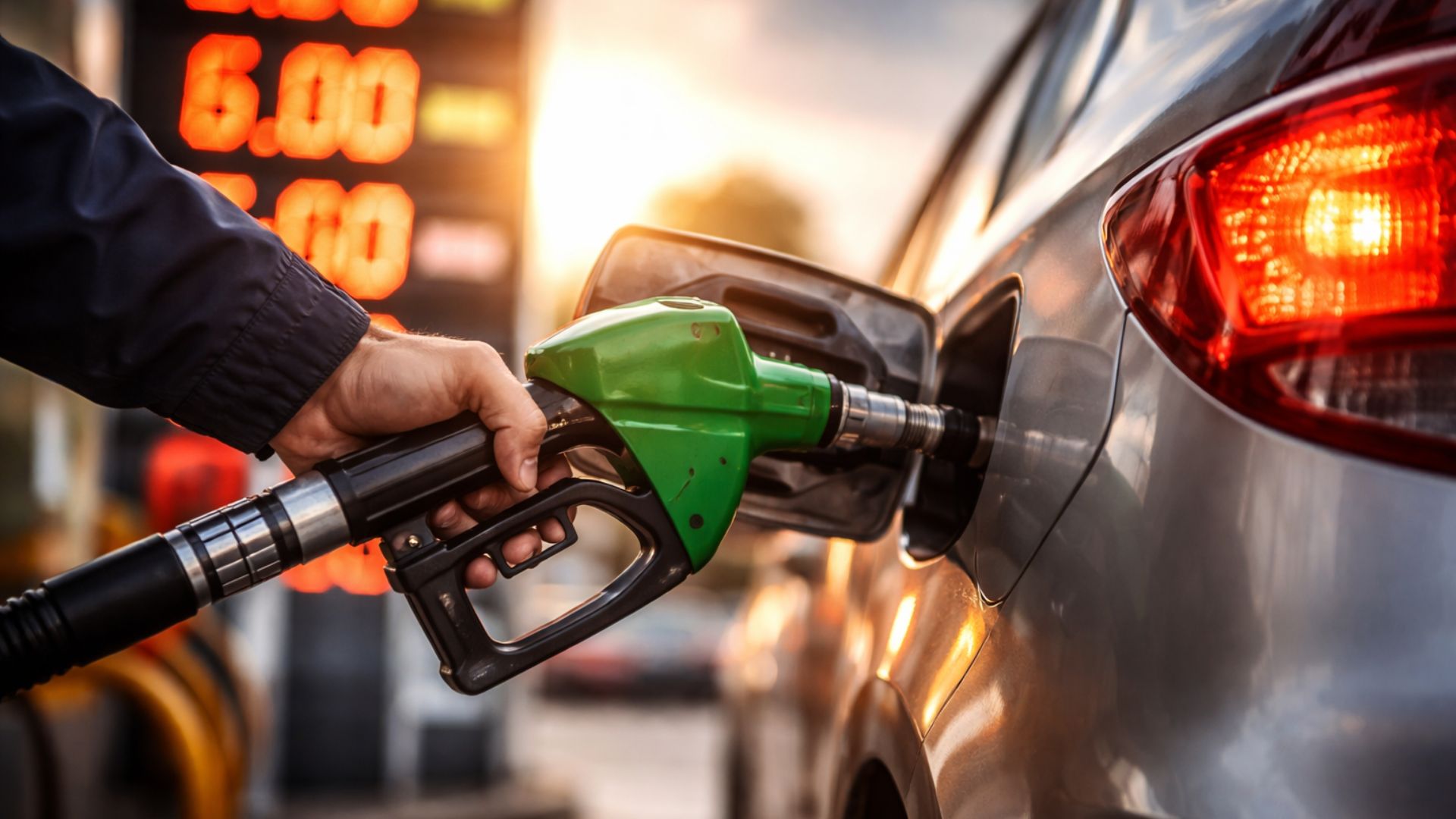
The price of fuels in Brazil has fallen again. Petrobras announced a new reduction in the price of gasoline sold to distributors, starting this Tuesday (21).
The price per liter will drop from R$ 2.85 to R$ 2.71, which represents a drop of R$ 0.14, or 4.9%. The measure aims to alleviate the impact of energy and transportation costs on consumers.
With the new reduction, the price of fuels has accumulated a 10.3% decrease in 2025, reinforcing the retreat movement that started at the end of 2024. According to the state-owned company, the goal is to maintain a balance between competitiveness and cost-effectiveness for the domestic market.
-
3 times more ethanol per hectare can be produced with Eike Batista’s supercane amid rising gasoline prices — how can this technology change fuel prices in Brazil?
-
Former president of IBP highlights that dependence on diesel imports pressures prices in Brazil, increases vulnerability to global crises, and underscores the need for more robust and sustainable energy policies.
-
Middle East War Drives Up Oil Prices, And Petrobras Increases Diesel: Fuel Reaches R$ 3.65 Per Liter At Distributors
-
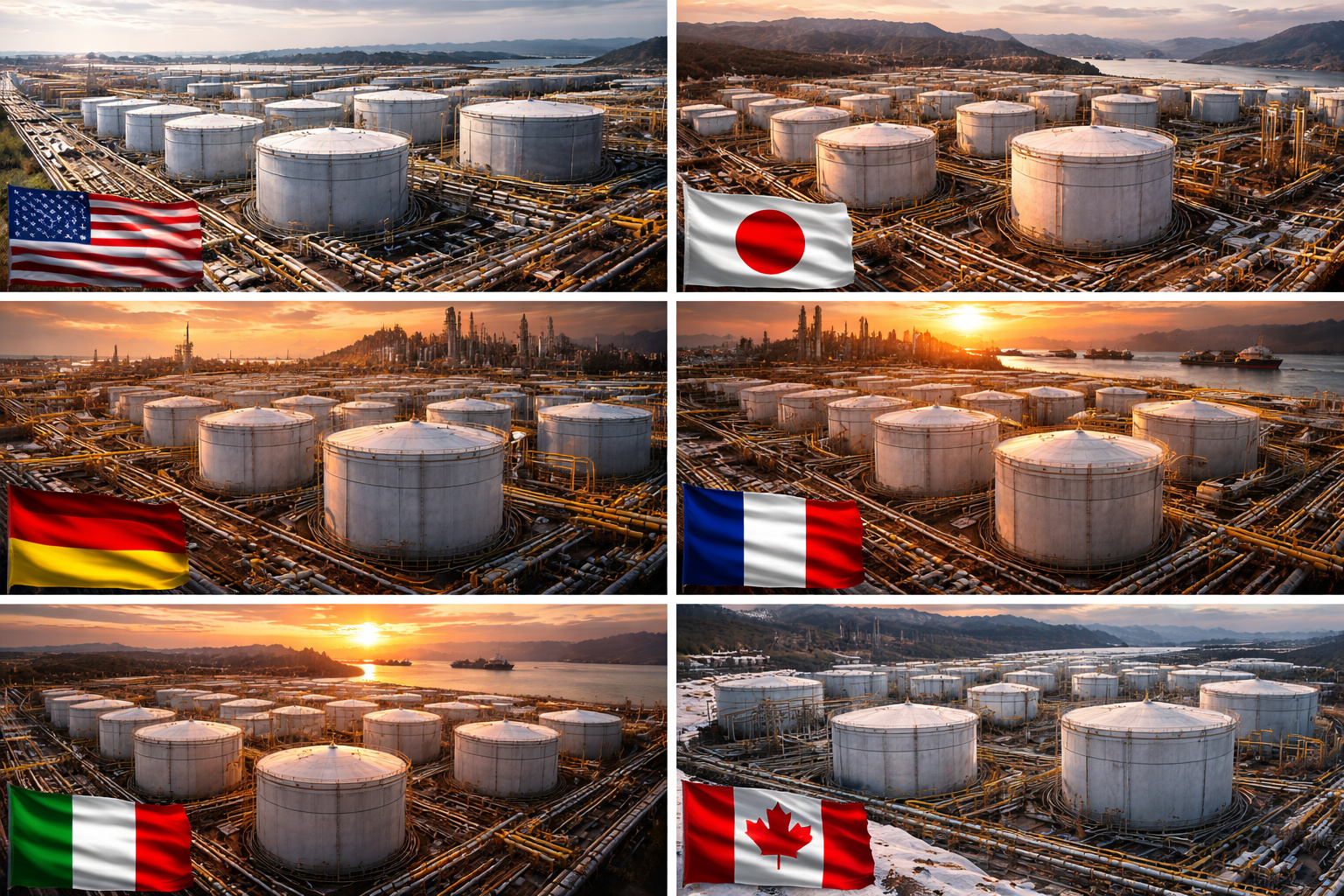
Oil Soars to Nearly $120, Middle East Tensions Shake Global Market, and a Little-Known Detail Returns to Energy Debate: The Gigantic Strategic Reserves Hidden by G7 Countries — See How Many Millions of Barrels Each Nation Holds in Reserve to Face a Global Crisis

Gasoline Price Drop Is the Second of the Year
This is the second reduction in gasoline prices in 2025. In total, the price per liter has already dropped R$ 0.31, a direct reflection of the more stable pricing policy adopted by Petrobras.
Since December 2022, the price of fuel sold by the state-owned company has accumulated a reduction of R$ 0.36, which, considering the inflation during the period, represents a real decrease of 22.4%.
The movement reinforces the company’s strategy to follow the international oil scenario but with greater flexibility regarding market fluctuations. According to the company, this policy allows for more efficient and predictable adjustments without compromising the financial sustainability of the state-owned company.
Diesel Remains Stable but Accumulates Strong Drop
While gasoline has a new cut, diesel will not undergo changes at this time. However, the price of the fuel has accumulated a significant drop since 2022, especially after three reductions made in 2025.
According to data from Petrobras, diesel has already shown an accumulated reduction of 35.9% when adjusted for inflation, reflecting an important relief for cargo transportation and agribusiness. This stability helps to contain logistical costs and favors the cost-effectiveness of the entire production chain.
Will Consumers Feel the Difference at the Pumps?
The question that interests drivers the most is: Will prices drop at gas stations? The answer, however, depends on several factors.
Although the reduction announced by Petrobras has a direct impact on the cost of the product at distributors, the final price at the pumps is also influenced by taxes, profit margins, and transportation costs.
In other words, the decision to pass on — or not — the reduction to the consumer rests with the gas station owners. Even so, analysts believe that the trend is for a gradual decrease in the amounts paid by Brazilians in the coming days, especially in regions with higher competition.
Petrobras Aims to Balance Market and Cost-Effectiveness
Petrobras has been adopting a more strategic approach to price formation, seeking a balance between profitability and cost-effectiveness. The state-owned company attempts to distance itself from international volatility and align its policy with internal interests without losing competitiveness.
In a statement, the company emphasized that “price revisions follow technical criteria, respecting market conditions and ensuring predictability for the Brazilian consumer.”
This approach has been well received by some experts, who see the drop in the price of fuels as a potential stimulus for the economy, reducing transportation costs and helping to curb inflation.
Relief for Consumers and Impact on the Economy
With cheaper gasoline, the cost of living is likely to ease, especially for those who depend on cars in their daily lives. Additionally, the transport of basic products, such as food and medicines, also benefits from the reduction.
On the other hand, Petrobras faces the challenge of maintaining sustainable margins amid political pressure and international fluctuations in oil prices. Nonetheless, the company emphasizes that its commitment is to balance and cost-effectiveness for society as a whole.
In summary, the announcement represents another step in the attempt to stabilize the price of fuels in Brazil, offering real relief for drivers and signaling a new cycle of competitiveness in the national energy sector.








Your blog is a true hidden gem on the internet. Your thoughtful analysis and in-depth commentary set you apart from the crowd. Keep up the excellent work!