





 Portuguese
  English
  Spanish
  2 min of reading
  0 comments


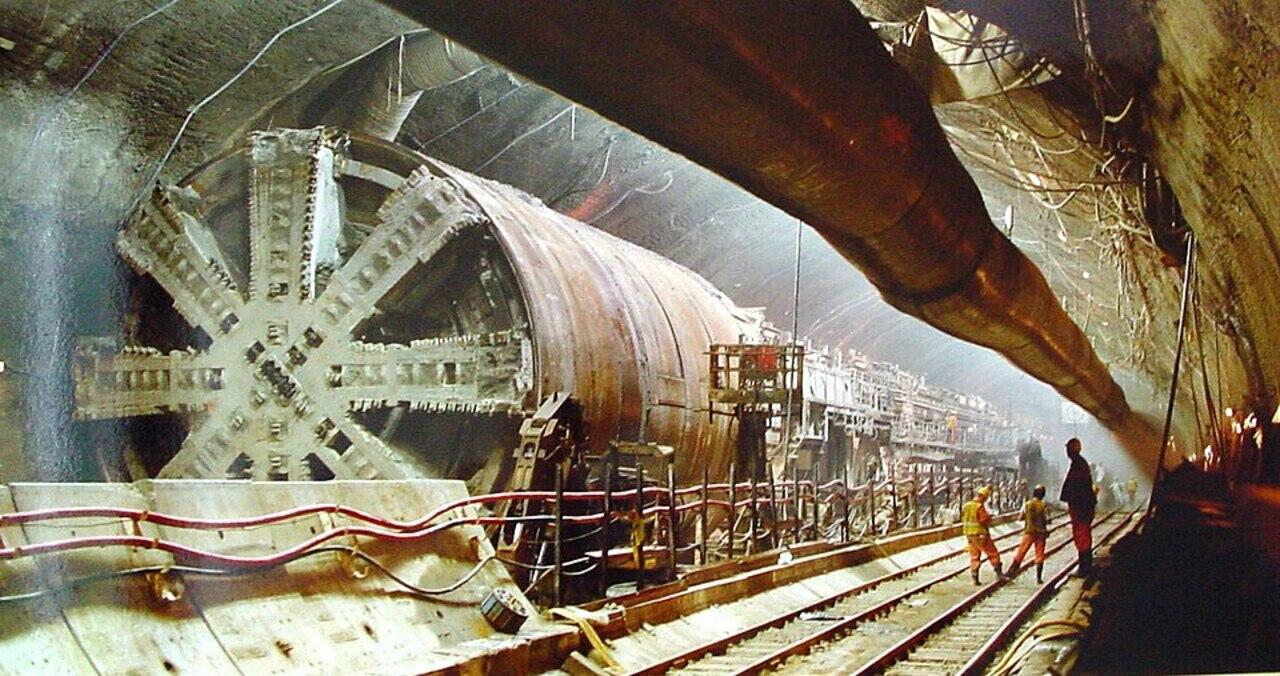
Underwater Tunnels Are Transforming Global Transportation With Giant Infrastructure That Crosses Seas, Connects Islands, and Challenges The Limits Of Modern Engineering
Underground Works that cross oceans, bays, and straits are changing transportation in various parts of the planet. Underwater tunnels have shortened distances, facilitated movement, and demonstrated the power of engineering to overcome natural barriers.
In Japan, there is the longest underwater railway tunnel in the world: the Seikan Tunnel. It is 53.85 km long and connects Honshu to Hokkaido.
The project emerged after a maritime accident in 1954 and is now essential for cargo transportation in the country.
-
Created by George Lucas with over $1 billion, a futuristic museum in the shape of a spaceship with 1,500 curved panels is about to open in Los Angeles and will house one of the largest private collections of narrative art in the world.

-
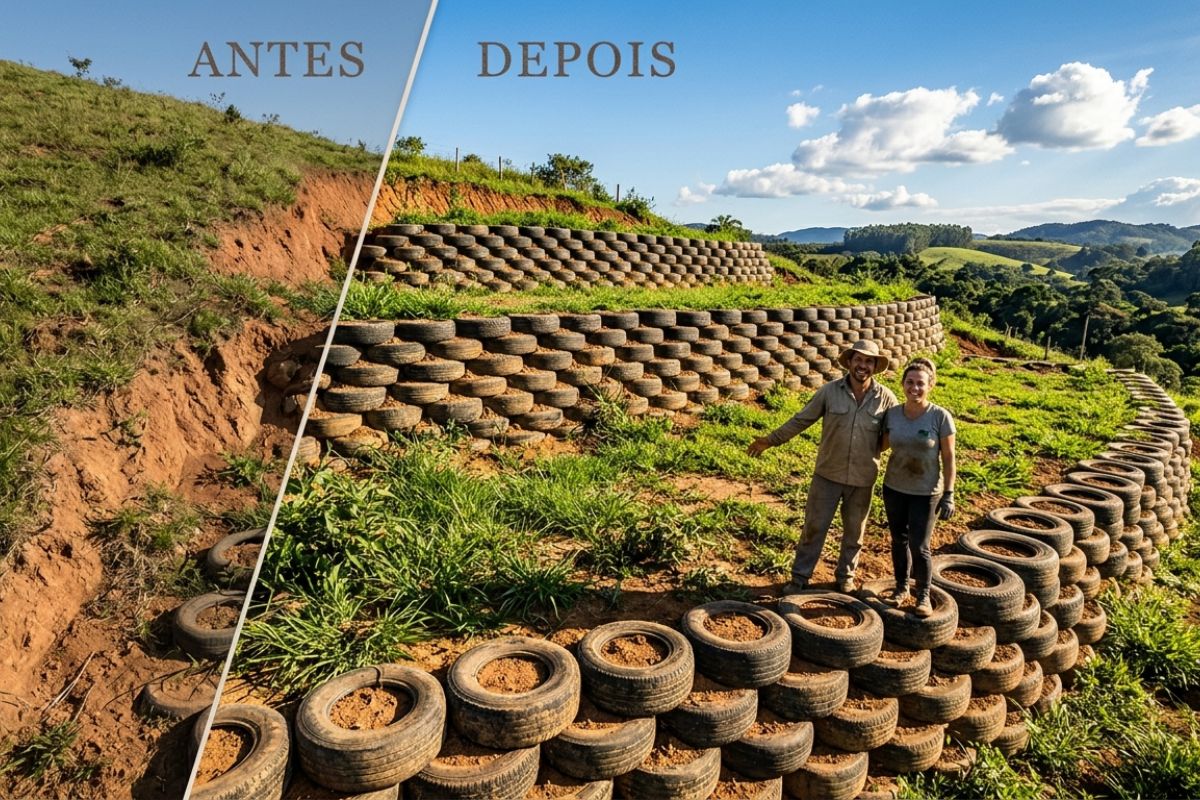
Couple shows how they built a retaining wall on their property using 400 old tires: sloped land turned into plateaus, tires are aligned, filled, and compacted with layers of soil, with grass helping in support and at almost zero cost.
-
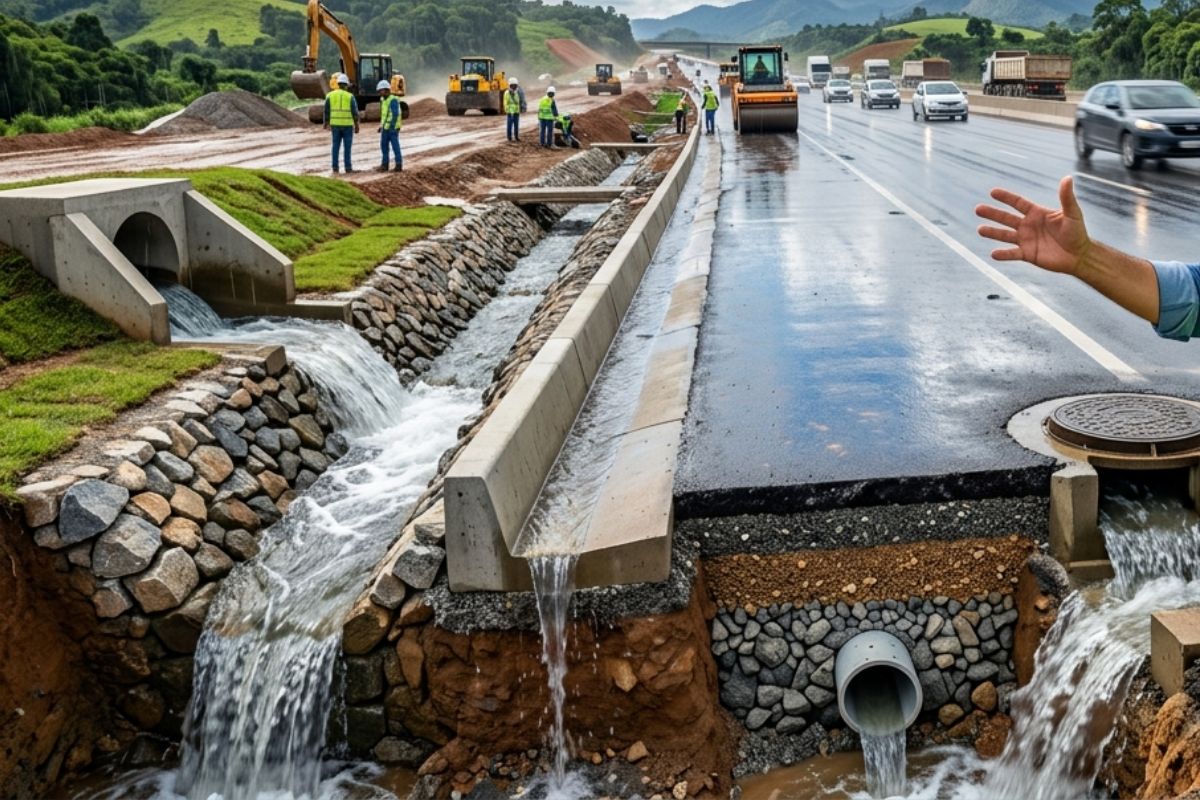
Engineer explains drainage during the rainy season: the difference between surface water and deep water, ditches, gutters, and water outlets on the road, as well as drains and drainage mattresses, to prevent erosion, aquaplaning, and flooding at the construction site today.
-
With 55 floors, 177 meters in height, a 15-meter walkway between the twin towers, ventilated facade, and 6,300 m² of leisure space, Ápice Towers already has one tower completed and another nearly at the top.


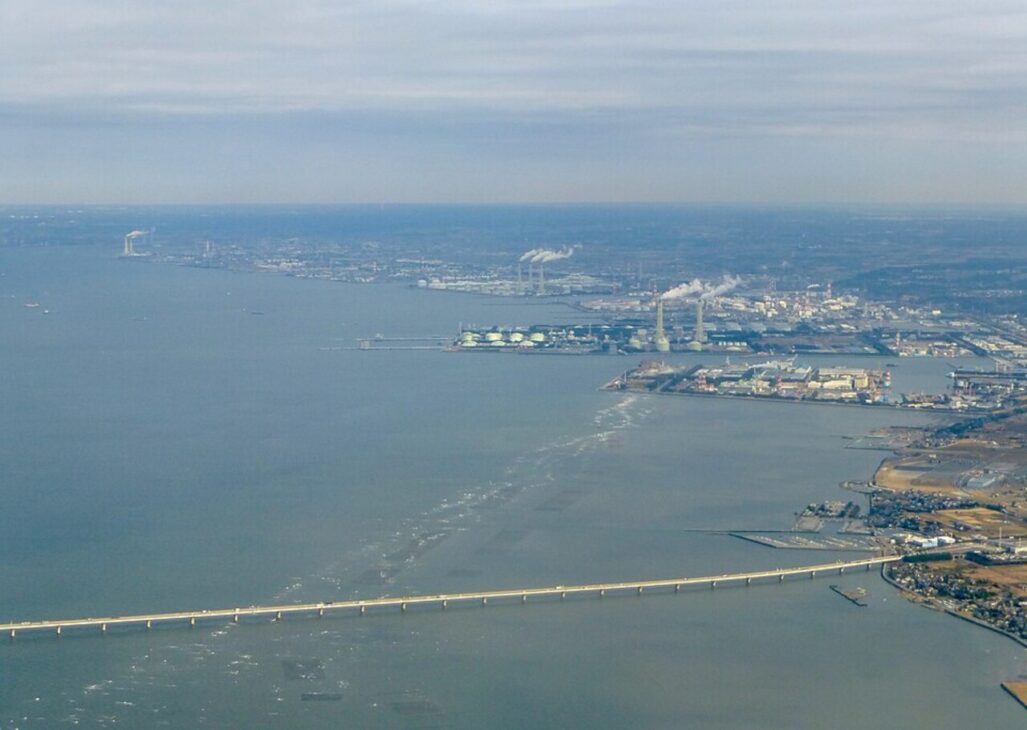
Also in Japan, the Tokyo Bay Aqua-Line combines bridge and tunnel in a 23.7 km route. A highlight of this construction is the artificial islands and rest areas in the middle of the sea.
Europe also houses impressive megatunnels. The Channel Tunnel connects the United Kingdom to France.
It spans 50.49 km under the sea, with constant transportation of cargo and passengers. In Norway, the highlight is the Ryfast Tunnel, considered the deepest underwater road tunnel in the world: 292 meters below sea level.
Other Norwegian tunnels also draw attention. The Eiksund Tunnel, for example, was excavated in challenging terrain.
The North Cape Tunnel reaches a depth of 212 meters and has doors that prevent freezing during the harsh winter.
In the Faroe Islands, the Eysturoyartunnilin stands out for an unusual reason: it has the only underwater roundabout in the world.
The space is illuminated with colored lights, giving a unique look to the site. In Denmark, the Great Belt Bridge Tunnel is part of a connection between islands that strengthens regional trade.
China is also investing in this type of project. The Jiaozhou Bay Tunnel, nearly 8 km long, connects areas of Qingdao. A new, even larger tunnel is under construction to reinforce this integration.
Main Underwater Tunnels In The World
Seikan Tunnel (Japan) — The longest underwater railway tunnel in the world, measuring 53.85 km.
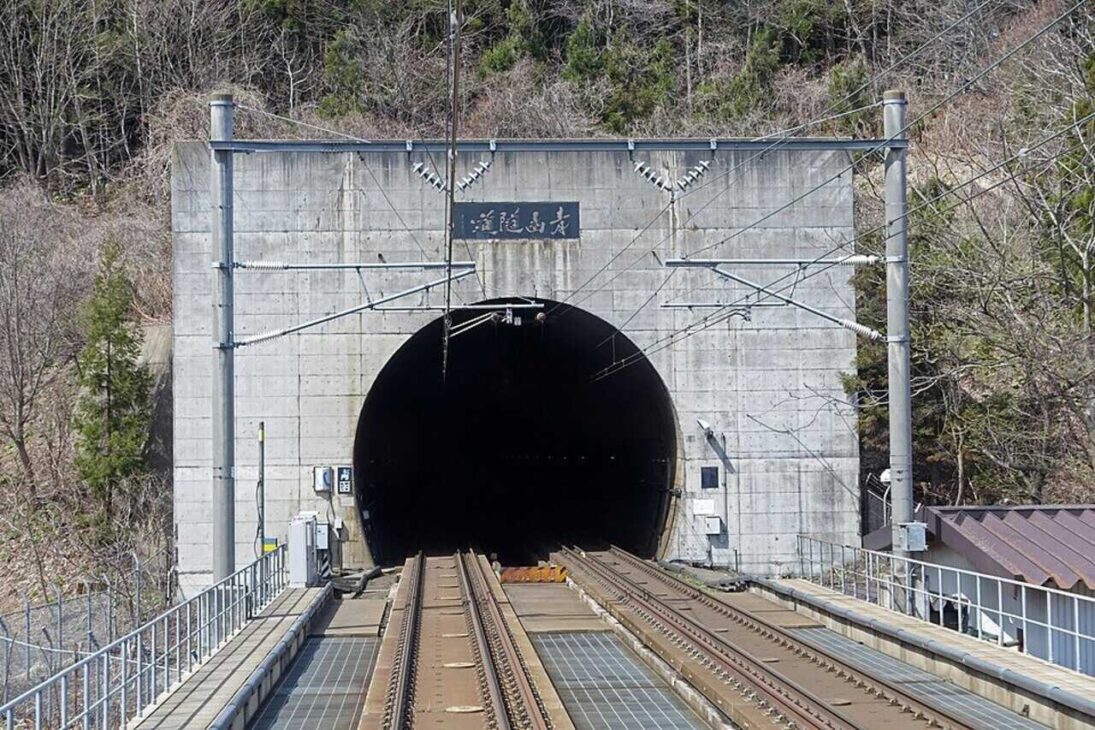
Channel Tunnel (United Kingdom–France) — Connects England and France with a length of 50.49 km.
Tokyo Bay Aqua-Line (Japan) — Combines tunnel and bridge in a 23.7 km route.
Ryfast Tunnel (Norway) — The deepest underwater road tunnel in the world (292 m below sea level).

Eysturoyartunnilin (Faroe Islands) — Tunnel with the only underwater roundabout in the world.

With information from Revista Fórum.








-

Uma pessoa reagiu a isso.