





 Portuguese
  English
  Spanish
  4 min of reading
  0 comments


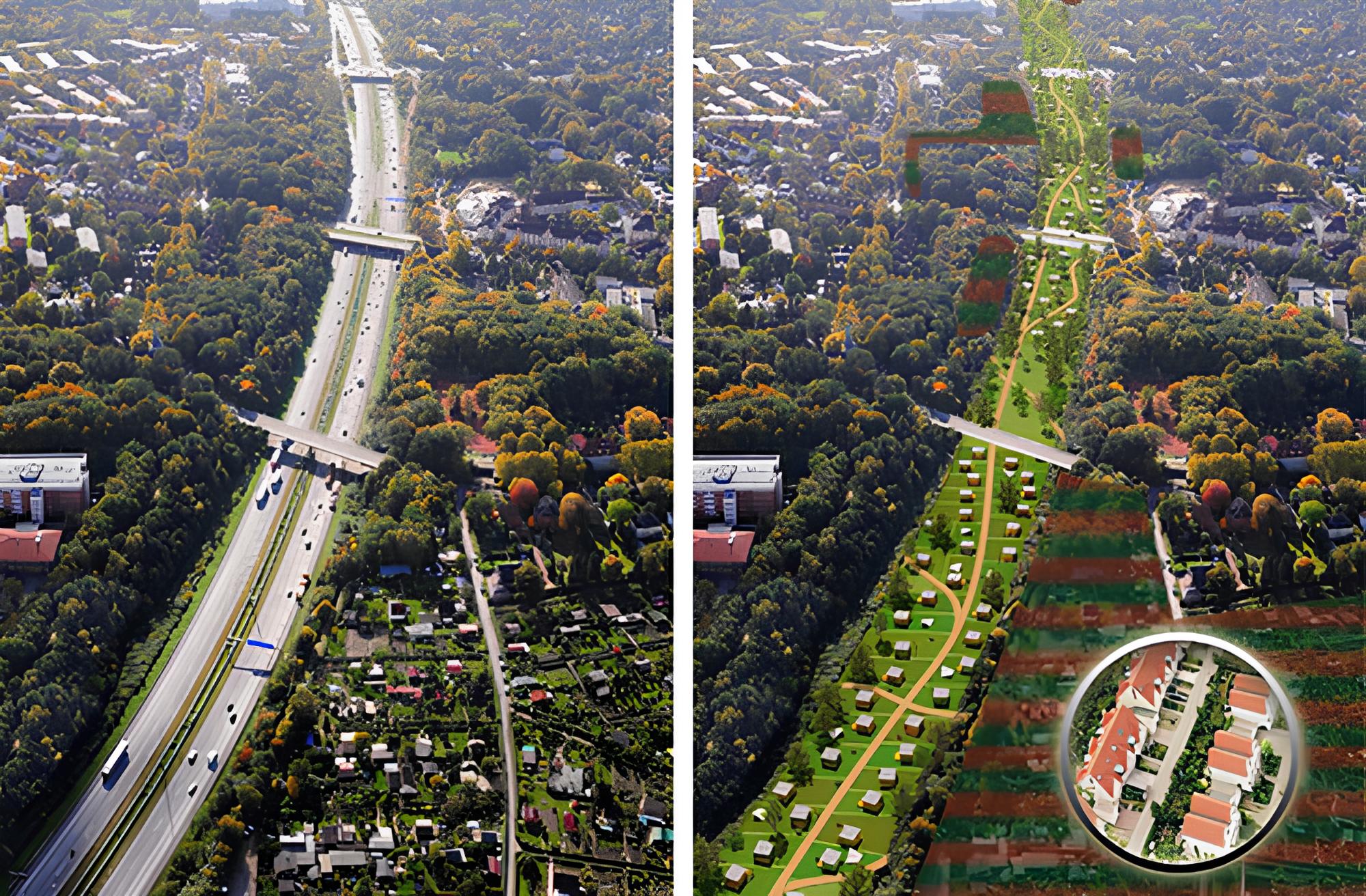
Hamburg Implements a Continuous Green Belt of 100 km That Allows Crossing the City Without Cars, Reduces Urban Heat, Drains Floods, and Creates New Climate Infrastructure Based on Parks, Rivers, and Bike Lanes.
What seems like urban fiction already has a name, project, and schedule: the Green Network Hamburg. It is an ecological network of approximately 100 kilometers planned to allow residents to cross the entire city by walking or cycling, without stepping on the asphalt of roads and without depending on cars. At the same time, the system acts as climate infrastructure, drainage, recreation, biodiversity, and mobility.
The plan is led by the local Senate and integrates existing parks, riverbanks, urban woodlands, ecological corridors, preservation areas, and cycling infrastructure. The goal is to form a complete circuit that encircles and penetrates the urban fabric, reducing the role of private cars and transforming the geography of the city by 2034.
Green Network Hamburg: What Is the 100 km Green Belt
The central concept is simple: connect existing green spaces and fill gaps with new ecological areas, forming a continuous mesh. This allows a pedestrian or cyclist to cover long distances within Hamburg while practically avoiding motorized traffic.
-
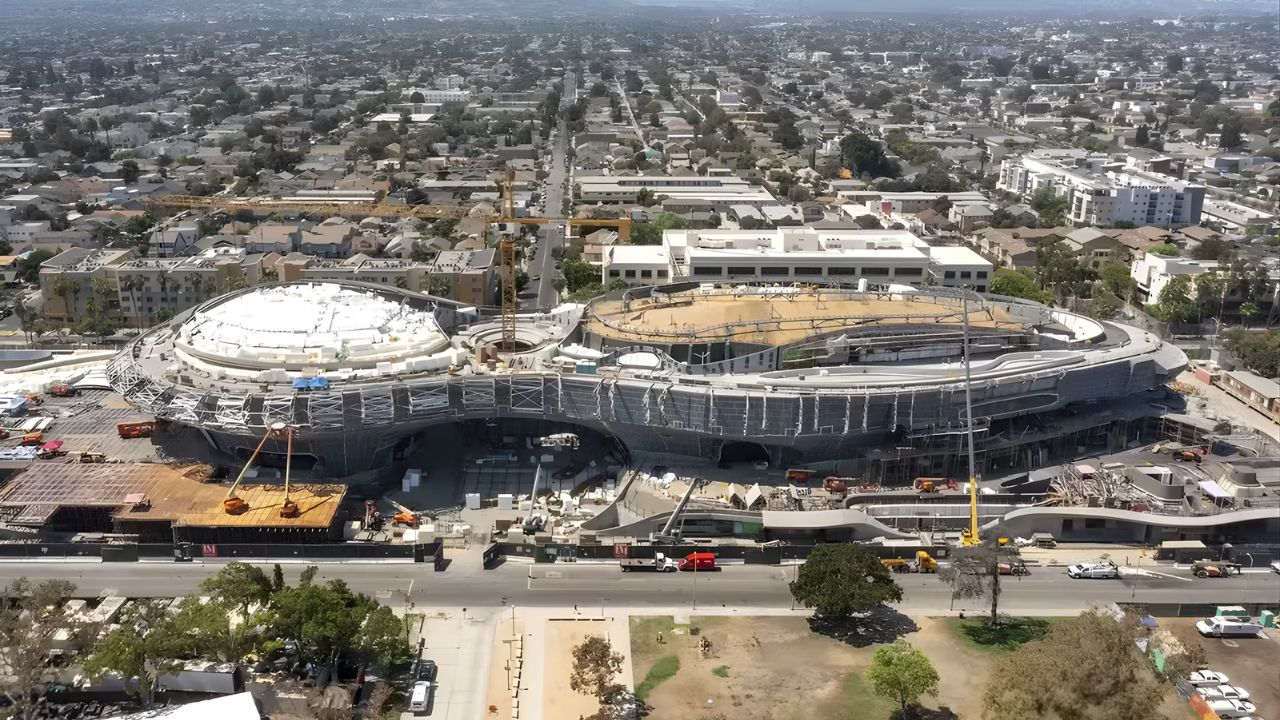
Created by George Lucas with over $1 billion, a futuristic museum in the shape of a spaceship with 1,500 curved panels is about to open in Los Angeles and will house one of the largest private collections of narrative art in the world.
-
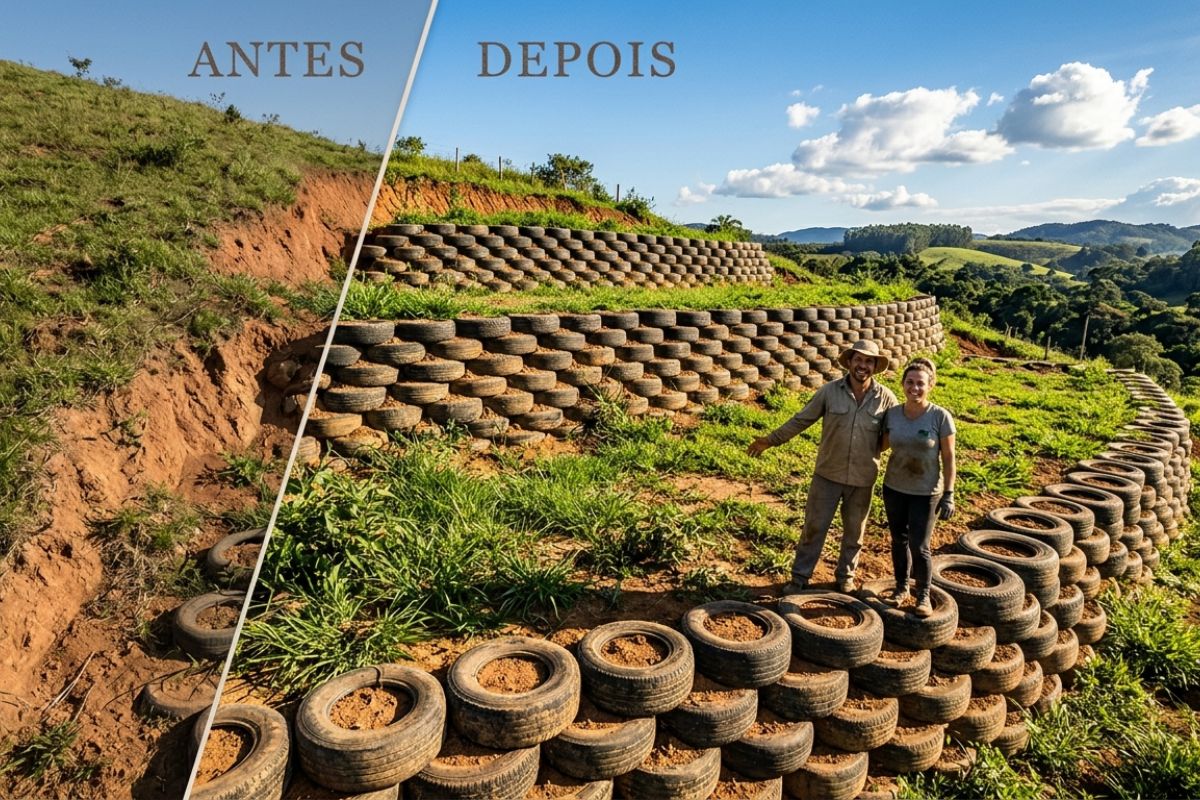
Couple shows how they built a retaining wall on their property using 400 old tires: sloped land turned into plateaus, tires are aligned, filled, and compacted with layers of soil, with grass helping in support and at almost zero cost.
-
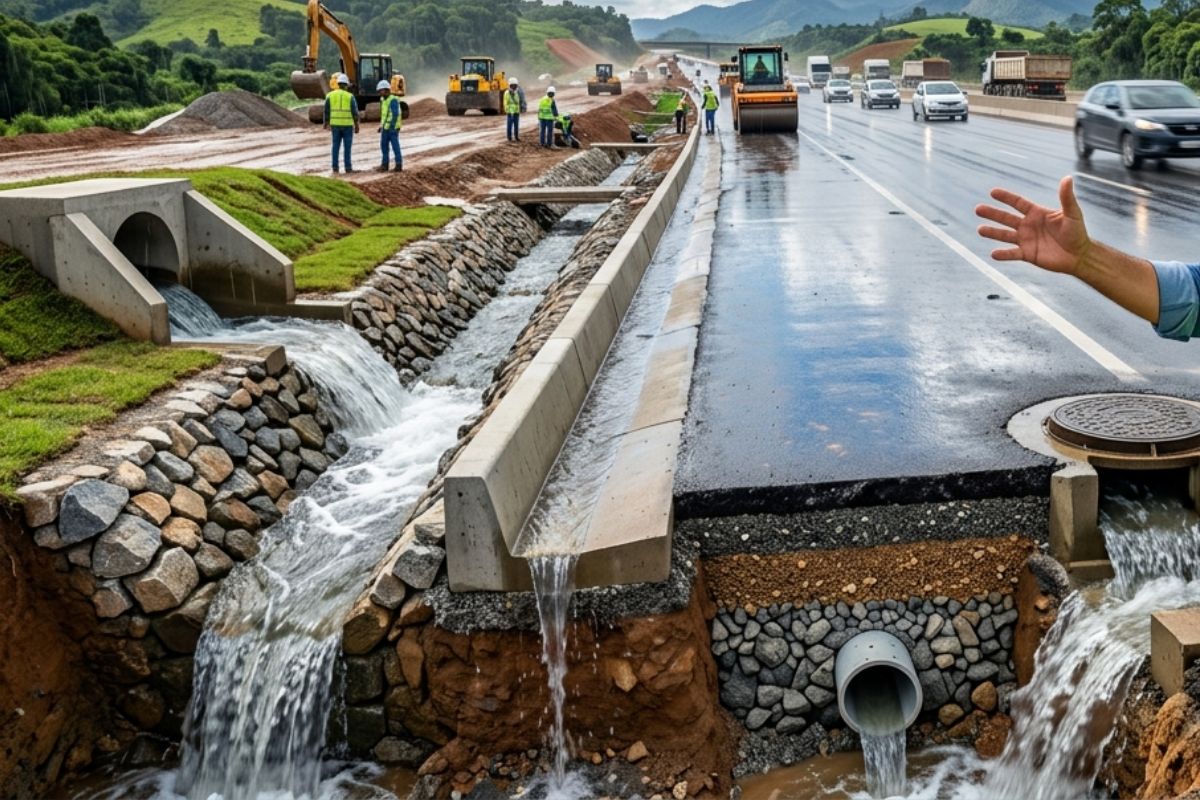
Engineer explains drainage during the rainy season: the difference between surface water and deep water, ditches, gutters, and water outlets on the road, as well as drains and drainage mattresses, to prevent erosion, aquaplaning, and flooding at the construction site today.
-
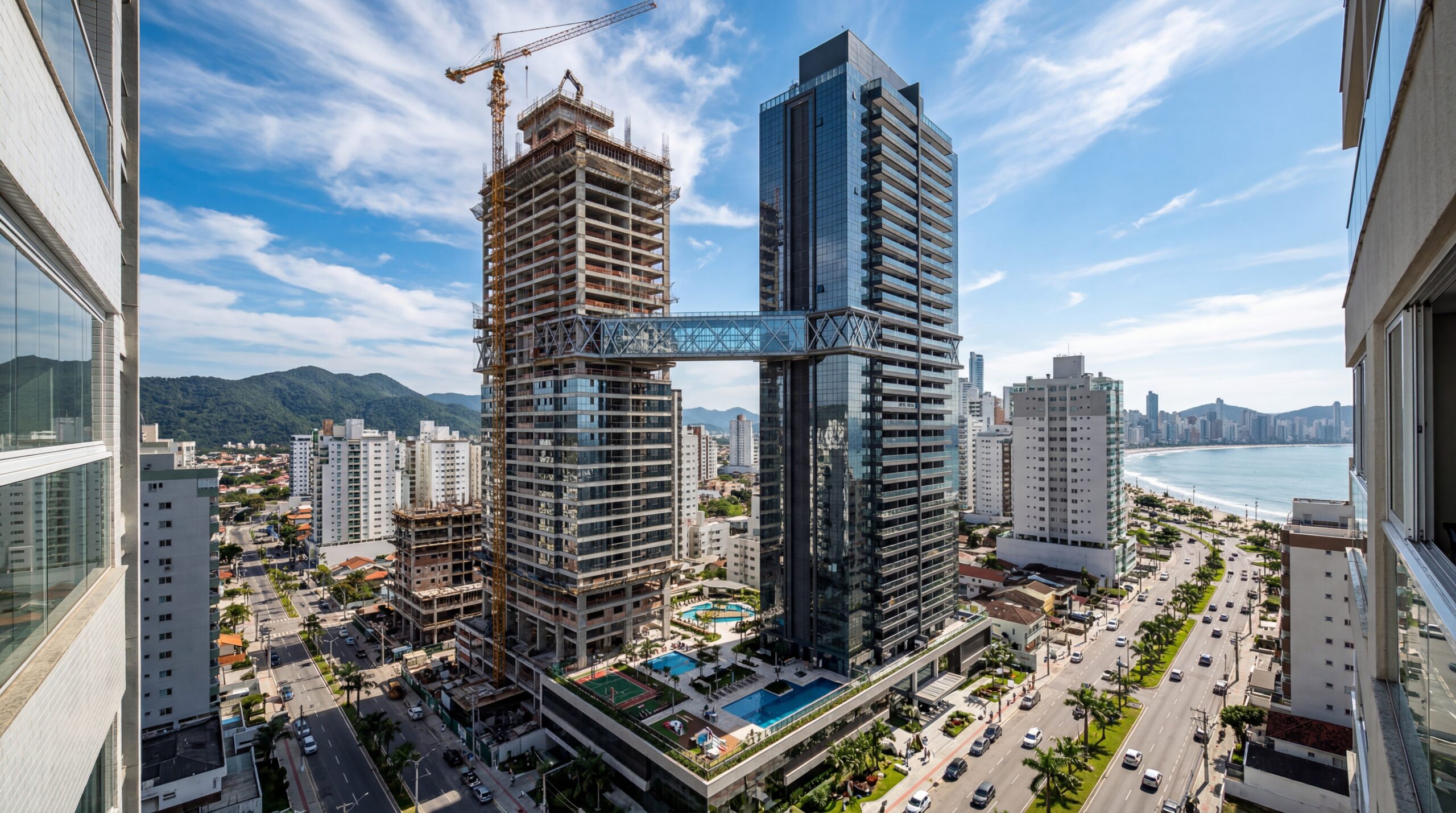
With 55 floors, 177 meters in height, a 15-meter walkway between the twin towers, ventilated facade, and 6,300 m² of leisure space, Ápice Towers already has one tower completed and another nearly at the top.

This corridor includes:
• established urban parks
• riparian zones along the Elbe and Alster rivers
• preservation strips between neighborhoods
• bike lanes separated from traffic
• flood containment zones and wetlands

The sum of these elements forms an “ecological backbone” capable of supporting environmental function and human mobility at the same time.
Climate Infrastructure: Reducing Urban Heat and Floods
Hamburg, like other major European cities, suffers from two direct effects of global warming: hotter summers and intense rainfall events.
The green belt acts technically as climate infrastructure in two main ways:
Reducing Urban Heat Islands
Extensive green areas can reduce local temperatures by up to 7 °C during heatwaves, according to studies of European urban climatology. This effect occurs due to shading, evapotranspiration, and natural ventilation.
Drainage and Flood Control
The network integrates infiltration zones, wetlands, natural floodplains, and water retention areas. These mechanisms store and filter rainwater, reducing the load on traditional drainage systems and preventing overflow during extreme rainfall periods.
This combination makes the corridor function as hidden infrastructure. It is not just a park; it is a system of environmental engineering.
Biodiversity and Ecological Corridors Within the City
Another technical function of the Green Network is to create biodiversity corridors. In fragmented urban areas, species of small mammals, birds, insects, and plants often become isolated. By connecting parks and natural areas, Hamburg allows these species to move, reproduce, and colonize new habitats.

This is already being observed:
• birds that used to migrate seasonally have started to settle permanently
• pollinator insects have returned to densely urbanized areas
• degraded areas have begun to develop spontaneous vegetation
The corridor thus transforms into a living organism that breathes and grows within the urban matrix.
Mobility Without Cars: Pedestrians and Cyclists as a Priority
One of the most visible pillars of the green belt is to allow daily commutes without a car. It is not just about landscaping; it is about a restructuring of mobility.
The project provides:
• bike lanes segregated from traffic
• natural crossings between neighborhoods
• connection to public transport
• continuous and signposted routes
In the end, it will be possible to cross Hamburg from end to end using only a bicycle or walking, without exposure to heavy traffic and road risks. This change reduces air pollution, urban noise, and public health costs.
Urban Application: A New Model of European City
Hamburg is not the first city to implement long-term green strategies, but its model differs by integrating mobility, climate, and ecology into a single continuous work.
The green belt does not simply provide “more trees” to the city; it reorganizes urban flows in a systemic way.
Other European cities are already observing the project with interest, especially those facing:
• aging road systems
• increased heatwaves
• pressure for recreational areas
• challenges in urban drainage
• persistent traffic jams
Barcelona, Copenhagen, and Vienna are examples of capitals that are already studying similar models for the coming decades.
A New Paradigm: When Parks Become Infrastructure
The lesson from Hamburg is clear: the city of the 21st century cannot depend solely on avenues, viaducts, and tunnels. The new urban engineering requires hybrid solutions capable of simultaneously supporting transport, climate, health, ecology, and resilience.
If the 20th century was marked by cities expanding for cars, the 21st century is moving towards cities contracting for climate.
The 100 km green belt is not just a park. It is a technical, urban, and climatic response to a warming planet and increasingly dense metropolises. Hamburg has decided that, between more asphalt and more future, it chose the future.







Seja o primeiro a reagir!