





 Portuguese
  English
  Spanish
  3 min of reading
  0 comments


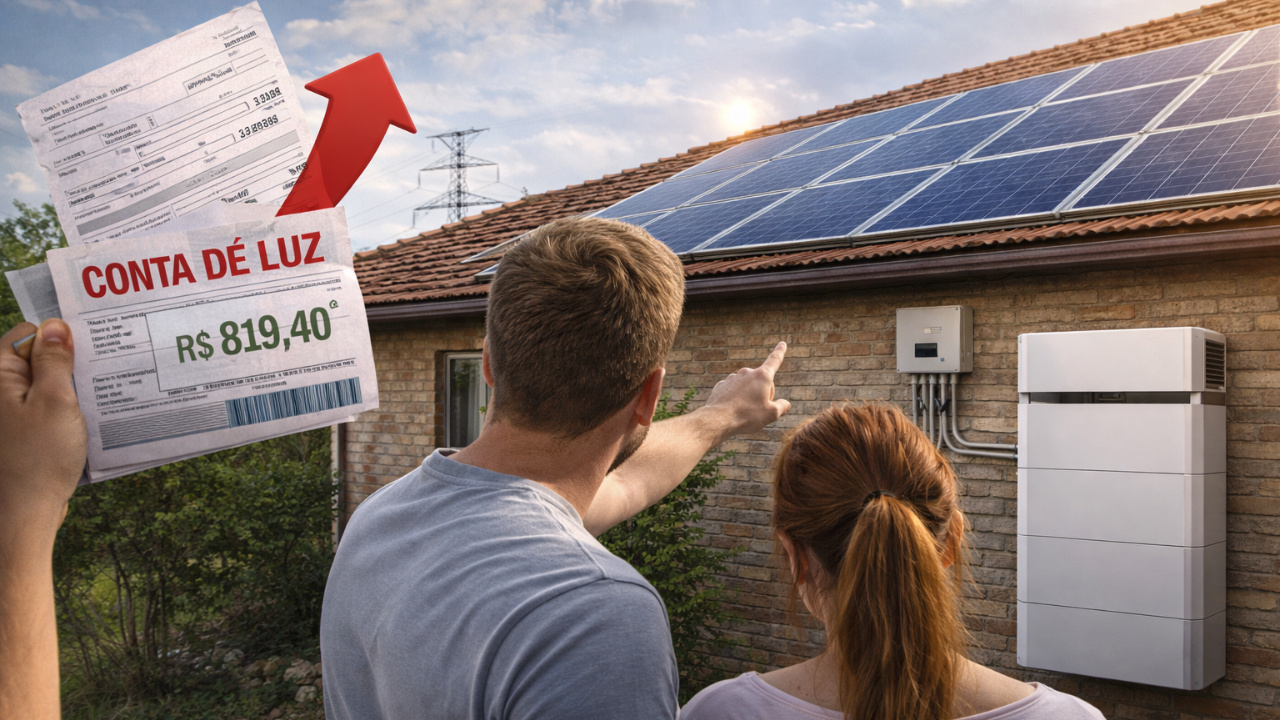
Integration of Batteries with Solar Energy Reduces Demand Peaks, Increases Self-Consumption, and Can Generate Financial Return in Up to Two Years, According to Powersafe.
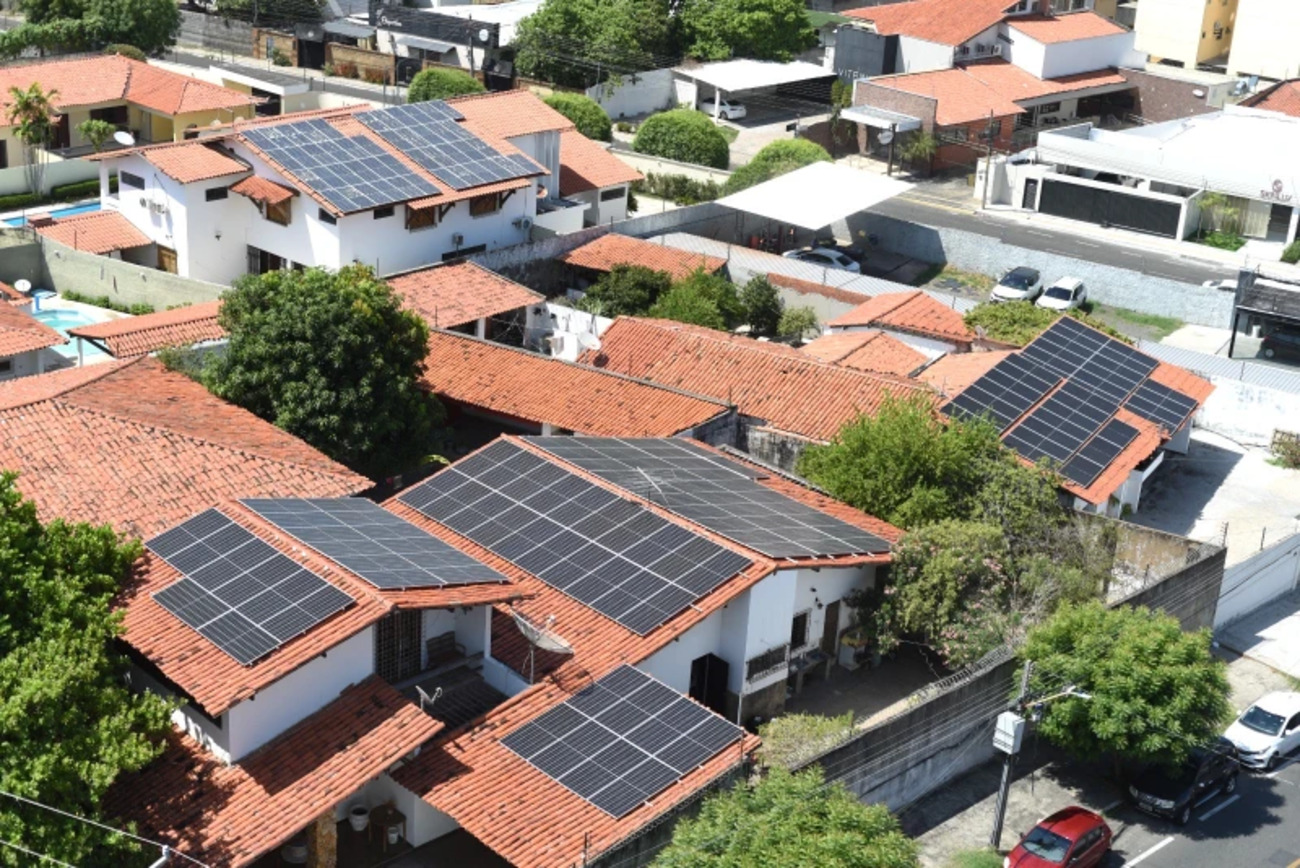
What was once seen as an optional item is beginning to gain status as a strategic investment. The integration of batteries with solar energy systems can already yield a financial return in just two years in Brazil, for both households and businesses.
The estimate comes from Powersafe, a battery manufacturer operating in the national market. According to the company, the so-called “payback” has been shortened thanks to the combination of three factors: falling prices of lithium-ion batteries, rising electricity rates, and increased concern about supply stability.
According to André Ribeiro, operations and renewables manager at the company, the current scenario favors those seeking more energy autonomy. “In the context of consumers with solar generation on their rooftops and coverings, storage allows shifting consumption to more advantageous times, increasing the self-consumption of solar energy and reducing costs associated with demand spikes,” he says.
-
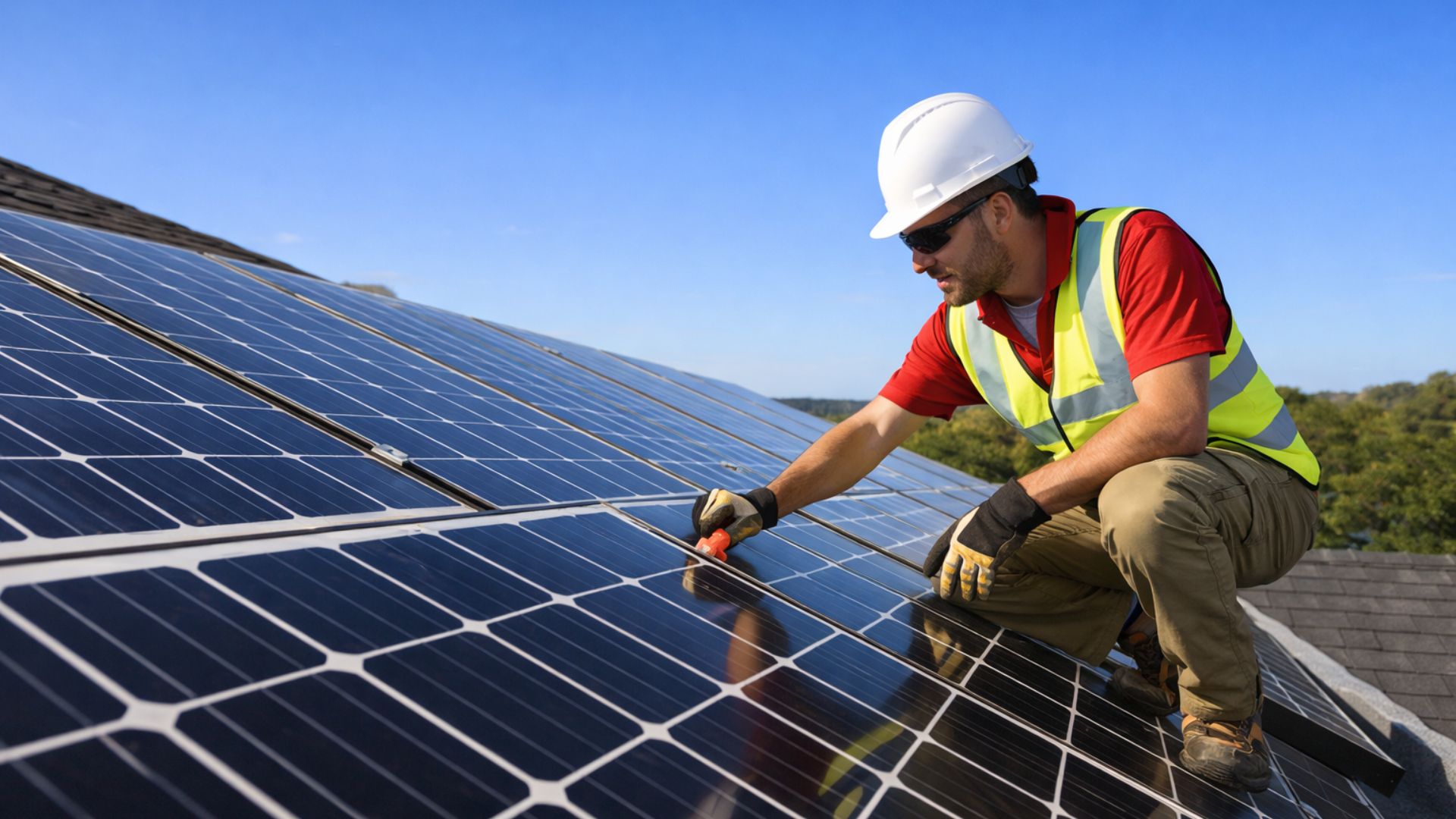
Seagri’s headquarters invests in solar energy with Neoenergia Coelba and promises to cut electricity costs, highlighting a strategic advance in sustainability and energy efficiency within state public administration.
-
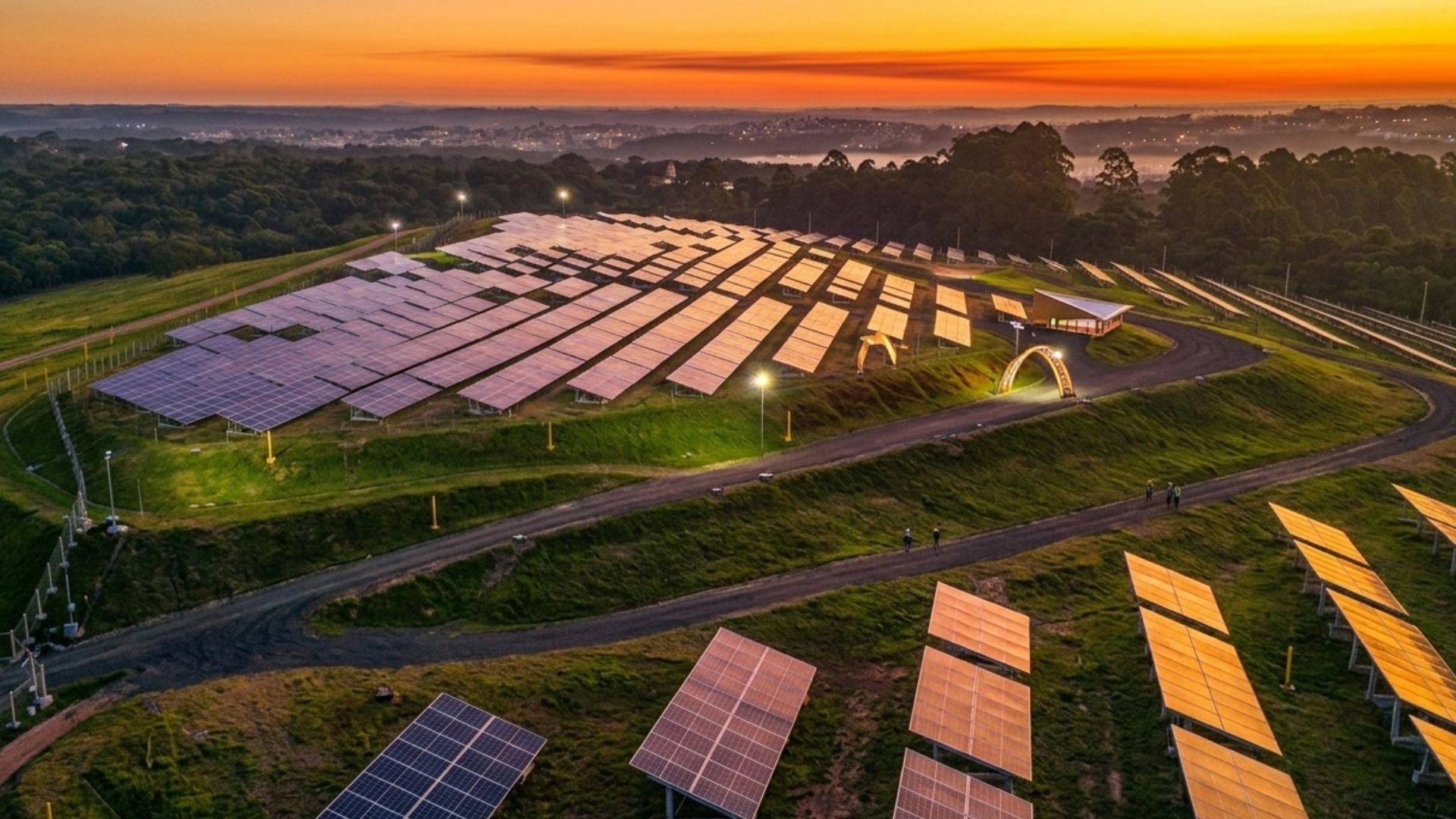
Solar Pyramid draws attention by converting solar energy into million-dollar savings and repositioning the City Hall of Curitiba as an example of innovation, sustainability, and intelligent use of public resources.
-
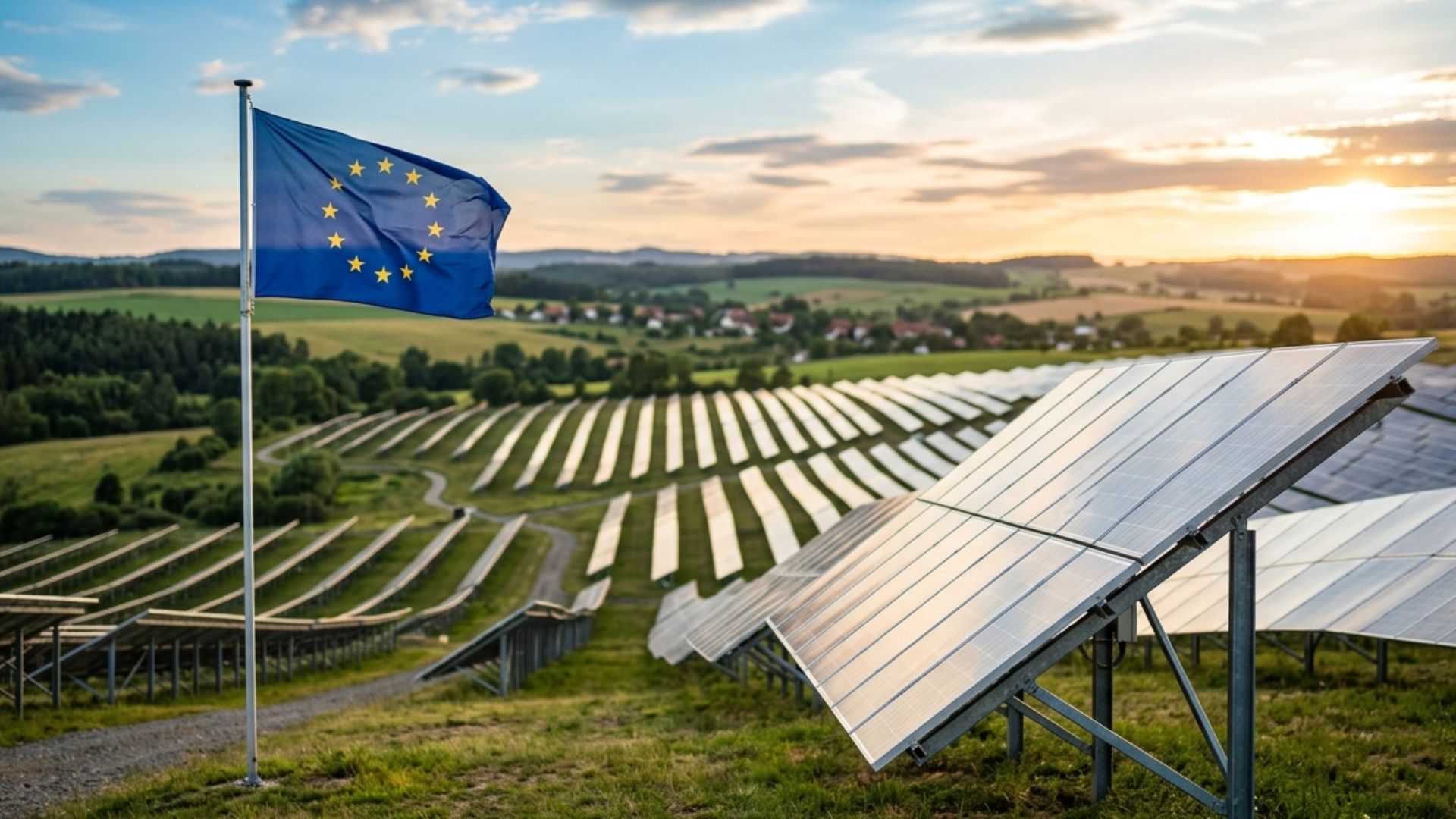
Europe records strong euro economy with solar energy in March and sparks curiosity about which country leads growth that redefines the energy market and reduces costs.
-
Piauí reaches a historic milestone in energy transition: State records nearly 160,000 households powered by solar energy and leads growth in the Northeast.

Reduction of Peaks and Protection Against Losses
In addition to direct savings on bills, storage provides another benefit: protection against interruptions. In sectors such as retail, services, and small industries, a power outage can lead to significant financial losses.
According to Ribeiro, in such cases, the return can be even faster. This is because the cost of a shutdown often exceeds the value saved simply from the tariff.
Thus, the battery is no longer viewed merely as “insurance against blackouts.” It starts to function as a management tool. With the system, it is possible to store the surplus produced during the day and use it during peak consumption times or when the tariff is higher.
Fall in Prices and Regulatory Advancements Boost the Market
Another factor strengthening solar energy with storage is the accelerated reduction in the cost of lithium-ion batteries. In recent years, the technology has become more accessible. At the same time, electricity bills have risen in various regions of the country.
This movement has altered the economic logic of projects. The consumer is not only thinking about generation. They want predictability. They want stability. And they want fewer surprises at the end of the month.
Powersafe anticipates accelerated growth in the storage market still this year. The expectation is for regulatory advancements and greater maturity in the sector.
For Ribeiro, the trend is clear. “The battery ceases to be just a protection against blackouts and becomes an intelligent energy management tool, with a direct impact on economy and security of supply,” he asserts.
Given this scenario, is solar energy without battery about to become outdated in Brazil? What do you think about investing in storage to reduce the electricity bill?







-

Uma pessoa reagiu a isso.